
Heart health and cholesterol are intrinsically linked, as high levels of low-density lipoprotein (LDL) cholesterol can lead to plaque buildup in arteries, increasing the risk of heart attack and stroke. Maintaining optimal heart health requires balancing cholesterol levels through a combination of dietary changes, regular physical activity, and medical intervention when necessary.
Cardiovascular disease remains the leading cause of death globally, and understanding the intricate relationship between heart health and cholesterol is the first line of defense. While cholesterol is often vilified in popular culture, it is a biological necessity. Every cell in your body requires cholesterol to build membrane structures, produce hormones like estrogen and testosterone, and synthesize Vitamin D. The issue lies not in the existence of cholesterol, but in the imbalance of its transport systems within the bloodstream.
This comprehensive guide explores the physiological mechanisms of cholesterol, its impact on the cardiovascular system, and actionable strategies to optimize your lipid profile for a longer, healthier life.
Understanding the Basics of Cholesterol
Cholesterol is a waxy, fat-like substance found in all the cells in your body. Your liver produces all the cholesterol you need to function, but it is also introduced into the body through the consumption of animal products such as meat, poultry, and dairy. Because cholesterol is a lipid (fat), it does not mix with water, and therefore cannot travel through the blood on its own. To navigate the bloodstream, cholesterol is packaged into particles called lipoproteins.
Lipoproteins are composed of lipids on the inside and proteins on the outside. These vehicles transport cholesterol and triglycerides to various tissues. The density of these particles—determined by the ratio of protein to lipid—classifies them into different categories, which have vastly different effects on heart health.
The Difference Between LDL, HDL, and Triglycerides
To manage heart health effectively, one must distinguish between the different types of lipids circulating in the blood. The three primary markers analyzed in a standard lipid panel are Low-Density Lipoprotein (LDL), High-Density Lipoprotein (HDL), and Triglycerides.
Low-Density Lipoprotein (LDL)
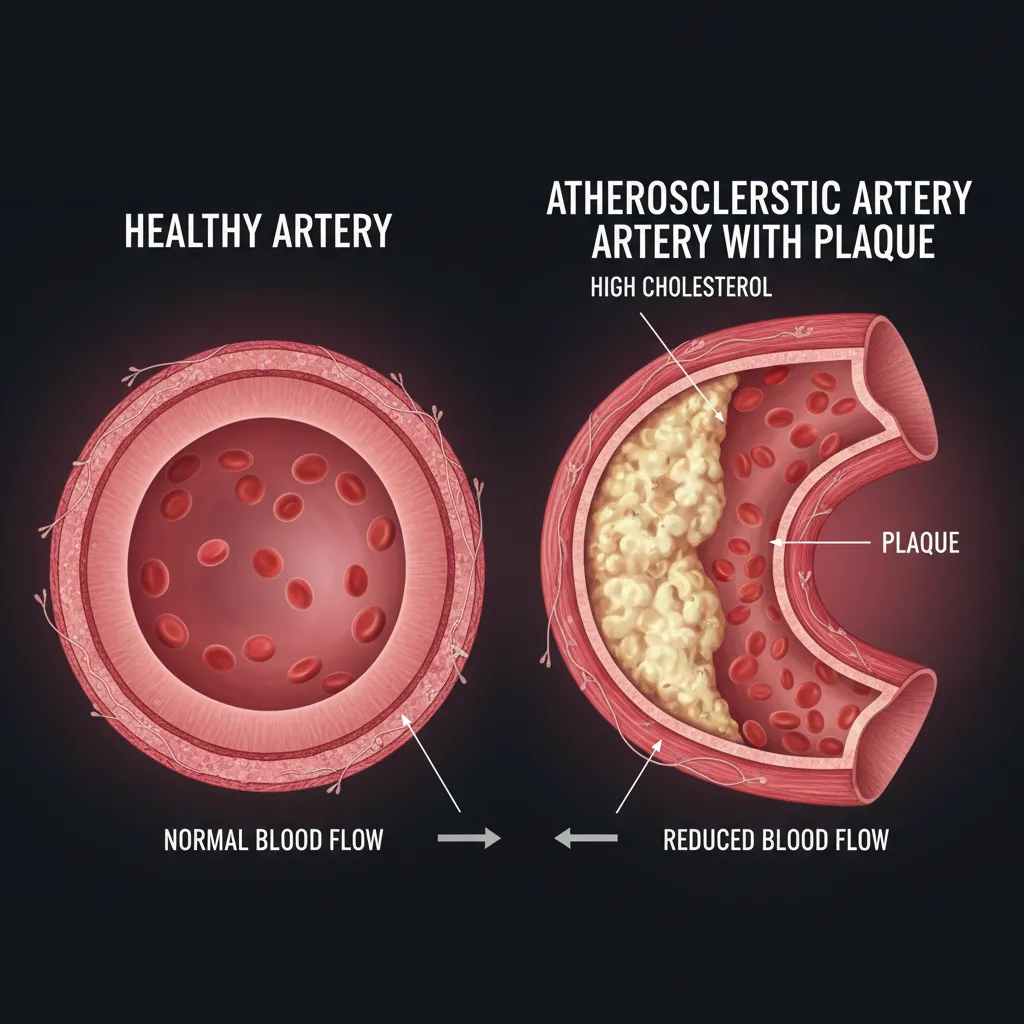
Often referred to as “bad” cholesterol, LDL comprises the majority of the body’s cholesterol. Its primary function is to transport cholesterol from the liver to the tissues that need it. However, when LDL levels are excessive, these particles can deposit cholesterol in the artery walls. This process initiates the formation of plaque, a hard deposit that narrows the arteries and reduces blood flow. This condition, known as atherosclerosis, is the precursor to most cardiovascular events.
High-Density Lipoprotein (HDL)
Known as “good” cholesterol, HDL acts as a scavenger. It cruises through the bloodstream, picking up excess cholesterol and returning it to the liver, where it is broken down and removed from the body. High levels of HDL are generally protective against heart disease because they reverse the transport of cholesterol, effectively cleaning the arteries.
Triglycerides
While not a type of cholesterol, triglycerides are the most common type of fat in the body. They store excess energy from your diet. When you eat more calories than you burn, your body converts the surplus into triglycerides and stores them in fat cells. High triglyceride levels often accompany high LDL and low HDL, creating a “lipid triad” that significantly elevates the risk of heart disease and stroke.
How Cholesterol Impacts Heart Health
The correlation between elevated cholesterol and cardiovascular disease is well-documented. The mechanism involves a chronic inflammatory process. When LDL particles become trapped in the arterial wall, they undergo oxidation. This triggers an immune response where white blood cells (macrophages) attempt to engulf the oxidized LDL. These cells eventually become “foam cells,” which accumulate to form fatty streaks.
Over time, these streaks harden into plaque. If a plaque deposit ruptures, it can cause a blood clot to form on its surface. This clot can block the flow of blood to the heart, causing a heart attack, or to the brain, causing a stroke. According to the Centers for Disease Control and Prevention (CDC), having high blood cholesterol raises the risk for heart disease, the leading cause of death, and for stroke, the fifth leading cause of death.
Decoding Your Lipid Panel: The Numbers
Knowledge is power when it comes to heart health. Adults aged 20 and older should have their cholesterol checked every four to six years, though those with risk factors may need more frequent screening. Understanding your lipid panel results is crucial for determining the necessary course of action.
- Total Cholesterol: A measure of the total amount of cholesterol in your blood. Ideally, this should be below 200 mg/dL. Levels between 200-239 mg/dL are considered borderline high, and 240 mg/dL and above are considered high.
- LDL Cholesterol: For most healthy individuals, an LDL level below 100 mg/dL is optimal. For those with a history of heart disease or diabetes, doctors often recommend driving this number below 70 mg/dL. Levels above 160 mg/dL are considered high.
- HDL Cholesterol: Higher is better. An HDL level of 60 mg/dL or higher is considered protective against heart disease. Levels below 40 mg/dL for men and 50 mg/dL for women are considered major risk factors.
- Triglycerides: Normal levels are below 150 mg/dL. Levels between 150-199 mg/dL are borderline high, while levels above 200 mg/dL are high.
Dietary Strategies for Lowering Cholesterol
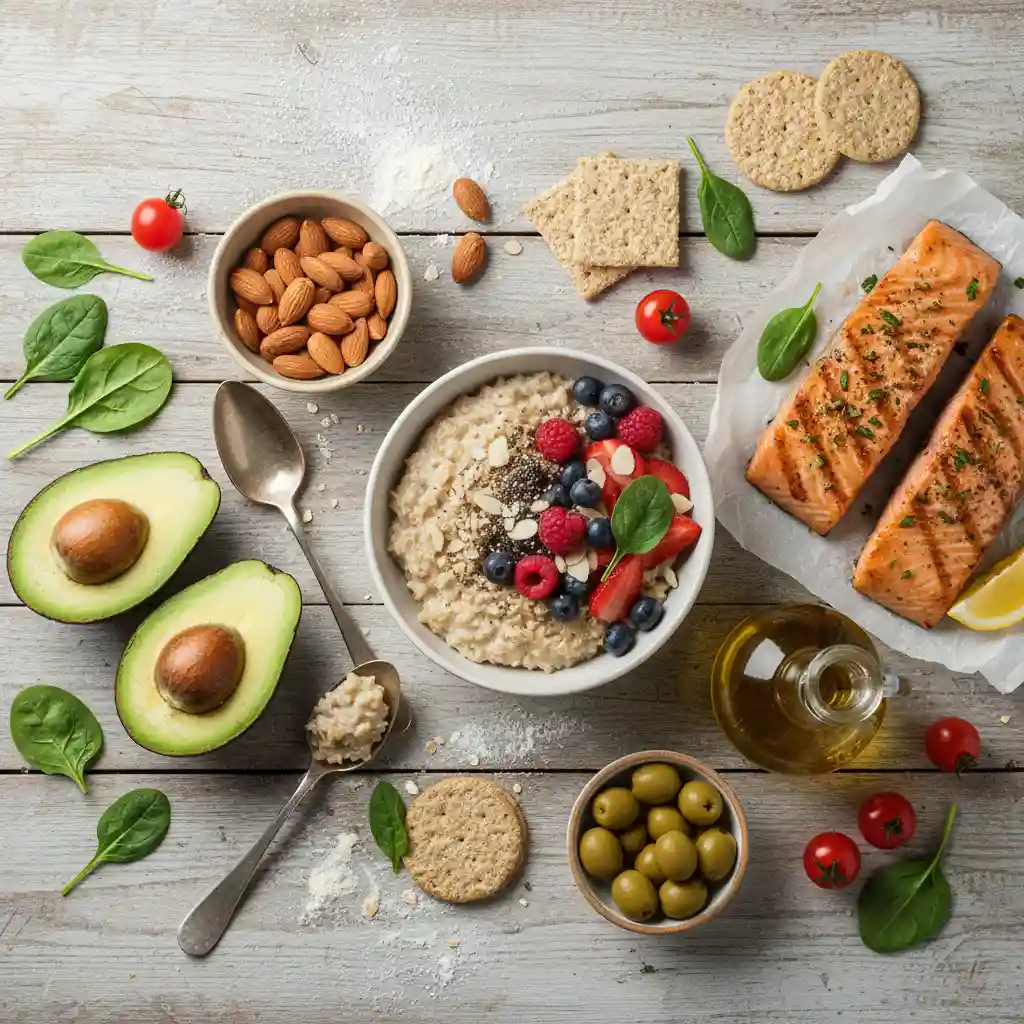
Diet plays a pivotal role in managing cholesterol levels. While genetics influence how your body processes lipids, what you eat can significantly alter your lipid profile. The goal is to reduce saturated and trans fats while increasing the intake of soluble fiber and heart-healthy unsaturated fats.
The Power of Soluble Fiber
Soluble fiber acts like a sponge in the digestive tract. It binds to cholesterol and prevents it from being absorbed into the bloodstream. Foods rich in soluble fiber include oats, barley, kidney beans, Brussels sprouts, apples, and pears. Aiming for 5 to 10 grams or more of soluble fiber a day decreases your LDL cholesterol.
Embracing Healthy Fats
Not all fats are created equal. Saturated fats, found primarily in red meat and full-fat dairy products, raise total cholesterol. Trans fats, often found in store-bought cookies and cakes, are even worse as they raise LDL and lower HDL. Conversely, monounsaturated fats found in olive oil, canola oil, and avocados can help lower LDL levels. Polyunsaturated fats, specifically Omega-3 fatty acids found in fatty fish like salmon, mackerel, and herring, help lower triglycerides and reduce blood pressure.
Plant Sterols and Stanols
Sterols and stanols are substances found in plants that help block the absorption of cholesterol. Many foods, such as margarine spreads, orange juice, and yogurt drinks, are now fortified with sterols or stanols. Consuming 2 grams of plant sterols or stanols a day can lower LDL cholesterol by about 10%.
Critical Lifestyle Modifications
Beyond diet, your daily habits significantly influence your heart health and cholesterol levels. Implementing a few key lifestyle changes can have a synergistic effect with dietary improvements.
Regular Physical Activity
Exercise helps boost HDL cholesterol while lowering LDL and triglycerides. The American Heart Association recommends at least 150 minutes of moderate-intensity aerobic activity or 75 minutes of vigorous activity per week. Activities such as brisk walking, swimming, cycling, or jogging can make a substantial difference. Even moderate physical activity can help with weight management, which is another crucial factor in cholesterol control.
Smoking Cessation
Smoking damages blood vessels, speeds up the accumulation of plaque in arteries, and significantly lowers HDL cholesterol. Quitting smoking improves your HDL cholesterol level. Within 20 minutes of quitting, your blood pressure and heart rate recover from the cigarette-induced spike. Within a year, your risk of heart disease is half that of a smoker.
Alcohol Moderation
Moderate use of alcohol has been linked with higher levels of HDL cholesterol, but the benefits are not strong enough to recommend alcohol to anyone who does not already drink. Excessive alcohol consumption can lead to serious health issues, including high blood pressure, heart failure, and strokes. If you drink alcohol, do so in moderation—up to one drink a day for women and two for men.

Medical Treatments and Medications
For some individuals, lifestyle changes and diet alone are insufficient to lower cholesterol levels to a safe range, particularly for those with a genetic predisposition known as familial hypercholesterolemia. In these cases, medication becomes a necessary component of heart health management.
Statins
Statins are the most commonly prescribed class of medication for high cholesterol. They work by blocking a substance your liver needs to make cholesterol. This causes the liver to remove cholesterol from the blood. Examples include atorvastatin (Lipitor), simvastatin (Zocor), and rosuvastatin (Crestor). Statins have been proven to reduce the risk of heart attack and stroke significantly.
Cholesterol Absorption Inhibitors
Drugs such as ezetimibe (Zetia) reduce blood cholesterol by limiting the absorption of dietary cholesterol by the small intestine. This medication can be used in combination with a statin.
PCSK9 Inhibitors
This is a newer class of injectable drugs, such as alirocumab (Praluent) and evolocumab (Repatha), which help the liver absorb more LDL cholesterol from the blood. These are typically reserved for people who have a genetic condition that causes very high LDL levels or for those with a history of heart disease who cannot tolerate statins or for whom other medications haven’t worked.
Long-Term Prevention Strategies
Heart health is not a destination but a journey. Maintaining healthy cholesterol levels requires long-term commitment and regular monitoring. It involves creating a sustainable environment for your body to thrive. This means consistent check-ups with your healthcare provider to monitor lipid levels, blood pressure, and blood sugar.
Stress management is also an overlooked aspect of heart health. Chronic stress may trigger the release of hormones that increase blood pressure and heart rate, putting extra strain on the cardiovascular system. Techniques such as meditation, yoga, and deep breathing exercises can be beneficial adjuncts to diet and exercise.
Ultimately, managing heart health and cholesterol is about empowerment. By understanding the science behind lipoproteins, interpreting your medical data, and taking proactive steps in your diet and lifestyle, you can drastically reduce your risk of cardiovascular disease and lead a vibrant, active life.
People Also Ask
What is the fastest way to lower cholesterol without medication?
The fastest way to lower cholesterol naturally involves a strict dietary overhaul: eliminating trans fats, drastically reducing saturated fats, and increasing soluble fiber intake (oats, beans). Combining this with daily aerobic exercise and weight loss can show improvements in lipid profiles within 4 to 6 weeks.
Can drinking water lower cholesterol?
While water itself does not directly lower cholesterol, staying hydrated is essential for metabolic function. Dehydration can cause the blood to become more acidic, which may lead the body to produce more cholesterol to protect cell membranes. Drinking water replaces sugary beverages, which helps reduce triglyceride levels.
What are the worst foods for high cholesterol?
The worst foods for high cholesterol are those high in saturated and trans fats. This includes processed meats (bacon, sausage), full-fat dairy products, fried foods, fast food, and commercially baked goods like pastries and cookies containing partially hydrogenated oils.
Is high cholesterol always caused by diet?
No, high cholesterol is not always caused by diet. Genetics play a significant role. Familial Hypercholesterolemia (FH) is a genetic disorder that prevents the body from removing LDL cholesterol from the blood effectively, leading to high levels regardless of diet or exercise.
Does stress affect cholesterol levels?
Yes, chronic stress can affect cholesterol levels. Stress triggers the release of cortisol and adrenaline, which can raise blood glucose and fatty acids for energy. Over time, this can lead to higher triglycerides and LDL cholesterol, while potentially lowering HDL cholesterol.
At what age should I start worrying about cholesterol?
The American Heart Association recommends that all adults age 20 or older have their cholesterol and other traditional risk factors checked every four to six years. However, plaque buildup can begin in childhood, so early awareness and healthy lifestyle habits are encouraged from a young age.