
Gochujang tofu in NZ represents a vibrant culinary fusion, combining the deep, fermented heat of Korean chili paste with the clean, versatile protein of New Zealand-made soy curds. This pairing delivers a complex balance of umami, spice, and sweetness, offering a robust flavor profile perfectly suited for modern Kiwi plant-based cooking.
The Rise of Korean Flavours in Aotearoa
The culinary landscape of New Zealand has undergone a significant transformation over the past decade. While traditional Kiwi cuisine—often characterised by fresh produce, dairy, and lamb—remains a staple, the integration of Asian flavours has become increasingly sophisticated. Among these, Korean cuisine has carved out a substantial niche, moving from niche specialty restaurants to the pantries of everyday home cooks. At the heart of this movement is the fusion of bold Korean condiments with high-quality local ingredients, specifically the pairing of gochujang tofu NZ enthusiasts have come to adore.
This fusion is not merely about tossing ingredients together; it is a thoughtful integration of texture and taste. New Zealand produces some of the finest non-GMO soy products in the world, characterized by a clean, creamy profile that acts as the perfect canvas for aggressive flavours. Gochujang, a fermented Korean chili paste, provides that aggression in the form of a savoury, spicy, and slightly sweet kick. When these two meet, the result is a dish that resonates with the Kiwi love for bold, fresh flavours while honouring the depth of Korean fermentation traditions.
Culinary Note: The success of this fusion lies in the contrast. The mild, porous nature of firm tofu absorbs the density of the gochujang glaze, creating a bite that is crispy on the outside, tender on the inside, and exploding with umami.
Deconstructing the Pair: Gochujang and NZ Soy
To master this culinary style, one must understand the primary components. The synergy between the ferment and the curd is scientifically fascinating and gastronomically rewarding.
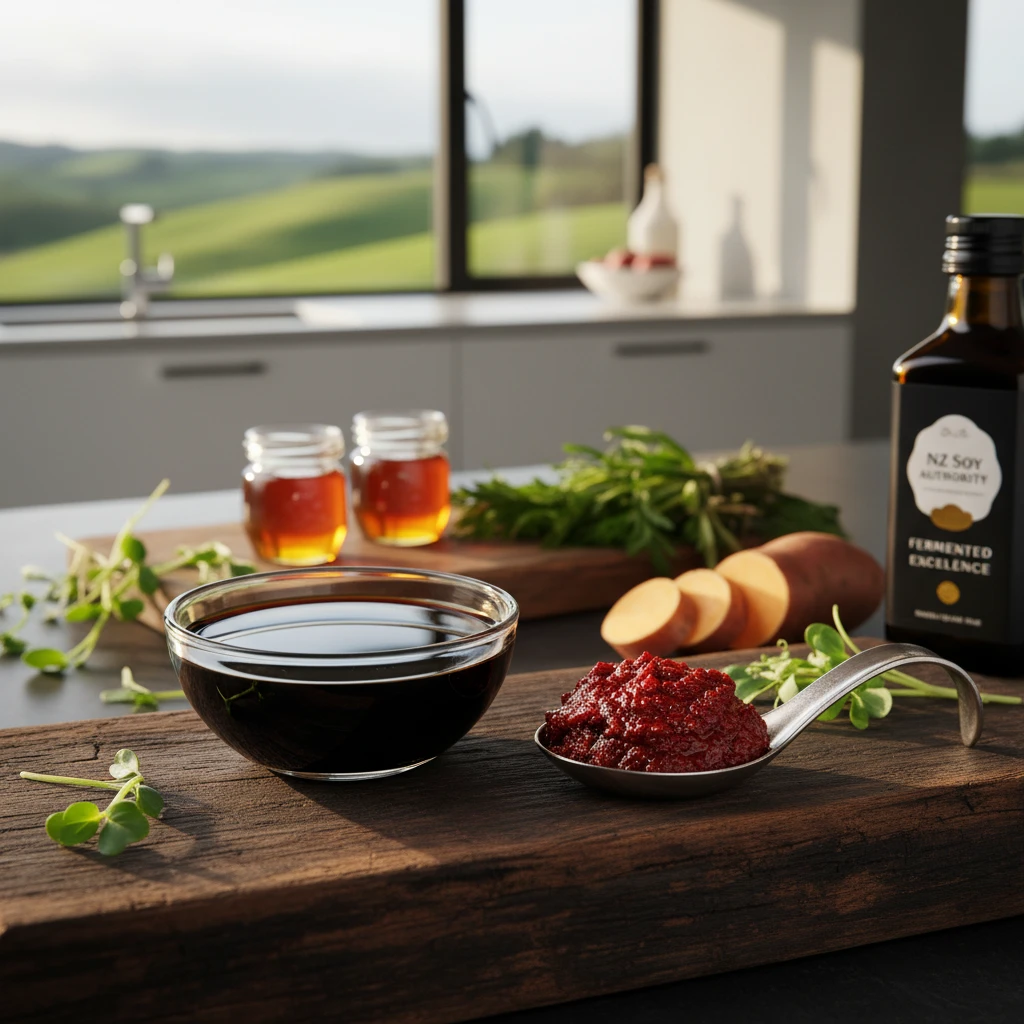
Understanding Gochujang
Gochujang is a fundamental ingredient in Korean cooking. It is a thick, crimson paste made from red chili powder (gochugaru), glutinous rice, fermented soybeans (meju), and salt. Unlike simple hot sauces which often rely on vinegar and immediate heat, gochujang offers a slow-building heat underscored by a deep, earthy sweetness derived from the starches in the glutinous rice during fermentation.
The Quality of NZ Tofu
New Zealand’s soy industry, though smaller than its dairy counterpart, focuses heavily on quality. Local manufacturers often utilize non-GMO beans and traditional coagulation methods. For a recipe centered on gochujang tofu in NZ, the texture of the tofu is paramount. The local variety often leans towards a fresher taste with less “beany” astringency than some mass-produced imported varieties. This neutrality is crucial because it allows the fermentation notes of the gochujang to shine without competition.
Balancing Heat, Sweet, and Soy
The secret to a successful Korean-Kiwi fusion dish lies in the “Golden Ratio” of sauce making. Gochujang on its own can be overpowering—too thick, too salty, and intensely spicy for some palates. To transform it into a glaze suitable for tofu, it must be tempered.
The Triad of Flavour
- Heat (Gochujang): The base. It provides body and spice.
- Savoury (Soy Sauce): Adding liquid soy sauce thins the paste and introduces a different type of salinity—one that is sharper and more immediate than the fermented bean paste.
- Sweet (Honey, Maple, or Brown Sugar): Essential for caramelization. When the tofu hits the hot pan, the sugars help create a sticky, glossy coating that clings to the protein.
In New Zealand kitchens, it is common to see Manuka honey used as the sweetening agent. This adds a distinct floral note that bridges the gap between the Korean paste and the local terroir.
Recipe: Weeknight Gochujang Tofu Stir-fry
This recipe is designed for the busy professional or family cook. It utilizes accessible ingredients found in major NZ supermarkets like Pak’nSave, Countdown, or New World, while delivering restaurant-quality depth.
Ingredients
- Tofu: 2 blocks (approx. 600g) of NZ Firm Tofu, pressed and cubed.
- Aromatics: 1 tbsp minced garlic, 1 tsp grated fresh ginger.
- Vegetables: 1 red capsicum (sliced), 1 cup broccoli florets, 1 red onion (wedged).
- The Sauce:
- 3 tbsp Gochujang paste
- 2 tbsp Soy sauce (low sodium preferred)
- 1 tbsp Sesame oil
- 2 tbsp Brown sugar or Manuka honey
- 1 tbsp Rice vinegar
- 2 tbsp Water (to thin)
- Garnish: Toasted sesame seeds, sliced spring onions.
Method
- Prep the Tofu: Wrap the tofu blocks in a clean tea towel and place a heavy object (like a cast-iron skillet) on top for 20 minutes to remove excess moisture. This step is non-negotiable for achieving crispiness. Cut into 2cm cubes.
- Crisp the Protein: Toss the cubes in cornstarch (cornflour). Heat a generous amount of neutral oil in a wok or large frying pan over medium-high heat. Fry the tofu until golden brown on all sides. Remove and set aside on a wire rack.
- Stir-fry Veggies: In the same pan, add a touch more oil if needed. Sauté the onion, broccoli, and capsicum until tender-crisp (about 3-4 minutes). Add garlic and ginger in the last 30 seconds to prevent burning.
- Sauce and Simmer: Whisk the sauce ingredients together in a small bowl. Pour the mixture into the hot pan with the vegetables. Let it bubble and thicken slightly (approx. 1 minute).
- Combine: Return the crispy tofu to the pan. Toss rapidly to coat every cube in the glossy red sauce.
- Serve: Plate immediately over steamed Jasmine or short-grain rice. Garnish with sesame seeds and spring onions.
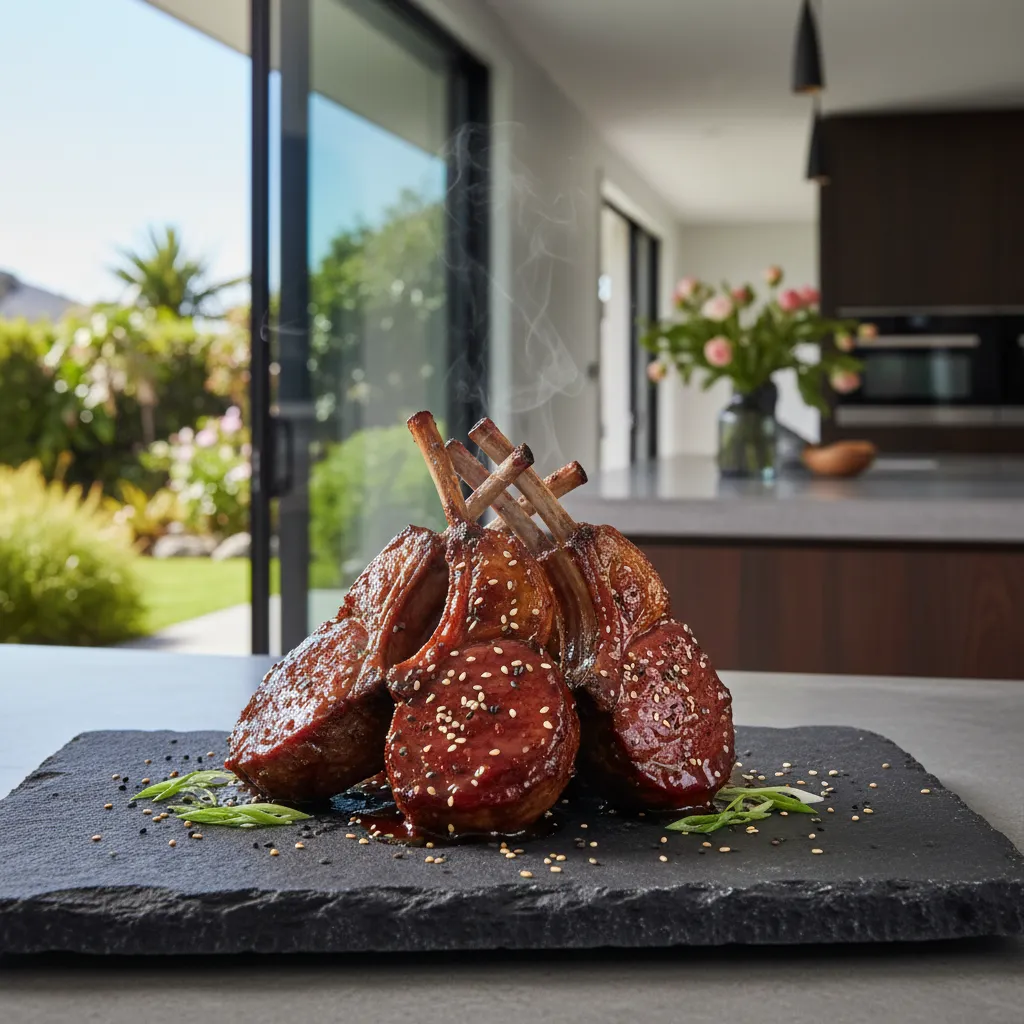
The Modern Fusion Platter: Korean-Kiwi Sliders
Moving beyond the stir-fry, gochujang tofu is an excellent filling for sliders or bao buns, a popular trend in Auckland’s night markets. This recipe adapts the concept for a summer BBQ or a casual dinner party.
Instead of cubes, slice the pressed firm tofu into “steaks” or slabs roughly the size of your slider buns. Marinate these slabs in the gochujang sauce mixture for 30 minutes before grilling or pan-frying. The sugar in the marinade will char beautifully, creating a smoky flavour profile.
The Kiwi Slaw Component
To balance the heat of the tofu steak, pair it with a refreshing slaw. Use NZ cabbage, grated carrot, and Granny Smith apple for acidity. Dress the slaw with a mixture of mayonnaise (or vegan mayo), a splash of lemon juice, and a drop of sesame oil. The creamy, cool slaw cuts through the spicy richness of the tofu, creating a perfectly balanced bite.
Sourcing Ingredients in New Zealand
Ten years ago, finding gochujang might have required a trip to a specialist Asian grocer. Today, the landscape has changed. Most major NZ supermarkets stock gochujang in the international aisle. Look for the distinctive red rectangular tubs.
When selecting tofu, support local. Brands such as Bean Supreme or Tonzu offer excellent organic and firm varieties that hold up well to frying. For those interested in the science of soy and its global impact, reliable sources like Healthline provide extensive data on soy protein profiles.
Health and Nutritional Profile
This fusion is not only delicious but also nutritionally dense. Tofu is a complete protein, containing all nine essential amino acids, which is vital for plant-based diets. It is also a good source of iron and calcium and contains no cholesterol.
Gochujang, being a fermented product, contains beneficial enzymes and probiotics, though cooking can reduce the probiotic count. However, the primary ingredient, chili peppers, contains capsaicin. Capsaicin has been linked to boosting metabolism and reducing inflammation. By combining high-protein NZ soy with the metabolic benefits of chili, this dish serves as a powerful fuel for the body.
Frequently Asked Questions
Is Gochujang vegan?
Traditionally, yes. The primary ingredients are chili powder, rice, fermented soybeans, and salt. However, some commercial brands may include honey or fish extract. Always check the label if you are strictly vegan.
How do I make the tofu crispy without deep frying?
The key is pressing the tofu to remove water and coating it in cornstarch (cornflour). Pan-frying in a moderate amount of oil or using an air fryer at 200°C for 15 minutes will achieve a crispy texture.
What can I substitute for Gochujang?
There is no perfect substitute due to its unique fermented flavour. However, in a pinch, you can mix Sriracha with a little miso paste and brown sugar to approximate the spicy-umami-sweet profile.
Is New Zealand tofu different from other tofu?
NZ tofu is often manufactured using non-GMO beans and adheres to strict food safety standards. Many local consumers find it has a fresher, cleaner taste compared to shelf-stable imported varieties.
How spicy is this dish?
Gochujang has a medium heat level—it is generally less spicy than raw chili peppers but has a lingering warmth. You can adjust the spice level by increasing the amount of soy sauce and sugar in the glaze.
How long does opened Gochujang last?
Because it is fermented, gochujang has a long shelf life. Once opened, keep it refrigerated, and it can last for up to a year without spoiling, though the colour may darken over time.
Embracing gochujang tofu in NZ is more than just following a recipe; it is about participating in the evolving food culture of Aotearoa. It celebrates the diversity of our ingredients and the global influences that make our modern cuisine so exciting. Whether you are a lifelong vegetarian or a meat-eater looking to reduce your intake, this fusion offers a satisfying, flavourful solution.