
GMO vs. Non-GMO Soy: Ecological Differences and Environmental Impacts
An in-depth analysis of the environmental impact of GMO soy versus traditional cultivation methods, exploring chemical footprints, biodiversity loss, and global land-use patterns.
1. Introduction: The Global Soy Complex
Soybeans (Glycine max) have become the cornerstone of global food systems, serving as a primary protein source for livestock and an ubiquitous ingredient in processed foods. However, the meteoric rise of soy production has been fueled largely by the advent of Genetically Modified Organisms (GMOs). Since the mid-1990s, the introduction of glyphosate-resistant soy has fundamentally altered the agricultural landscape. To understand the environmental impact of GMO soy, we must examine how these laboratory-engineered traits interact with natural ecosystems compared to their non-GMO counterparts.
The ecological debate is not merely about the safety of consumption but about the structural changes in how land is managed. While non-GMO soy relies on traditional breeding and diverse weed management strategies, GMO soy is designed for a system of chemical intensive monoculture. This distinction has profound implications for soil microbiology, pollinator health, and the conservation of critical biomes like the Amazon and the Cerrado.
2. Chemical Landscapes: Herbicides and Pesticides
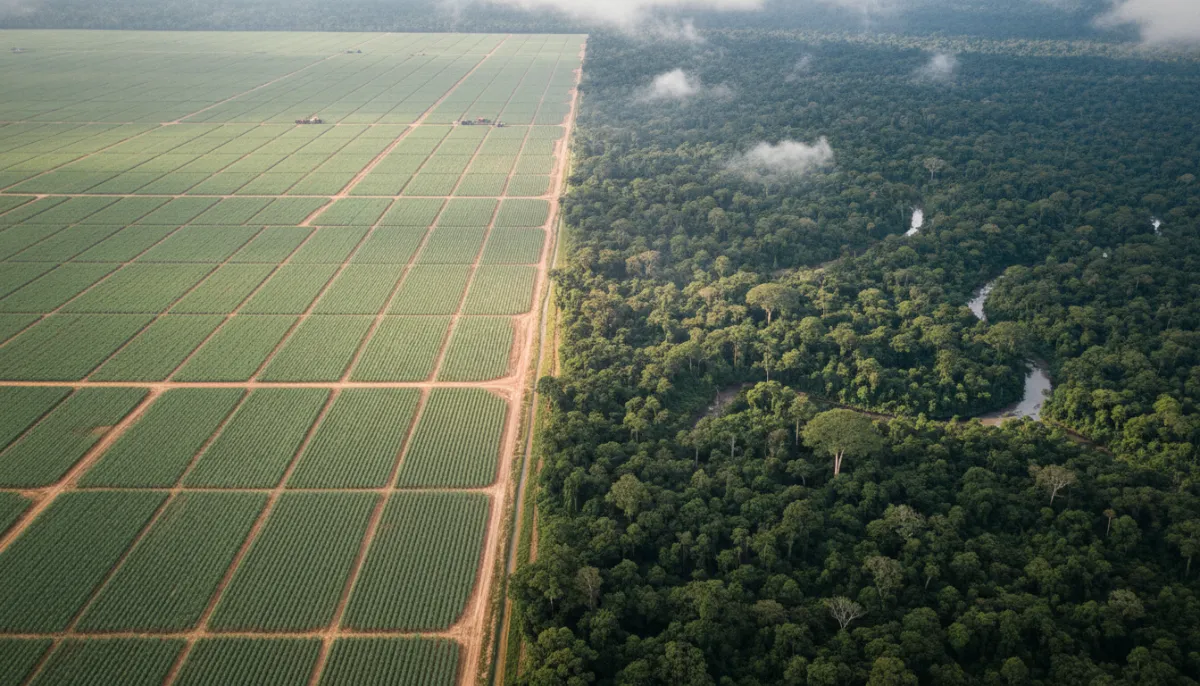
The most significant ecological difference between GMO and non-GMO soy lies in chemical usage. Most GMO soy is “herbicide-tolerant,” meaning the plants can survive direct applications of potent weed-killers like glyphosate (the active ingredient in Roundup) or dicamba. This has led to the “pesticide treadmill” phenomenon.
The Glyphosate Proliferation
Since the adoption of GMO soy, the volume of glyphosate applied to agricultural land has skyrocketed. In the United States alone, the use of glyphosate increased approximately 15-fold between 1996 and 2012. While glyphosate was initially marketed as a safer alternative to older chemicals, its massive scale of application has led to widespread environmental persistence. It binds to soil particles and can leach into groundwater, affecting aquatic ecosystems and non-target plant species.
Evolution of Superweeds
Nature’s response to constant chemical pressure is evolution. The over-reliance on a single herbicide in GMO soy systems has triggered the emergence of “superweeds”—wild plants that have developed resistance to glyphosate. Species like Palmer amaranth now plague millions of acres, forcing farmers to use even more toxic chemical cocktails, such as 2,4-D or dicamba, to maintain yields. Non-GMO systems, which typically employ diverse crop rotations and mechanical weeding, prevent this singular evolutionary pressure, maintaining a more balanced ecological state.
3. Biodiversity and Soil Health
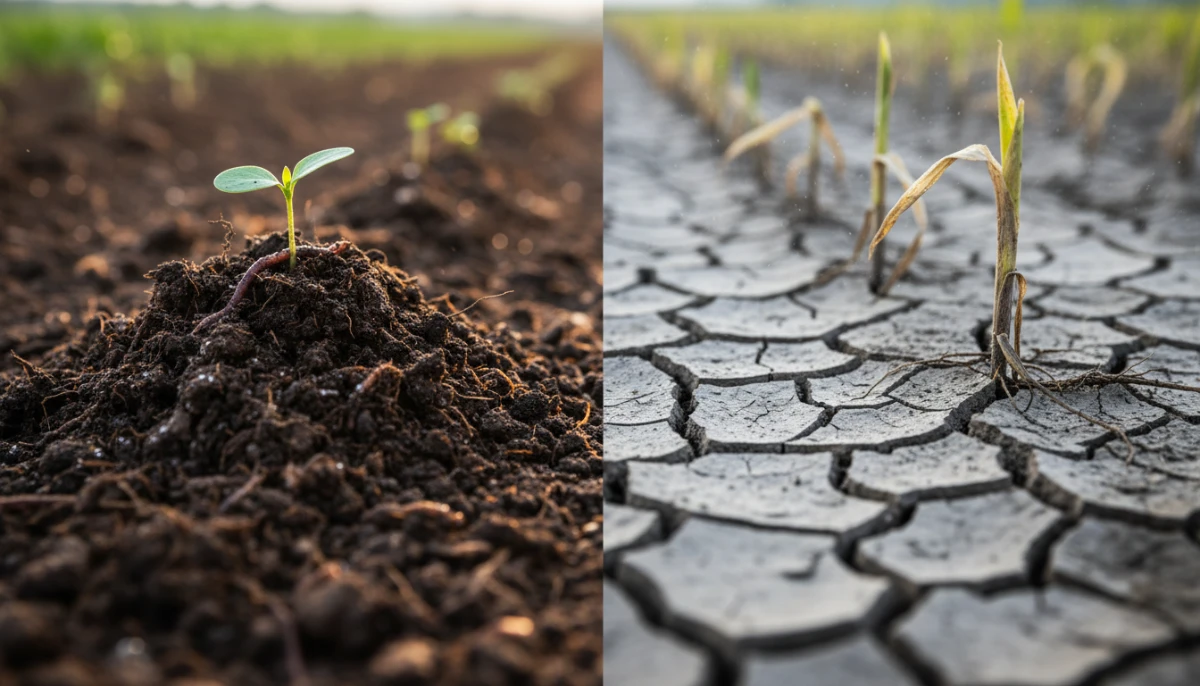
The environmental impact of GMO soy extends beneath the surface. Soil is a living breathing ecosystem of fungi, bacteria, and insects. High-intensity GMO farming often prioritizes chemical sterilization of competition, which disrupts the delicate balance of the soil microbiome. Studies have suggested that heavy glyphosate use can inhibit the growth of beneficial mycorrhizal fungi, which are essential for nutrient uptake and soil structure.
Furthermore, the lack of floral diversity in GMO soy monocultures creates “food deserts” for pollinators. Non-GMO systems, particularly those that are part of organic or regenerative frameworks, encourage the presence of cover crops and hedge-rows. These features provide habitat for bees, butterflies, and predatory insects that act as natural pest controllers, reducing the need for synthetic intervention.
4. Land Use and Deforestation Dynamics
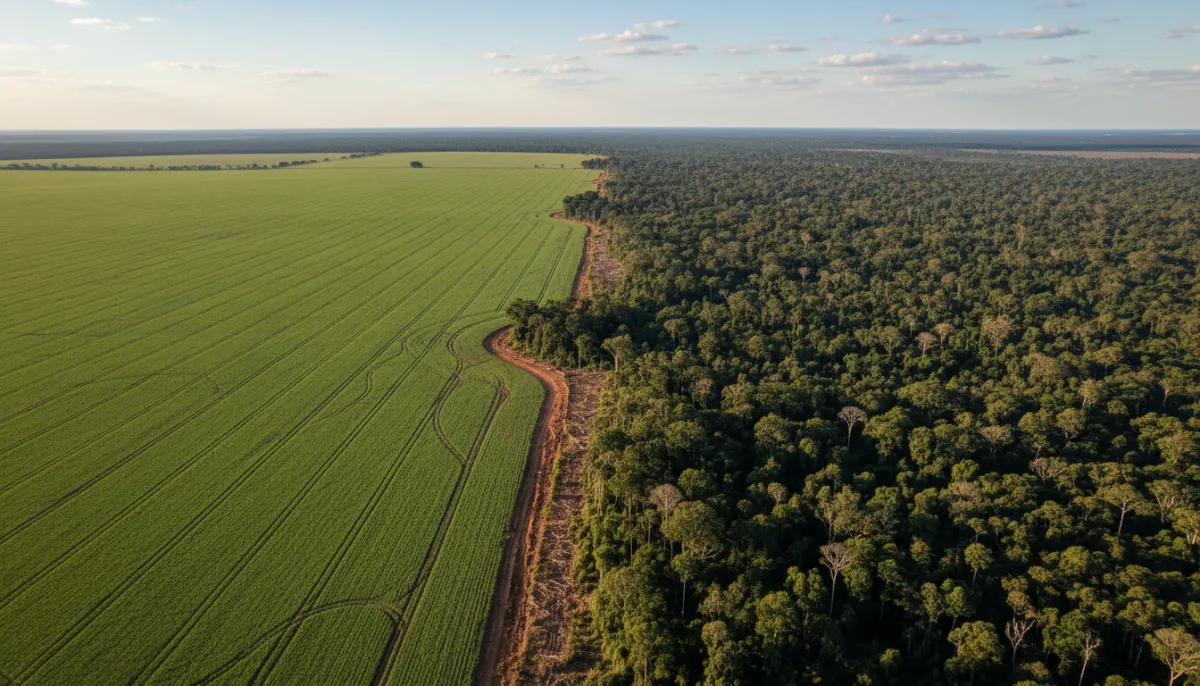
Soy production is a primary driver of deforestation in South America. The ecological difference here is linked to economic scalability. Because GMO soy is easier to manage at a massive industrial scale with minimal labor, it has facilitated the rapid expansion of the agricultural frontier into the Amazon and the Gran Chaco. The profitability of these large-scale GMO operations incentivizes the conversion of carbon-rich forests into carbon-emitting soy fields.
While non-GMO soy can also contribute to land use changes, it is often grown on smaller, more diversified farms that are less prone to the aggressive expansion characteristic of the global GMO soy commodity market. Protecting the biodiversity hotspots of the Cerrado and the Amazon requires a shift away from the monoculture model that GMO technology currently supports.
5. Water Usage and Contamination
The water footprint of soy is significant, but the contamination risk is where GMO systems differ most. In regions where GMO soy dominates, runoff from fields contains high concentrations of herbicides and chemical fertilizers. This runoff enters local river systems, leading to eutrophication—a process where excess nutrients cause algae blooms that deplete oxygen and kill aquatic life.
In contrast, non-GMO farming often emphasizes soil organic matter, which increases the soil’s water-holding capacity. This reduces the need for irrigation and minimizes the amount of contaminated runoff that reaches local watersheds. The resilience of the water cycle is intrinsically tied to the agricultural methods used on the surrounding land.
6. Carbon Footprint and Climate Implications
Agriculture is both a victim and a driver of climate change. The environmental impact of GMO soy on the climate is multi-faceted. On one hand, GMO proponents argue that herbicide-tolerant crops allow for “no-till” farming, which leaves soil undisturbed and sequesters carbon. However, this benefit is often offset by the carbon emissions associated with the production and transport of the synthetic chemicals required to maintain these fields.
Non-GMO systems, specifically those employing regenerative techniques, focus on biological carbon sequestration through cover cropping and complex rotations. These methods not only store carbon but also create a more resilient landscape capable of withstanding the extreme weather events—such as droughts and floods—that are becoming more frequent due to climate change.
7. The Non-GMO Alternative: Ecological Resilience
Choosing non-GMO soy is often a choice for a different agricultural philosophy. Non-GMO cultivation requires more sophisticated knowledge of ecology and pest management. It encourages farmers to work with nature rather than against it. By utilizing crop rotation, farmers can naturally break pest cycles and replenish nitrogen in the soil, reducing the need for synthetic fertilizers which are a major source of nitrous oxide, a potent greenhouse gas.
The ecological resilience of these systems is vital for long-term food security. By maintaining a diverse genetic pool of soy varieties and fostering local biodiversity, non-GMO farming creates a buffer against the systemic failures that can occur in fragile monoculture systems.

8. Frequently Asked Questions (FAQ)
What is the main environmental impact of GMO soy?
The primary impact is the massive increase in herbicide use, specifically glyphosate, which has led to chemical runoff, groundwater contamination, and the evolution of herbicide-resistant superweeds.
Does GMO soy use more or less water than non-GMO?
While the crops themselves use similar amounts of water, non-GMO fields with high soil organic matter often retain moisture better and require less supplemental irrigation.
How does soy production affect the Amazon?
Large-scale GMO soy production is a major driver of land conversion in South America, leading to the loss of critical rainforest habitats and the biodiversity they support.
Is no-till farming only possible with GMOs?
No. While GMOs made no-till easier through chemical weed control, non-GMO and organic farmers use roller-crimpers and cover crops to achieve similar soil protection without the need for synthetic herbicides.