
Global soy fusion is a sophisticated culinary movement that integrates traditional soy-based ingredients—such as miso, tamari, tofu, and tempeh—into diverse international cuisines to elevate flavor profiles and texture. This gastronomic trend bridges the gap between ancient Asian fermentation techniques and modern Western cooking, utilizing the savory power of umami to create complex, innovative dishes that resonate with the contemporary palate.
Blending Traditions: The New NZ Fusion
The culinary landscape of New Zealand has undergone a radical transformation over the past two decades. No longer defined solely by traditional British influences or the classic “meat and three veg,” the Kiwi kitchen has embraced a multicultural identity. At the heart of this evolution is the concept of global soy fusion, a methodology that respects the heritage of soy while applying it to local ingredients and European techniques.
New Zealand’s unique geographic position in the Asia-Pacific region facilitates a natural exchange of culinary ideas. Chefs in Auckland, Wellington, and beyond are increasingly experimenting with cross-cultural pollination. We are seeing a departure from strict authenticity in favor of flavor harmony. It is not uncommon to find a rich, soy-infused jus served alongside a slow-roasted Canterbury lamb, or a miso-butter glaze enhancing the sweetness of roasted Kumara. This is not confusion; it is fusion in its most refined form.

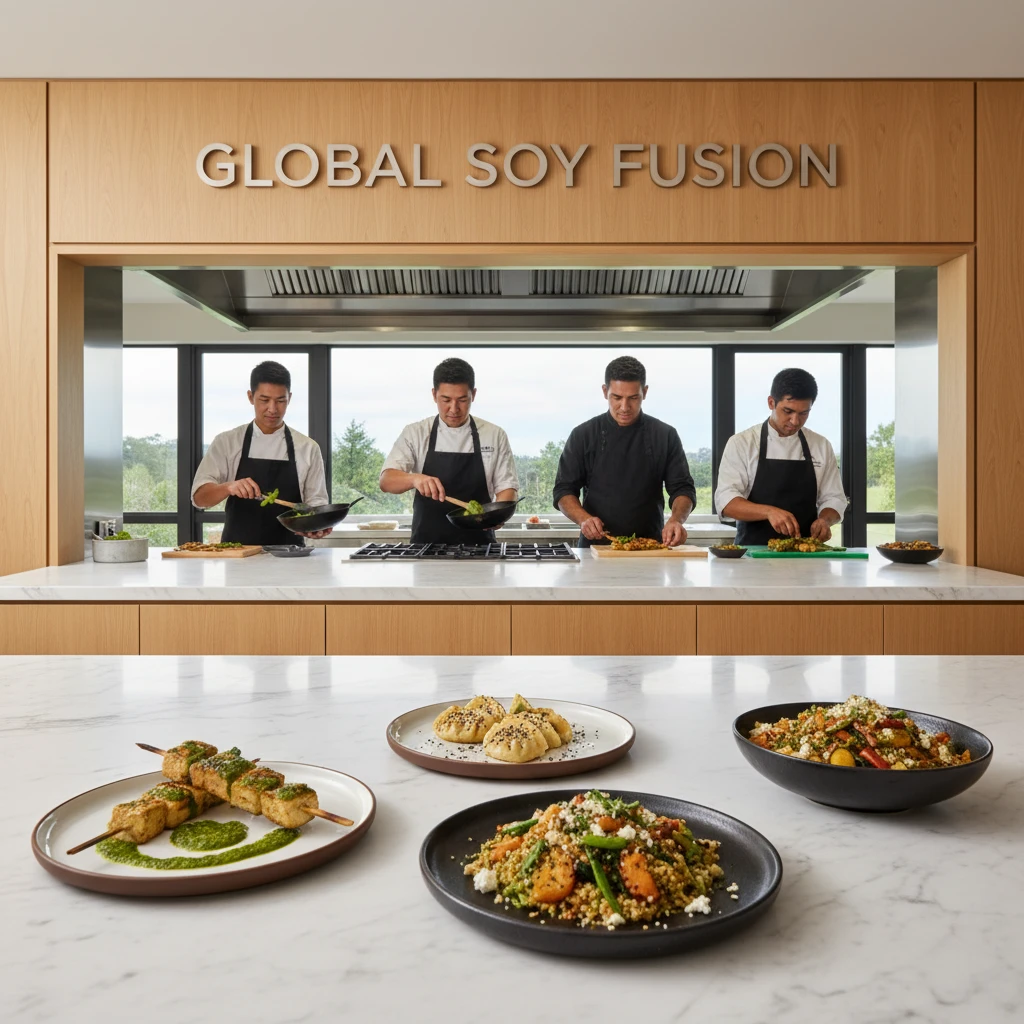
Figure 1: The intersection of Japanese minimalism and New Zealand produce creates visually stunning and palate-pleasing results.
The Kiwi Palate Evolution
The New Zealand palate has become increasingly sophisticated, craving complexity and depth. The integration of soy products offers a solution to the search for “savory deliciousness” without relying heavily on excessive salt or animal fats. The trend is driven by a desire for lighter, cleaner eating that does not compromise on taste. By incorporating fermented soy products, chefs can introduce probiotic benefits and complex flavor notes—ranging from the nutty sweetness of white miso to the deep, chocolate-like bitterness of hatcho miso—into everyday Kiwi dishes.
Soy’s Role in Modern Gastronomy
In modern gastronomy, soy is no longer viewed merely as a meat substitute for vegetarians or a condiment for sushi. It is recognized as a versatile, foundational ingredient capable of altering the structural and flavor dynamics of a dish. The global soy fusion kitchen utilizes the full spectrum of the soybean, exploring its potential in emulsifications, marinades, curing agents, and desserts.
Textural Innovations
One of the most exciting aspects of soy in modern cooking is texture manipulation. Tofu, for instance, is a chameleon. In the hands of a skilled chef, silken tofu can be whipped into a dairy-free chocolate mousse that rivals the finest French patisserie in smoothness. Conversely, firm tofu can be frozen and thawed to create a spongy, meat-like texture that absorbs braising liquids avidly.
Tempeh, a fermented soy cake originating from Indonesia, offers a nutty, firm texture that holds up well to grilling—a favorite pastime in New Zealand culture. By treating tempeh with traditional BBQ rubs or smoking it with Manuka wood chips, cooks can create a plant-based centerpiece that satisfies the carnivorous desire for chew and smoke.
Beyond the Bean: Derivatives and Byproducts
The fusion kitchen also explores soy derivatives. Yuba (tofu skin) is being used to create crispy garnishes or layered into faux-pastries. Okara, the pulp left over from soy milk production, is being upcycled into gluten-free flours or used to add moisture to baked goods. This “nose-to-tail” approach to the soybean aligns perfectly with the modern culinary ethos of waste reduction and ingredient respect.
Umami: The Foundation of Fusion
To understand the success of global soy fusion, one must understand the science of umami. Identified as the fifth basic taste, umami is the savory quality attributed to glutamates, which are abundant in soy products. When soy sauce or miso is added to a dish, it does more than make it salty; it enhances the inherent flavors of the other ingredients through a process known as flavor synergy.
For a deeper dive into the chemical composition of these flavor compounds, resources like the Umami Information Center provide extensive scientific breakdowns of how glutamate interacts with ribonucleotides to magnify taste.
Balancing Salinity and Depth
A critical skill in the global soy fusion kitchen is balancing salinity with depth. Soy sauce contains a significant amount of sodium, but its flavor profile is far more complex than table salt. It brings caramel notes, slight acidity from fermentation, and earthy undertones.
When creating a fusion sauce—for example, a Soy-Balsamic reduction—the chef must account for the reducing volume. As the water evaporates, the umami concentration intensifies. A professional tip is to use low-sodium tamari as a base for reductions to prevent the final product from becoming aggressively salty, allowing the nuances of the fermentation to shine through.
The Maillard Reaction and Soy
Soy products are exceptional accelerators of the Maillard reaction—the chemical reaction between amino acids and reducing sugars that gives browned food its distinctive flavor. Brushing a steak or a roasted vegetable with a thin layer of soy sauce or miso paste before searing promotes rapid, even browning and creates a crust rich in savory compounds. This technique is particularly effective in New Zealand fusion BBQ, where a soy-marinated lamb chop develops a char that is superior in flavor complexity to one seasoned with salt alone.
Advanced Techniques for the Home Chef
Bringing global soy fusion into the home kitchen requires moving beyond stir-fries. Here are several advanced techniques that can be adapted for the enthusiastic home cook looking to impress.
Curing with Miso
Miso curing is a technique where proteins (fish, chicken, or even egg yolks) are encased in a mixture of miso paste and mirin/sake. The salt and enzymes in the miso draw out moisture and break down proteins, resulting in a firmer texture and a concentrated flavor.
Try this: Take a fresh fillet of New Zealand King Salmon. Coat it gently in a mixture of white miso and a teaspoon of sugar. Wrap it in cheesecloth and let it sit in the refrigerator for 24 hours. Wipe off the miso and sear gently. The result is a buttery, deeply seasoned fish that requires no sauce.
Soy Emulsions and Vinaigrettes
Soy sauce can act as a stabilizer in emulsions. A vinaigrette made with soy sauce, rice vinegar, and sesame oil is a classic, but fusion takes it further. Try emulsifying soy milk with oil to create a vegan mayonnaise. The lecithin in soy milk is a powerful emulsifier. Flavor this base with garlic, lemon juice, and a dash of Dijon mustard for a creamy, dairy-free condiment that pairs perfectly with Kiwi fish and chips.
Sourcing International Soy Ingredients in NZ
For the New Zealand cook, sourcing high-quality soy ingredients is the first step toward mastery. While local supermarkets (Countdown, New World, Pak’nSave) have expanded their international aisles, they often stock mass-market brands that may lack the depth of artisanal products.
Specialty Grocers vs. Supermarkets
To truly embrace global soy fusion, one should explore Asian specialty grocers found in major hubs like Auckland, Wellington, and Christchurch. Stores such as Japan Mart or Tai Ping offer a variety of soy sauces (light, dark, tamari, white soy) and misos (aged, barley, rice) that are unavailable in mainstream chains.
Look for soy sauces that list only four ingredients: soybeans, wheat, salt, and water. Avoid products with added caramel color or hydrolyzed vegetable protein, as these are indicators of chemical production rather than traditional fermentation. For those interested in the provenance of their food, seeking out organic or non-GMO certified soy products is crucial.
Local NZ Soy Production
Interestingly, there is a burgeoning market for locally produced soy products. New Zealand artisans are beginning to craft tofu and tempeh using imported non-GMO beans or, in some experimental cases, locally grown pulses. Supporting these local makers not only reduces food miles but often results in a fresher product. Fresh tofu, unlike the vacuum-sealed variety, has a sweet, creamy flavor that is a revelation to the uninitiated.

Sustainability and Nutritional Synergy
The shift toward global soy fusion is also a shift toward sustainability. Soy production, when managed responsibly, has a lower carbon footprint compared to beef or dairy farming. For New Zealand, a nation deeply concerned with environmental stewardship, incorporating more plant-based proteins via soy fusion is a logical step.
From a nutritional standpoint, soy is a complete protein, containing all nine essential amino acids. When fused with Western dietary patterns, it can help reduce the intake of saturated fats. For example, replacing half the beef in a Bolognese sauce with crumbled tempeh or textured vegetable protein (TVP) maintains the hearty texture while significantly improving the nutritional profile.
Furthermore, the fermentation process involved in making miso, tempeh, and natto increases the bioavailability of nutrients and introduces beneficial bacteria to the gut microbiome. This functional aspect of food is becoming a priority for health-conscious Kiwis.
Frequently Asked Questions
1. What is the difference between light and dark soy sauce in fusion cooking?
Light soy sauce is thinner, saltier, and used primarily for seasoning and adding savory depth. Dark soy sauce is thicker, slightly sweeter, and aged longer; it is used mainly for adding color and a rich, molasses-like flavor to braises and sauces. In fusion cooking, use light soy for dressings and dark soy for glazes.
2. Can I use miso paste in desserts?
Absolutely. White miso (Shiro Miso) has a mild, sweet, and salty profile that pairs exceptionally well with caramel, chocolate, and butterscotch. A teaspoon of white miso in a caramel sauce adds a complex “salted caramel” effect that balances the sugar.
3. Is all soy sauce gluten-free?
No. Traditional soy sauce is brewed with wheat. However, Tamari is a Japanese style of soy sauce that is traditionally made with little to no wheat. Always check the label if you are cooking for someone with Celiac disease or gluten intolerance; look specifically for “Gluten-Free” certification.
4. How do I store miso paste?
Miso is a fermented product and is very stable. It should be stored in the refrigerator in an airtight container. Because of its high salt content, it will not freeze solid, so you can also store it in the freezer to extend its shelf life indefinitely without altering its texture.
5. What is “global soy fusion” exactly?
Global soy fusion refers to the culinary practice of incorporating traditional soy ingredients (like tofu, soy sauce, and miso) into non-Asian cuisines. Examples include Soy-Balsamic glazes, Miso-Butter pasta, or Tofu-based cheesecakes. It focuses on using soy to enhance umami in Western dishes.
6. Where can I find high-quality tempeh in New Zealand?
While most major supermarkets stock basic tempeh, high-quality, artisanal tempeh can often be found at organic health food stores (like Huckleberry or Commonsense Organics) or Asian specialty markets. Some local NZ producers also sell fresh tempeh at weekend farmers’ markets.
Conclusion
The global soy fusion movement is more than a fleeting food trend; it is a testament to the evolving, inclusive nature of New Zealand’s culinary identity. By mastering the use of soy ingredients, home cooks and professional chefs alike can unlock a new dimension of flavor, creating dishes that are healthy, sustainable, and profoundly delicious. Whether it is a simple splash of tamari in a Sunday gravy or a complex miso-cured seafood dish, the fusion of East and South offers endless possibilities for the adventurous palate.