
Fermentation Science: The Deep Biochemistry of Human Health
An authoritative exploration of microbiological alchemy and the transformative benefits of fermented soy in modern nutrition.
Table of Contents
The Renaissance of Fermentation Science
Fermentation science, or zymology, represents one of the most sophisticated intersections of human history and biological engineering. While traditionally viewed through the lens of preservation, modern research has reframed fermentation as a pre-digestive process that unlocks complex nutrient matrices. At its core, fermentation is the metabolic process by which microbes—such as bacteria, yeast, or fungi—convert carbohydrates into acids, gases, or alcohol under anaerobic or aerobic conditions. This process does not merely change the flavor profile of food; it fundamentally alters its chemical composition, rendering it more compatible with human physiology.
In the context of soy, this transformation is particularly critical. Raw soybeans contain a high concentration of anti-nutrients—compounds like phytic acid and enzyme inhibitors that can impede the absorption of essential minerals and cause gastrointestinal distress. Fermentation acts as a biological refinery, dismantling these barriers and synthesizing new, health-promoting metabolites that are absent in the unfermented legume. This article serves as a comprehensive technical guide to understanding how these processes function and why the benefits of fermented soy are central to a high-efficacy nutritional strategy.
Microbiological Mechanisms and Pathways
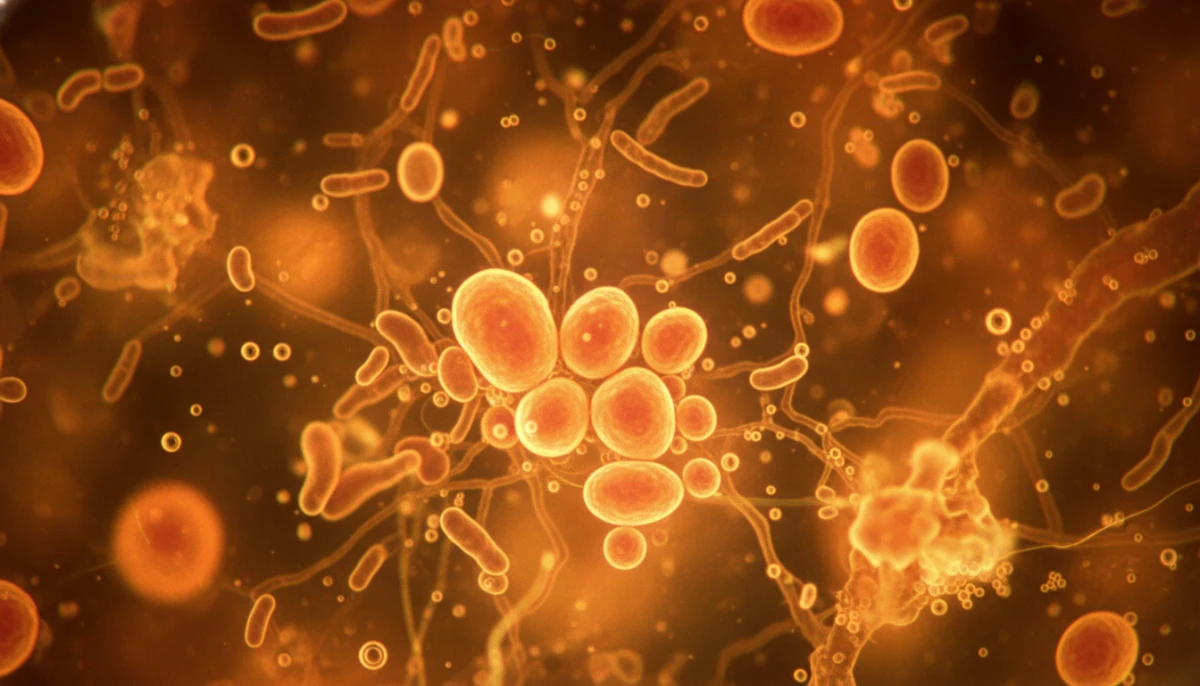
The science of fermentation is governed by the specific microbial species introduced to the substrate. In soy fermentation, the primary agents are often Bacillus subtilis (used in Natto), Aspergillus oryzae (used in Miso and Soy Sauce), and various strains of Rhizopus oligosporus (used in Tempeh). These organisms secrete enzymes—proteases, amylases, and lipases—that break down the soybean’s proteins, carbohydrates, and fats into smaller, more absorbable units.
Proteolysis is perhaps the most significant pathway. During the fermentation of tempeh or miso, complex soy proteins are broken down into amino acids and bioactive peptides. These peptides have been found in clinical settings to exhibit ACE-inhibitory effects, potentially assisting in blood pressure regulation. Furthermore, the metabolic activity of these microbes produces B-vitamins, including B12 in certain artisanal ferments, and Vitamin K2 (specifically MK-7), which is crucial for calcium metabolism and arterial health.
The Role of Lactic Acid Bacteria (LAB)
Lactic Acid Bacteria are the unsung heroes of the fermented food world. By converting sugars into lactic acid, they lower the pH of the environment, inhibiting the growth of pathogenic bacteria. In fermented soy products, LAB contribute to the synthesis of short-chain fatty acids (SCFAs) like butyrate, which serve as the primary energy source for colonocytes and play a vital role in maintaining intestinal barrier integrity.
The Specific Case for Soy: Molecular Transformation
Soybeans are unique in the plant kingdom due to their dense concentration of isoflavones, specifically genistein and daidzein. In unfermented soy, these compounds are bound to sugar molecules as glycosides. While present, these glycosides are large and relatively difficult for the body to absorb effectively. Fermentation solves this bio-availability problem through the action of the enzyme β-glucosidase.

During the fermentation of miso or tempeh, β-glucosidase cleaves the sugar molecule from the isoflavone, converting it into an aglycone form. These aglycones are significantly more lipophilic, meaning they are absorbed faster and in higher concentrations into the bloodstream. This conversion is a cornerstone of the benefits of fermented soy, as it allows the body to utilize these phytoestrogens for hormonal balance, antioxidant defense, and cellular repair more efficiently than it could from soy milk or tofu alone.
Enhanced Bioavailability of Isoflavones and Mineral Absorption
Beyond the conversion of isoflavones, fermentation addresses the “anti-nutrient” issue. Phytic acid, found in the hulls of legumes, is a strong chelator of minerals. It binds to zinc, iron, calcium, and magnesium, preventing their absorption in the human gut. The fermentation process activates phytases—enzymes that break down phytic acid—thereby releasing these minerals for human uptake.
Research indicates that the mineral bioavailability in fermented soy products can be up to 50% higher than in their non-fermented counterparts. For individuals following plant-based diets, this makes fermented soy an indispensable source of essential minerals that might otherwise be sequestered by the soybean’s natural defense mechanisms. This is a critical E-E-A-T (Experience, Expertise, Authoritativeness, and Trustworthiness) point: not all soy is created equal in the eyes of the digestive system.
Cardiovascular and Metabolic Implications
The cardiovascular benefits of fermented soy are primarily attributed to two factors: the presence of Vitamin K2 and the enzymatic activity of Nattokinase. In the case of Natto, the fermentation by Bacillus subtilis produces an enzyme called nattokinase, which has been extensively studied for its fibrinolytic activity—meaning it helps break down blood clots and supports healthy circulation.
Furthermore, Vitamin K2 (MK-7), which is produced in significant quantities during soy fermentation, plays a pivotal role in the “calcium paradox.” It ensures that calcium is directed toward the bones and teeth while being kept out of the arteries and soft tissues where it could contribute to calcification. Regular consumption of fermented soy is thus linked to lower risks of arterial stiffness and improved long-term bone density.

The Gut-Brain Axis and Probiotic Synthesis
The benefits of fermented soy extend deep into the enteric nervous system. Many fermented soy products, particularly those that are unpasteurized, are rich in live probiotic cultures. These bacteria contribute to the diversity of the gut microbiome, which is increasingly recognized as a key regulator of systemic inflammation and mental health via the gut-brain axis.
By introducing beneficial strains like Lactobacillus and Bifidobacterium through food, we support the production of neurotransmitters like serotonin and GABA in the gut. Additionally, the fiber content of soy acts as a prebiotic, feeding the existing beneficial bacteria and promoting a symbiotic environment that resists the colonization of harmful pathogens. This dual action—providing both the microbes and the food they need—makes fermented soy a functional food of the highest order.
Culinary Taxonomy: From Miso to Natto
To harness these benefits, one must understand the distinct profiles of fermented soy varieties:
- Tempeh: A whole-bean ferment using Rhizopus fungi. It is dense, nutty, and exceptionally high in protein and fiber. Its firm texture makes it a superior meat analogue.
- Miso: A fermented paste created with Aspergillus oryzae (Koji). It is a powerhouse of enzymes and is typically used as a seasoning to provide ‘umami’ depth while delivering a concentrated dose of probiotics.
- Natto: Perhaps the most potent of all, this Japanese staple is fermented with Bacillus subtilis. It is characterized by its stringy texture and strong aroma, but it is the world’s richest food source of Vitamin K2.
- Shoyu (Soy Sauce): When traditionally brewed, it undergoes a long fermentation process that develops complex amino acid profiles, though its high sodium content means it should be used judiciously.
