
Essential Soy Sauce and Miso Guide: The Ultimate Miso NZ Resource
Miso is a fermented soybean paste integral to Japanese cuisine, celebrated for its rich umami profile and probiotic benefits. For culinary enthusiasts seeking the best miso NZ has to offer, understanding the spectrum from sweet white miso to robust red varieties is essential for elevating local dishes, from traditional soups to modern fusion marinades.
New Zealand’s culinary landscape has evolved significantly over the past decade, moving beyond traditional staples to embrace a vibrant, multicultural pantry. Central to this shift is the increasing popularity of Japanese fermented ingredients. Whether you are a professional chef in Auckland or a home cook in Queenstown, mastering the nuances of soy sauce and finding high-quality miso NZ suppliers is critical for authentic flavor reproduction. This guide serves as your comprehensive authority on selecting, purchasing, and utilizing these fermented powerhouses within the New Zealand market.
Tamari vs. Shoyu: What’s the Difference?
Before diving into the world of paste, one must understand its liquid counterpart. Soy sauce is the bedrock of Japanese seasoning, but not all bottles on the supermarket shelf are created equal. In New Zealand, the two most prominent varieties available are Shoyu and Tamari. While they may look similar, their production methods, ingredients, and culinary applications differ vastly.
The Brewing Methodology
Shoyu is the general term for Japanese soy sauce. It is traditionally brewed from a mash of equal parts steamed soybeans and roasted wheat, inoculated with Aspergillus oryzae (koji mold), and fermented in brine. The inclusion of wheat is the defining characteristic of Shoyu, contributing to a slightly sweeter, more aromatic profile due to the production of sugars during fermentation. It is the standard all-purpose soy sauce found in most Kiwi kitchens.
Tamari, on the other hand, is often considered the “original” Japanese soy sauce. It is actually a byproduct of miso production. As miso paste ferments, a nutrient-rich liquid pools on the surface; this liquid is Tamari. Historically, it is made almost exclusively from soybeans with little to no wheat. This results in a thicker, darker sauce with a deeper, richer umami flavor and less aromatic sweetness compared to Shoyu.
Gluten Considerations for NZ Consumers
For the health-conscious New Zealand consumer, the distinction between these two is often a matter of dietary necessity. Because Shoyu is brewed with wheat, it contains gluten. Tamari is traditionally gluten-free, making it the preferred choice for those with celiac disease or gluten intolerance. However, buyers must always check the label, as some modern commercial Tamari brands may add trace amounts of wheat for texture or color correction. When sourcing products in NZ, look for certification labels to ensure safety.
The White vs. Red Miso Flavor Profile
Miso is far more complex than the single sachet of instant soup powder might suggest. It is a living ingredient, varying wildly based on the ratio of soybeans to koji (rice, barley, or soybean malt), salt content, and fermentation duration. Understanding these profiles is key to making the right purchase.
Shiro Miso (White Miso)
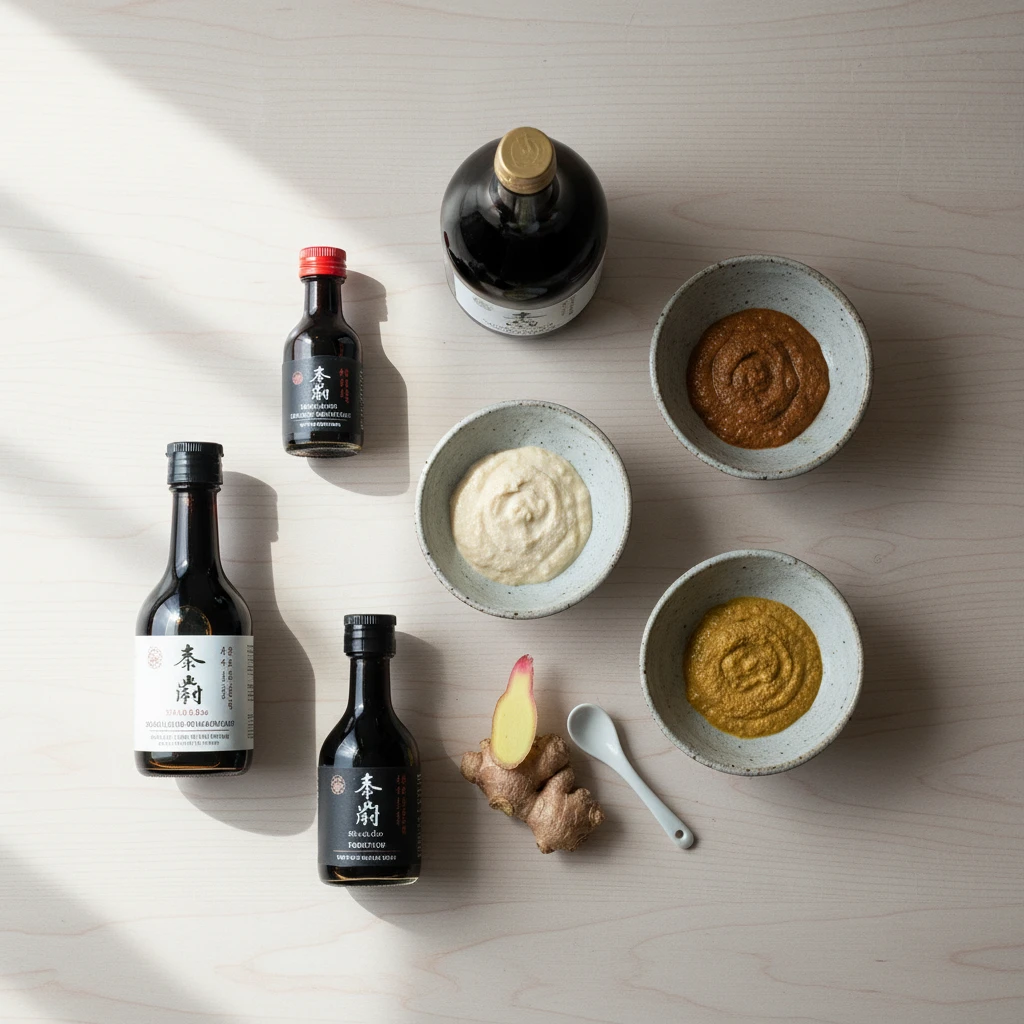
Shiro miso is fermented for a short period, typically two to eight weeks. It contains a higher percentage of rice koji compared to soybeans. The result is a paste that is light beige or yellow in color, with a texture similar to smooth peanut butter. The flavor profile is predominantly sweet and mild, with a subtle saltiness. In New Zealand cuisine, Shiro miso is excellent for salad dressings, light marinades for white fish like Snapper or Tarakihi, and even in dairy-free desserts to add a salted caramel nuance.
Aka Miso (Red Miso)
Aka miso sits on the opposite end of the spectrum. It is fermented for a much longer period, ranging from one to three years. The extended fermentation allows the Maillard reaction to deepen the color to a dark rusty red or brown. The flavor is intense, salty, and pungent, with heavy umami undertones. It requires a confident hand in the kitchen. Aka miso pairs beautifully with rich meats; think of a miso glaze for New Zealand lamb or a robust winter stew. It imparts a savory depth that lighter misos simply cannot achieve.
Awase Miso (Mixed)
For those unsure which to buy, Awase miso is a blend of red and white varieties. It offers the versatility of both—the sweetness of the white and the richness of the red. It is an excellent “all-purpose” miso for the average household.
Sourcing Miso in New Zealand: A Buyer’s Guide
Finding high-quality miso NZ wide can be a journey. While major supermarkets like Countdown, New World, and Pak’nSave stock basic varieties (usually Shiro and instant packets), the serious cook will need to look further afield to find artisanal or authentic imported grades.
When evaluating a miso product available in NZ, look for the following indicators of quality:
- Ingredients: The list should be short—soybeans, rice (or barley), salt, alcohol (for preservation), and koji culture. Avoid brands with high fructose corn syrup, MSG, or artificial flavorings.
- Packaging: Authentic miso is often sold in tubs or sealed plastic bags, not glass jars (though there are exceptions). Look for “unpasteurized” options if you want the probiotic benefits, usually found in the refrigerated section.
- Local Producers: New Zealand has a burgeoning artisan scene. Brands like Urban Hippie produce local miso in Nelson, utilizing NZ-grown ingredients. Supporting these local producers guarantees freshness and supports the local economy.
Regional NZ Specialty Asian Grocers
To access the full range of Japanese condiments, visiting a specialty grocer is a transactional necessity. These stores import directly from Japan, offering brands and varieties not found in mainstream retail.
Auckland: The Import Capital
Auckland hosts the largest concentration of specialty stores. Japan Mart is a premier destination with multiple locations (Newmarket, Sylvia Park, Manukau). They stock an extensive range of miso, from budget-friendly bulk bags to premium, barrel-aged varieties. Tai Ping and Wang Mart also carry significant Japanese sections, often at competitive prices.
Wellington and Christchurch
In Wellington, Haere Mai on Victoria Street is a staple for Japanese goods. They offer a curated selection of soy sauces and misos suitable for both students and gourmet cooks. In Christchurch, Kosco and Japan Mart (Hornby/Riccarton) serve the South Island market. These specialty grocers are vital for purchasing authentic miso NZ chefs trust.
For those in rural areas, many of these stores now offer online delivery nationwide, ensuring that premium Tamari and Red Miso are accessible from Northland to Invercargill.
Proper Storage for Maximum Umami
Once you have purchased your miso and soy sauce, proper storage is crucial to maintain their flavor profiles. Miso is a living food; improper storage can lead to spoilage or flavor degradation.
Combating Oxidation
The enemy of miso is air. Oxidation causes the paste to darken and the flavor to become harsh. After opening a tub of miso, smooth the surface of the remaining paste flat. Press a piece of plastic wrap or parchment paper directly onto the surface of the miso before closing the lid. This creates an airtight seal that prevents the top layer from drying out.
Temperature Control
Miso: Always store opened miso in the refrigerator. While the high salt content acts as a preservative, room temperature storage continues the fermentation process, which can alter the taste and eventually cause it to sour. White miso, with its lower salt content, is particularly susceptible and must be refrigerated.
Soy Sauce: While often left on table counters in restaurants, soy sauce degrades in quality when exposed to heat and light. For the best flavor retention, store your Shoyu and Tamari in the fridge after opening, or at least in a cool, dark cupboard away from the stove.
Culinary Applications for NZ Ingredients
Integrating these Japanese staples into New Zealand cuisine creates exciting fusion possibilities. The umami punch of miso complements the natural flavors of NZ produce exceptionally well.
- Miso Glazed Manuka Salmon: Mix white miso with a teaspoon of Manuka honey and soy sauce. Glaze a fillet of NZ King Salmon and grill. The sugars in the honey and miso caramelize to create a savory-sweet crust.
- Savory Porridge: Stir a teaspoon of red miso into your morning oats or rice porridge (congee). Top with a poached egg and spring onions for a warming winter breakfast.
- Vegetarian Roast Boost: Mix Tamari and melted butter, then toss with Kumara and pumpkin before roasting. The Tamari enhances the earthiness of the root vegetables.
For more scientific insight into how fermentation enhances food preservation and flavor, resources like the The Fermentation Association offer deep dives into the microbiology involved.
Frequently Asked Questions
1. Is miso paste available in standard New Zealand supermarkets?
Yes, most standard supermarkets in New Zealand like Countdown and New World stock basic white miso paste and instant miso soup packets in their international or Asian food aisles. However, for red miso or premium aged varieties, you will likely need to visit a specialty Asian grocer or order online.
2. Can I use red miso instead of white miso in recipes?
It is not recommended to swap them 1:1. Red miso is much saltier and stronger than white miso. If you must substitute red for white, use half the amount requested and taste as you go. Using red miso in delicate dishes like light soups or desserts may overpower the other ingredients.
3. Is all miso paste gluten-free?
Miso is typically made from soybeans and rice (gluten-free) or soybeans and barley (contains gluten). Always check the ingredient label. If you have celiac disease, look for miso made with rice or 100% soybeans, and ensure it is certified gluten-free, as cross-contamination can occur in factories.
4. How long does miso paste last in the fridge?
Due to its high salt content and fermentation, miso has a very long shelf life. When stored properly in the fridge with a seal against the surface, it can last for a year or more. The flavor may evolve and darken over time, but it rarely “spoils” in the traditional sense unless mold appears.
5. What is the best soy sauce for dipping sushi?
Japanese Shoyu is the traditional choice for sushi due to its balance of salinity and sweetness. Tamari is also an excellent choice, particularly for those avoiding gluten, offering a richer, less salty mouthfeel that clings well to the fish.
6. Are there New Zealand-made miso brands?
Yes, there are local artisan producers such as Urban Hippie, based in Nelson, which produces high-quality miso using New Zealand-grown soybeans and rice. Buying local ensures a lower carbon footprint and supports NZ businesses.
Conclusion
Whether you are marinating a leg of lamb or simply looking for a probiotic boost for your morning soup, the quality of your ingredients dictates the quality of your meal. By understanding the differences between Shoyu and Tamari, and navigating the flavor profiles of the miso NZ market has to offer, you empower yourself to cook with confidence. Visit your local specialty grocer, experiment with different fermentation ages, and store your products with care to enjoy the profound depth of umami that these ancient ingredients bring to the modern Kiwi table.