
Is soy healthy nz? Yes, soy is considered a highly nutritious, complete plant protein by major New Zealand health authorities, including the Ministry of Health and the Heart Foundation. Rich in essential amino acids, fiber, and heart-healthy fats, soy foods like tofu, tempeh, and fortified soy milk offer significant benefits for cholesterol management and muscle maintenance without negatively affecting hormone levels in men or women.
The Evolution of Soy in the Kiwi Diet
For decades, the standard New Zealand diet was affectionately summarized as “meat and three veg.” However, the culinary landscape of Aotearoa is undergoing a significant transformation. As more Kiwis adopt flexitarian, vegetarian, and vegan lifestyles, the search for high-quality plant protein has intensified. At the center of this nutritional shift—and the ensuing controversy—stands the humble soybean.
Despite its staple status in Asian cuisines for millennia, soy often faces skepticism in the West. Internet forums and outdated studies have fueled fears regarding hormones, thyroid function, and nutritional absorption. Yet, when we strip away the anecdotal fear-mongering and look at the clinical data, a different picture emerges. Understanding the role of soy is crucial for New Zealanders looking to diversify their protein sources while maintaining optimal health.
This guide serves as a definitive resource for New Zealanders, moving from defensive science to practical daily living, ensuring you can make informed decisions about what goes on your plate.

Scientific Backing: The Nutritional Powerhouse
To understand why soy is a contender for the top spot in plant-based nutrition, we must analyze its biochemical profile. Unlike most plant proteins, soy is a “complete” protein.
The Complete Protein Profile
Proteins are made up of amino acids. There are nine essential amino acids that the human body cannot synthesize on its own; they must be obtained through diet. While animal proteins (meat, dairy, eggs) generally contain all nine, most plants are deficient in one or more. Soy is the exception. It provides all nine essential amino acids in sufficient amounts to meet the physiological requirements of adults and children.
For New Zealand athletes or those leading an active lifestyle, this is a game-changer. It means a tofu stir-fry can support muscle repair and synthesis just as effectively as a chicken breast, provided the caloric intake is matched.
Cardiovascular Benefits
Heart disease remains a leading cause of death in New Zealand. The NZ Heart Foundation explicitly recommends replacing some animal proteins with plant proteins to improve heart health. Soy protein has been shown to lower LDL (bad) cholesterol levels. A meta-analysis published in The Journal of Nutrition confirmed that soy protein consumption is associated with significant reductions in serum cholesterol concentrations.
Furthermore, soy is low in saturated fat and high in polyunsaturated fats, including omega-3 fatty acids, which are vital for reducing inflammation and supporting brain health.
Micronutrient Density
Beyond protein, whole soy foods are rich in vitamins and minerals, including:
- B Vitamins: Essential for energy production.
- Iron: Crucial for oxygen transport (note: plant iron is non-heme, so pair it with Vitamin C sources like capsicum or kiwi fruit for better absorption).
- Zinc: Vital for immune function.
- Potassium: Helps regulate blood pressure.
Debunking the Myths: Hormones, Thyroid, and Cancer
The primary barrier to soy consumption in New Zealand is not taste, but fear. Let’s dismantle the most persistent myths using current scientific consensus.
Myth 1: Soy Causes “Feminization” in Men
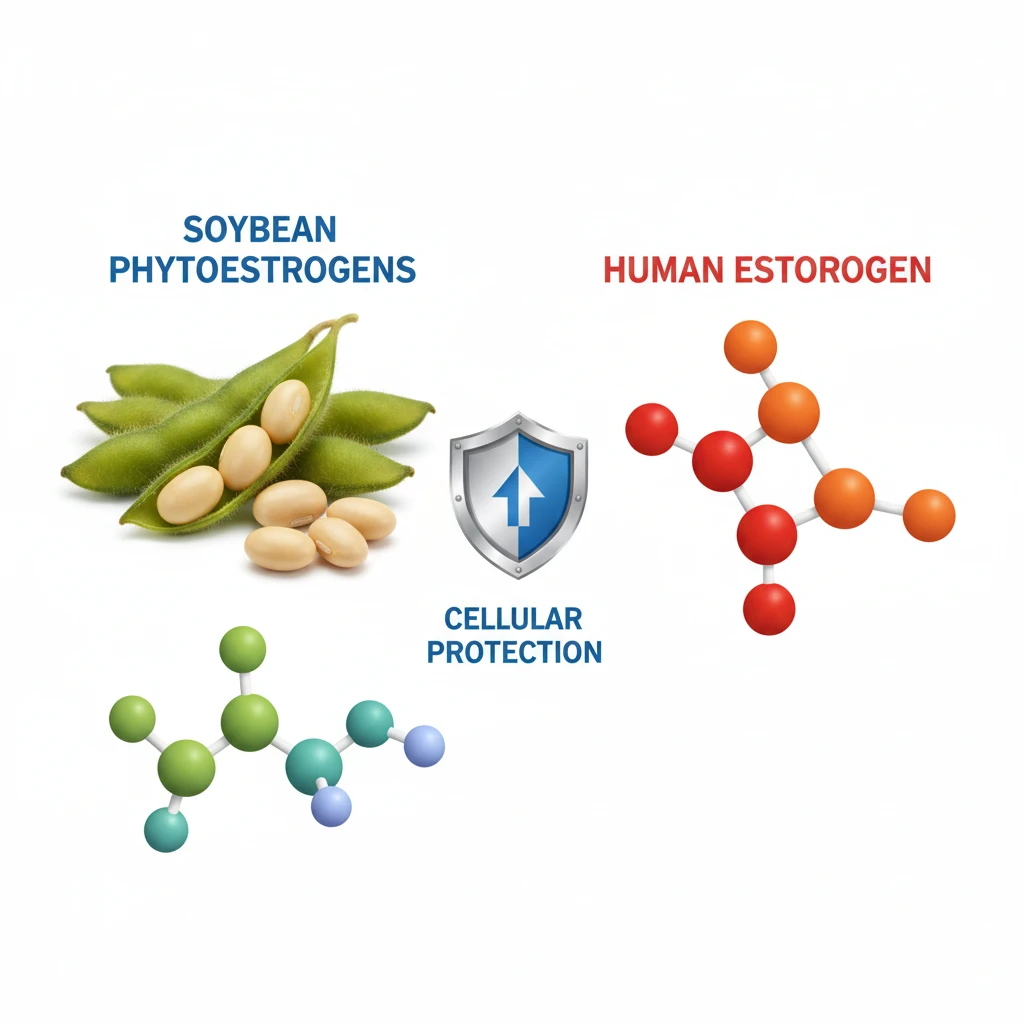
The Fear: Soy contains isoflavones, which are classified as phytoestrogens (plant estrogens). The logic jumps to the conclusion that eating soy will raise estrogen levels in men, leading to gynecomastia (man boobs) and lowered testosterone.
The Reality: Phytoestrogens are not human estrogen. They have a similar chemical structure, which allows them to bind to estrogen receptors, but their effect is much weaker and often different. Extensive clinical studies, including a comprehensive meta-analysis in Fertility and Sterility, found that neither soy foods nor isoflavone supplements affect bioavailable testosterone concentrations in men. You can enjoy your soy latte or tofu burger without fear of hormonal disruption.
Myth 2: Soy is Dangerous for Breast Cancer
The Fear: Since some breast cancers are estrogen-receptor-positive, there is a fear that phytoestrogens could fuel cancer growth.
The Reality: Current research suggests the opposite. The Cancer Society of New Zealand acknowledges that for the general population, and even for breast cancer survivors, moderate soy consumption is safe. In fact, epidemiological studies in Asian populations, where soy consumption is high from childhood, show a lower incidence of breast cancer. The phytoestrogens may actually block more potent human estrogens from binding to receptors, potentially offering a protective effect.
Myth 3: Soy Destroys Your Thyroid
The Fear: Soy contains goitrogens, substances that can interfere with the thyroid gland’s function.
The Reality: This is a nuanced truth. Soy is goitrogenic, but this is only clinically significant in individuals who are iodine deficient. New Zealand soil is notoriously low in iodine, which is why table salt is iodized here. For the vast majority of Kiwis who consume adequate iodine (through iodized salt, seafood, or fortified bread), soy consumption has no adverse effect on thyroid function. If you are on thyroid medication (like thyroxine), doctors simply recommend separating your medication and soy consumption by a few hours to ensure full drug absorption.
Soy vs. Other Plant-Based Proteins
The New Zealand market is flooded with protein options. How does soy stack up against the competition?
Soy vs. Pea Protein
Pea protein is popular in NZ, largely due to the local production of yellow peas. Like soy, it is a high-quality protein, but it is technically not a “complete” protein on its own as it is slightly low in methionine. However, for muscle building, both are excellent. Soy generally has a smoother texture and more neutral taste compared to the earthier profile of pea protein.
Soy vs. Whey Protein
Whey (dairy) is the gold standard for bioavailability. However, it comes with lactose and animal-based saturated fats. Soy is the closest plant-based equivalent to whey in terms of protein digestibility corrected amino acid score (PDCAAS). For those who are lactose intolerant or vegan, soy is the superior bioactive choice.
Sustainability Factors
From an environmental perspective, soy is incredibly efficient. It requires significantly less water and land to produce one kilogram of protein compared to beef or dairy. While there are concerns about soy cultivation driving deforestation in the Amazon, it is important to note that the vast majority (over 75%) of global soy production is used for animal feed. Eating soy directly is far more sustainable than eating the animal that was fed the soy.
Expert Opinions and NZ Dietary Guidelines
When determining “is soy healthy nz,” we must look to our local regulatory bodies.
Food Standards Australia New Zealand (FSANZ)
FSANZ regulates the safety of food in our region. They have thoroughly assessed soy and approved distinct health claims. For example, food manufacturers in NZ can legally state that diets high in soy protein may reduce cholesterol, provided the product meets specific nutrient criteria. This regulatory approval is based on rigorous scientific review.
The NZ Heart Foundation
The Heart Foundation actively encourages the inclusion of legumes and soy products. They highlight soy milk (calcium-fortified) as a suitable alternative to cow’s milk for heart health, particularly for those managing hyperlipidemia.
GMO Concerns in New Zealand
Many Kiwis worry about Genetically Modified Organisms (GMOs). New Zealand has strict regulations regarding the growing of GMO crops—none are grown commercially here. However, imported processed foods may contain GMO soy. In NZ, any food containing novel DNA or protein from a GM source must be labelled. If you buy organic tofu or soy milk made from NZ or Australian grown beans, it is non-GMO. Most major brands of soy milk in NZ supermarkets (like Vitasoy or Sanitarium) explicitly state they use non-GM whole soybeans.
Practical Ways to Include Soy in Your Diet
Integrating soy into a Kiwi lifestyle is easier than ever. Here is how to navigate the supermarket aisle:
Fermented vs. Unfermented
While all soy is good, fermented soy products offer probiotic benefits and increased bioavailability of nutrients.
- Tempeh: A fermented cake of whole soybeans. It has a nutty, meaty texture. Great for BBQs or marinated skewers.
- Miso: Fermented soybean paste. Perfect for soups, dressings, and glazes for roasted vegetables.
- Natto: Sticky, fermented beans. An acquired taste, but incredibly high in Vitamin K2.
Everyday Staples
- Tofu: Comes in silken (for smoothies/desserts) to extra firm (for stir-fries/curries). Press the water out of firm tofu before cooking to allow it to absorb marinades.
- Edamame: Young soybeans in the pod. An excellent high-protein snack or addition to poke bowls.
- Soy Milk: Look for “calcium-fortified” versions to match the bone-health benefits of dairy milk. It is the best plant milk for coffee as it doesn’t curdle as easily as almond milk and creates a creamy microfoam.
By understanding the science and ignoring the myths, New Zealanders can confidently embrace soy as a cornerstone of a healthy, modern diet. Whether you are looking to lower cholesterol, build muscle, or simply reduce your carbon footprint, the soybean is a powerful ally.
Frequently Asked Questions
Does soy affect men’s hormones or lower testosterone?
No, clinical studies show that soy consumption does not lower testosterone or raise estrogen levels in men. The phytoestrogens in soy function differently than human estrogen and do not cause feminization or “man boobs.”
Is soy milk better than cow’s milk for Kiwis?
It depends on your health goals. Soy milk is lower in saturated fat and cholesterol than full-fat cow’s milk, making it better for heart health. It also contains comparable protein levels. However, you should choose calcium-fortified soy milk to ensure bone health.
Is soy in New Zealand Genetically Modified (GMO)?
No GM soy crops are grown in New Zealand. However, imported processed foods may contain GM soy. By law, these must be labelled. Most major soy milk and tofu brands sold in NZ supermarkets use non-GM soybeans.
Can children safely eat soy products?
Yes, soy is safe and nutritious for children. It provides essential protein, calcium (if fortified), and healthy fats. It is a common ingredient in infant formula for babies with cow’s milk allergies, under medical supervision.
Does eating soy increase the risk of breast cancer?
Current research indicates that soy does not increase breast cancer risk. In fact, moderate consumption may be neutral or even protective against breast cancer due to the way isoflavones interact with estrogen receptors.
How much soy is safe to eat daily?
Dietitians generally suggest that 2 to 4 servings of soy foods per day is safe and beneficial. One serving equates to a cup of soy milk, 100g of tofu, or a small cup of edamame beans.