
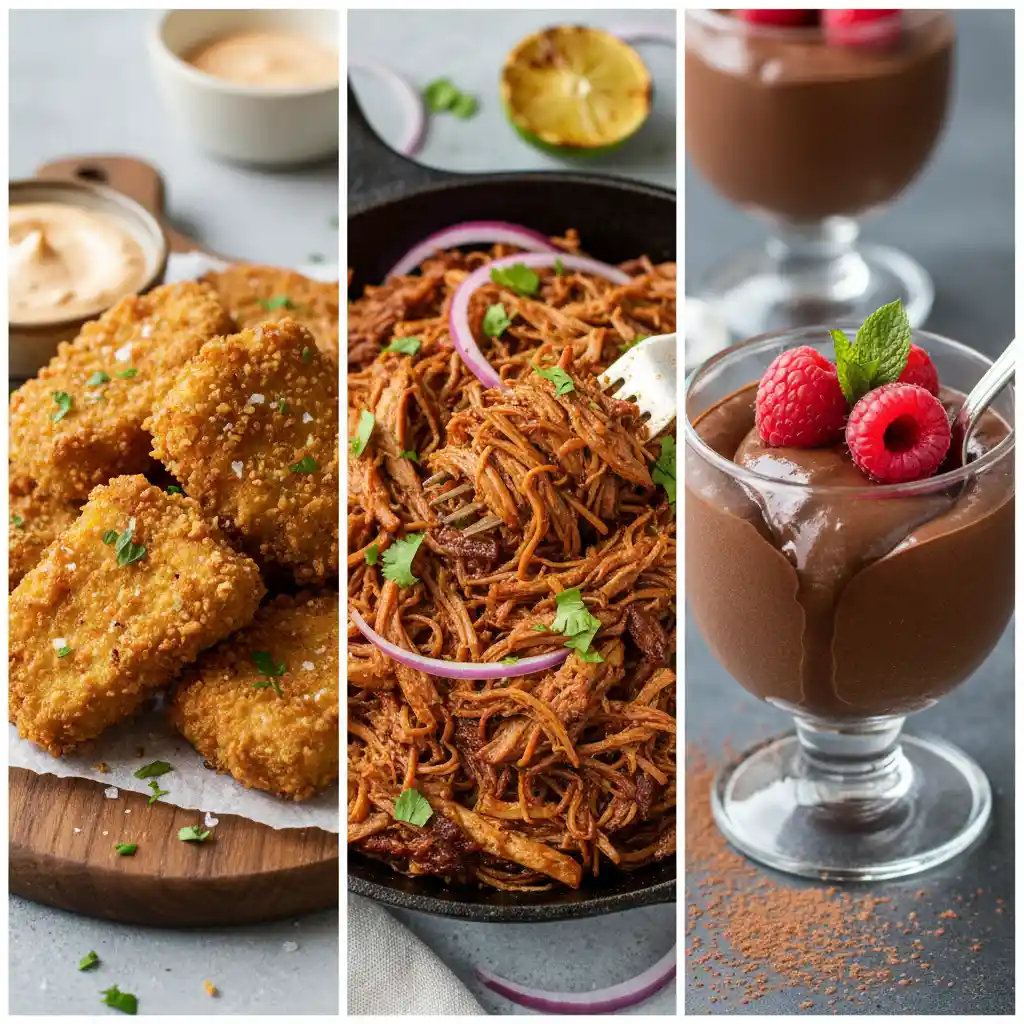
Viral tofu recipes refer to a rapidly evolving collection of innovative preparation techniques—such as freezing, grating, and double-frying—popularized on social media platforms to radically alter the texture and flavor profile of soybeans. To master these trends, home cooks must understand how to manipulate moisture content and protein structures, transforming humble soy blocks into crispy savory bites, meat-like shreds, or decadent, high-protein mousses.
The Evolution of Viral Soy: From Staple to Super-Trend
For centuries, tofu has been a cornerstone of Asian cuisine, revered for its versatility and nutritional density. However, in the digital age, tofu has transcended its traditional boundaries to become a global superstar of the \”edutainment\” sector. The surge in viral tofu recipes is not merely a fad; it represents a fundamental shift in how a new generation—specifically Gen Z and food adventurers—approaches plant-based cooking.
Social media platforms like TikTok and Instagram have democratized food science. Users are no longer just following recipes; they are engaging in culinary engineering. The hashtag #TofuTok has billions of views, showcasing that soy is not a bland meat substitute, but a blank canvas for textural experimentation. This shift is driven by a desire for high-protein, low-cost ingredients that can mimic the mouthfeel of meat or the creaminess of dairy without the associated environmental footprint.
In New Zealand and globally, this trend aligns with a growing consciousness regarding sustainable food systems. As we decode these trends, we move beyond simple cooking instructions into the realm of food physics, exploring how mechanical and thermal stress can unlock flavors previously unimagined in a block of soy curd.
The Science of Texture: Why Tofu Transforms
To truly master viral tofu recipes, one must understand the underlying science. Tofu is essentially a coagulated soy milk curd, held together by a network of proteins and water. The \”viral\” aspect almost always involves altering this network.
The most sought-after characteristic in modern soy cooking is texture. Whether it is the \”crunch\” of a nugget or the \”chew\” of a mock-meat, the goal is to modify the water-to-protein ratio. When tofu is pressed, water is expelled, bringing the proteins closer together, resulting in a firmer bite. However, viral trends take this a step further through methods like freezing and aeration.
According to food science principles, the manipulation of protein denaturation is key. When tofu is subjected to high heat (frying or baking) combined with a starch coating (cornstarch or tapioca), the surface moisture evaporates rapidly, creating a rigid crust while the interior steams. This contrast is the hallmark of a successful viral recipe. For a deeper dive into the chemistry of food structures, resources like Serious Eats’ Food Lab provide excellent scientific context on how hydrocolloids and proteins interact during cooking.
Grated Tofu: The \”Shredded Chicken\” Hack
One of the most pervasive viral tofu recipes of the last year is the \”grated tofu\” technique. This method addresses the common complaint that tofu is too soft or spongy. By taking a block of extra-firm tofu and running it against a box grater, you create fine shreds that mimic the texture of ground meat or pulled chicken.
The Technique
The success of this method relies on surface area. A solid block of tofu has a limited surface area for marinade absorption and crisping. Thousands of tiny shreds, however, increase the surface area exponentially. When these shreds are tossed in spices, soy sauce, and oil, and then baked or air-fried, they dehydrate slightly, becoming chewy and savory.
Culinary Application
This technique is often used to create plant-based taco fillings, pasta sauces (like a tofu Bolognese), or salad toppers. The key is to use extra-firm tofu. Silken or soft varieties will disintegrate into a paste if grated. For the best results, press the tofu for at least 20 minutes before grating to remove excess water, ensuring the shreds crisp up rather than steam in the oven.
The Frozen Tofu Phenomenon: Creating the Honeycomb
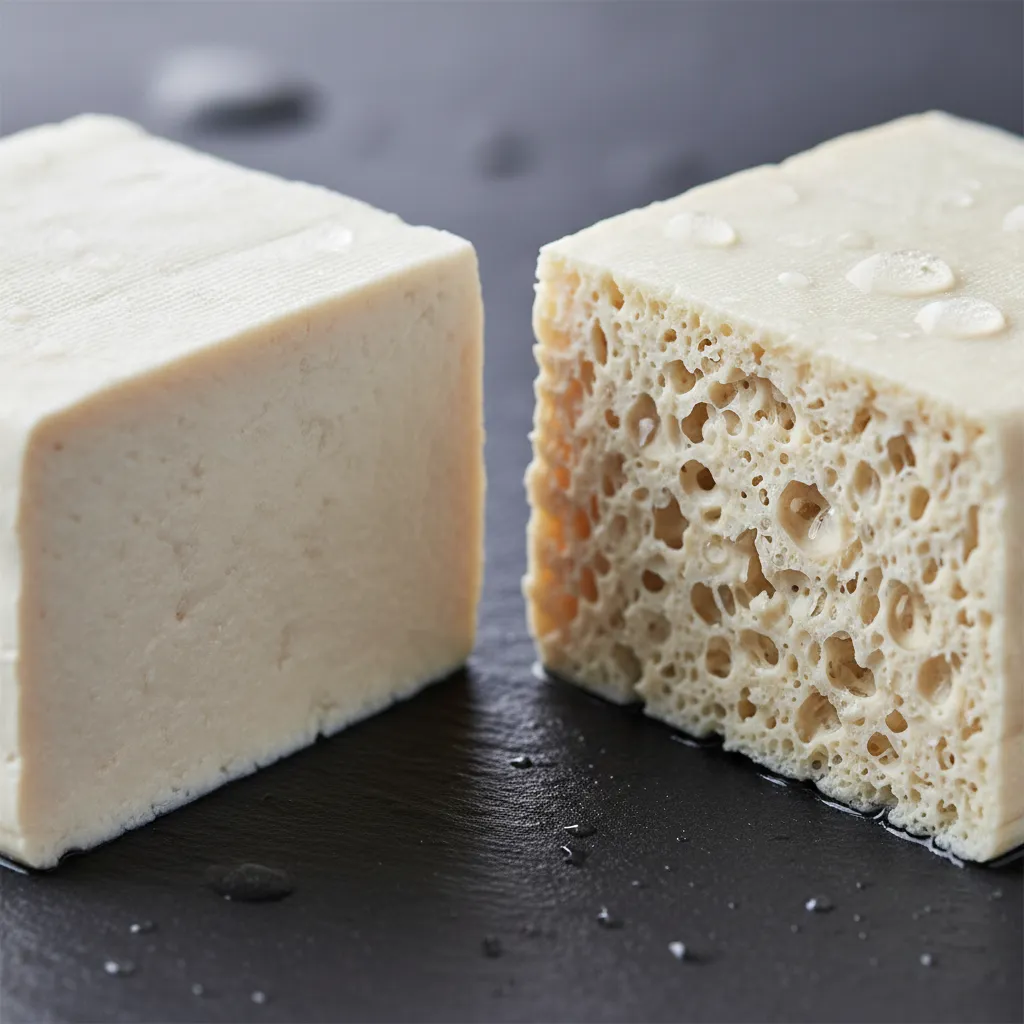
Freezing tofu is perhaps the most transformative hack in the soy arsenal. It changes the cellular structure of the ingredient entirely. Tofu contains a high percentage of water. When you place a block of tofu in the freezer, the water inside turns into ice crystals. As water freezes, it expands.
These expanding ice crystals puncture the protein network, creating large cavities within the curd. Once the tofu is thawed and the water melts away, you are left with a sponge-like structure riddled with holes. This is often referred to as \”honeycomb tofu\” or koya-dofu in traditional Japanese cuisine, though the internet has rebranded it as a meat-mimic hack.
Why It Works for Marinades
The sponge-like texture makes frozen-then-thawed tofu an absorption machine. Unlike fresh tofu, where marinade often sits on the surface, thawed tofu drinks up liquids, pulling flavor deep into the center of the block. It also acquires a chewy, resilient texture that is remarkably similar to chicken.
Silken Tofu Desserts: The Invisible Protein Boost
Moving away from savory crunch, another arm of viral tofu recipes focuses on the emulsifying properties of silken tofu. This variety has a high water content and a custard-like consistency, making it an ideal substitute for heavy cream, eggs, or mascarpone in desserts.
The viral \”2-ingredient chocolate mousse\” is the prime example. By blending melted high-quality dark chocolate with a block of silken tofu, the cocoa butter emulsifies with the soy protein. Upon chilling, the mixture sets into a rich, dense mousse that is completely plant-based and high in protein.
The Edutainment Angle
Content creators often frame this as a \”guilt-free\” hack, but from a culinary perspective, it is a brilliant use of hydrocolloids. The soy lecithin naturally present in the tofu acts as an emulsifier, ensuring the fat and water do not separate. This technique can be extended to cheesecakes, puddings, and even smoothie bowls, proving that soy’s versatility extends far beyond the frying pan.
Rice Paper Tofu Dumplings: The Ultimate Crunch
The convergence of Vietnamese ingredients and modern air-fryer culture gave birth to the rice paper tofu dumpling trend. This recipe involves wrapping seasoned, crumbled tofu (often mixed with vegetables and sesame oil) in wet rice paper, then frying it until blistered and crispy.
This trend highlights the desire for complex textures. The rice paper provides a shattering, glass-like crunch, followed by the chewy, savory interior of the tofu filling. It is a sensory experience that performs exceptionally well on video platforms due to the audible \”crunch\” (ASMR), driving the viral nature of the recipe.
To execute this perfectly, one must avoid over-wetting the rice paper. A quick dip in warm water is sufficient; the paper should still be slightly firm when wrapping, as it will soften further with the moisture from the filling. Double-layering the rice paper prevents bursting during the cooking process.
Sourcing and Sustainability: The New Zealand Standard
While viral trends are global, the execution relies heavily on the quality of ingredients. In the context of the New Zealand lifestyle, there is a strong emphasis on non-GMO and sustainable sourcing. Tofu made from whole, non-GMO soybeans possesses a cleaner, nuttier flavor profile compared to mass-produced varieties using soy isolates.
New Zealand’s agricultural standards are rigorous, and consumers are increasingly looking for soy products that align with these values. When attempting viral recipes, the source of the soy matters. High-quality tofu has better structural integrity, which is crucial when subjecting it to freezing, grating, or deep-frying. Poor quality tofu often crumbles or holds a sour aftertaste that no amount of seasoning can mask.
Furthermore, the environmental impact of soy is a hot topic. It is important to distinguish between soy grown for human consumption (often sustainable) and soy grown for livestock feed (often associated with deforestation). Reputable sources like the World Wildlife Fund (WWF) offer extensive data on responsible soy production, helping consumers make informed choices that support planetary health.
Future Tech: The Next Wave of Soy Innovation
As we look toward the future, the trends we see on social media are merely the tip of the iceberg. The intersection of food technology and soy is rapidly expanding. We are already seeing the emergence of 3D-printed soy structures that can mimic the muscle fibers of Wagyu beef with frightening accuracy.
Fermentation technology is another frontier. Beyond traditional tempeh, labs are using precision fermentation to create soy-based proteins that are molecularly identical to dairy casein, allowing for \”real\” cheese made from soy without the cow. These innovations will likely trickle down into consumer kitchens, sparking the next wave of viral recipes. The \”Soy Authority\” of the future will not just be a cook, but a home scientist, equipped with ingredients designed for specific textural outcomes.

Frequently Asked Questions
What is the grated tofu trend?
The grated tofu trend involves using a box grater to shred a block of extra-firm tofu into thin strips. These shreds are then seasoned and baked or fried to create a chewy, meat-like texture similar to pulled pork or shredded chicken, often used in tacos and stir-fries.
Why should I freeze tofu before cooking?
Freezing tofu causes the water inside the block to form ice crystals, which expand and create small holes in the protein structure. Once thawed and pressed, this results in a sponge-like \”honeycomb\” texture that absorbs marinades significantly better and has a chewier, meatier consistency.
Can you eat raw tofu?
Yes, tofu is technically already cooked during the manufacturing process (soy milk is boiled to make the curds). It can be eaten straight from the package, though the texture and flavor are usually improved by cooking or seasoning. Silken tofu is commonly eaten cold in salads or desserts.
How do I make tofu crispy without deep frying?
To achieve crispy tofu without deep frying, press the tofu to remove excess moisture, tear or cut it into chunks, coat it generously in cornstarch or tapioca starch, and spray it with oil. Air frying or baking at high heat (200°C/400°F) will create a crunchy exterior.
Is tofu good for weight loss?
Tofu is often considered beneficial for weight loss because it is high in protein but relatively low in calories and carbohydrates compared to many animal proteins. The high protein content promotes satiety, helping to reduce overall calorie intake.
What is the best type of tofu for desserts?
Silken tofu is the best choice for desserts. Its high water content and soft, custard-like texture allow it to blend perfectly into mousses, puddings, cheesecakes, and smoothies, providing creaminess without a grainy texture.