
The Great Soy Debate in New Zealand
In the aisles of New Zealand supermarkets, from Countdown to specialized health food stores, the presence of soy products has exploded over the last decade. Whether it is a soy flat white ordered at a Wellington café or a block of firm tofu for a family stir-fry, soy has become a staple in the Kiwi diet. However, alongside its rise in popularity, a shadow of confusion persists. For every study praising soy as a heart-healthy superfood, there seems to be a blog post or social media thread demonizing it as a hormonal disruptor.
Navigating the landscape of soy myths facts NZ requires separating anecdotal fear-mongering from rigorous clinical evidence. Is soy safe for men? Does it disrupt thyroid function? Is it suitable for children? These are valid questions, particularly in the context of New Zealand’s specific health demographics, such as our known soil iodine deficiency.
This comprehensive guide serves as an authoritative resource for the New Zealand Soy Lifestyle & Medical Integration Hub. We will dismantle the myths, explore the biochemistry of isoflavones, and provide a clear, evidence-based verdict on whether soy is safe for everyone.

Soy and Hormones Explained: The Phytoestrogen Reality
The most pervasive myth surrounding soy is that it contains estrogen and, therefore, feminizes men and causes hormonal havoc in women. To understand why this is scientifically inaccurate, we must distinguish between estrogen (the animal hormone) and phytoestrogens (plant compounds).
Understanding Isoflavones
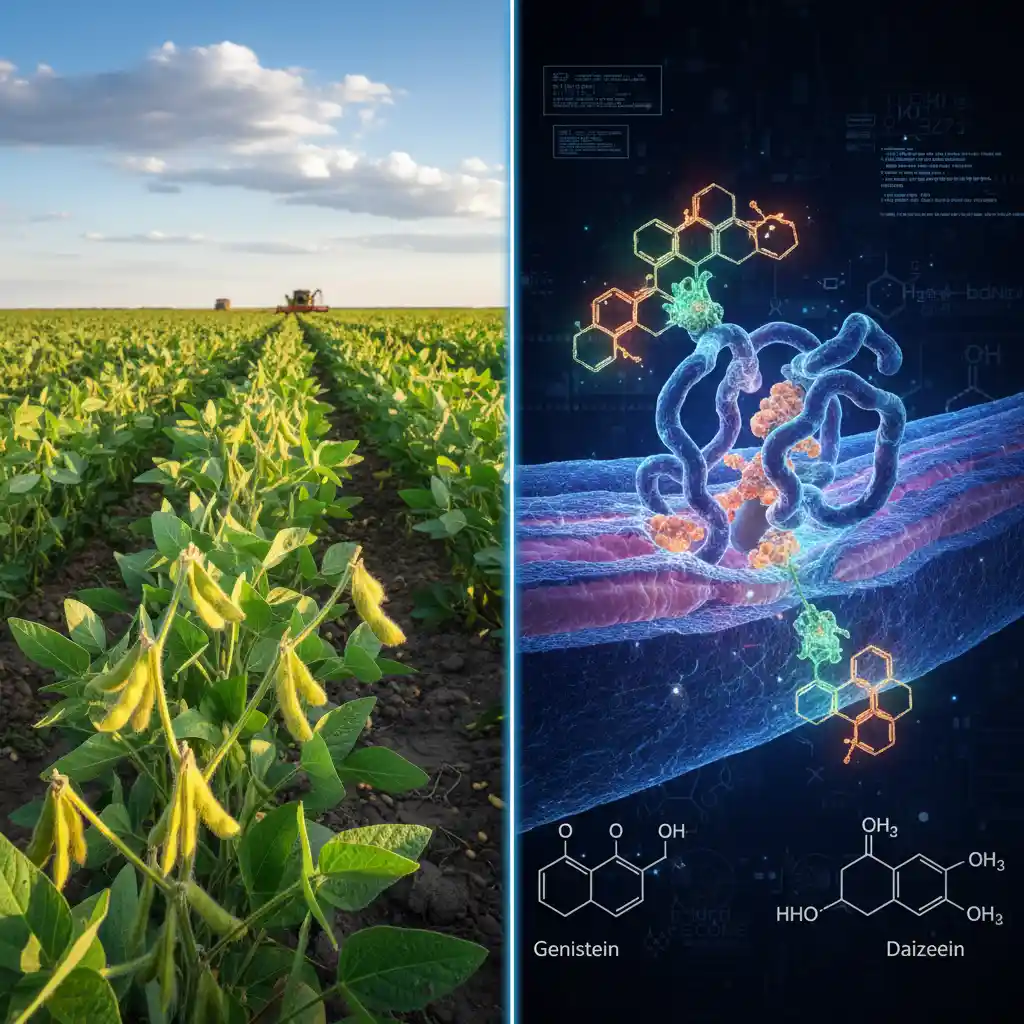
Soy is rich in isoflavones, a class of phytoestrogens. Structurally, these compounds look somewhat like human estrogen (17͢-estradiol), but they function very differently. Human cells have two types of estrogen receptors: alpha (α) and beta (β).
- Alpha Receptors: Often associated with cell proliferation (e.g., in breast tissue).
- Beta Receptors: Often associated with antiproliferative effects and bone health.
Isoflavones are Selective Estrogen Receptor Modulators (SERMs). They have a high affinity for beta receptors and a very weak affinity for alpha receptors. This means that in some parts of the body, soy can mimic estrogen (benefiting bone density), while in others, it can block estrogen’s effects (potentially reducing cancer risk).
“Equating soy isoflavones with human estrogen is a fundamental error in biochemistry. The body processes them through different pathways, and their effect is much weaker and more selective than the potent hormones our bodies produce endogenously.”
The “Feminization” Myth
Concerns that soy consumption lowers testosterone or causes gynecomastia (enlarged breasts) in men have been extensively studied. Meta-analyses of clinical studies have consistently shown that neither soy foods nor isoflavone supplements affect testosterone levels in men. The widely circulated anecdotes usually involve individuals consuming astronomical amounts of processed soy (e.g., 3 quarts of soy milk daily), which represents an unbalanced diet rather than a specific danger of soy itself.
Addressing Common Concerns: Thyroid, Cancer, and Men’s Health
Beyond the general hormone debate, there are specific medical concerns that often deter New Zealanders from incorporating soy into their diets. Let us address these with current medical consensus.
1. Soy and Thyroid Health
This is particularly relevant for New Zealand, a country with historically iodine-deficient soils. The concern is that soy is “goitrogenic,” meaning it can interfere with thyroid function. Research indicates that soy does not adversely affect thyroid function in people with a healthy thyroid and adequate iodine intake.
However, for those on thyroid medication (like Levothyroxine), soy can interfere with the absorption of the drug. The solution is not to ban soy but to manage timing. Endocrinologists generally recommend waiting at least 4 hours after taking thyroid medication before consuming soy products.
2. Breast Cancer Risks
Early animal studies suggested soy might stimulate tumor growth, causing alarm. However, humans metabolize isoflavones differently than rodents. Extensive human epidemiological studies, particularly in Asian populations where soy intake is high, show that soy consumption is linked to a lower risk of breast cancer recurrence and mortality.
The current stance of major cancer organizations is that moderate soy consumption is safe for breast cancer survivors. The “anti-estrogenic” effect on alpha receptors may actually offer a protective mechanism.
3. Antinutrients
Critics often point out that soy contains phytates and lectins, termed “antinutrients,” which can reduce mineral absorption. While true, these are found in almost all legumes and grains. Soaking, cooking, and fermenting soy (processes used to make tofu, tempeh, and miso) significantly reduce these compounds. Furthermore, for those eating a balanced Western diet, the reduction in mineral absorption is negligible compared to the health benefits provided.
The Nutritional Powerhouse: Why Eat Soy?
Setting aside the myths, it is vital to recognize why soy is a cornerstone of plant-based nutrition. It is one of the few plant foods that offer a complete protein profile, containing all nine essential amino acids necessary for human health.
Key Nutritional Highlights (per 100g of Firm Tofu):
- High-Quality Protein: Comparable to animal protein in biological value.
- Heart Health: Low in saturated fat and high in polyunsaturated fats.
- Fiber: Essential for digestive health and blood sugar regulation.
- Minerals: A good source of calcium (especially calcium-set tofu), iron, magnesium, and potassium.
For New Zealanders looking to reduce their intake of red meat—which is linked to colorectal cancer and heart disease—soy offers a sustainable and heart-healthy alternative without sacrificing protein quality.
Pros and Cons: A Balanced Perspective
To provide a transparent view for the New Zealand Soy Lifestyle & Medical Integration Hub, we have compiled a definitive list of pros and cons based on current medical literature.
| Pros (Benefits) | Cons (Potential Drawbacks) |
|---|---|
| Complete Protein: Contains all essential amino acids. | Allergen Risk: Soy is one of the top 8 food allergens. |
| Cholesterol Lowering: Proven to reduce LDL (bad) cholesterol. | Thyroid Interference: Can inhibit medication absorption if timed poorly. |
| Bone Health: Isoflavones may improve bone density in post-menopausal women. | GMO Concerns: Much global soy is genetically modified (though organic options exist). |
| Menopause Relief: Can reduce the severity of hot flashes. | Digestive Issues: Some people experience bloating due to oligosaccharides. |
| Versatility: Can be processed into milk, meat alternatives, or eaten whole. | Processing Levels: Highly processed soy isolates lack the nutrients of whole foods. |
Expert Opinions and NZ Health Guidelines
What do the authorities say? The consensus among major health organizations is overwhelmingly positive regarding moderate soy consumption.
The New Zealand Heart Foundation
The NZ Heart Foundation explicitly recommends legumes, including soy, as a heart-healthy food source. They advocate for replacing some meat meals with plant-based proteins to lower saturated fat intake and improve cardiovascular outcomes.
Dietitians and Medical Professionals
Registered dietitians in New Zealand generally advise focusing on whole soy foods rather than highly processed supplements. The distinction is important:
- Recommended: Edamame, Tofu, Tempeh, Miso, Unsweetened Soy Milk.
- Consume in Moderation: Soy protein isolate powders, highly processed mock meats with high sodium.
Fermented vs. Unfermented
Many health experts advocate for fermented soy products (like Tempeh and Miso). Fermentation breaks down antinutrients like phytic acid, making the minerals easier to absorb and providing probiotic benefits for gut health. This aligns with traditional Asian consumption patterns, which have been associated with longevity.

Conclusion: Is Soy Safe for You?
After reviewing the biochemical evidence, clinical trials, and expert guidelines, the verdict for the vast majority of New Zealanders is clear: Soy is safe, nutritious, and beneficial.
The fears surrounding soy are largely rooted in outdated science and misinterpretations of animal studies. For the general population, including men and children, moderate consumption of soy (1-3 servings daily) offers a high-quality protein source that supports heart health and may reduce cancer risk.
Exceptions exist only for those with a specific soy allergy or those who need to carefully time their thyroid medication. By choosing whole, minimally processed, or fermented soy foods, Kiwis can confidently integrate this ancient superfood into a modern, healthy lifestyle.
Frequently Asked Questions
Does eating soy increase estrogen levels in men?
No. Soy contains phytoestrogens, which are plant compounds that behave differently than human estrogen. Clinical studies show that soy intake does not alter testosterone or estrogen levels in men and does not cause feminization.
Is soy safe for women with a history of breast cancer?
Yes. Current research from the American Cancer Society and other major health organizations indicates that moderate soy consumption is safe for breast cancer survivors and may even lower the risk of recurrence.
Should I avoid soy if I have thyroid issues?
Not necessarily. Soy does not cause thyroid disease in people with adequate iodine intake. However, if you take medication for hypothyroidism, you should wait at least 4 hours after taking your medication before eating soy to ensure proper absorption.
What is the healthiest way to eat soy?
The healthiest options are whole or fermented soy foods, such as edamame, tofu, tempeh, and miso. These forms retain the most nutrients and, in the case of fermented options, offer better digestibility.
Is soy milk better than cow’s milk?
Nutritionally, fortified soy milk is the closest plant-based equivalent to cow’s milk in terms of protein content. It is lower in saturated fat and cholesterol-free, making it a heart-healthy alternative, though calcium fortification is important to look for.