
Bulk Buying & Budget: Maximizing Value with Organic Soybeans
The definitive commercial guide to sourcing cheap bulk organic soybeans in NZ without compromising on quality or certification standards.
1. The Economic Landscape of Bulk Procurement
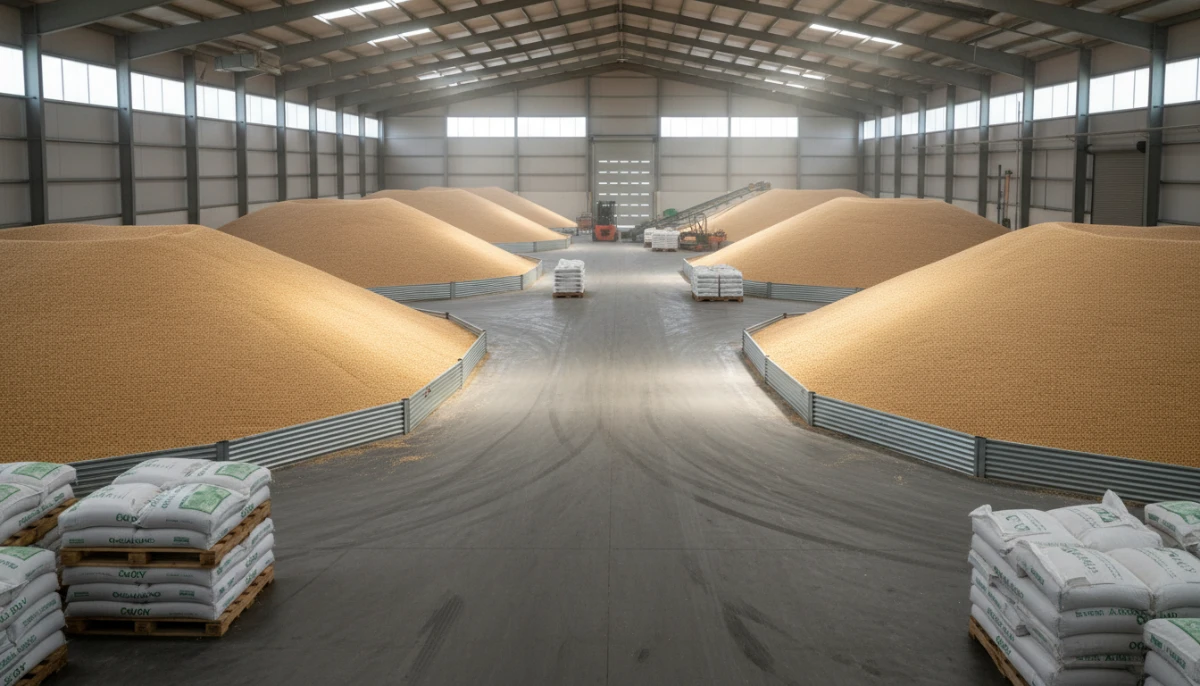
In the contemporary New Zealand food industry, the shift toward plant-based proteins has accelerated. For commercial kitchens, food manufacturers, and health-conscious cooperatives, procurement strategies have moved beyond simple purchasing to complex supply chain management. The primary driver for searching for cheap bulk organic soybeans nz is the necessity to balance competitive retail pricing with the high overheads of organic certification.
The Economies of Scale
Procuring soybeans in quantities exceeding 500kg allows for a significant reduction in the Price Per Kilogram (PPK). Retail prices for organic soybeans often hover between $8.00 and $12.00 per kg. Conversely, wholesale bulk procurement can drive this cost down to a range of $3.50 to $5.50 per kg, depending on market volatility and seasonal yields. This represents a margin improvement of over 50%, which is critical for businesses producing soy-based products like tofu, tempeh, or soy milk.
Beyond the unit cost, bulk buying reduces the ‘hidden costs’ of procurement. These include reduced administrative time for processing orders, lower shipping frequencies which cut carbon footprints and logistics fees, and a minimized risk of stockouts during high-demand periods.
2. Sourcing Cheap Bulk Organic Soybeans in NZ
Finding affordable organic soybeans within the New Zealand market requires a multi-faceted approach. While NZ does produce some legumes, the majority of organic soybeans are imported from regions with established organic soy industries, such as parts of Asia or the Americas. However, sourcing locally via NZ-based wholesalers ensures compliance with local biosecurity and organic standards.
Wholesale Channels vs. Direct Import
For most small to medium-sized enterprises (SMEs), working with a dedicated NZ wholesaler is the most cost-effective route. These entities handle the complexities of GST, customs clearance, and Biosecurity New Zealand (MPI) inspections. When looking for the best deals, consider the following avenues:
- National Grain Brokers: Often have the largest stock of organic non-GMO soybeans suitable for human consumption.
- Organic Food Cooperatives: Ideal for smaller commercial entities that cannot fulfill a full container load (FCL) but want to benefit from group buying power.
- Direct Farm Partnerships: Rare in NZ for soybeans but highly lucrative for other legumes; keep an eye on emerging South Island organic soy trials.

3. Quality Assurance and Organic Certification
When the objective is to find “cheap” bulk options, there is a systemic risk of compromising on quality. In the organic sector, the term “organic” is legally protected. In New Zealand, verification by bodies such as BioGro or AsureQuality is the gold standard.
The Importance of Non-GMO Verification
Soybeans are one of the most genetically modified crops globally. For the organic buyer, ensuring a non-GMO status is paramount. Cheap bulk organic soybeans must be accompanied by a COA (Certificate of Analysis) and valid organic certification documents that track the product from the farm to the NZ warehouse. Without this audit trail, the product cannot be legally sold as organic in NZ, potentially leading to significant legal and brand repercussions.
Key Quality Metrics:
- Moisture Content: Should be below 13% to prevent mold growth during bulk storage.
- Foreign Matter: Minimal presence of stones, stalks, or other seeds.
- Protein Percentage: Crucial for manufacturers; organic soybeans usually range from 35% to 40% protein content.
4. Storage, Logistics, and Shelf-Life Optimization
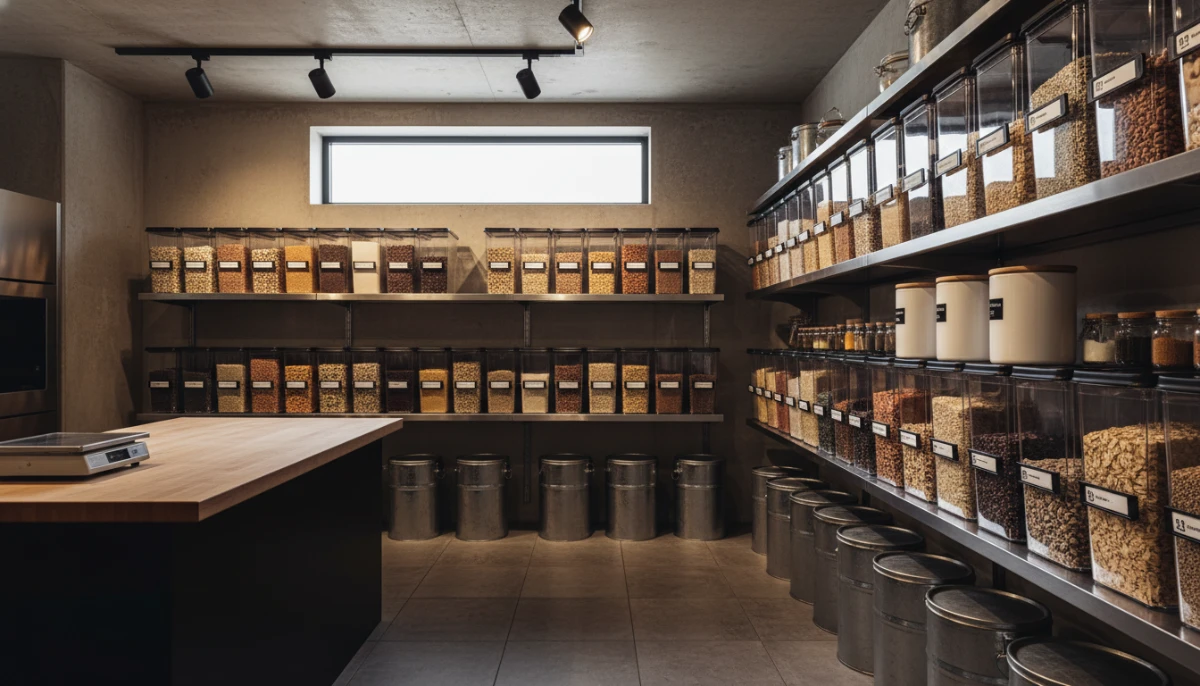
The primary challenge of bulk buying is not just the purchase price, but the cost of carrying inventory. Proper storage is essential to maintain the integrity of the soybeans and prevent the loss of your investment through spoilage or pest infestation.
Environmental Controls
Soybeans should be stored in a cool, dry environment. In the New Zealand climate, humidity can be a major factor. Commercial buyers should utilize climate-controlled silos or dedicated dry-stores with industrial dehumidifiers. Temperatures should ideally remain below 20°C to slow the oxidation of fats within the beans, which can lead to rancidity.
FIFO (First In, First Out) methodology is mandatory. While dried soybeans have a long shelf life (up to 2-3 years if stored perfectly), their nutritional profile and germination rate (important for sprouting) begin to decline after 12 months.
5. Strategic Budgeting for Commercial Buyers
To truly master the procurement of cheap bulk organic soybeans in NZ, one must look at the total cost of ownership (TCO). This includes the purchase price, shipping, storage, and the opportunity cost of tied-up capital.
Budget Optimization Checklist
- Volume Rebates: Negotiate tiered pricing based on annual volume commitment rather than single-order volume.
- Off-Peak Ordering: Monitor global harvest cycles (e.g., Northern vs. Southern Hemisphere) to buy when supply is at its peak.
- Freight Consolidation: If sourcing from multiple suppliers, use a third-party logistics (3PL) provider to consolidate shipments at a central NZ hub.
A professional buyer will also account for “waste factors.” In organic bulk lots, a 1-2% loss due to dust or breakage is standard. Factoring this into your initial budget ensures that your final COGS (Cost of Goods Sold) remains accurate.
6. Frequently Asked Questions
Where can I find the cheapest bulk organic soybeans in NZ?
The most competitive prices are typically found through South Island-based grain wholesalers or by joining commercial buying groups that aggregate orders to reach FCL (Full Container Load) status.
What is the minimum order for bulk soybean pricing?
Generally, wholesale pricing begins at 250kg (10 x 25kg bags), but the most significant ‘cheap’ rates apply at the 1,000kg (1 metric tonne) threshold.
How do I verify if the soybeans are truly organic?
Always request a current organic certificate from the supplier. In NZ, look for the BioGro or AsureQuality logo and a certificate number that matches the supplier’s entity name.
Can I use bulk organic soybeans for animal feed?
Yes, though human-grade organic soybeans are usually more expensive. For livestock, look for ‘feed grade’ organic soy which may have a higher tolerance for broken beans but maintains the same organic integrity.