
In the face of the rising cost of living across Aotearoa, New Zealand families are increasingly looking for ways to stretch their grocery budgets without compromising on nutrition or flavour. While meat prices continue to fluctuate, soy-based proteins remain a stable, economical, and highly nutritious alternative. Whether you are a dedicated vegan, a flexitarian, or simply a parent trying to reduce the weekly food bill, integrating affordable soy recipes NZ into your meal rotation is a financially savvy move.
This comprehensive guide explores how Kiwi households can utilize tofu, textured vegetable protein (TVP), and soy milk to create delicious, hearty meals that won’t break the bank. We will cover sourcing tips, nutritional benefits, and provide concrete recipe ideas that cost a fraction of traditional meat dishes.
The Economics of Soy: Why It Makes Sense for Kiwi Wallets
For decades, the “meat and three veg” model has dominated New Zealand dinner tables. However, with beef mince often exceeding $18 per kilogram and chicken breast prices soaring, that model is becoming unsustainable for many. Soy offers a solution that is not only budget-friendly but also aligns with the growing demand for heart-healthy, sustainable food sources.
Soy products like Textured Vegetable Protein (TVP) and firm tofu are remarkably cost-effective. Dried soy mince (TVP), for instance, expands significantly when rehydrated. A 250g bag of dried TVP can yield nearly 1kg of cooking meat equivalent, often costing less than $6.00 at bulk food stores or Asian supermarkets. This represents a massive saving compared to premium lean beef mince.
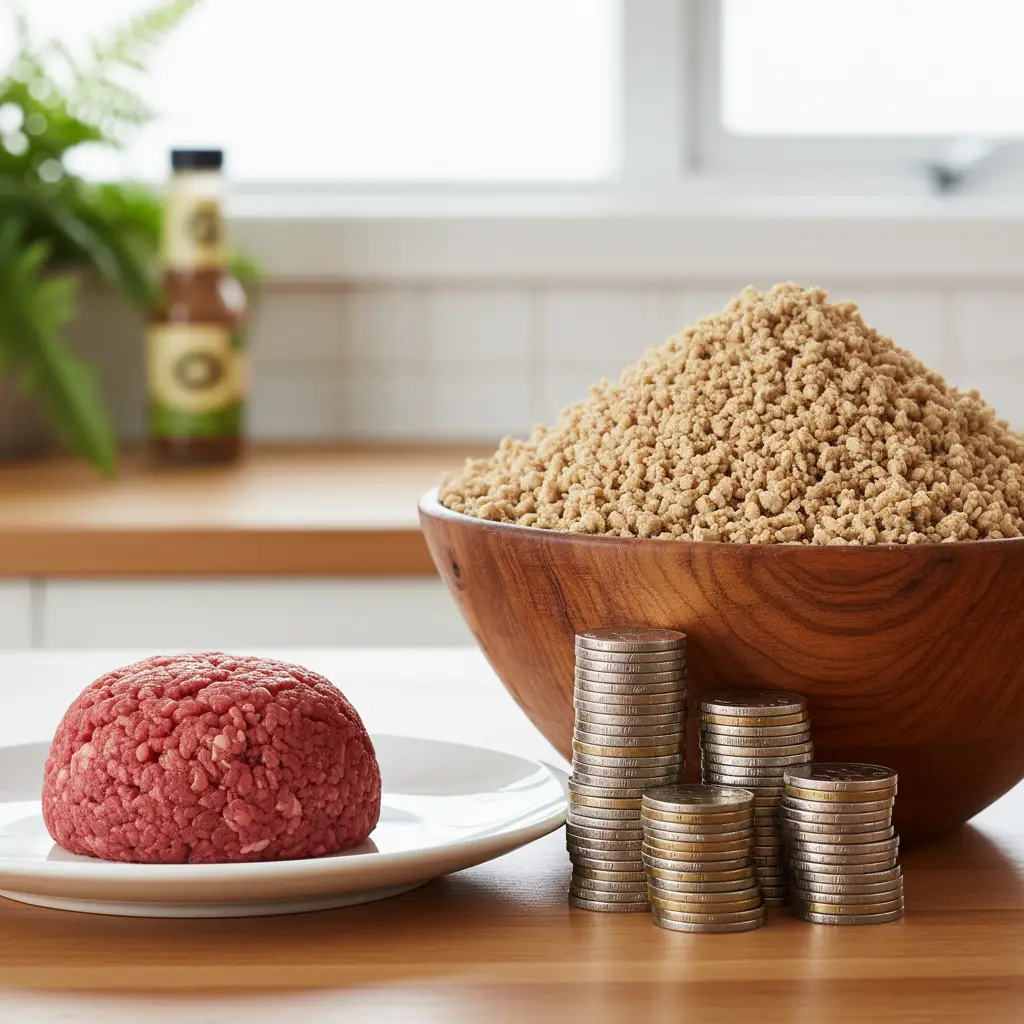
Expert Insight: “Replacing meat with soy protein just two nights a week can save the average Kiwi family of four over $1,200 annually. Furthermore, soy protein contains zero cholesterol, making it a dual investment in both your wallet and your cardiovascular health.”
Smart Shopping: Sourcing Affordable Soy in NZ
To truly maximize your savings, it is essential to know where to shop. While major supermarkets like Countdown, New World, and Pak’nSave stock basic tofu and soy milk, the real bargains for affordable soy recipes NZ are often found elsewhere.
1. Asian Supermarkets
Stores like Tai Ping, Wang Mart, and local Asian grocers are treasure troves for soy products. You can often find fresh tofu made daily for half the price of the vacuum-sealed supermarket brands. They also stock bulk bags of dried soy beans (for making your own milk) and various forms of TVP (slices, chunks, and mince).
2. Bulk Bins
Retailers such as Bin Inn allow you to buy TVP and dried beans by weight. This eliminates packaging costs and allows you to buy exactly what you need. Bringing your own containers can sometimes net you a small discount as well.
3. Seasonal Produce Pairing
Soy is a blank canvas. To keep meals cheap, pair your tofu or TVP with seasonal NZ vegetables. In winter, bulk out meals with carrots, parsnips, and pumpkin. In summer, utilize courgettes and capsicums when they are plentiful and cheap.
Quick & Cheap Tofu Dinners
Tofu is often misunderstood as bland, but it is actually a flavour sponge. The key to affordable tofu meals is texture and marinade. Here are two staple recipes that feed a family of four for under $20.
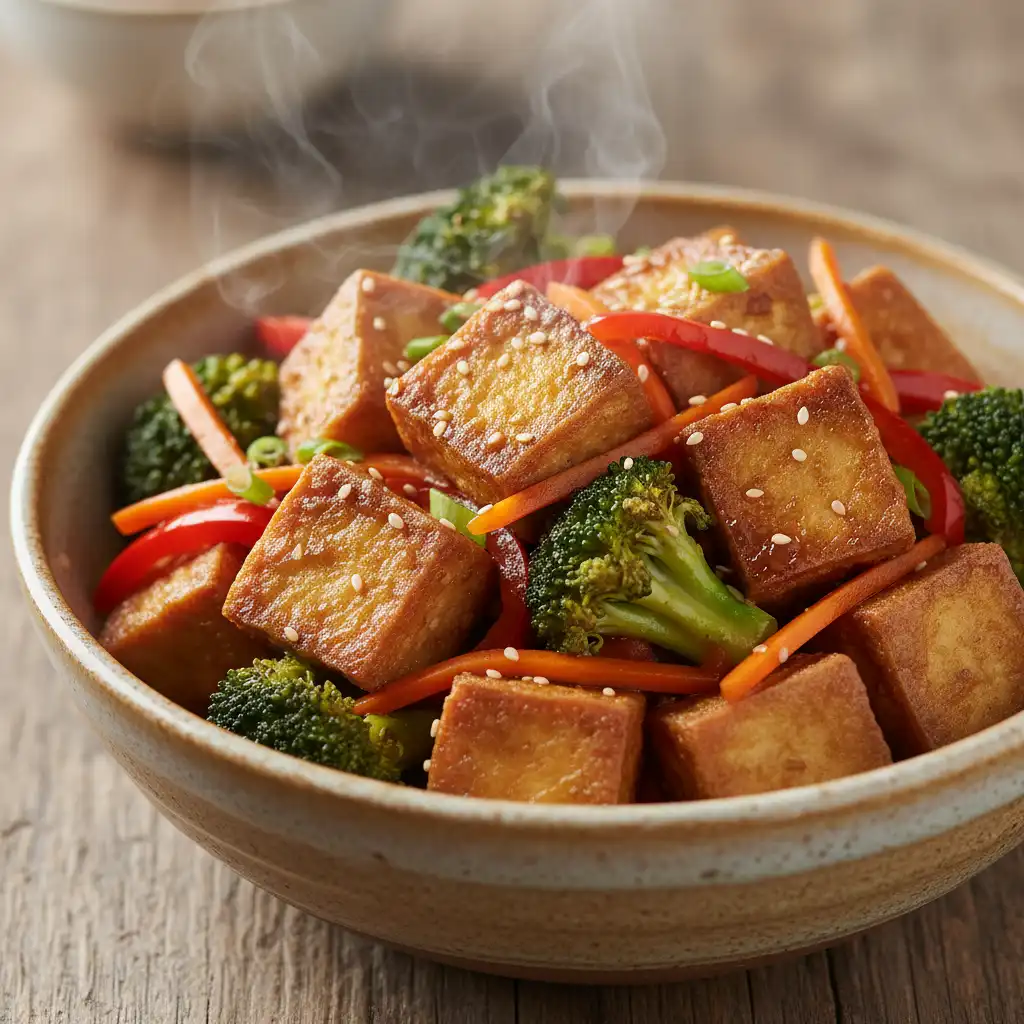
Crispy Soy-Glazed Tofu Stir-Fry
This dish mimics the texture of sweet and sour pork but uses firm tofu. It is fast, high in protein, and uses pantry staples.
- Ingredients: 2 blocks of firm tofu ($6), frozen stir-fry veggie mix ($5), soy sauce, garlic, ginger, cornflour, sugar, and rice ($3).
- Method: Press the tofu to remove water, cube it, and toss in cornflour. Fry in oil until golden and crispy. Remove from the pan. Stir-fry the vegetables with garlic and ginger. Return the tofu to the pan and toss with a sauce made from soy sauce, a little sugar, and water. Serve over rice.
- Cost Per Serving: Approximately $3.50.
Tofu “Egg” Scramble on Toast
Perfect for a “breakfast for dinner” (brinner) night, which is a great budget tactic.
- Ingredients: 2 blocks of firm or medium tofu, turmeric (for colour), nutritional yeast (optional for cheesy flavour), black salt (kala namak – gives egg flavour), spinach or frozen peas.
- Method: Mash the tofu with a fork. Sauté in a pan with turmeric, salt, and pepper. Add spinach/peas until wilted. Serve on budget-friendly wheatmeal toast.
- Cost Per Serving: Approximately $2.50.
Soy Mince (TVP) Meals Under $15
Textured Vegetable Protein (TVP) is the ultimate inflation-buster. It has a long shelf life, so there is zero food waste, and it absorbs the flavour of whatever sauce you cook it in. It is the perfect substitute for beef mince in Kiwi classics.
The Kiwi Classic Shepherd’s Pie
Nothing says comfort food in New Zealand like a Shepherd’s Pie. This soy version is indistinguishable from the meat version when seasoned correctly.
Ingredients:
- 2 cups dry TVP mince (approx. $2.00)
- 1 onion, diced
- 2 carrots, diced
- 1 cup frozen peas
- 2 tbsp soy sauce (adds umami/meaty depth)
- 1 tbsp tomato paste
- 1 cup beef-style vegetable stock
- 4 large potatoes for mash
- Milk/margarine for mash
Instructions: Rehydrate the TVP in the hot stock for 10 minutes. Sauté onion and carrots. Add the rehydrated TVP, peas, tomato paste, and soy sauce. Simmer until thickened. Transfer to a baking dish, top with mashed potatoes, and bake until golden. This entire massive tray costs roughly $12-$14 and feeds a hungry family.
Spaghetti Bolognese
By swapping beef for soy mince, you cut the fat content drastically while maintaining high protein. Use plenty of dried Italian herbs, garlic, and a splash of balsamic vinegar to give the soy mince a rich flavour profile. Serve with budget pasta brands found at Pak’nSave or Countdown.
Nutritional Value vs. Cost Analysis
It is important to understand that switching to affordable soy recipes NZ does not mean sacrificing nutrition. In fact, soy is a complete protein, meaning it contains all nine essential amino acids necessary for human health. Below is a comparison of cost and basic nutrition between standard beef mince and soy mince (TVP) in the New Zealand market.
| Feature | Standard Beef Mince (1kg) | Soy Mince / TVP (1kg Rehydrated) |
|---|---|---|
| Approx. Cost (NZD) | $16.00 – $22.00 | $6.00 – $8.00 |
| Protein per 100g | Approx. 18-20g | Approx. 18-22g (varies by brand) |
| Fat Content | High Saturated Fat | Low / Negligible Saturated Fat |
| Cholesterol | Yes | None |
| Fibre | 0g | High Fibre |
| Shelf Life | 3-4 days (fresh) | 12+ months (dried pantry staple) |
As the table demonstrates, soy mince offers a comparable protein hit for less than half the price, with the added medical benefit of being cholesterol-free and high in fibre.
Pros and Cons of a Soy-Centric Diet
While the financial benefits are clear, it is important to take a balanced view of incorporating more soy into your family’s diet.
Pros
- Cost Efficiency: Significantly cheaper than meat, dairy, and even some other plant proteins like nuts.
- Heart Health: Soy protein is FDA-recognized (and supported by NZ Heart Foundation guidelines) for its ability to lower LDL cholesterol.
- Versatility: Tofu and TVP absorb flavours, making them suitable for curries, stir-fries, pies, and pastas.
- Sustainability: Eating lower on the food chain reduces your carbon footprint, a concern for many eco-conscious Kiwis.
Cons
- Allergies: Soy is a top allergen. It is not suitable for families with soy-specific allergies.
- Texture Learning Curve: If not cooked correctly (e.g., failing to press tofu), the texture can be spongy or bland, which may deter fussy eaters.
- Thyroid Concerns: Those with pre-existing thyroid conditions should consult a GP, as excessive soy consumption can interfere with medication absorption, though normal dietary amounts are usually safe.
Frequently Asked Questions
Is soy safe for children to eat daily?
Yes, soy is generally safe for children and provides high-quality protein, calcium (if fortified), and essential fatty acids. It is a staple in many Asian cultures where children consume it daily without adverse effects. However, variety is key in any diet.
Will eating soy affect men’s hormones?
This is a common myth. Soy contains phytoestrogens (plant estrogens), which are much weaker than human estrogen. Extensive clinical studies have shown that soy consumption does not lower testosterone levels or cause feminizing effects in men.
How do I make tofu taste good for kids?
Texture is usually the barrier for kids. Try freezing tofu first (which changes the texture to be more ‘meaty’ and chewy), then thawing and pressing it. Alternatively, blend silken tofu into smoothies or chocolate mousses where they won’t even know it’s there, or use crispy coating like panko crumbs.
Where is the cheapest place to buy TVP in NZ?
Bulk food stores like Bin Inn are usually the cheapest. Davis Trading and Gilmours (if you have a membership) are also excellent. Asian supermarkets often sell it as “Soya Meat” or “Vegetarian Meat” at very low prices.
Is processed soy meat healthy?
Whole soy foods (edamame, tofu, tempeh) are the healthiest. TVP is slightly more processed but still very nutritious and low in fat. Highly processed frozen vegan nuggets or burgers often contain high sodium and fillers, so they should be eaten in moderation compared to cooking from scratch with tofu or TVP.
By embracing affordable soy recipes NZ, you are not just saving dollars at the checkout; you are investing in a versatile, health-promoting ingredient that can transform your family’s mealtime. Start with one or two soy meals a week and watch the savings—and the health benefits—stack up.