
Soy Intake and Bone Density: The Definitive Scientific Guide to Osteoporosis Prevention
Exploring the intersection of plant-based nutrition and skeletal integrity through the lens of modern clinical research and dietary science.
1. Understanding the Silent Epidemic: Osteoporosis
Osteoporosis is often characterized as a ‘silent disease’ because bone loss typically occurs without symptoms until a fracture happens. Globally, one in three women over the age of 50 and one in five men will experience osteoporotic fractures in their lifetime. As the global population ages, the search for dietary interventions to mitigate bone mineral density (BMD) loss has intensified, leading researchers to a staple of Asian diets: the soybean.
The relationship between soy intake and bone density has become a focal point of nutritional epidemiology. Observational studies consistently show that populations in Japan and China, where soy consumption is high, experience significantly lower rates of hip fractures compared to Western populations. Understanding the NZ vs Global Soy Footprint provides valuable insights into these global dietary patterns. However, translating these observations into clinical recommendations requires a deep dive into the underlying mechanisms and the quality of the soy being consumed.

2. The Biochemistry of Soy Isoflavones
The primary compounds of interest in soy are isoflavones, a subclass of phytoestrogens. Specifically, genistein, daidzein, and glycitein are the three main isoflavones found in soy products. These compounds are chemically similar to 17β-estradiol, the primary female sex hormone, which plays a critical role in maintaining bone density.
Isoflavones function as Selective Estrogen Receptor Modulators (SERMs). This means they can exert estrogen-like effects in some tissues (like bones) while potentially blocking estrogenic effects in others (such as breast tissue). For bone health, the focus is primarily on how these molecules interact with the bone-remodeling cycle—the continuous process where old bone is broken down by osteoclasts and new bone is formed by osteoblasts.
3. Estrogen Receptors and Bone Remodeling
Bone is a dynamic tissue. In a healthy adult, the activity of osteoblasts and osteoclasts is balanced. However, during menopause, the sharp decline in estrogen levels leads to an acceleration of osteoclast activity, resulting in a net loss of bone mass. This is where soy intake becomes vital. Soy isoflavones have a higher affinity for Estrogen Receptor-beta (ER-β) than for Estrogen Receptor-alpha (ER-α).
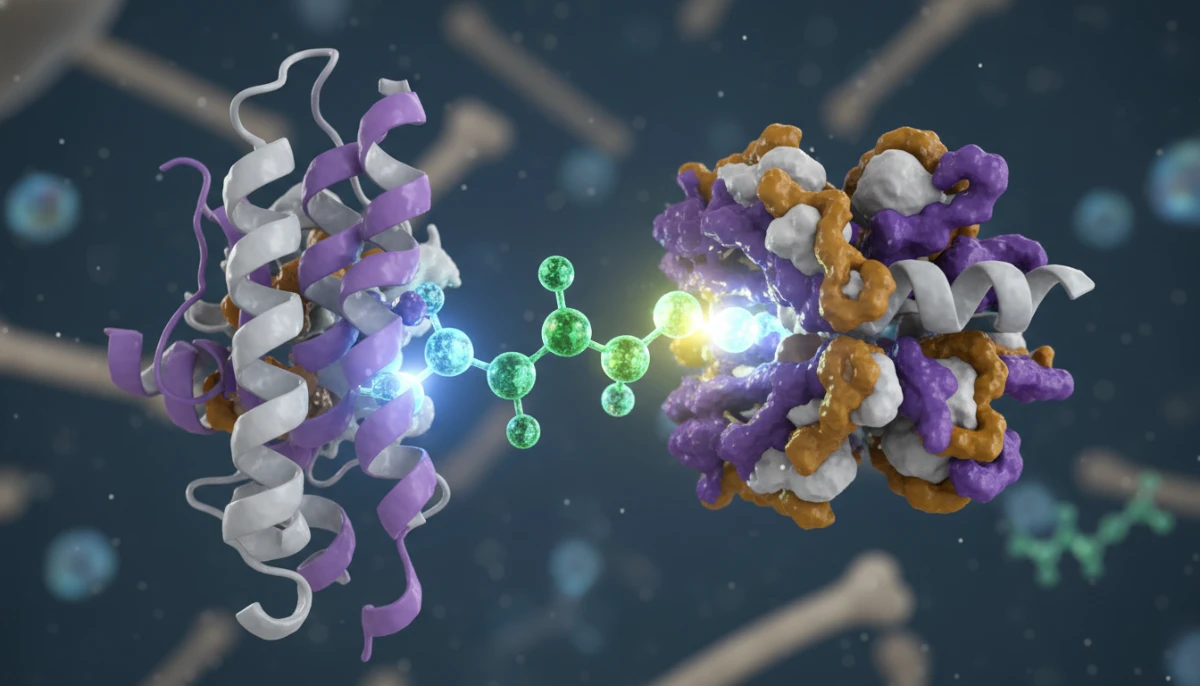
ER-β is highly expressed in bone cells. When genistein binds to these receptors, it stimulates osteoblastic activity and promotes the production of osteoprotegerin (OPG), a protein that inhibits the formation of osteoclasts. By shifting the balance toward bone formation and away from resorption, soy isoflavones act as a natural defense against the rapid bone thinning associated with estrogen deficiency.
4. What the Clinical Data Says
A meta-analysis of over 50 randomized controlled trials suggests that soy isoflavone supplementation significantly increases bone mineral density in the spine and femoral neck of postmenopausal women. The ‘Soy Isoflavones for Postmenopausal Health’ study indicated that a daily dose of approximately 80mg to 100mg of isoflavones was required to see measurable improvements in bone density over a 12-to-24-month period.
It is important to note that the source of soy matters. Whole soy foods (tofu, tempeh, soy milk) provide a matrix of nutrients including calcium, magnesium, and high-quality protein, which work synergistically with isoflavones. Synthetic isoflavone isolates, while effective in some trials, often lack the co-factors found in traditional soy products that enhance absorption and utilization.
5. The S-Equol Factor: Why Results Vary
One of the most fascinating developments in soy research is the ‘Equol Hypothesis.’ When we consume daidzein (a soy isoflavone), certain bacteria in the gut microbiome convert it into S-equol, a compound with even stronger estrogenic activity than daidzein itself. However, only about 30-50% of the human population possesses the specific gut bacteria necessary for this conversion.
Studies have shown that ‘equol producers’ derive significantly more bone-protective benefits from soy than ‘non-producers.’ This explains why some clinical trials show dramatic results while others appear neutral. For non-producers, focusing on fermented soy products like tempeh and miso, or improving gut diversity through fiber intake, may help maximize the benefits of soy intake and bone density preservation.

6. Soy Protein vs. Animal Protein: The Acid-Base Balance
The traditional ‘Acid-Ash’ hypothesis suggests that animal proteins, being high in sulfur-containing amino acids, increase the acid load in the body, which leads to calcium leaching from the bones to neutralize the acidity. In contrast, soy protein is more ‘alkaline-forming’ or neutral. While the modern scientific consensus has moved toward a more nuanced view, the fact remains that replacing processed red meats with soy protein reduces the dietary acid load and provides bone-essential nutrients without the inflammatory markers associated with high-saturated-fat animal products.
Soy is also a ‘complete’ protein, containing all nine essential amino acids. This is crucial because bone is 50% protein by volume. Without adequate protein intake, the collagen matrix that gives bone its flexibility and strength cannot be maintained. Soy offers a high-protein density with a lower caloric footprint, making it an ideal choice for weight management—another key factor in skeletal health.
7. Incorporating Soy into a Bone-Healthy Diet
To achieve the benefits seen in clinical trials, one should aim for 2-3 servings of soy daily. A serving size typically constitutes 1 cup of soy milk, 1/2 cup of tofu, or 1/2 cup of edamame. For delicious and comforting ways to incorporate soy into your diet, explore our Winter Warmers recipes. When choosing soy for bone density, prioritize calcium-set tofu. During the manufacturing process, calcium sulfate is often used as a coagulant, making tofu an exceptional source of highly bioavailable calcium.
Fermented soy products like tempeh and natto offer additional benefits. Natto, in particular, is the world’s richest source of Vitamin K2 (specifically the MK-7 form). Vitamin K2 is the ‘traffic controller’ for calcium; it activates osteocalcin, a protein that binds calcium into the bone matrix, while preventing calcium from depositing in the arteries.

8. Addressing Common Misconceptions
Despite the evidence, myths about soy persist. One common concern is the effect of soy on thyroid function. In individuals with iodine sufficiency, soy has no adverse effect on thyroid hormones. Another myth involves ‘feminization’ in men. Extensive meta-analyses have confirmed that soy isoflavones do not alter testosterone or estrogen levels in men, nor do they affect fertility.
Finally, the concern regarding soy and breast cancer has been largely debunked by human studies. In fact, early soy intake during adolescence and consistent intake throughout adulthood is associated with a 25-60% reduction in breast cancer risk. For bone health, the safety profile of soy is excellent, provided it is consumed as part of a balanced diet.
Frequently Asked Questions
Does soy intake increase bone mineral density in men?
While most studies focus on postmenopausal women, emerging research suggests that soy isoflavones can help maintain bone density in men by reducing markers of bone resorption, although the effects may be less pronounced than in women.
Is soy milk as good as cow’s milk for bones?
Yes, provided it is fortified. Fortified soy milk typically contains the same amount of calcium and vitamin D as cow’s milk, with the added benefit of isoflavones which contribute to bone preservation.
How much soy is too much?
Clinical studies show that up to 3-4 servings of soy per day are perfectly safe and beneficial. Consuming soy in whole-food forms is preferred over highly processed soy protein isolates.
What is the best type of soy for osteoporosis?
Calcium-set tofu and Natto are the top choices. Tofu provides calcium and isoflavones, while Natto provides isoflavones and the essential bone-building nutrient Vitamin K2.