
Asian vs. Western consumption patterns differ fundamentally in philosophy, structure, and nutrient composition. While Western dining traditionally prioritizes individual portions, heavy animal proteins, and dairy products, Asian culinary traditions emphasize communal sharing, plant-based proteins like soy, and grain staples such as rice, resulting in distinct nutritional profiles and social dining dynamics.
1. Cultural Philosophy: Individualism vs. Collectivism
To understand the divergence between Asian and Western consumption, one must first look beyond the plate and into the cultural psyche. The way food is prepared, served, and consumed is a direct reflection of the societal values held by these distinct regions.
In Western cultures, particularly in North America, Europe, and historically in New Zealand, the concept of dining is often rooted in individualism. A meal is typically plated in the kitchen and served to a specific person. The composition of the plate—usually a large protein, a starch, and a vegetable—is designed to satisfy the nutritional requirements and preferences of that single individual. This “al la carte” mentality extends to the notion of ownership over one’s meal; sharing is often reserved for appetizers or specifically designated “family style” restaurants.
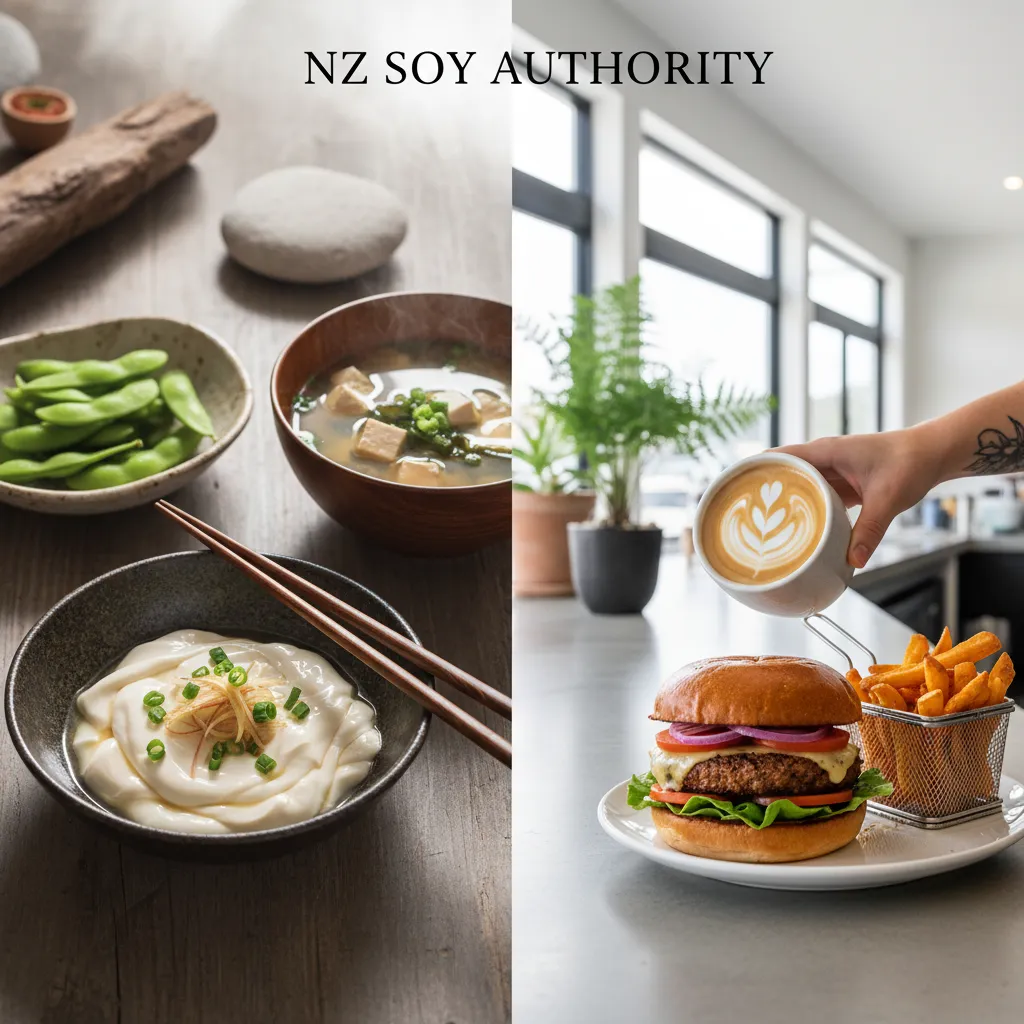
Conversely, Asian consumption patterns are deeply entrenched in collectivist philosophies, often influenced by Confucian ideals of harmony and shared experience. In countries like China, Japan, Korea, and Vietnam, the dining table is a communal space. Dishes are placed in the center, and diners serve themselves from shared platters. This method of consumption serves a dual purpose: it reinforces social bonds and allows for a more varied nutritional intake. A diner does not commit to a single flavor profile but rather samples a balance of textures and ingredients throughout the meal.
Key Takeaway: Western consumption focuses on the “sovereign plate,” optimizing for individual preference, while Asian consumption focuses on the “shared table,” optimizing for variety and social cohesion.
2. Ingredient Profiles and Staples
The foundation of any diet is its staple crops and preferred flavor enhancers. The agricultural history of East vs. West has dictated consumption habits that persist to this day.
The Carbohydrate Divide: Wheat vs. Rice
The most visible difference lies in the carbohydrate base. Western consumption has historically relied on wheat (bread, pasta) and tubers (potatoes). These staples are often processed into secondary forms—flour becomes bread, potatoes become fries or mash. This processing often involves the addition of fats (butter, oil) and salt.
In contrast, the Asian diet is predominantly rice-centric, though noodles (wheat, rice, or mung bean based) are also prevalent. Rice is typically consumed in its whole grain form (steamed), serving as a neutral palate cleanser to balance the savory, salty, or spicy flavors of the accompanying dishes. This lack of added fat in the starch component is a critical caloric differentiator.
Flavor Architecture
Western cuisine often builds flavor through fats—butter, cream, cheese, and olive oil. The French technique of mounting with butter or the American reliance on cheese sauces exemplifies this. The goal is often richness and satiety through lipid density.
Asian cuisine, however, relies heavily on fermentation and umami. Soy sauce, fish sauce, miso, and fermented bean pastes provide depth without necessarily adding high volumes of saturated fat. Aromatics like ginger, garlic, scallions, and chili are used liberally to create complexity. While oil is used for stir-frying, the ratio of oil to vegetable volume is generally lower than the ratio of cream sauce to pasta in Western dishes.
3. The Protein Paradigm: Soy vs. Dairy
For the New Zealand market, which has a rich history of dairy farming, the most significant shift in modern consumption is the “Protein Paradigm.” This is where the divergence between East and West is most biologically and culturally pronounced.
The Western Reliance on Dairy and Red Meat
Western consumption patterns are heavily reliant on bovine proteins. Milk, cheese, yogurt, and beef are staples. This is evolutionary for many of European descent who possess the lactase enzyme persistence, allowing them to digest dairy into adulthood. Consequently, calcium and protein intake in the West is inextricably linked to dairy products.
The Asian Mastery of Soy
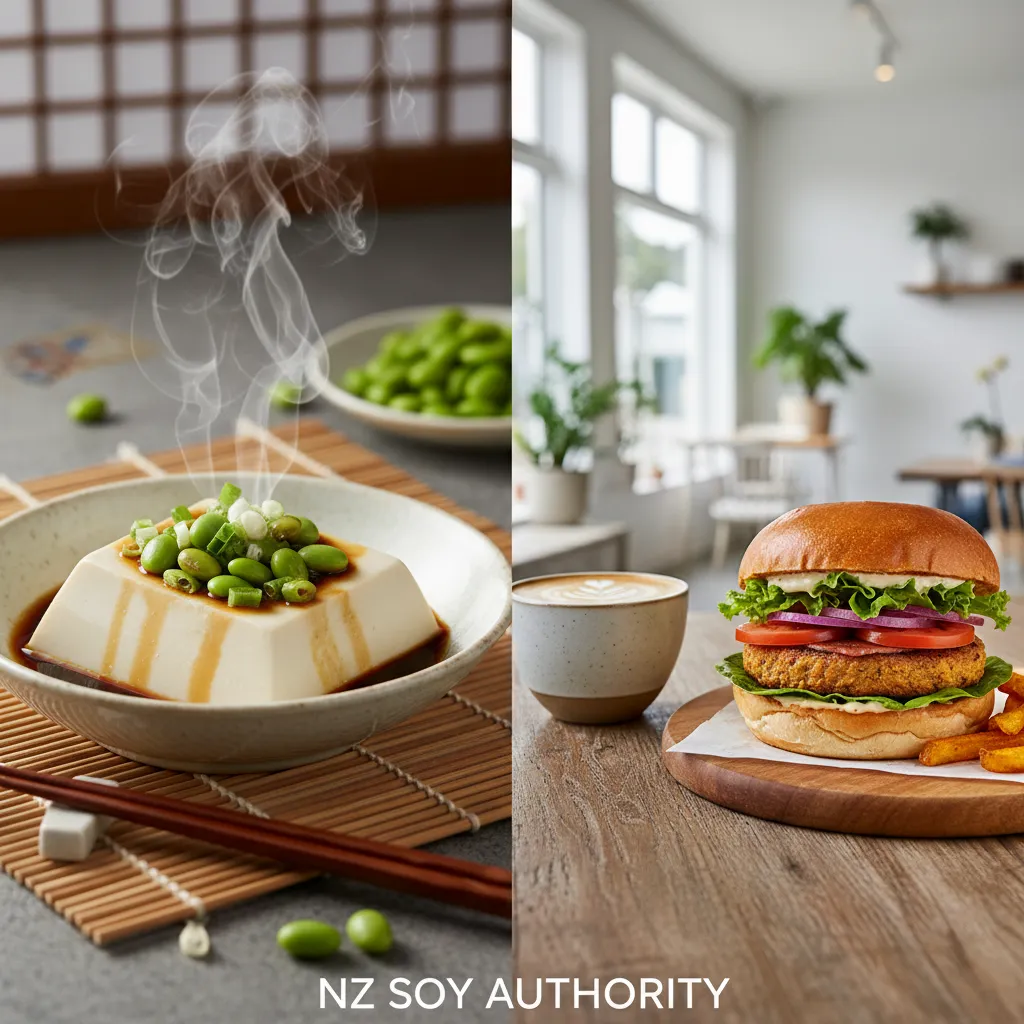
In contrast, a significant portion of the Asian population is lactose intolerant. As a result, Asian cultures mastered the art of plant-based proteins millennia ago, with the soybean at the epicenter. Soy is not merely a substitute in Asian cuisine; it is a primary food group.
- Tofu: Consumed in infinite varieties—silken, firm, fermented, fried, or dried.
- Tempeh & Natto: Fermented whole-bean products rich in probiotics.
- Edamame: Whole young soybeans consumed as vegetables.
- Soy Milk: The traditional breakfast beverage, often consumed fresh and warm.
From a health perspective, the Asian reliance on soy provides a complete protein profile with significantly less saturated fat and zero cholesterol compared to Western meat and dairy sources. Furthermore, soy contains isoflavones, which have been linked to various health benefits, including heart health and hormonal balance.
4. Dining Structure and Portion Control
The architecture of a meal dictates caloric intake just as much as the ingredients do. Western and Asian consumption habits differ drastically in how a meal is staged.
Courses vs. Simultaneous Serving
Western fine dining—and even casual home dining—often follows a linear structure: appetizer, main course, dessert. This structure encourages the consumer to finish the current plate before moving to the next. The “clean plate club” mentality, prevalent in Western upbringing, forces consumption even past the point of satiety.
Asian dining typically serves all dishes simultaneously (with the exception of distinct banquet courses). This allows the diner to oscillate between heavy and light flavors. A bite of rich braised pork can be followed by a bite of blanched bok choy and a mouthful of plain rice. This variety slows down the eating pace, allowing the body’s leptin (satiety hormone) response to kick in before overeating occurs.
The Geometry of Crockery
Research suggests that container size influences consumption. Western dinner plates have grown significantly in diameter over the last 50 years. A standard Western meal is served on a large flat surface, encouraging large portions to fill the negative space.
Asian meals are often consumed from a small bowl held in the hand. The act of bringing the bowl to the mouth (common in Chinese and Vietnamese cultures) or lifting food with chopsticks requires more motor skills and mindfulness than the shovel-motion of a fork. The small bowl acts as a natural portion limiter; a diner must make a conscious decision to refill the bowl, creating a psychological “check-in” regarding hunger levels.
5. Health Implications and Metabolic Differences
The consequences of these consumption patterns are evident in global health statistics. While globalization is blurring these lines, historical data presents a clear picture.
The Western diet, characterized by high intake of red meat, processed meats, pre-packaged foods, butter, fried foods, and high-fat dairy products, is strongly associated with the “diseases of affluence”: obesity, type 2 diabetes, and cardiovascular disease. The high glycemic load of processed wheat combined with high saturated fats creates a metabolic environment prone to inflammation.
The traditional Asian diet has historically been linked to lower rates of heart disease and obesity. This is often attributed to:
- Higher Vegetable to Meat Ratio: Meat is often used as a flavoring agent or garnish rather than the main event (e.g., a stir-fry with 80% vegetables and 20% meat).
- Cooking Methods: Steaming, boiling, and quick stir-frying retain more nutrients and use less fat than deep-frying or roasting with butter.
- Tea Consumption: Green and Oolong teas, rich in antioxidants, are consumed throughout the meal, aiding digestion, whereas Western meals are often accompanied by sugary sodas, alcohol, or calorie-dense juices.
However, it is vital to note that as Western fast food chains infiltrate Asian markets, these health advantages are diminishing in urban centers across Asia.
For more on global dietary impacts, resources like the World Health Organization (WHO) provide extensive data on how diet shifts affect noncommunicable diseases.
6. The New Zealand Context: A Fusion of Lifestyles
New Zealand presents a fascinating case study in the collision of these two consumption worlds. Historically a British colony with a diet heavy in lamb, dairy, and root vegetables, NZ has evolved into a multicultural culinary hub with a massive Asian influence.
The Rise of the “Flexitarian” Kiwi
New Zealanders are increasingly adopting Asian consumption habits for health and environmental reasons. The “meat and three veg” standard is being replaced by stir-fries, curries, and sushi. This shift is not just culinary but agricultural.
Soy in the Land of Dairy
As a global dairy giant, New Zealand’s domestic consumption is paradoxically seeing a surge in plant-based alternatives. Coffee culture in Wellington and Auckland now standardizes soy, oat, and almond milks—a direct influence of the global shift away from heavy animal fats and towards the plant-based profiles common in Asian diets. The NZ Soy Authority recognizes this trend not as a rejection of NZ heritage, but as an evolution towards a more sustainable, hybrid diet that leverages the best of Western quality control with Asian nutritional wisdom.
7. Conclusion
The battle of “Asian vs. Western Consumption” is not about declaring a winner, but about understanding the mechanics of how we fuel our bodies. The Western model excels in protein density and individual choice, while the Asian model triumphs in vegetable variety, soy integration, and portion control through communal dining.
For the health-conscious individual, particularly those in New Zealand looking to optimize their lifestyle, the ideal approach is likely a synthesis: adopting the Asian emphasis on soy proteins and communal, vegetable-forward eating, while maintaining the Western standards of food safety and quality ingredients. By swapping the large dinner plate for a small rice bowl and the steak for a block of tofu occasionally, we can harness the longevity secrets of the East without losing the culinary identity of the West.
8. Frequently Asked Questions
Why is the traditional Asian diet considered healthier than the Western diet?
The traditional Asian diet is generally considered healthier because it emphasizes high consumption of vegetables, whole grains (rice), and plant-based proteins like soy, while limiting saturated fats, red meat, and processed sugars. This results in lower caloric density and higher nutrient intake compared to the Western diet.
How does soy consumption differ between Asian and Western cultures?
In Asian cultures, soy is a primary staple eaten daily in whole forms like tofu, edamame, and miso. In Western cultures, soy has historically been an additive or a hidden ingredient in processed foods, though this is changing with the rise of soy milk and meat alternatives as health foods.
Does the communal dining style affect how much people eat?
Yes, communal dining can help regulate portion control. Because food is taken in small amounts from a central dish to a small personal bowl, it encourages slower eating and mindfulness. However, it requires self-discipline, as the food is constantly available on the table.
Why is dairy less common in Asian diets?
Genetics play a major role; a high percentage of East Asian populations have lactose intolerance, meaning they lack the enzyme to digest milk sugars effectively. Consequently, calcium and protein are sourced from soy, leafy greens, and fish bones rather than dairy.
Is the Western diet changing to become more like the Asian diet?
Yes, there is a global trend towards “plant-based” eating in the West. Western consumers are increasingly adopting tofu, reducing red meat intake, and embracing fermentation (like kombucha and miso) for gut health, mirroring traditional Asian consumption habits.
How does New Zealand fit into the Asian vs. Western consumption debate?
New Zealand is a hybrid market. While it is a major producer and consumer of dairy and meat (Western traits), high migration rates and a focus on health have popularized Asian cuisines. Kiwis are high consumers of Asian-style foods and are increasingly integrating soy and plant-based meals into their weekly rotations.