
Antinutrients Deconstructed: Phytic Acid & Lectins
A comprehensive scientific deep dive into plant defense mechanisms, mineral bioavailability, and the methodologies for optimizing nutrient density in modern diets.
The Paradox of Plant-Based Nutrition
In the modern wellness landscape, we are often presented with a binary view of nutrition: foods are either “superfoods” or “toxins.” However, the reality of plant biology is far more complex. Plants, unlike animals, lack the ability to flee from predators. To survive, they have evolved a sophisticated chemical arsenal designed to deter herbivores, insects, and fungi. These compounds, collectively known as antinutrients, serve as the plant’s internal defense system. While they are not inherently poisonous in the way cyanide is, they possess the ability to interfere with the absorption of essential vitamins and minerals in the human digestive tract.
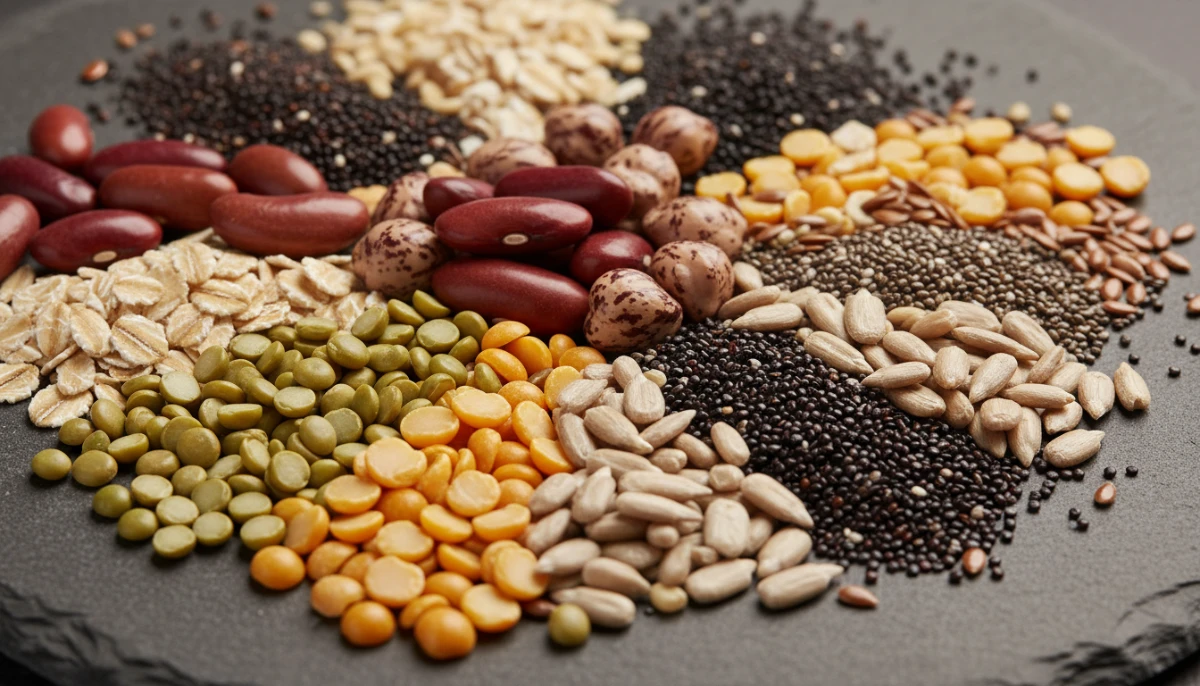
Among the most studied of these compounds are phytic acid and lectins. These substances are found in abundance in the very foods we are encouraged to eat for health: whole grains, legumes, nuts, and seeds. The presence of antinutrients does not mean these foods should be avoided; rather, it suggests that the traditional methods of preparation—many of which have been lost in the age of industrial food processing—are vital for unlocking their true nutritional potential. Understanding the biochemistry of these compounds allows us to navigate our diet with precision, ensuring we gain the fiber and phytonutrients of plants without sacrificing mineral status.
Phytic Acid: The Mineral Magnet
The Chemical Mechanism of Phytates
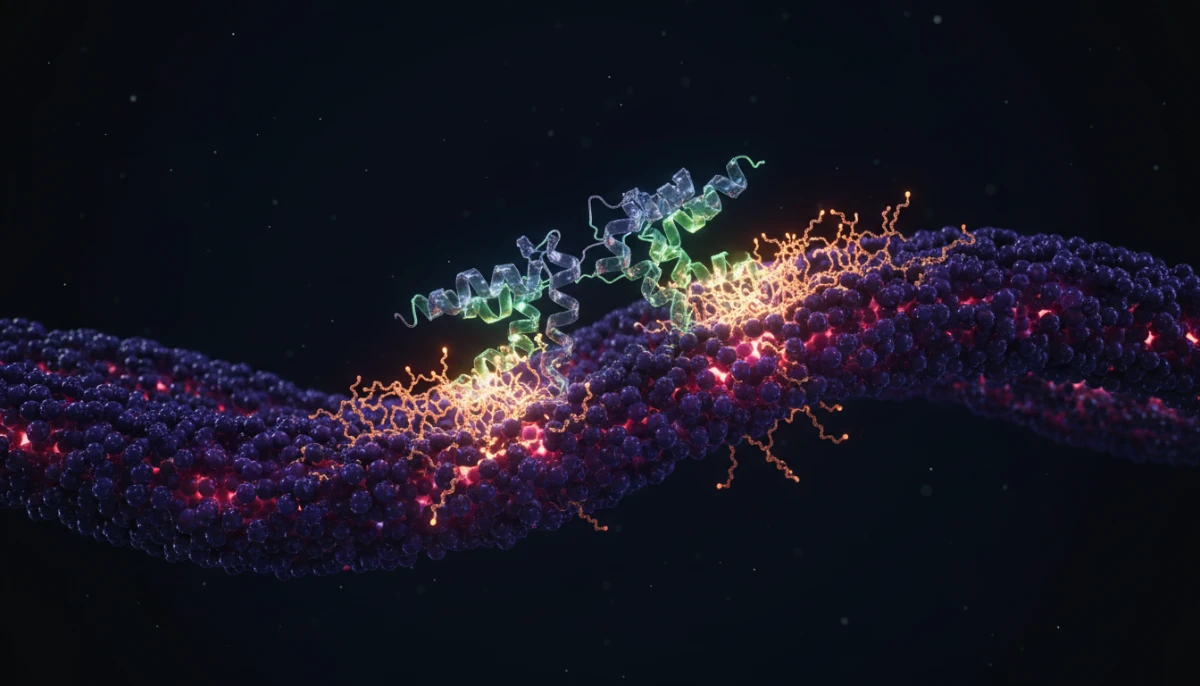
Phytic acid (inositol hexaphosphate, or IP6) is the principal storage form of phosphorus in many plant tissues, especially bran and seeds. From the plant’s perspective, phytic acid is a resource, providing the energy needed for a seedling to sprout and grow. However, for humans, phytic acid acts as a potent chelator. Due to its unique chemical structure, it has a high affinity for divalent metal ions. When we consume foods high in phytic acid, the molecule binds to minerals like iron, zinc, calcium, and magnesium in the digestive tract, forming insoluble complexes that the body cannot absorb.
The Impact on Human Health
Chronic high intake of phytic acid, coupled with a diet low in minerals, can lead to subclinical deficiencies. This is particularly relevant in populations where grains and legumes are the primary caloric source. Zinc deficiency, for instance, can impair immune function and protein synthesis, while inhibited iron absorption can lead to anemia. It is important to note that phytic acid only affects the absorption of minerals from the meal it is consumed with; it does not “leach” minerals that are already stored in the body’s tissues. Therefore, balancing high-phytate meals with phytate-reducing techniques is the key to maintaining homeostasis.
Lectins: The Sticky Proteins
Agglutinins and Gut Integrity
Lectins are a diverse family of carbohydrate-binding proteins that are found in almost all organisms, but they are particularly concentrated in legumes and grains. Their primary role in plants is defense; they can cause digestive distress in insects and animals that consume them raw. In humans, certain lectins, such as Phytohaemagglutinin (PHA) found in raw kidney beans, can be toxic in high doses, causing severe nausea and vomiting. However, most dietary lectins are less acute in their effects but can still impact gut health.
The primary concern with lectins is their ability to bind to the lining of the small intestine. This binding can disrupt the brush border enzymes and potentially increase intestinal permeability, a condition often colloquially referred to as “leaky gut.” By interfering with the mucus layer of the gut, lectins may trigger local inflammatory responses in sensitive individuals. However, it is crucial to distinguish between raw lectins and cooked ones, as heat significantly denatures the vast majority of these proteins, rendering them harmless for most of the population.
How to Reduce Antinutrients in Soy
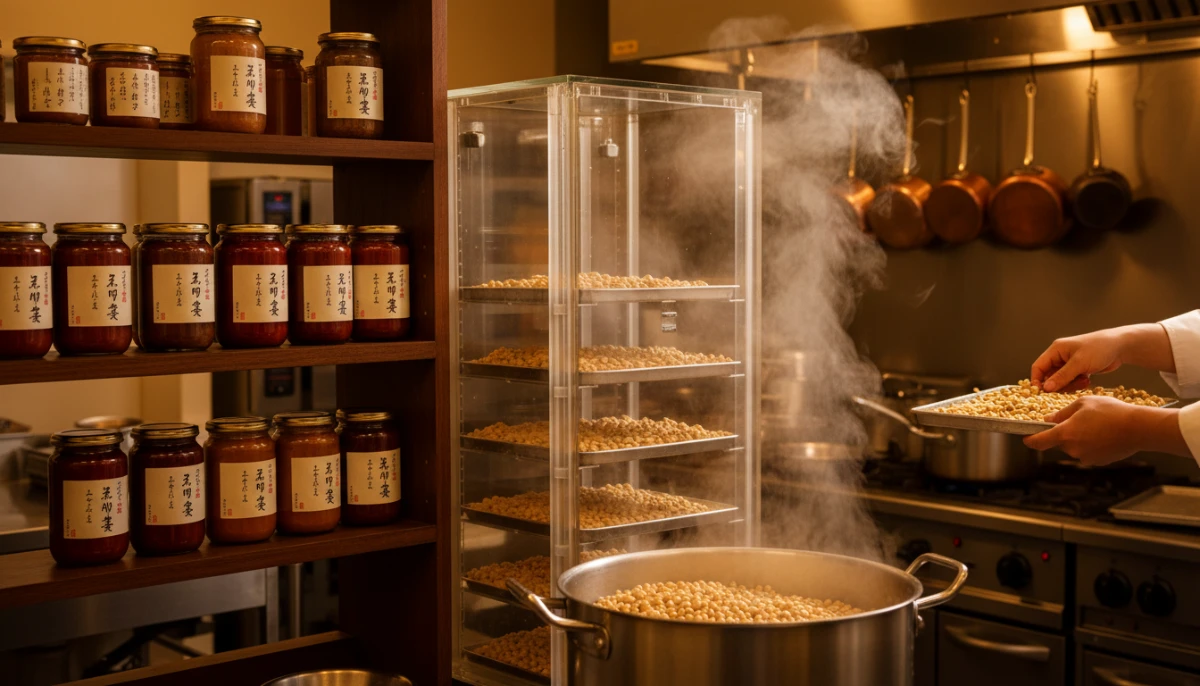
Soybeans are a nutritional powerhouse, offering a complete amino acid profile, but they are also exceptionally high in both phytic acid and trypsin inhibitors (which interfere with protein digestion). For those wondering how to reduce antinutrients in soy, the answer lies in traditional Asian preparation methods, which have utilized biochemical transformation for millennia.
1. Fermentation: The Gold Standard
Fermentation is the most effective method for neutralizing antinutrients in soy. During fermentation, microorganisms like bacteria or fungi produce enzymes (such as phytase) that break down phytic acid. Foods like tempeh, miso, and natto have significantly lower levels of phytates compared to unfermented soy products like soy flour or textured vegetable protein. Fermentation also predigests complex proteins, making the amino acids more bioavailable.
2. Prolonged Soaking and pH Adjustment
If you are preparing whole soybeans at home, soaking is a non-negotiable step. To maximize the reduction of phytic acid, soak soybeans for at least 12 to 24 hours. Adding an acidic medium—such as a splash of apple cider vinegar or lemon juice—to the soaking water creates an environment that activates the plant’s own phytase enzymes. This process begins the breakdown of the phosphorus stores before the bean even reaches the stove.
3. High-Temperature Cooking and Sprouting
Boiling soybeans is essential to deactivate lectins and trypsin inhibitors. While simple boiling is effective, pressure cooking is even more efficient, as the high heat and pressure further degrade these heat-stable proteins. Additionally, sprouting (germination) soybeans before cooking them can further reduce phytate levels by as much as 30-50%, as the seed consumes its own phosphorus stores to fuel the growth of the new sprout.
Universal Processing Methodologies
While the focus on soy is important, these same principles apply to most grains, nuts, and legumes. Modern food manufacturing often skips these steps for the sake of speed, but for the health-conscious consumer, returning to these foundational techniques can dramatically improve digestive comfort and nutrient status.
- Soaking: Most grains and legumes benefit from a 12-hour soak. Always discard the soaking water, as it contains the leached antinutrients.
- Sprouting: Allowing seeds to sit in a moist environment until a small tail appears activates enzymes that neutralize phytates and increase the availability of Vitamin C and B vitamins.
- Sourdough Fermentation: For wheat and other grains, the long fermentation process used in traditional sourdough breadmaking effectively degrades gluten and phytic acid, making the bread far more digestible than commercial yeast-leavened loaves.
- Peeling and Deseeding: For nightshades and cucurbits (like tomatoes and cucumbers), many of the lectins are concentrated in the skin and seeds. Simple peeling can significantly reduce the lectin load.
The Silver Lining: Health Benefits of Antinutrients
It would be a scientific oversight to categorize phytic acid and lectins as purely detrimental. In recent years, research has highlighted the potential therapeutic benefits of these compounds. Phytic acid, for example, acts as a powerful antioxidant and may help prevent kidney stones by binding to calcium in the urine. It has also shown promise in cancer research for its ability to inhibit tumor cell growth. Similarly, certain lectins are being investigated for their role in modulating the immune system and identifying cancer cells. This suggests that the goal should not be the total eradication of antinutrients, but rather their management within a diverse and well-prepared diet.
Practical Kitchen Integration
The Bioavailability Checklist
- Prioritize Fermented Soy: Opt for Tempeh over Tofu when looking for maximum nutrient density.
- The 12-Hour Rule: Always soak dried beans, lentils, and chickpeas overnight before cooking.
- Vitamin C Synergy: Consume high-phytate meals with Vitamin C-rich foods (like bell peppers or citrus) to counteract the inhibition of iron absorption.
- Invest in a Pressure Cooker: This is the most effective tool for destroying lectins in beans that are resistant to standard boiling.

Frequently Asked Questions
Are all lectins destroyed by cooking?
Most dietary lectins are highly sensitive to heat. Boiling or pressure cooking legumes for a sufficient duration will deactivate the vast majority of lectins. However, dry heat (like baking) is less effective than moist heat.
How much can I reduce phytic acid in soy?
Through a combination of soaking, sprouting, and fermentation, you can reduce phytic acid levels in soy by over 90%. Fermentation is by far the most effective single method.
Do I need to worry about antinutrients if I eat a standard diet?
For those with a varied diet high in animal products and processed foods, antinutrients are rarely a concern for mineral deficiency. However, for vegans, vegetarians, or those with compromised gut health, proper preparation is essential.