
Hydrolyzed Soy Protein is a plant-based protein hydrolysate derived from soy that has been broken down into smaller amino acid chains and peptides via acid, enzyme, or thermal hydrolysis. Renowned for its versatility, it serves as a potent flavor enhancer in culinary applications due to its high glutamic acid content and functions as a conditioning agent in cosmetics, improving the tensile strength of hair and skin hydration.
What is Hydrolyzed Soy Protein?
In the evolving landscape of plant-based nutrition and food technology, Hydrolyzed Soy Protein stands out as a ubiquitous yet often misunderstood ingredient. Whether you are inspecting the label of your favourite savoury sauce in an Auckland supermarket or examining the ingredients list of a high-end shampoo, this compound appears frequently. Fundamentally, it is soy protein that has been chemically or enzymatically chopped up into smaller pieces.
Soybeans naturally contain long, complex chains of proteins. These large molecules are excellent for structure but can be difficult for the body to absorb rapidly or for water to dissolve efficiently. Through the process of hydrolysis, these long chains are cleaved into shorter peptides and free amino acids. This structural change dramatically alters the protein’s properties, increasing its solubility, digestibility, and—crucially for the food industry—its flavour profile.
For the New Zealand market, where plant-based diets and clean labelling are of increasing concern, understanding the source and processing of soy derivatives is essential. Unlike whole soybeans or tofu, hydrolyzed soy protein is rarely eaten as a standalone food; rather, it is a functional ingredient used to enhance texture, flavour, or nutritional absorption.
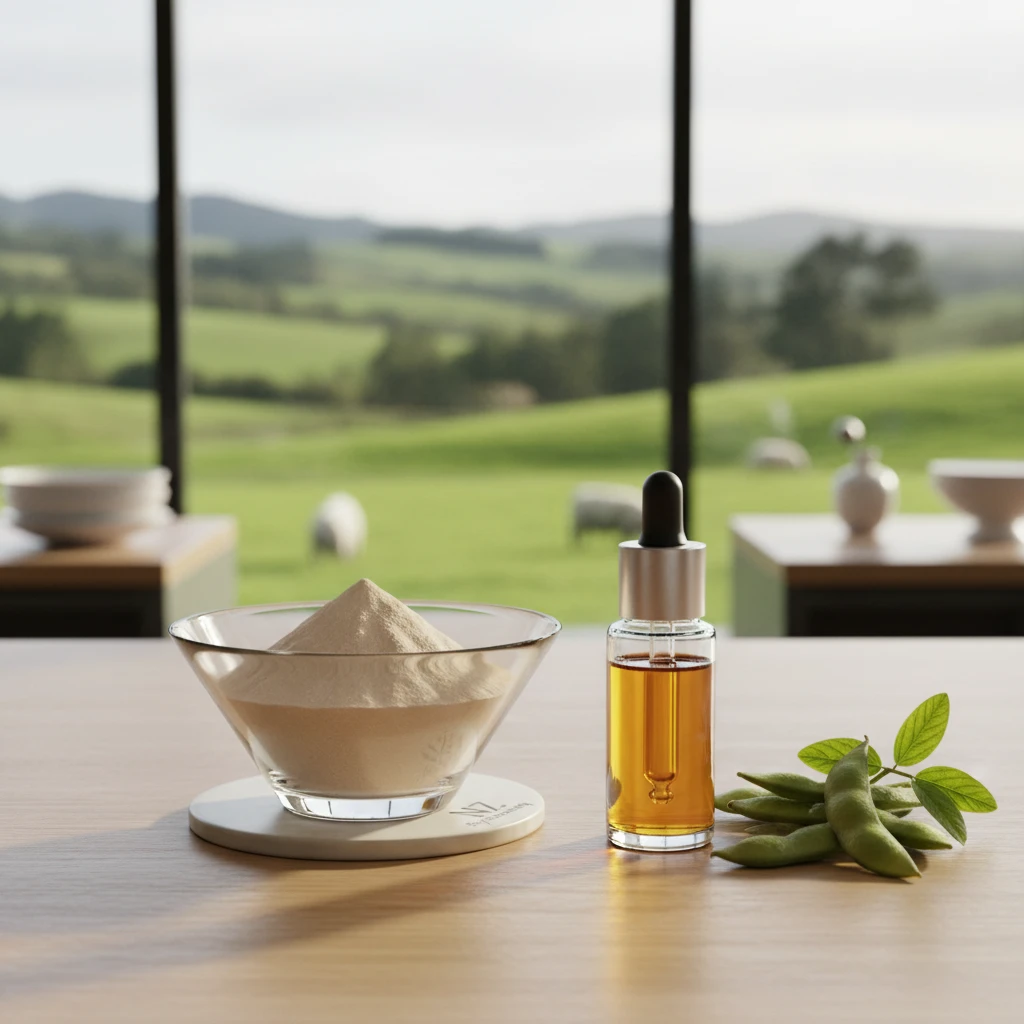
The Science of Hydrolysis: Acid vs. Enzymatic
To fully appreciate the utility of this ingredient, one must understand the manufacturing process. The term “hydrolyzed” simply means “broken down by water,” but in industrial applications, water alone is rarely enough. There are two primary methods used to produce Hydrolyzed Soy Protein, each yielding a product with distinct characteristics.
Acid Hydrolysis
This is the most common method for producing Hydrolyzed Vegetable Protein (HVP) intended for savoury food applications. Soy meal is boiled in a vat of hydrochloric acid. The harsh acidic environment, combined with high heat, aggressively breaks the peptide bonds holding the amino acids together. Following this breakdown, the solution is neutralized with sodium hydroxide (caustic soda), which leaves behind salt (sodium chloride) and water as byproducts.
The result is a dark, salty liquid or powder rich in free amino acids, particularly glutamic acid. This method is cost-effective and produces a strong, savoury flavour profile. However, it destroys some sensitive amino acids like tryptophan and can lead to the formation of byproducts like chloropropanols if not carefully controlled.
Enzymatic Hydrolysis
Enzymatic hydrolysis is a gentler, more precise method often used for nutritional supplements and high-end cosmetics. Instead of boiling acid, specific enzymes (proteases) are introduced to the soy mixture. These enzymes act like biological scissors, cutting the protein chains at specific points.
Because this process does not require extreme heat or harsh chemicals, it preserves the integrity of the amino acid profile, including tryptophan. The resulting product usually has a cleaner taste (less salty and savoury) and retains higher biological value for nutritional purposes. In the context of the NZ culinary lifestyle, products boasting “enzymatically hydrolyzed” ingredients are often viewed as more premium and “natural.”
Culinary Applications: The Umami Factor
In the culinary world, particularly within the processed food sector, Hydrolyzed Soy Protein is prized not for its protein content, but for its ability to act as a flavour enhancer. When soy protein is broken down via acid hydrolysis, it releases significant amounts of free glutamic acid.
Glutamic acid is the amino acid responsible for umami—the fifth taste often described as savoury or meaty. This is the same compound found in Monosodium Glutamate (MSG). Consequently, Hydrolyzed Soy Protein acts as a natural alternative to added MSG, providing depth and richness to soups, sauces, gravies, and snack foods.
In New Zealand kitchens, you might find this ingredient in:
- Soy Sauces and Seasonings: Many lower-sodium or chemically produced soy sauces rely on HVP for instant flavour.
- Vegetarian Meats: To mimic the savoury profile of beef or chicken, plant-based manufacturers use hydrolyzed proteins to boost the “meaty” taste without animal products.
- Instant Soups and Stocks: The rich mouthfeel in a packet soup often comes from the broken-down proteins coating the tongue.
It is important for consumers to note that while it enhances flavour, it also adds sodium. Those monitoring their salt intake should be mindful of products high in acid-hydrolyzed proteins.
Cosmetic Benefits: Hair and Skin Health
Beyond the kitchen, Hydrolyzed Soy Protein has found a massive market in the beauty industry. The molecule sizes achieved through hydrolysis are small enough to penetrate the cuticle of the hair and the outer layers of the epidermis, providing benefits that intact soy protein cannot.
Hair Care Applications
Hair is primarily made of keratin, a protein. Damage from styling, heat, and environmental factors creates gaps in the hair’s cuticle. Hydrolyzed Soy Protein works by filling in these gaps. It forms a protective shield around the hair shaft, which helps to:
- Retain Moisture: It reduces flakiness and restores suppleness.
- Increase Tensile Strength: By reinforcing the structure, it reduces breakage and split ends.
- Enhance Shine: The smoothing of the cuticle reflects light better, giving hair a glossy appearance.
Skin Care Applications
In skincare, this ingredient acts as a conditioning agent. It has been shown to reduce the appearance of flaking and restore suppleness to damaged skin. Its moisture-binding properties make it a common addition to anti-aging creams and moisturizers. Furthermore, some studies suggest that soy peptides can stimulate the synthesis of collagen and elastin, although the extent of this varies based on the molecular weight of the hydrolysate.
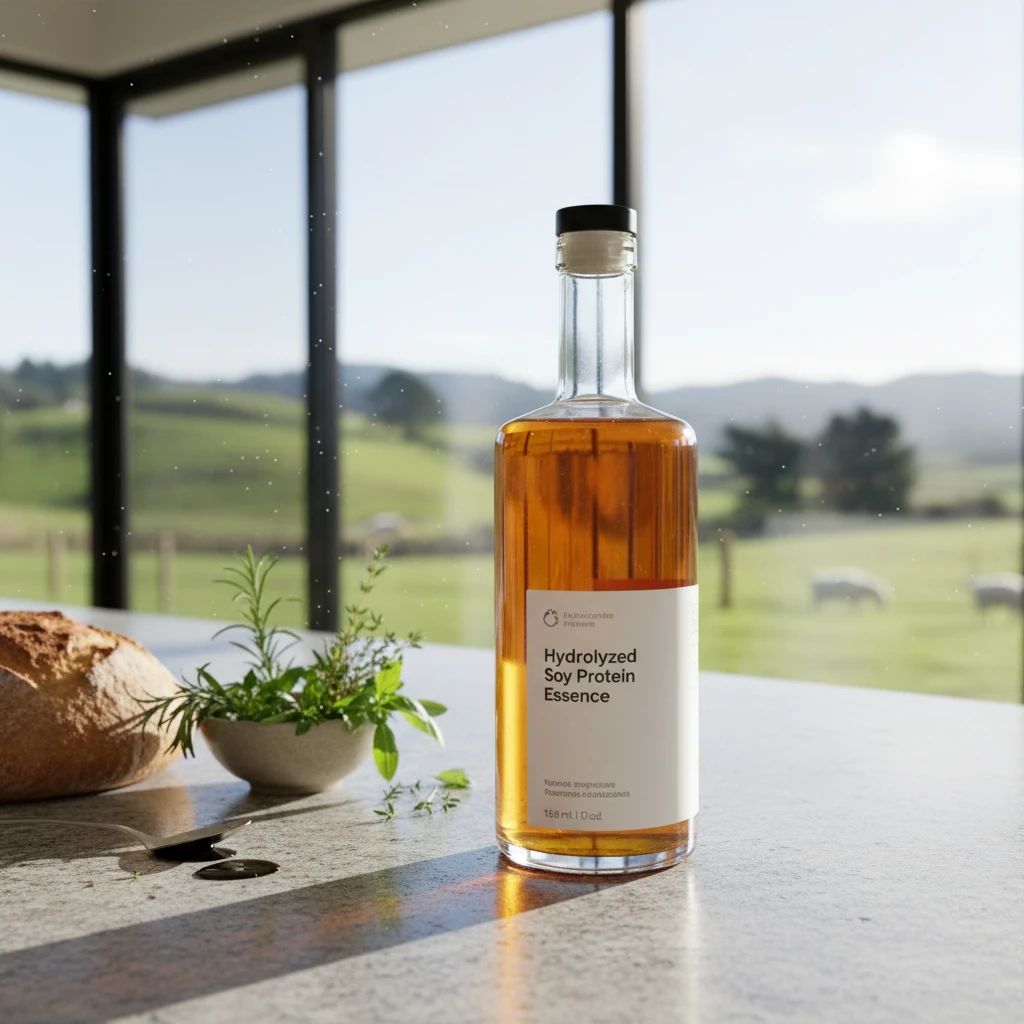
Nutritional Profile and Bioavailability
From a nutritional standpoint, Hydrolyzed Soy Protein is distinct from Soy Protein Isolate. While Isolate is a “slow” digesting protein often used for general supplementation, Hydrolyzed Soy is “pre-digested.” The hydrolysis process has already done the work that your stomach would usually do.
This results in rapid absorption. For athletes, this means amino acids are delivered to the muscles faster immediately post-workout. This rapid influx can spike insulin levels slightly, which helps drive nutrients into muscle cells for recovery. However, for the general population, this speed is rarely necessary compared to standard dietary protein.
It is worth noting that the biological value (BV) of soy is high for a plant source, containing all essential amino acids. However, if produced via acid hydrolysis, the destruction of tryptophan means it is no longer a complete protein in the strictest sense unless fortified.
Safety, MSG, and NZ Regulations
Safety is a paramount concern for the NZ Soy Authority audience. There are two main areas of discussion regarding safety: the MSG connection and processing contaminants.
The MSG Connection
A common question is: “Is Hydrolyzed Soy Protein just MSG in disguise?” The answer is nuanced. It contains free glutamate, which is chemically identical to the glutamate in MSG. However, in Hydrolyzed Soy Protein, the glutamate occurs as a result of breaking down the soy, whereas MSG is usually a purified salt of glutamic acid produced via bacterial fermentation.
Under Food Standards Australia New Zealand (FSANZ) regulations, if a product contains added MSG, it must be labelled as such (often as Flavour Enhancer 621). However, Hydrolyzed Soy Protein can be listed by its own name, even though it serves a similar function. For individuals sensitive to free glutamates, avoiding both MSG and hydrolyzed proteins is often recommended.
3-MCPD
Acid hydrolysis can produce a byproduct called 3-monochloropropane-1,2-diol (3-MCPD), which is considered a potential carcinogen in high amounts. Modern food safety standards in New Zealand and internationally have strict limits on 3-MCPD levels in soy sauces and hydrolyzed vegetable proteins. Reputable manufacturers monitor this closely to ensure levels remain well below safety thresholds.
Allergen Labelling in NZ
Soy is one of the major allergens identified by FSANZ. Regardless of whether the protein is intact or hydrolyzed, if it is derived from soy, it must be declared on the label. This is crucial for consumers with soy allergies, as the hydrolysis process does not necessarily eliminate the allergenic potential of the protein.
Comparison: Soy Isolate vs. Hydrolyzed Soy
To clarify the confusion between these two popular forms of soy, we have compiled a comparison based on functionality and usage.
| Feature | Soy Protein Isolate | Hydrolyzed Soy Protein |
|---|---|---|
| Structure | Intact, long-chain proteins. | Broken down peptides and amino acids. |
| Taste | Neutral, chalky, or beany. | Savoury, salty, umami (if acid hydrolyzed). |
| Primary Use | Protein shakes, meat alternatives (structure). | Flavour enhancement, cosmetics, specialized nutrition. |
| Digestion Speed | Moderate. | Very Fast (Pre-digested). |
| Allergenicity | High. | High (though some hypoallergenic formulas exist). |
For a general culinary lifestyle enthusiast looking to increase protein intake, Soy Protein Isolate is likely the better choice for smoothies and baking. Hydrolyzed Soy Protein is better suited for flavouring soups or for topical application in beauty routines.
Frequently Asked Questions
Is Hydrolyzed Soy Protein safe for everyone?
Generally, yes, it is considered safe by major food safety authorities including the FDA and FSANZ. However, individuals with a soy allergy must avoid it. Additionally, those sensitive to free glutamates (MSG) may experience symptoms and should consume it with caution.
Does Hydrolyzed Soy Protein contain gluten?
Pure Hydrolyzed Soy Protein is gluten-free as it is derived from soybeans, which are legumes. However, cross-contamination can occur during manufacturing. Always look for the “Gluten-Free” certification on the label if you have Celiac disease.
Is it vegan?
Yes, Hydrolyzed Soy Protein is 100% plant-derived and is a staple in many vegan diets. It is often used to add a “meaty” savoury flavour to vegan dishes without using animal stocks.
Can Hydrolyzed Soy Protein help hair grow?
While it doesn’t necessarily stimulate hair growth at the follicle level like minoxidil, it strengthens the hair shaft, reduces breakage, and improves texture. This can lead to the appearance of fuller, longer hair over time due to less breakage.
Why is it in my dog’s food?
Pet food manufacturers use Hydrolyzed Soy Protein for two reasons: it is an excellent flavour enhancer that makes the food palatable to dogs, and the hydrolyzed nature makes it hypoallergenic for dogs with sensitivities to whole proteins like chicken or beef.
How is it different from Hydrolyzed Vegetable Protein (HVP)?
Hydrolyzed Soy Protein is a specific type of HVP. HVP can be made from corn, wheat, or soy. If the label specifies “Soy,” you know the source. If it just says “Hydrolyzed Vegetable Protein,” it could be a blend of various plant sources.
Conclusion
Hydrolyzed Soy Protein is a multifaceted ingredient that bridges the gap between culinary art and cosmetic science. Its ability to deliver rich, umami flavours makes it indispensable in modern food production, particularly for plant-based alternatives gaining traction in New Zealand. Simultaneously, its restorative properties make it a hero ingredient in the personal care sector.
As with any processed ingredient, awareness is key. Understanding the difference between acid and enzymatic hydrolysis, and recognizing the presence of free glutamates, empowers consumers to make choices that align with their dietary needs and health philosophies. Whether you are looking to strengthen your hair or deepen the flavour of a vegetable stew, Hydrolyzed Soy Protein proves that the humble soybean continues to be one of nature’s most versatile resources.