
Hexane Extraction Issues: The Hidden Truth of Hexane Residue in Soy Products
A comprehensive technical and health-focused analysis of industrial solvent extraction in the modern food supply chain.
1. The Industrial Dominance of Soy
Soybeans are the cornerstone of the global food economy. From vegetable oils and protein isolates to Soy Formula: Indications & Safety and meat alternatives, soy is ubiquitous. However, the sheer scale of soy production requires high-efficiency processing methods. The most dominant of these is solvent extraction, a process that relies heavily on n-hexane, a chemical derived from petroleum. While efficient for maximizing oil yield, this process raises significant questions regarding food safety, specifically concerning hexane residue in soy products.
2. What is Hexane? A Chemical Overview
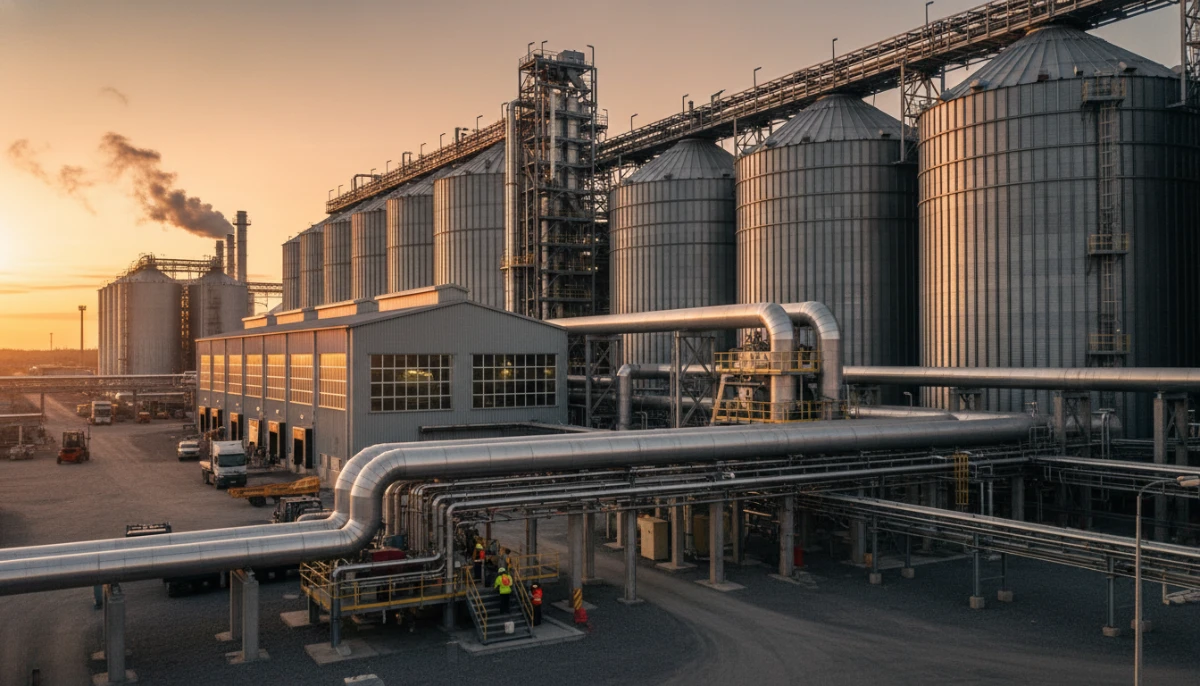
Hexane is a six-carbon chain alkane with the chemical formula C6H14. It is a colorless, volatile liquid at room temperature and is primarily produced by the refining of crude oil. In an industrial context, “hexane” usually refers to a mixture of isomers and related compounds like cyclohexane and pentane. Its primary appeal in the food industry is its low boiling point (69°C) and its high solubility for vegetable oils, which makes it an ideal solvent for extracting fats from plant materials.
3. The Mechanics of Solvent Extraction
The solvent extraction process is a marvel of industrial engineering but also the source of the residue controversy. The process typically involves several stages:
- Preparation: Soybeans are cleaned, dried, and dehulled. They are then flaked to increase surface area.
- Extraction: The soy flakes are soaked in a hexane bath. The solvent dissolves the oil out of the flakes, creating a “miscella” (a mixture of oil and solvent).
- Desolventizing: The remaining soy meal is heated to evaporate the solvent.
- Distillation: The miscella is heated to separate the hexane from the crude soy oil.
While the goal is to recover 100% of the hexane for reuse, the process is never perfect. Trace amounts of the solvent often remain trapped within the protein matrix or the oil molecules, leading to detectable hexane residue in soy products.
4. Hexane Residue in Soy Products
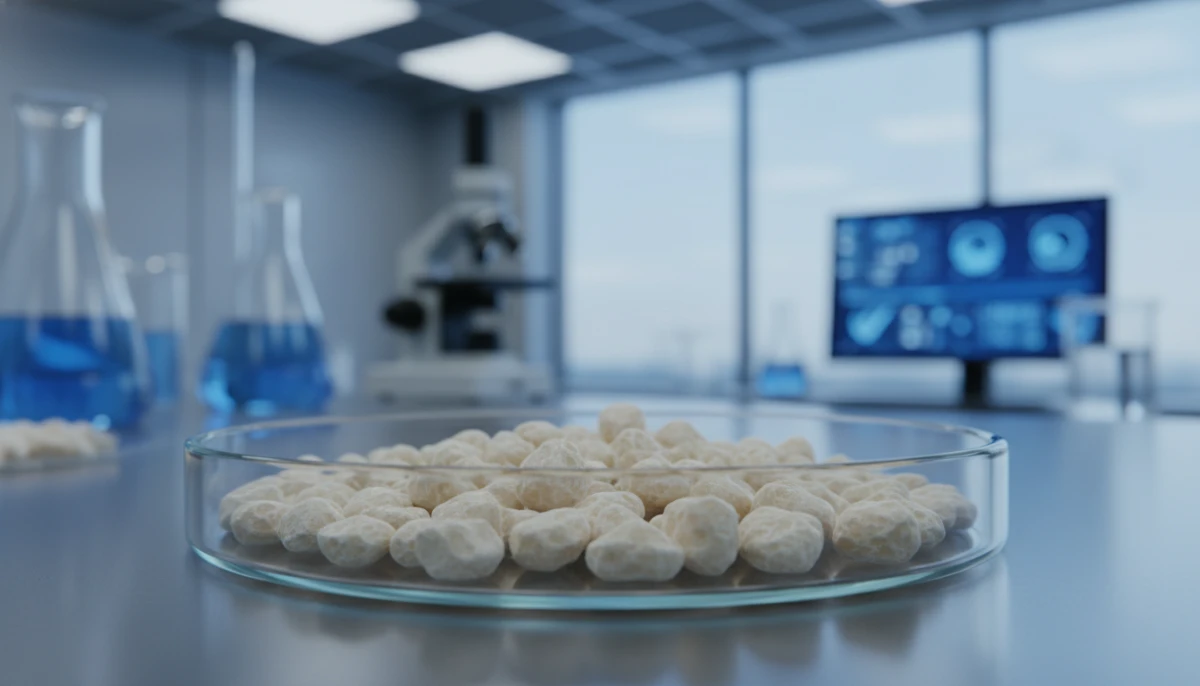
Research conducted by consumer advocacy groups and independent laboratories has frequently detected trace amounts of hexane in various soy-based foods. This is particularly prevalent in highly processed ingredients like soy protein isolate (SPI), textured vegetable protein (TVP), and soy protein concentrate. Unlike whole soybeans or expeller-pressed oils, these processed ingredients have undergone extensive contact with the solvent.
5. Toxicological and Health Implications
Hexane is classified as a neurotoxin by the Centers for Disease Control and Prevention (CDC). Long-term occupational exposure is known to cause peripheral neuropathy—numbness and tingling in the extremities, muscle weakness, and in severe cases, paralysis. While the concentrations found in food are significantly lower than those found in industrial settings, the long-term effects of chronic, low-level ingestion of hexane residue in soy products are not well-studied. Further discussions on soy’s impact, such as Trypsin Inhibitors Explained, contribute to a comprehensive understanding of its health profile.
Furthermore, the EPA classifies hexane as a hazardous air pollutant. The concern for consumers is the cumulative effect. If soy protein is a staple of a vegan or vegetarian diet, the daily intake of these trace residues could potentially exceed safe thresholds over decades of consumption.
6. Environmental Footprint of Hexane
The issues with hexane extraction extend beyond the dinner plate. Solvent extraction plants are significant sources of Volatile Organic Compounds (VOCs). When hexane escapes into the atmosphere during the drying and recovery stages, it reacts with nitrogen oxides in the presence of sunlight to form ground-level ozone (smog). This contributes to respiratory issues in local populations and degrades air quality.
7. Regulatory Standards and FDA Gaps
In the United States, the Food and Drug Administration (FDA) does not require food companies to test for hexane residues in their products. There is no established “Maximum Residue Limit” (MRL) for hexane in soy foods, unlike the European Union, which has stricter guidelines for solvent residues in fats and oils. This lack of oversight leaves consumers in the dark regarding the actual chemical content of their processed soy products.

8. Safer Extraction Alternatives
Fortunately, the technology exists to process soy without hazardous solvents. Consumers looking to avoid hexane residue in soy products should look for the following extraction methods:
- Expeller Pressing: A mechanical process that uses high pressure to squeeze oil out of the beans. It involves no chemicals.
- Cold Pressing: Similar to expeller pressing but conducted at lower temperatures to preserve nutrients.
- Supercritical CO2 Extraction: An advanced method using carbon dioxide in a fluid state as a solvent. It is highly effective and leaves zero toxic residue.
9. Consumer Safety Recommendations
To minimize exposure to hexane residue, follow these guidelines:
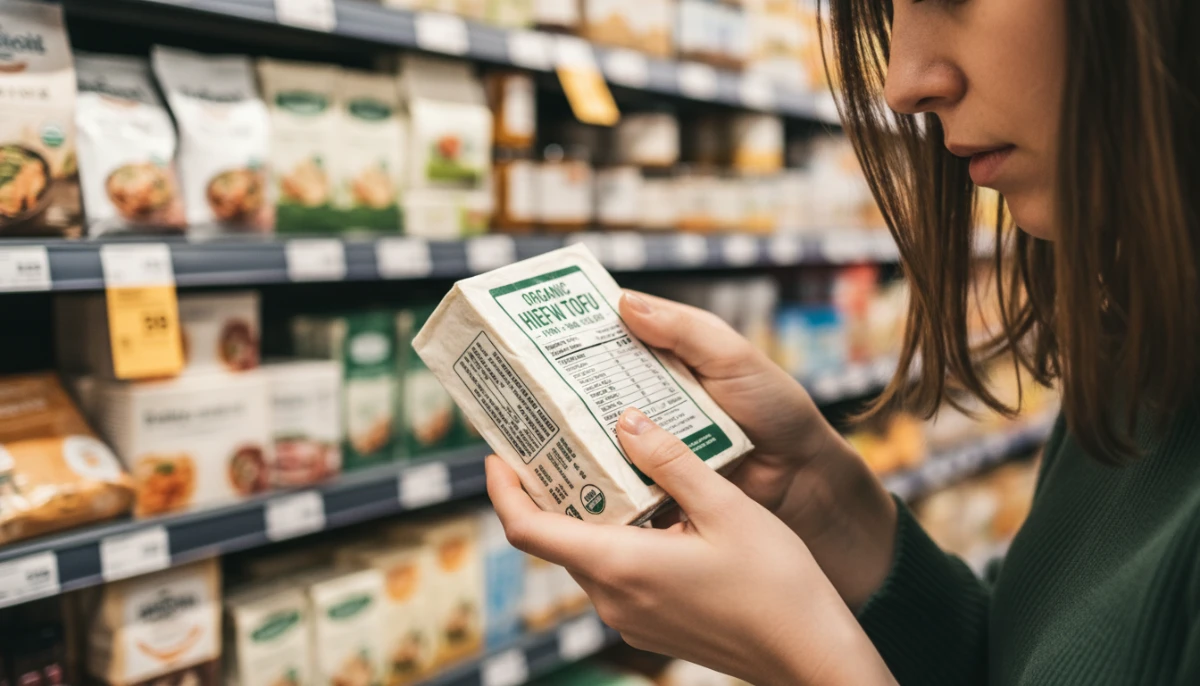
- Choose Certified Organic: USDA Organic standards prohibit the use of hexane in the processing of soy ingredients. If it’s organic, it’s hexane-free.
- Read Labels Carefully: Avoid products containing “soy protein isolate” or “textured vegetable protein” unless they are specifically labeled as organic or hexane-free.
- Support Transparent Brands: Some companies voluntarily test for residues and publish their results. Support brands that prioritize chemical-free processing.
For delicious and safe preparation of soy products like tofu, an Ultimate Air Fryer Tofu Guide can be a valuable resource.
10. Frequently Asked Questions
Is hexane found in all soy products?
No. It is primarily found in highly processed soy ingredients like oils and protein isolates. Whole soy foods like edamame and fermented soy like tempeh are typically hexane-free.
Does cooking remove hexane residue?
Because hexane has a low boiling point, some of it may evaporate during high-heat cooking. However, residues trapped within the molecular structure of proteins are unlikely to be fully eliminated by home cooking.
How can I tell if my soy milk is hexane-free?
Look for the “USDA Organic” seal. Organic soy milk is made from beans processed without the use of hexane. Additionally, brands that use whole soybeans rather than isolates are safer choices.