
Strategic Reconstruction: http://www.soyonlineservice.co.nz/03summary.htm refers to a critical historical document hosted by the Soy Online Service (SOS), an organization dedicated to exposing alleged health risks associated with soy consumption. This summary outlines how the global soy industry potentially “reconstructed” the public narrative, transforming soy from an industrial byproduct into a marketed health superfood, while raising alarms about isoflavone toxicity and thyroid interference.
Unpacking the Legacy of http://www.soyonlineservice.co.nz/03summary.htm
In the early days of the internet’s health information explosion, a specific URL became a focal point for nutritional controversy: http://www.soyonlineservice.co.nz/03summary.htm. This page served as the executive summary for the Soy Online Service (SOS), a New Zealand-based initiative led by researchers and activists, most notably Richard James and toxicologist Dr. Mike Fitzpatrick. Their work challenged the burgeoning consensus that soy was a miracle health food, instead presenting it as a potential endocrine disruptor with significant risks.
To understand the importance of this document, one must recognize the era in which it appeared. The late 1990s and early 2000s saw a massive push by the soy industry to secure FDA approval for heart health claims. The SOS summary stood as a counter-narrative, aggregating toxicological data that suggested the high levels of phytoestrogens in soy could be detrimental to human health, particularly for infants and those with thyroid conditions.
The term “Strategic Reconstruction” in this context often refers to the critical analysis of how the soy industry rebuilt its image. The SOS posited that through lobbying, funding specific studies, and aggressive marketing, the industry successfully masked the anti-nutritional factors inherent in unfermented soy products. This summary page was not merely a blog post; it was a digital manifest referencing studies on enzyme inhibitors, goitrogens, and the hormonal effects of genistein and daidzein.
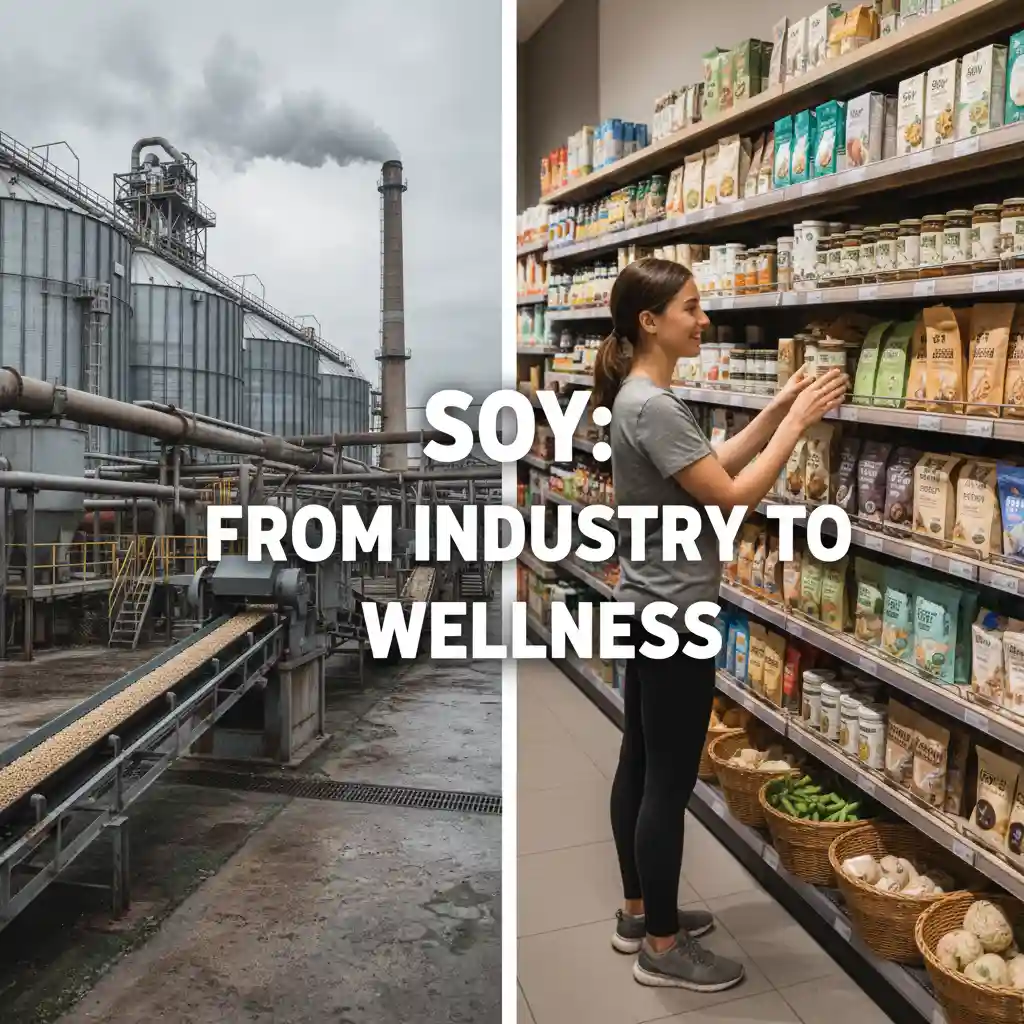
The Concept of Strategic Reconstruction in Soy Marketing
The phrase “Strategic Reconstruction” serves as a powerful metaphor for the transformation of the soybean’s reputation. Historically, the soybean was primarily an industrial crop used for oil and animal feed. The residue, or soy meal, was a byproduct. The SOS summary argued that the industry faced a strategic problem: how to monetize this byproduct for human consumption on a massive scale.
According to the critics cited in the 03summary.htm document, the “reconstruction” involved several key tactics:
- Reframing Anti-Nutrients: Substances previously considered anti-nutrients, such as protease inhibitors and phytates, were re-evaluated or ignored in marketing literature, while isoflavones (plant estrogens) were elevated from potential toxins to cancer-fighting agents.
- Cultural Appropriation: Marketing campaigns heavily leaned on the idea that Asian cultures have consumed soy for millennia without ill effects. The SOS summary countered this by pointing out that traditional consumption was often limited to small amounts of fermented soy (like miso, tempeh, and natto), which neutralizes many toxins, rather than the highly processed soy protein isolates found in modern Western diets.
- Influencing Policy: The document detailed efforts to influence government bodies, such as the FDA, to allow health claims that would boost sales. This culminated in the 1999 FDA ruling allowing claims that soy protein reduces the risk of heart disease, a ruling that the SOS and other groups like the Weston A. Price Foundation vehemently opposed.
This strategic shift was wildly successful, turning soy into a staple of the health food market. However, the documents hosted at the SOS URL served as a persistent reminder of the scientific dissent that existed behind the scenes of this marketing triumph.
Core Findings of the Soy Online Service
The content within http://www.soyonlineservice.co.nz/03summary.htm was dense with toxicological references. The summary broke down the risks into several primary categories, arguing that the safety of long-term, high-dose soy consumption had not been adequately established before the public was encouraged to consume it daily.
One of the primary assertions was the presence of Protease Inhibitors. The summary explained that raw soy contains inhibitors that block the action of trypsin and other enzymes needed for protein digestion. While heat treatment reduces these levels, the SOS argued that residual levels in processed soy foods could still cause chronic gastric distress and pancreatic issues in sensitive individuals.
Another major point was the high content of Phytates (phytic acid). Soybeans have higher levels of phytates than any other grain or legume. Phytates bind to minerals like calcium, magnesium, copper, iron, and zinc in the intestinal tract, blocking their absorption. The SOS summary highlighted that this could lead to mineral deficiencies, particularly in vegetarians who relied on soy as a primary protein source. The authors noted that traditional fermentation processes significantly reduce phytate content, whereas modern processing methods for soy milk and protein powder do not.
Isoflavones, Thyroid Function, and Endocrine Disruption
Perhaps the most controversial and significant section of the SOS summary involved the thyroid. The document presented evidence that soy isoflavones—specifically genistein and daidzein—act as goitrogens. A goitrogen is a substance that suppresses the function of the thyroid gland by interfering with iodine uptake, which can lead to goiter (enlargement of the thyroid) and hypothyroidism.
The authors of the summary cited historical data and animal studies showing that soy consumption could induce thyroid enlargement. They argued that for individuals with subclinical hypothyroidism or iodine deficiency, high soy consumption could tip the balance toward clinical disease. This perspective has been supported by various studies over the years, leading to a general recommendation that patients taking synthetic thyroid hormone (levothyroxine) should separate their medication from soy consumption by several hours.
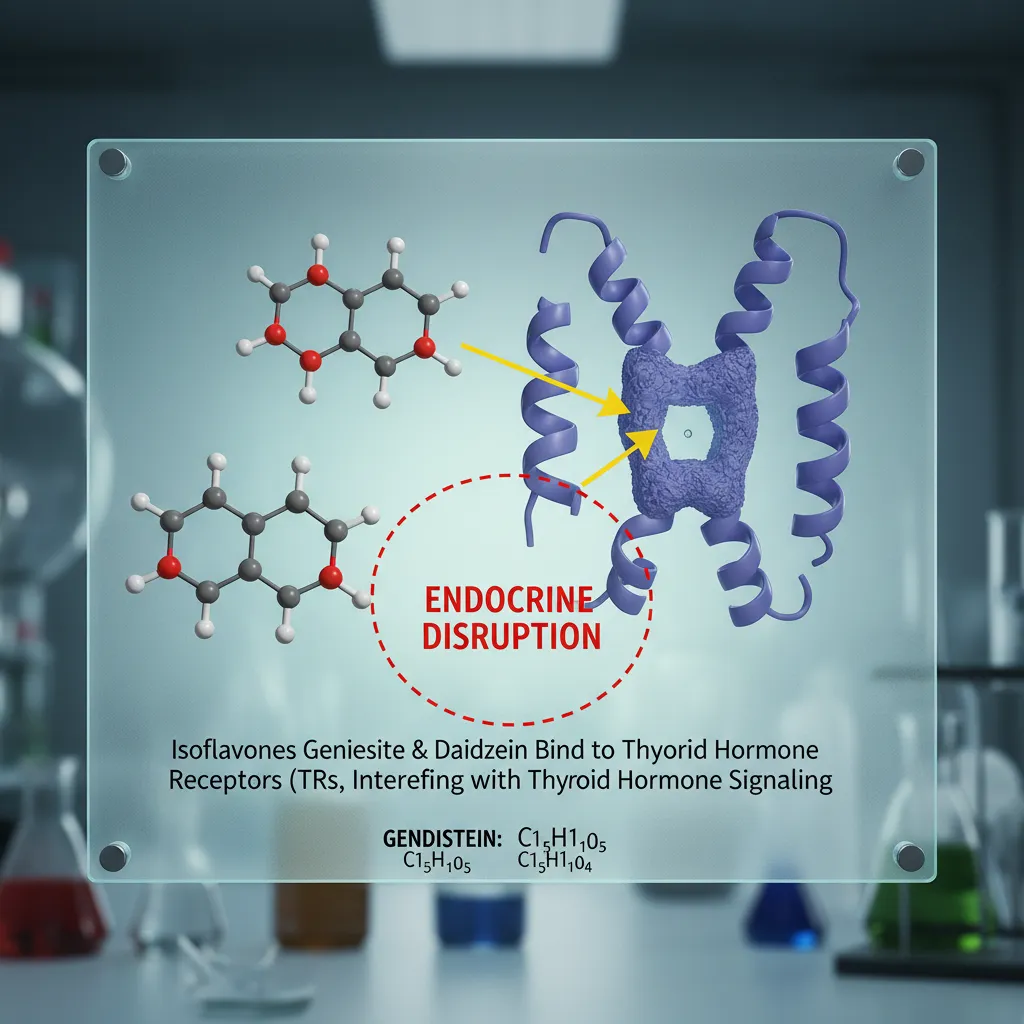
Furthermore, the summary delved into the estrogenic effects of these isoflavones. Being phytoestrogens, they mimic the hormone estrogen in the body. While the industry marketed this as a benefit for menopausal women (to reduce hot flashes), the SOS summary warned of the potential for endocrine disruption. They raised concerns about the impact on reproductive health in men and the potential for these compounds to stimulate the growth of estrogen-sensitive cancer cells, a topic that remains a subject of nuanced scientific debate today.
For a broader understanding of how isoflavones function, authoritative sources like the National Institutes of Health (NIH) provide extensive literature reviews on the complex interaction between phytoestrogens and human physiology.
The Controversy Surrounding Soy Infant Formula
A significant portion of the strategic reconstruction narrative focused on the safety of soy-based infant formula. The SOS summary was particularly alarmist regarding this product. They calculated that an infant fed exclusively on soy formula receives a daily dose of estrogen equivalents (based on body weight) that is exponentially higher than that of an adult consuming a soy-rich diet.
The document famously compared the hormonal load to the equivalent of several birth control pills a day (a claim that was highly controversial and contested by the industry). The concern was that this flood of phytoestrogens during critical developmental windows could affect sexual development, brain maturation, and immune system function. The SOS pointed to studies suggesting early soy exposure might be linked to premature puberty in girls and developmental anomalies in boys.
While modern health organizations generally consider soy formula safe for term infants who cannot tolerate cow’s milk, the concerns raised in the 03summary.htm document sparked a lasting debate. It prompted further research into the long-term developmental effects of phytoestrogens, leading to more cautious guidelines in some countries regarding the use of soy formula as a first-line option.
Evaluating Historical Data in the Modern Context
The website http://www.soyonlineservice.co.nz is no longer active, but its impact persists. The arguments presented in 03summary.htm helped form the bedrock of the “anti-soy” movement that continues in various nutrition circles today, such as the Paleo and Primal communities.
However, it is crucial to view this “Strategic Reconstruction” through a balanced lens. Since the publication of that summary, thousands of studies have been conducted. The scientific consensus has evolved to a middle ground:
- Moderate Consumption: Most health authorities agree that moderate consumption of soy foods is safe for the general population.
- Processing Matters: The distinction between whole/fermented soy and highly processed soy isolates (which the SOS criticized) is now widely recognized as important. Fermented products like miso and tempeh are generally viewed as superior.
- Individual Variation: The warning regarding thyroid health remains relevant for susceptible individuals, validating some of the SOS’s early concerns.
The legacy of the Soy Online Service is a reminder of the importance of questioning industrial food narratives. The “Strategic Reconstruction” of soy was indeed a marketing triumph, but the SOS ensured that the conversation included necessary scrutiny regarding safety and processing methods. For more on the history of the soybean and its industrial rise, Wikipedia’s entry on the Soybean offers a comprehensive timeline.
Conclusion: The Enduring Impact of the SOS Summary
The document once found at http://www.soyonlineservice.co.nz/03summary.htm was more than just a webpage; it was a dossier of dissent against a powerful agricultural narrative. By framing the rise of soy as a “Strategic Reconstruction,” the authors highlighted the disconnect between traditional food wisdom and modern industrial food processing.
While the website is gone, the questions it raised about isoflavones, thyroid health, and infant safety forced a higher standard of research and transparency within the food industry. Whether one views soy as a superfood or a health risk, the scrutiny initiated by the Soy Online Service has undoubtedly contributed to a more informed public dialogue regarding what we eat.
People Also Ask
What was the main purpose of the Soy Online Service website?
The Soy Online Service (soyonlineservice.co.nz) was established to inform the public about the potential toxicity of soy products, challenging the industry’s marketing claims regarding soy’s safety and health benefits.
What does “Strategic Reconstruction” mean regarding soy?
In this context, “Strategic Reconstruction” refers to the marketing and lobbying efforts used by the soy industry to transform the public perception of soy from an industrial byproduct into a premium health food.
Are the claims in the 03summary.htm document scientifically valid?
Many claims, such as the goitrogenic (thyroid-suppressing) potential of soy and the difference between fermented and unfermented soy, are supported by science. However, some claims regarding the severity of toxicity are debated by mainstream health organizations.
Does soy really affect thyroid function?
Yes, soy contains goitrogens that can interfere with iodine uptake. This is generally not an issue for healthy adults with sufficient iodine intake, but it can be problematic for those with hypothyroidism or iodine deficiency.
Why did the Soy Online Service advise against soy infant formula?
The SOS advised against it due to the extremely high levels of phytoestrogens (isoflavones) in soy formula, which they argued could disrupt the hormonal development of infants.
Where can I find the content of soyonlineservice.co.nz now?
Since the website is defunct, the content can primarily be found via internet archives like the Wayback Machine or referenced in articles by organizations like the Weston A. Price Foundation.