
Traditional Whole Foods: A Comprehensive Guide to the Healthiest Soy Food Sources
Unlock the power of ancient nutrition and modern science as we explore the essential role of minimally processed soy in a longevity-focused diet.
Table of Contents
The Essence of Traditional Whole Foods
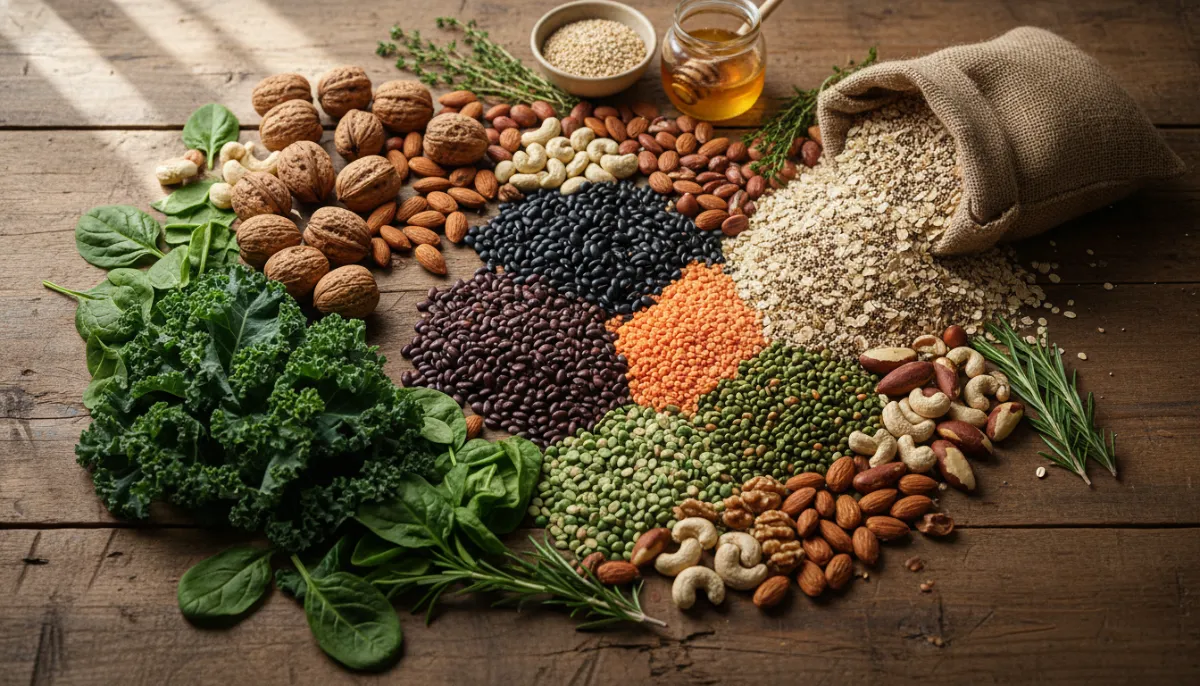
Traditional whole foods are defined as nutrient-dense staples that have undergone minimal industrial processing, retaining their original fiber, micronutrients, and enzymatic complexity. In the context of longevity and metabolic health, these foods serve as the biological blueprints for optimal human performance. Unlike hyper-processed substitutes, traditional preparations—such as stone-ground grains, cold-pressed fats, and fermented legumes—interact with the human microbiome in a way that modern engineered foods cannot replicate.
“To eat is a necessity, but to eat intelligently is an art.” – La Rochefoucauld
As we pivot toward more sustainable and health-centric dietary patterns, the emphasis on whole, plant-based proteins has never been more critical. Among these, the soybean stands as one of the most misunderstood yet nutritionally complete pillars of human history.
Key Characteristics:
- 01Minimal mechanical or chemical manipulation.
- 02Absent of synthetic preservatives or isolates.
- 03Historically validated through long-term cultural consumption.
The Science of High-Quality Soy
Soy (Glycine max) is unique in the plant kingdom because it is a complete protein, containing all nine essential amino acids required for human tissue repair and metabolic function. However, the commercial market is flooded with “soy isolates” and “texturized vegetable proteins” which lack the synergistic compounds found in the whole bean. To identify the healthiest soy food sources, one must look at the presence of isoflavones (genistein and daidzein), saponins, and phytosterols.
Complete Protein Profile
Unlike most legumes, soy contains a PDCAAS (Protein Digestibility Corrected Amino Acid Score) nearly equal to beef and whey protein.
Cardiovascular Support
Studies consistently show that 25g of soy protein daily can help lower LDL cholesterol and improve arterial elasticity.
Bone Density
High concentrations of isoflavones stimulate osteoblast activity, supporting bone mineral density in aging populations.
The 5 Healthiest Soy Food Sources: A Comparative Analysis
When navigating the commercial landscape for the healthiest soy food sources, prioritize those that are organic, non-GMO, and either fermented or minimally cooked. Here are the gold standards for nutritional density.
1. Tempeh
The Indonesian Powerhouse
Tempeh is produced through the controlled fermentation of whole soybeans using the Rhizopus oligosporus fungus. This process binds the soybeans into a firm, nutty-tasting cake. Because it uses the whole bean, it is significantly higher in fiber and protein than tofu.
- ✓ High Probiotic Content
- ✓ 31g Protein per Cup
- ✓ Rich in Vitamin B12
- ✓ Excellent for Satiety
2. Natto
The Longevity Secret
Natto is a traditional Japanese food made by fermenting soybeans with Bacillus subtilis var. natto. It is arguably the healthiest soy food source due to its unmatched Vitamin K2 (MK-7) content, which is vital for heart health and bone mineralization.
- ✓ Richest Source of Nattokinase
- ✓ Cardiovascular Support
- ✓ Distinctive Savory Umami
- ✓ High Bioavailability

3. Edamame
The Fresh Approach
Edamame are young, green soybeans harvested before they ripen. They are the least processed form of soy, providing a wealth of folate, manganese, and antioxidants. Because they are consumed as a whole vegetable, they retain 100% of their natural fiber.
- ✓ Low Glycemic Index
- ✓ Rich in Folate
- ✓ High Anthocyanins
- ✓ Easy Snack Preparation
4. Miso
Microbiome Fuel
Miso is a thick paste produced by fermenting soybeans with salt and koji (the mold Aspergillus oryzae). While used primarily as a seasoning, its benefits for the gut microbiome are profound. Long-aged misos (Red Miso) have higher concentrations of antioxidants.
- ✓ Live Active Cultures
- ✓ Salt-Tolerant Probiotics
- ✓ Digestive Enzyme Support
- ✓ Diverse Micronutrients
The Fermentation Advantage: Why it Matters
While unfermented soy is healthy, fermentation acts as a “pre-digestion” process that drastically improves nutrient absorption. Soybeans naturally contain phytic acid and enzyme inhibitors which can interfere with the absorption of minerals like calcium, magnesium, and zinc. The fermentation process (as seen in tempeh and natto) breaks down these anti-nutrients, making the minerals bioavailable.
The Bioavailability Breakdown
| Component | Unfermented Soy | Fermented Soy |
|---|---|---|
| Phytic Acid | High (locks minerals) | Low (releases minerals) |
| Isoflavones | Glycoside form (slower absorption) | Aglycone form (fast absorption) |
| Vitamin K2 | Negligible | Highest Concentration |

Protein Synthesis & Muscle Recovery
In the commercial fitness world, whey is often hailed as the king of protein. However, for those seeking the healthiest soy food sources, the data suggests that soy is equally effective for hypertrophy and muscle maintenance. Soy contains high levels of the branched-chain amino acid (BCAA) Leucine, which serves as the primary trigger for muscle protein synthesis.
Athletes utilizing whole-food soy sources like edamame and tempeh benefit from a “slow-release” amino acid profile combined with antioxidants that reduce exercise-induced oxidative stress. This dual-action—building muscle while lowering inflammation—is a significant advantage of whole-soy over refined protein powders.
Phytoestrogens and Hormonal Reality
There is a lingering misconception that soy negatively impacts testosterone or causes hormonal imbalances in men. Comprehensive meta-analyses of clinical studies have shown that isoflavones do not alter testosterone or estrogen levels in men. In women, these same phytoestrogens can actually have a modulating effect, binding to estrogen receptors to potentially reduce the risk of certain cancers and alleviate menopausal symptoms.
The Male Perspective
Studies on up to 70g of soy protein daily show zero negative impact on masculinity, libido, or hormonal profile. It may even support prostate health.
The Female Perspective
Phytoestrogens act as SERMs (Selective Estrogen Receptor Modulators), protecting tissues from excessive estrogen stimulation while providing relief from hot flashes.
Sourcing and Sustainability Protocols
When shopping for the healthiest soy food sources, the quality of the raw bean is paramount. Industrial soy production is a major driver of deforestation in South America; however, the soy intended for direct human consumption (tempeh, tofu, natto) is typically grown under much stricter standards than the soy used for livestock feed.

The Checklist for Quality:
- Always Choose Organic: To avoid glyphosate residues which are prevalent in conventional soy.
- Check for Sprouted Options: Sprouted tofu or soy milk further reduces anti-nutrients.
- Avoid “Isolated Soy Protein”: Usually found in protein bars and fake meats; it lacks the fiber and phytonutrients of the whole bean.
- Support Local Fermenters: Artisanal tempeh or miso often contains a wider variety of beneficial bacteria than mass-produced versions.
Frequently Asked Questions
What is the single healthiest soy food source?
While all traditional forms have benefits, Natto is widely considered the healthiest due to its high concentration of Vitamin K2 and the enzyme nattokinase, which supports heart health.
Can I eat soy every day?
Yes. Clinical research indicates that 1-3 servings of whole-food soy per day are safe and beneficial for the vast majority of the population.
Is tofu as healthy as tempeh?
Tofu is an excellent source of protein and calcium, but tempeh is generally superior because it is a whole-bean product with more fiber and higher protein density per gram.