
Zero Waste Soy: The Ultimate Guide
Mastering the art of using okara soy pulp for a circular, sustainable lifestyle.
Understanding Okara: The Hidden Jewel of Soy
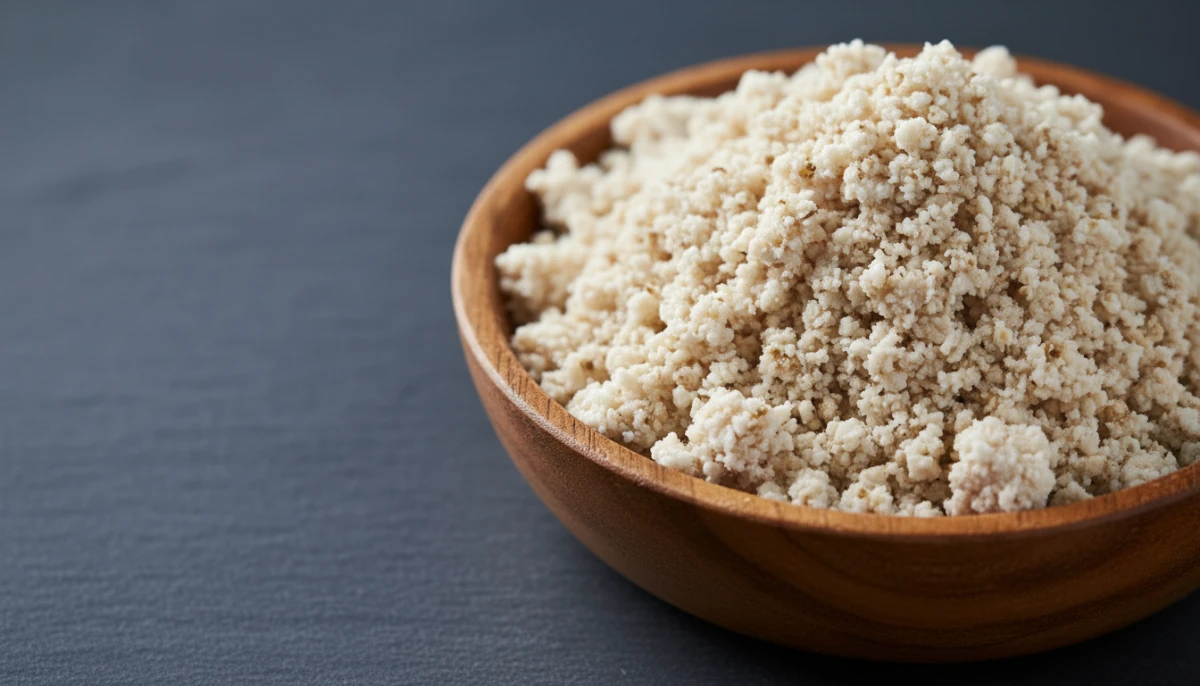
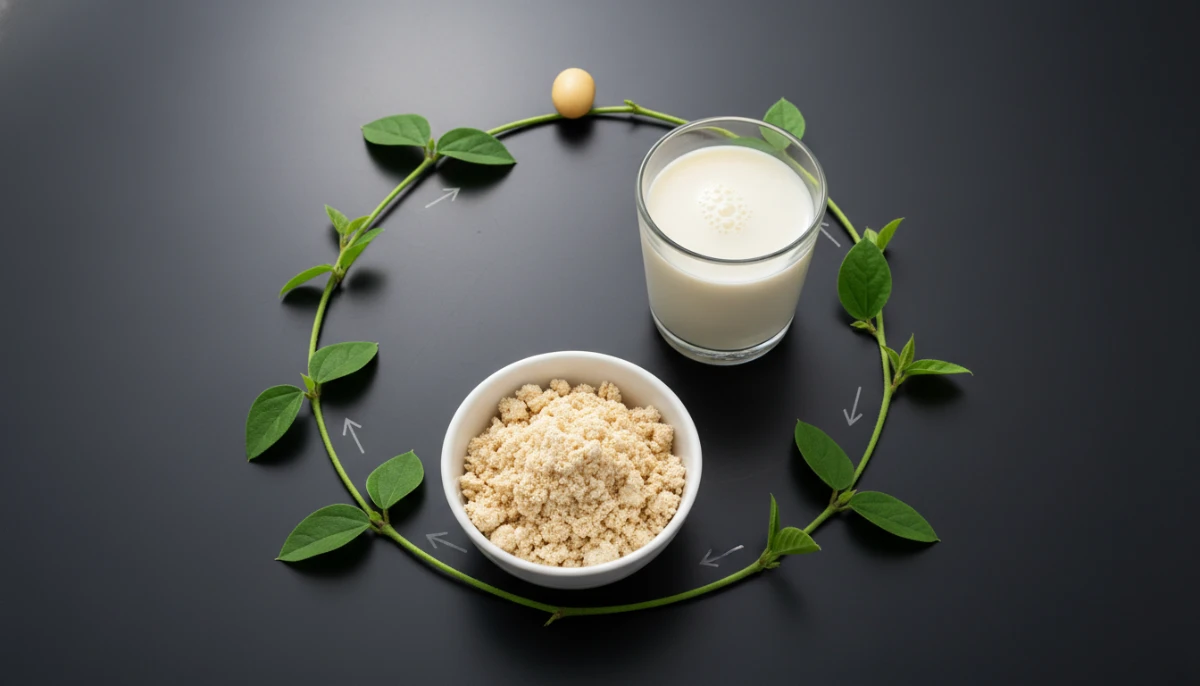
In the burgeoning world of plant-based nutrition, the production of soy milk and tofu has skyrocketed. However, this production leaves behind a massive quantity of a pulpy byproduct known as okara. For centuries, in traditional East Asian kitchens, this substance was never treated as waste. Instead, it was revered as a versatile ingredient. Okara is essentially the insoluble parts of the soybean that remain after the pureed soybeans are filtered to produce soy milk. It is creamy in color, slightly nutty in aroma, and possesses a crumbly texture reminiscent of wet sawdust or ground coconut. Using okara soy pulp is not merely a culinary trend; it is a fundamental pillar of zero-waste living. When we discard okara, we are throwing away nearly 20 percent of the soybean’s protein and a significant portion of its dietary fiber. In a global economy where food security and waste reduction are paramount, understanding how to reintegrate this byproduct into our diets is essential. The process of making soy milk involves soaking, grinding, and boiling soybeans. The resulting liquid is strained, leaving the solid residue—okara. While industrial manufacturers often struggle with the sheer volume of okara, home cooks and small-scale artisanal producers can easily harness its potential. By viewing okara not as a waste product but as a secondary harvest, we transition toward a truly circular soy economy.
The History of Okara in Culinary Traditions
Historically, okara has been a staple in Japanese, Chinese, and Korean cuisines. In Japan, it is famously known as ‘unohana’ or ‘kirazu’. It has been used for generations in stir-fries, stews, and even fermented products. The philosophy of ‘Mottainai’—a Japanese term conveying regret over waste—is perfectly encapsulated in the utilization of okara. Traditional preparations often mix it with vegetables like carrots, shiitake mushrooms, and burdock root, seasoned with soy sauce and mirin. This transforms a humble byproduct into a nutritious, savory side dish that complements the main meal. As we look toward modern sustainable practices, these ancient traditions provide a roadmap for reducing our carbon footprint and maximizing the utility of every crop harvested.
The Nutritional Powerhouse Within
One of the most compelling reasons for using okara soy pulp is its dense nutritional profile. While the liquid extraction removes much of the fat and soluble protein, the remaining pulp is a concentrated source of dietary fiber and minerals. Specifically, okara is exceptionally high in cellulose, hemicellulose, and lignin—components essential for digestive health. It acts as a prebiotic, fueling the beneficial bacteria in the gut. Furthermore, it contains significant amounts of calcium, iron, and riboflavin. For those following a vegan or vegetarian diet, okara offers a unique opportunity to boost protein intake without the high caloric density found in many processed meat alternatives. Studies have shown that okara contains high-quality protein with a good balance of amino acids, though it is slightly lower in sulfur-containing amino acids compared to the original bean. Beyond the macronutrients, okara is rich in isoflavones—plant compounds that have been linked to reduced risks of cardiovascular disease and certain types of cancer. By incorporating okara into daily meals, individuals can enhance their intake of these phytochemicals which are often lost in more refined soy products. The low-fat nature of okara also makes it an ideal ingredient for those managing their weight or cholesterol levels.
Typical Nutritional Content per 100g (Dry Basis):
- Protein: 24-28g
- Total Dietary Fiber: 50-60g
- Fat: 10-12g
- Carbohydrates: 12-15g
- Essential Minerals: Calcium, Potassium, Magnesium
Culinary Applications: From Flour to Fiber
Using okara soy pulp in the kitchen is limited only by one’s imagination. Its neutral flavor profile makes it a ‘culinary chameleon,’ capable of absorbing the flavors of the spices and liquids it is cooked with. There are two primary ways to use okara: fresh or dried. Fresh okara has a moisture content of about 80%, which gives it a soft, mashable consistency. This is perfect for replacing eggs or binders in recipes. When dried and ground, it becomes okara flour—a gluten-free alternative that adds bulk and nutrition to baked goods.
Baking and Desserts
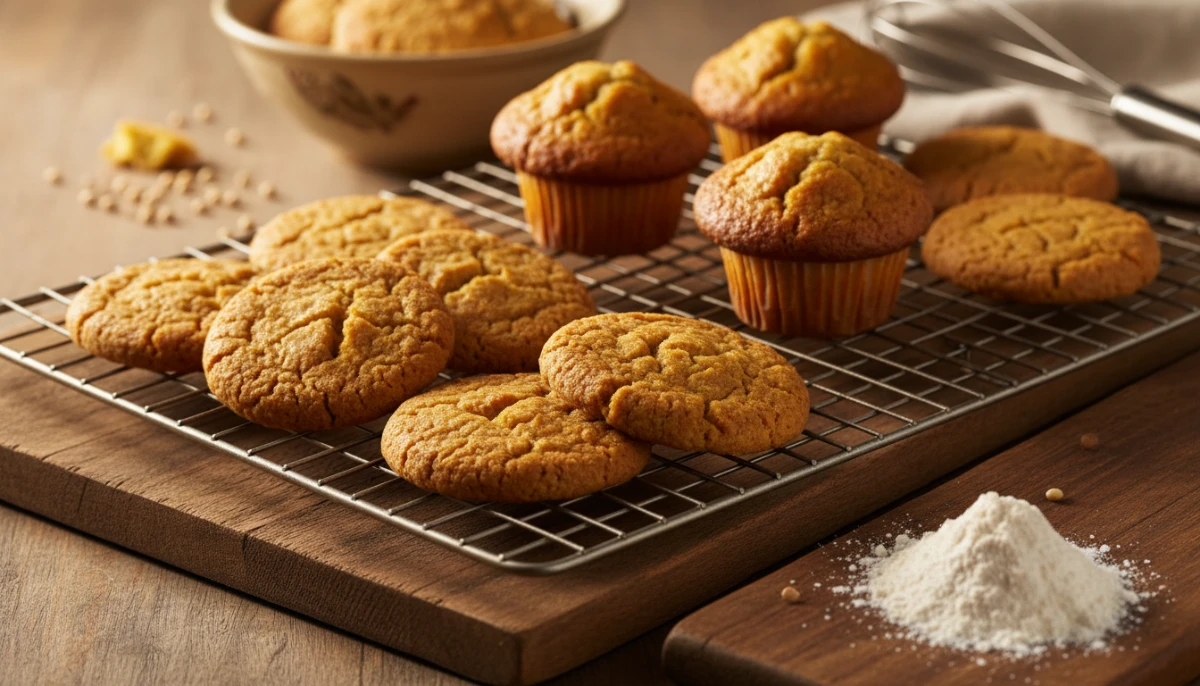
In baking, okara acts as a moisture-retaining agent. If you are making muffins, brownies, or cookies, you can replace up to 25% of the traditional flour with fresh or dried okara. This not only increases the fiber content but also results in a denser, moister crumb. For gluten-free bakers, okara is a godsend. It provides a structural integrity that is often missing in other gluten-free flours. In desserts, okara can be blended into puddings or used as a base for vegan cheesecake crusts. Its high fiber content slows the absorption of sugars, potentially lowering the glycemic index of your sweet treats.
Savory Innovations
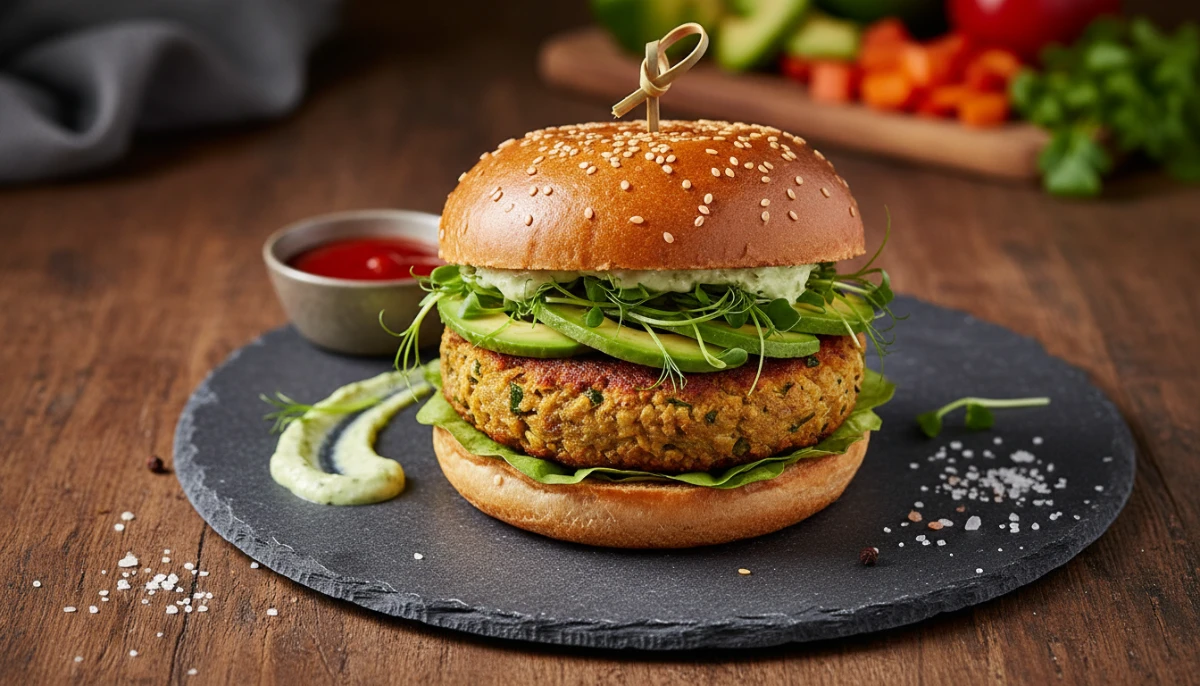
Savory applications are where okara truly shines. Because of its texture, it is an excellent meat substitute. It can be seasoned with soy sauce, garlic, and smoke liquid to create a ground beef alternative for tacos or bolognese. One of the most popular modern uses is the ‘Okara Burger.’ By mixing fresh okara with cooked grains (like quinoa or brown rice), mushrooms, and a binding agent like flax seeds, you can create a patty that holds its shape and provides a satisfying mouthfeel. Furthermore, okara can be added to soups and stews as a natural thickener. Instead of using a flour-based roux, a few spoonfuls of okara will provide body and creaminess while boosting the nutritional density of the dish.
Preservation Methods: Drying and Freezing
Because okara has a high moisture and protein content, it is highly perishable. If left at room temperature, it can spoil within hours. Therefore, mastering preservation is key to using okara soy pulp effectively. The simplest method for the home cook is freezing. Fresh okara can be portioned into silicone molds or freezer bags and stored for up to six months. When ready to use, simply thaw and incorporate into your recipe. However, for those looking for a pantry-stable option, dehydration is the superior choice.
Creating Okara Flour
To make okara flour, spread the fresh pulp thinly on a baking sheet. You can dry it in an oven at the lowest possible temperature (usually around 150°F or 65°C) for several hours, or use a dedicated food dehydrator. Periodically stir the pulp to ensure even drying. Once the okara is completely dry and brittle, pulse it in a high-speed blender until it reaches a fine, powdery consistency. This homemade okara flour can be stored in an airtight container for months. It is an excellent way to ensure you always have a high-fiber booster on hand for smoothies, breading, or baking.
Fermentation: The Tempeh Technique
A more advanced but highly rewarding method of preservation is fermentation. In Indonesia, okara is fermented with the Rhizopus oligosporus fungus to create ‘Tempe Gembus.’ This process not only extends the shelf life but also makes the nutrients more bioavailable and adds a complex, umami flavor profile. The fermentation breaks down the complex fibers, making it easier to digest and giving it a soft, mushroom-like texture. This represents the pinnacle of zero-waste soy processing, turning a byproduct into a gourmet fermented food.
Beyond the Kitchen: Industrial and Garden Uses
The utility of using okara soy pulp extends far beyond human consumption. In the context of a circular economy, okara serves as a valuable resource for agriculture and industry. For home gardeners, okara is a nitrogen-rich additive for compost. Because it decomposes quickly, it can provide a rapid nutrient boost to garden beds, though it should be buried to avoid attracting pests. In larger-scale agriculture, okara is frequently used as high-protein animal feed for livestock and poultry, reducing the need for virgin soy crops.
Sustainable Materials and Skincare
Innovative startups are now exploring okara as a base for biodegradable plastics and packaging materials. Its fibrous nature allows it to be compressed into boards or molded into shapes, providing a sustainable alternative to petroleum-based products. In the realm of personal care, okara is being investigated for its skin-soothing properties. Some artisanal soap makers use dried okara as a natural exfoliant, while its isoflavone content is sought after in natural anti-aging creams. The versatility of this ‘waste’ product is a testament to the potential of biological resources when viewed through the lens of sustainability.
The Environmental Impact of Zero Waste Soy
The environmental benefits of using okara soy pulp cannot be overstated. Food waste is a major contributor to greenhouse gas emissions; when organic matter rots in landfills, it produces methane, a gas significantly more potent than carbon dioxide. By diverting okara from the waste stream, we directly mitigate this impact. Furthermore, using okara as a food source reduces the demand for additional land use. If we can get two products—milk and pulp—from the same bean, we are essentially doubling the efficiency of the land used to grow that soy. This is critical in the fight against deforestation, particularly in regions like the Amazon where soy cultivation is a major driver of land clearing. A zero-waste approach to soy production represents a shift toward a more resilient and ethical food system, where resources are respected and nothing of value is discarded.
Frequently Asked Questions
What does okara taste like?
Okara has a very mild, neutral, and slightly nutty flavor. Its primary characteristic is its texture, which allows it to take on the flavors of whatever seasonings or ingredients it is paired with.
Can I eat okara raw?
While okara is technically ‘cooked’ during the soy milk making process, it is best enjoyed further cooked or baked to improve its digestibility and flavor. Raw okara can have a slightly ‘beany’ taste that many find unappealing.
How long does fresh okara last in the fridge?
Fresh okara is highly perishable and should only be kept in the refrigerator for 2-3 days. For longer storage, it is highly recommended to freeze or dehydrate it immediately.
Is okara gluten-free?
Yes, okara is naturally gluten-free as it is derived solely from soybeans. This makes it an excellent high-protein, high-fiber addition to gluten-free diets.