
The Kiwi Soy Guide: Local Sourcing & Commercial Insights
A comprehensive exploration of the soy products New Zealand landscape, focusing on sustainability, procurement, and the evolving agricultural economy of Aotearoa.
Table of Contents

1. The New Zealand Soy Market Overview
The demand for soy products New Zealand has witnessed an unprecedented surge over the last decade. As global dietary patterns shift toward plant-based proteins, the New Zealand market has adapted, transitioning from a heavy reliance on imported finished goods to a sophisticated ecosystem of local processing and niche cultivation. While New Zealand’s climate has historically favored dairy and sheep farming, the rise of the conscious consumer has forced a re-evaluation of land use.
Currently, the market is bifurcated into two primary segments: industrial-scale imports for animal feed and high-value, food-grade soy for human consumption. The latter is where the growth lies. For commercial entities—ranging from boutique cafes in Wellington to nationwide supermarket chains—understanding the provenance of soy is no longer optional; it is a core component of brand integrity and supply chain resilience.
2. Benefits of Local Sourcing in Aotearoa
Sourcing soy products locally within New Zealand offers distinct advantages that transcend simple logistics. For businesses, the primary driver is often the reduction of the carbon footprint. By minimizing the distance between the processing facility and the end consumer, companies can significantly lower their Scope 3 emissions—a critical metric for modern ESG (Environmental, Social, and Governance) reporting.
Quality Assurance
Local production allows for tighter oversight of the non-GMO status, which is a significant selling point in the NZ market.
Supply Resilience
Reducing reliance on international shipping lanes protects businesses from global supply chain shocks and port delays.
Economic Circularity
Investing in local processors supports New Zealand jobs and fosters innovation within the domestic agricultural technology sector.
Furthermore, local freshness is paramount for products like tofu and fresh soy milk. Unlike imported ultra-heat treated (UHT) alternatives, locally produced fresh soy items retain a superior flavor profile and nutritional integrity, which is highly valued in the premium culinary sector.
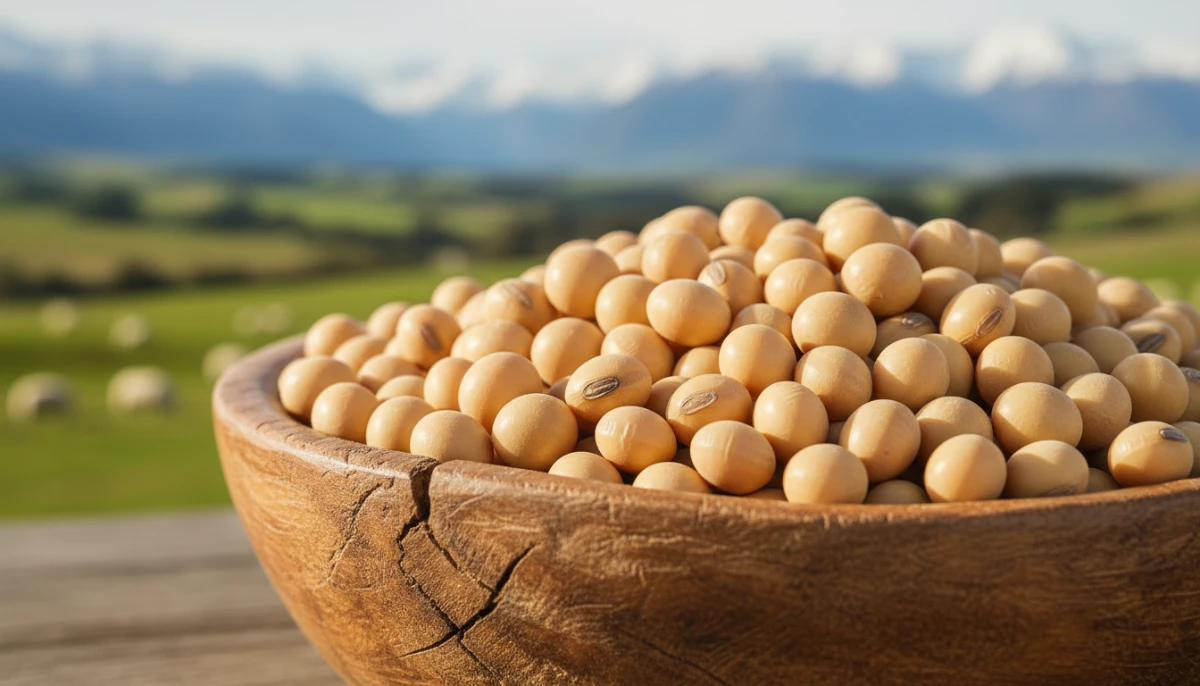
3. Key Soy Products New Zealand: A Commercial Catalog
The variety of soy products available for commercial procurement in New Zealand is vast. Identifying the right product requires an understanding of both the application and the target demographic.
A. Soy Beverages (Barista & Retail)
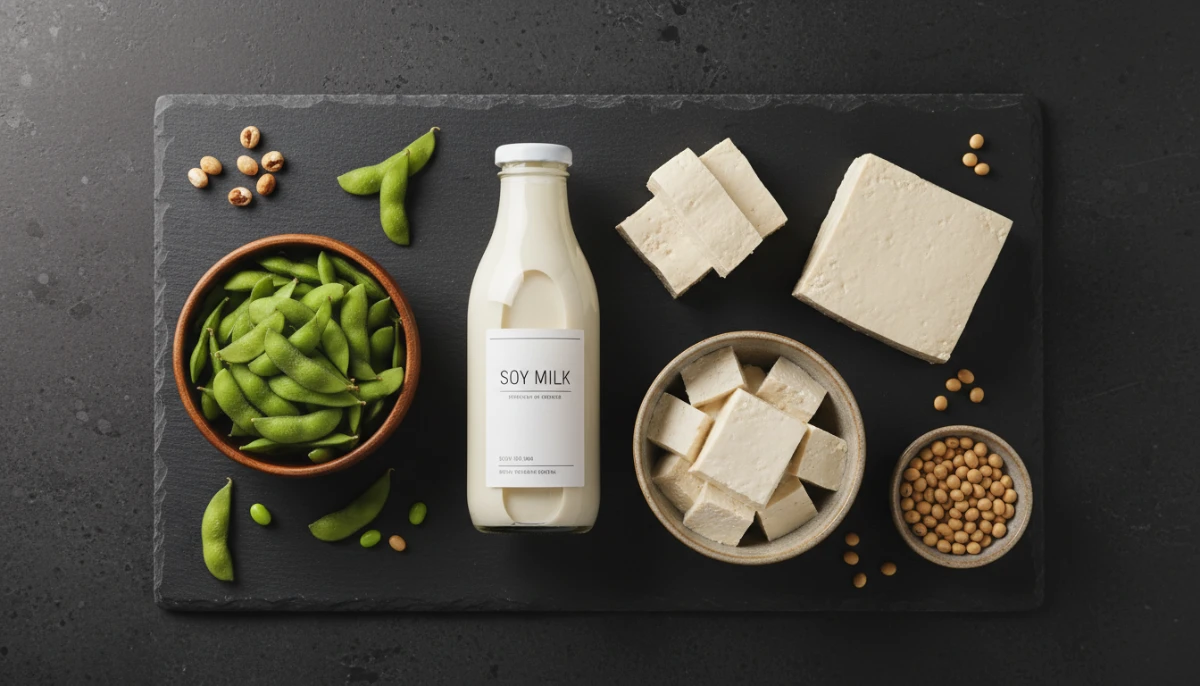
Soy milk remains the cornerstone of the plant-based beverage category. In the commercial coffee sector, ‘Barista Grade’ soy milk is formulated with specific proteins and fats to ensure stability under high heat and acidity. New Zealand brands have pioneered formulations that mimic the stretching capabilities of dairy, catering to the country’s sophisticated coffee culture.
B. Culinary Soy (Tofu & Tempeh)
Tofu production in New Zealand is a blend of traditional artisanal methods and modern industrial efficiency. From ‘Silken’ varieties used in desserts and smoothies to ‘Extra Firm’ blocks favored for high-heat stir-frying, the local market provides versatility. Tempeh, a fermented soy product, is also gaining traction as a nutrient-dense meat alternative for the hospitality industry.
C. Industrial Soy (Flour & Oil)
In the bakery and food manufacturing sectors, soy flour and soy oil are indispensable. Soy flour acts as a dough conditioner and protein fortifier, while soy oil is prized for its high smoke point and neutral flavor profile. Sourcing these locally ensures that the oil is not rancid and that the flour maintains its enzymatic activity.
4. Procurement & Supply Chain Logistics
Efficient procurement of soy products New Zealand requires a strategic approach to vendor management. For large-scale manufacturers, the focus is often on ‘Just-In-Time’ (JIT) delivery to minimize storage costs for perishable items. Local distributors play a vital role here, acting as the bridge between large-scale processors and smaller retail or hospitality outlets.
Checklist for Commercial Sourcing:
- Verify Non-GMO Certification from the supplier.
- Analyze the protein-to-fat ratio for beverage applications.
- Assess the shelf-life stability (Fresh vs. UHT).
- Evaluate the supplier’s commitment to sustainable packaging.
- Confirm MPI (Ministry for Primary Industries) compliance for all food-grade products.
Logistics in New Zealand are uniquely challenged by the geography of the North and South Islands. Most major soy processing facilities are located near Auckland or Christchurch to leverage existing transport hubs. Businesses operating in more remote regions must account for lead times and potential disruptions in the Cook Strait ferry crossings.
5. Quality Standards and Food Safety Regulations
In New Zealand, the food industry is governed by the Food Act 2014 and overseen by the Ministry for Primary Industries (MPI). Soy products must adhere to stringent labeling requirements, particularly regarding allergen declarations. Since soy is one of the ‘Big 8’ allergens, clear and accurate labeling is a legal imperative for any commercial entity.
Moreover, the New Zealand market has a strong preference for non-GMO soy. While Australia and New Zealand share a food standards code (FSANZ), the domestic consumer sentiment in NZ is heavily skewed toward ‘clean label’ products. This has led many local producers to seek independent certifications, such as BioGro Organic or the Non-GMO Project, to provide an extra layer of trust for their commercial partners.
6. The Future of Soy Agriculture in NZ
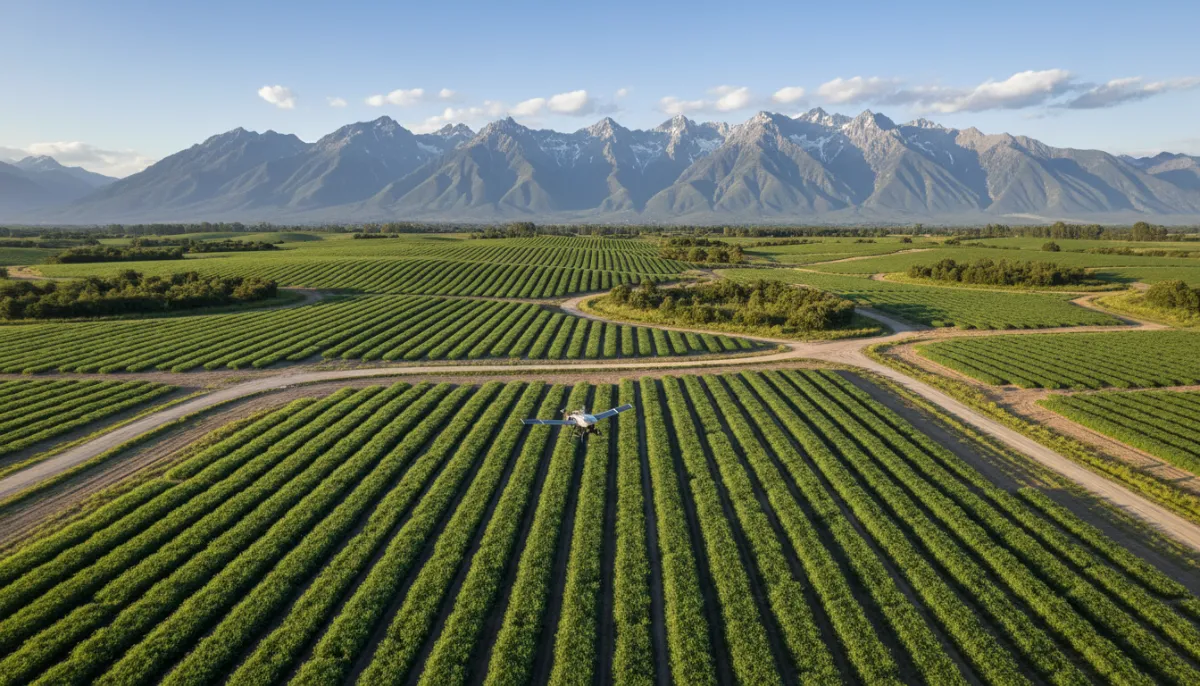
While most soy processed in New Zealand is currently grown overseas (largely in Australia or North America due to scale), there is significant research being conducted into domestic soy cultivation. Trial crops in the Canterbury and Hawke’s Bay regions have shown promise, particularly with varieties bred for shorter growing seasons. The goal is to create a fully integrated ‘seed-to-shelf’ New Zealand soy industry.
The integration of AgTech (Agricultural Technology) is also set to transform the industry. From precision irrigation to AI-driven pest management, the future of soy products New Zealand lies in high-efficiency, low-impact farming. As climate change shifts traditional growing zones, soy may become a viable alternative for New Zealand farmers looking to diversify away from dairy.
7. Frequently Asked Questions (FAQ)
Are most soy products in New Zealand non-GMO?
Yes, the vast majority of soy products intended for human consumption in New Zealand are sourced from non-GMO beans, as consumer demand for non-genetically modified food is exceptionally high.
What is the shelf life of locally produced fresh tofu?
Locally produced fresh tofu typically has a shelf life of 14 to 21 days when kept refrigerated in its original packaging. Once opened, it should be consumed within 2-3 days.
How can I verify if a soy product is truly Kiwi-made?
Look for the ‘New Zealand Made’ trademark or check the MPI registration of the manufacturer. Many brands will specify if the product is ‘made in NZ from local and imported ingredients’.
Is soy milk production in NZ sustainable?
Local production is generally more sustainable than importing finished goods due to reduced transport emissions. Many NZ processors are also moving toward 100% recyclable packaging and water-efficient manufacturing processes.