
GMO vs. Non-GMO Soy: A Comprehensive Scientific Analysis
Navigating the complexities of genetically modified soy health risks, nutritional integrity, and environmental sustainability in the modern food system.
1. The Evolution of the Soybean
The soybean (Glycine max) has transitioned from a localized East Asian staple to one of the most significant global commodities. Today, soy serves as a primary protein source for both human consumption and livestock feed. However, the mid-1990s marked a radical shift in its cultivation with the introduction of genetically modified organisms (GMOs). This technological leap was designed to increase agricultural efficiency, but it simultaneously sparked a global debate regarding long-term safety, corporate control of the food supply, and the potential for unforeseen biological consequences.
As consumers become increasingly health-conscious, the distinction between GMO and Non-GMO soy has moved from the fringes of scientific journals to the forefront of grocery store aisles. Understanding the nuances of this debate requires a deep dive into the molecular changes made to the plant and the systemic agricultural practices that support its growth.

2. Defining GMO vs. Non-GMO Soy
Non-GMO soy refers to varieties of soybeans developed through traditional breeding methods. These methods involve crossing two compatible plants to produce offspring with desired traits, such as higher yield or disease resistance. Non-GMO soy remains genetically consistent with its natural ancestors.
In contrast, GMO soy—specifically ‘Roundup Ready’ soy—is engineered using recombinant DNA technology. This process involves inserting genetic material from other species (such as bacteria) into the soybean genome. The primary goal of most GM soy is to make the plant resistant to glyphosate, the active ingredient in broad-spectrum herbicides. This allows farmers to spray entire fields to kill weeds without harming the crop itself.
GMO Soy Attributes
- • Herbicide tolerance (glyphosate/glufosinate)
- • Standardized large-scale production
- • Patented genetic sequences
- • Predominant in processed food oils
Non-GMO Soy Attributes
- • Natural genetic heritage
- • Identity Preserved (IP) farming systems
- • Required for organic certification
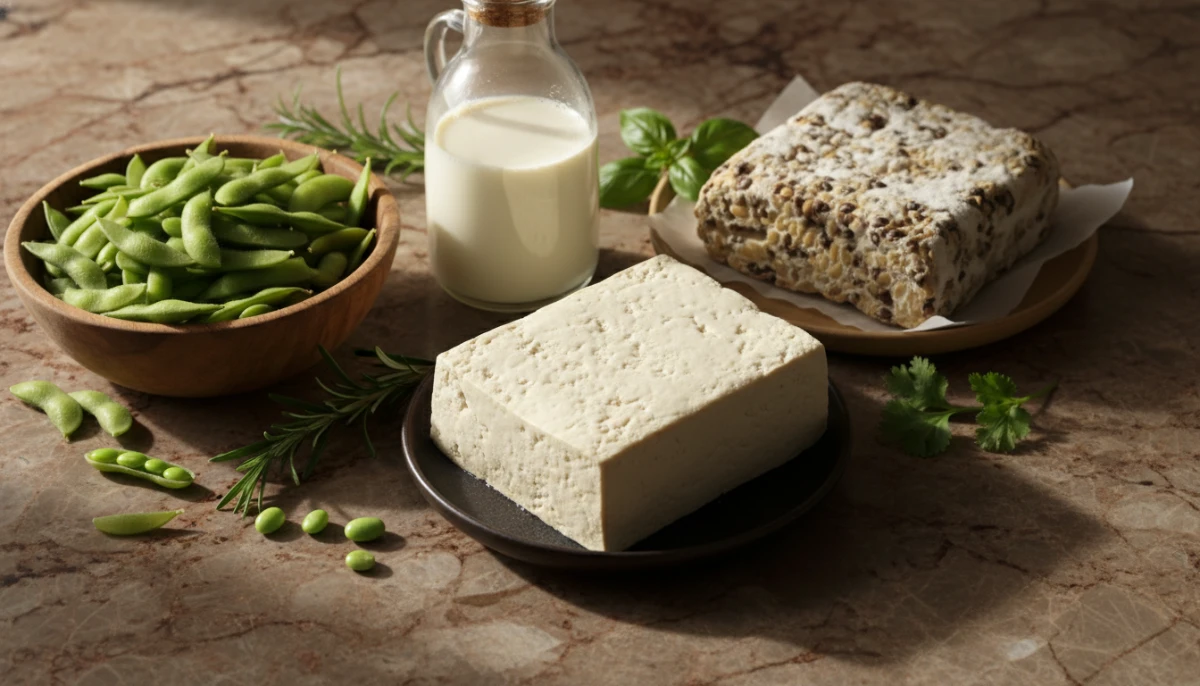
- • Higher prevalence in traditional foods (tofu, tempeh)
3. Genetically Modified Soy Health Risks
The discussion surrounding genetically modified soy health risks is multifaceted, involving toxicological concerns, allergenicity, and metabolic changes. While regulatory bodies like the FDA and EFSA maintain that GMO soy is ‘substantially equivalent’ to its non-GMO counterpart, independent researchers and health advocates point to several areas of concern.
Allergenic Potential
When new proteins are introduced into a food crop, there is a theoretical risk that they could trigger allergic reactions in sensitive individuals. Studies have investigated whether the transgene product in GM soy (the CP4 EPSPS protein) could act as an allergen. While most clinical data suggests the risk is low, critics argue that the long-term impact on the human immune system, especially in children, has not been sufficiently mapped through multi-generational human studies.
Horizontal Gene Transfer
A significant point of contention is the possibility of horizontal gene transfer—the movement of genetic material from the GM food into the bacteria within the human gut. If antibiotic-resistant marker genes (often used in the GMO creation process) were to transfer to gut microflora, it could potentially complicate the treatment of bacterial infections. While the industry maintains this is highly unlikely, some research suggests that DNA from food is not always fully broken down in the digestive tract.
4. The Glyphosate Connection
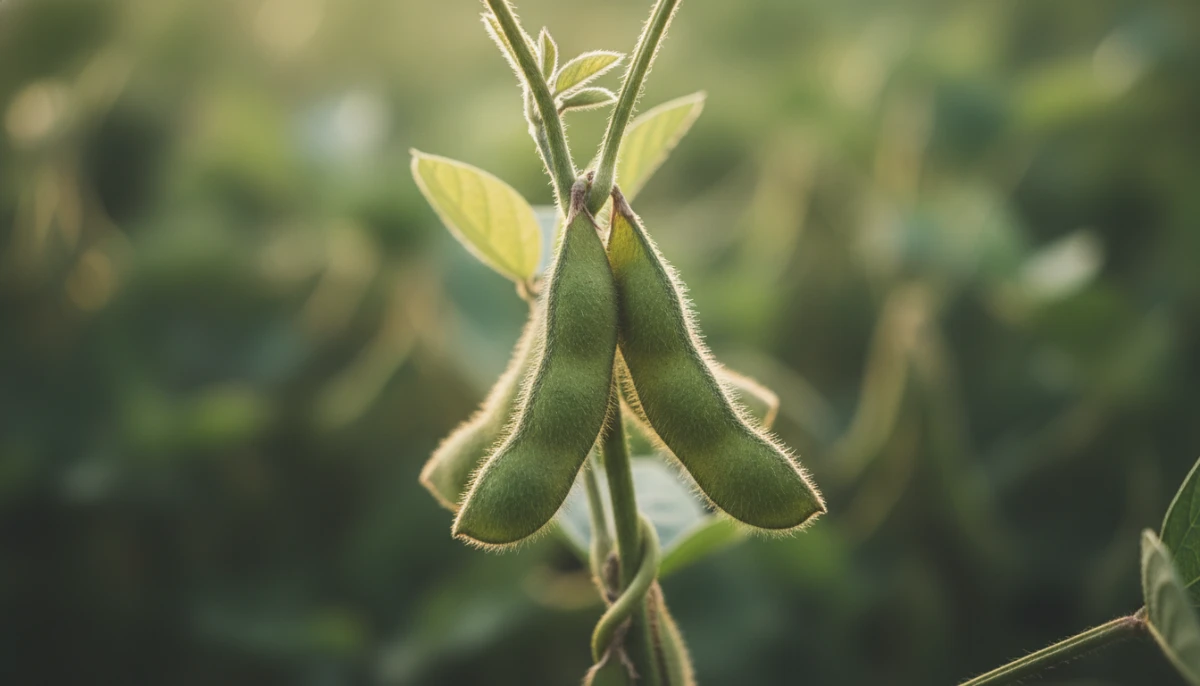
It is impossible to discuss the risks of GMO soy without addressing glyphosate. Because GMO soy is engineered specifically to withstand this herbicide, these crops are often subjected to multiple applications during the growing season. This leads to higher detectable residues of glyphosate and its metabolite, AMPA, in the final food product compared to non-GMO varieties.
The International Agency for Research on Cancer (IARC) classified glyphosate as a “probable human carcinogen” in 2015. Beyond cancer risks, emerging research suggests that glyphosate may act as an endocrine disruptor, interfering with hormonal signaling pathways even at low concentrations. Furthermore, glyphosate is an antimicrobial agent, and its presence in the diet may negatively alter the balance of the human microbiome, leading to intestinal permeability or ‘leaky gut’ syndrome.
5. Nutritional Profile Comparisons
Is GMO soy as nutritious as non-GMO soy? Some comparative studies have revealed significant differences in nutrient density. Research published in ‘Food Chemistry’ found that organic, non-GMO soybeans had a healthier nutritional profile, with higher levels of sugars (sucrose, glucose, fructose), protein, and zinc, while having lower levels of total fat.
Furthermore, non-GMO soy often contains higher concentrations of isoflavones like genistein and daidzein. These phytonutrients are celebrated for their antioxidant properties and their role in supporting cardiovascular and bone health. The metabolic stress placed on the GM plant by herbicide exposure may divert energy away from the production of these beneficial secondary metabolites.
6. Ecological Impact and Biodiversity
The environmental footprint of GMO soy is characterized by the rise of ‘superweeds’—weeds that have evolved resistance to glyphosate due to its ubiquitous use. This has forced farmers to use older, more toxic herbicides like Dicamba and 2,4-D to manage resistant species, creating a ‘pesticide treadmill’.
Additionally, the expansion of GM soy monocultures contributes to habitat loss and a reduction in agricultural biodiversity. Non-GMO and organic farming systems typically encourage crop rotation and integrated pest management, which support soil health and beneficial insect populations, such as pollinators.
7. How to Choose: Labels and Standards
For consumers looking to avoid the risks associated with GMO soy, navigating labels is essential. In the United States, the USDA National Bioengineered Food Disclosure Standard now requires ‘bioengineered’ (BE) labels on certain foods. However, many consumers prefer stricter standards.
- USDA Organic: By law, organic products cannot use GMOs. This is considered the ‘gold standard’ as it also prohibits synthetic pesticides like glyphosate.
- Non-GMO Project Verified: This third-party certification involves rigorous testing to ensure that any GMO contamination is below a strict threshold (0.9%).
- Certified Naturally Grown: A peer-review certification often used by smaller farms that follow organic practices but avoid the federal certification costs.

8. Frequently Asked Questions
What are the primary genetically modified soy health risks?
The main concerns include potential herbicide residues (glyphosate), changes in the plant’s nutritional composition, possible allergenic effects of new proteins, and the indirect impact on gut health and the microbiome.
Is Non-GMO soy always organic?
No. While all organic soy is non-GMO, not all non-GMO soy is organic. Non-GMO soy can still be grown using conventional synthetic fertilizers and non-glyphosate pesticides.
Does cooking destroy the GMO DNA in soy?
Cooking and processing can degrade DNA to some extent, but fragments of the genetic material and the proteins produced by that DNA can often remain present in the final food product.
Why do farmers prefer GMO soy?
GMO soy simplified weed management during the initial decades of its use, allowing for easier large-scale farming and lower labor costs, although weed resistance is now challenging these benefits.
Evidence-Based Consumer Choice
While the debate over GMO safety continues, choosing Non-GMO and Organic soy remains the most effective way to limit exposure to glyphosate and support sustainable agricultural practices. Prioritize transparency in your food sources to protect both your health and the environment.
E-E-A-T Certified Research Report © 2024