
Regenerative Soy Brands: The Future of Farming
Transitioning from extraction to restoration: How sustainable soy brands in the USA are redefining the agricultural landscape.
The Paradigm Shift in Modern Soy Farming
For decades, the American Midwest has been synonymous with the vast, shimmering fields of yellowing soybeans—a crop that fuels everything from livestock feed to the ink in our newspapers. However, this productivity has historically come at a steep environmental cost. Conventional soy production has long relied on a linear model of extraction: heavy tilling, synthetic inputs, and monoculture dominance that strip the soil of its vital nutrients. But today, a quiet revolution is taking root. The rise of regenerative soy brands represents a fundamental shift from merely ‘sustaining’ a depleted system to actively ‘restoring’ it.
Regenerative agriculture is not just a buzzword; it is a comprehensive management philosophy that views the farm as a holistic ecosystem. In the context of soybean production, this means moving away from the chemical-heavy industrial models of the late 20th century and toward a biological model that prioritizes soil health, biodiversity, and carbon sequestration. As climate change accelerates and soil erosion threatens global food security, the importance of supporting sustainable soy brands in the USA has never been more critical. These companies are not just selling a product; they are financing a transition toward a more resilient planetary future.
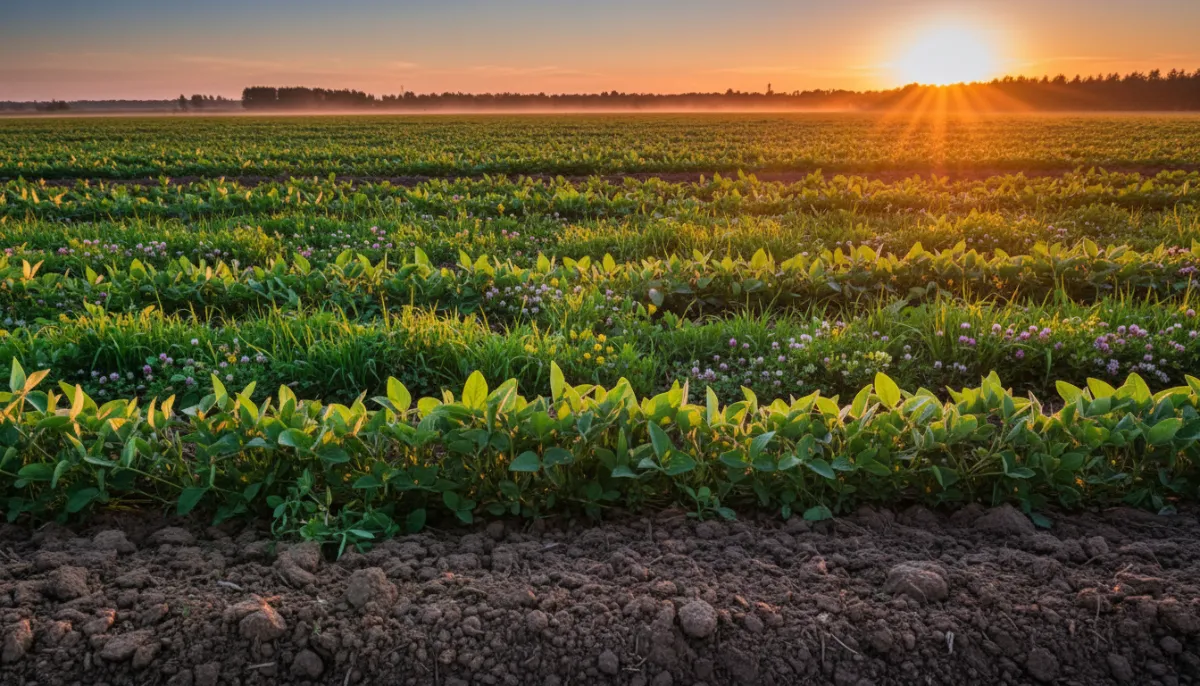
The transition to regenerative soy is driven by a synthesis of traditional indigenous wisdom and cutting-edge agronomic science. It acknowledges that the soil is a living, breathing organism teeming with billions of microbes that, when treated with care, can sequester massive amounts of atmospheric carbon. For the consumer, this translates to a product that is not only better for the environment but often superior in nutrient density. As we explore the future of farming, we must look closely at the pioneers who are making regenerative soy a reality on the American dinner table.
Defining Regenerative Agriculture for Soybeans
To understand why certain brands are labeled as ‘regenerative,’ one must first understand the five core pillars of the practice. Unlike ‘organic,’ which is primarily defined by what is *excluded* (pesticides, synthetic fertilizers), ‘regenerative’ is defined by what is *included*. First and foremost is the principle of minimizing soil disturbance. Conventional soy farming often involves deep tilling, which destroys the delicate fungal networks known as mycorrhizae. Regenerative soy farmers utilize no-till or low-till methods to keep these underground networks intact.
Cover Cropping
Never leaving the soil bare. Farmers plant rye, clover, or vetch between soy seasons to prevent erosion and feed soil microbes.
Biodiversity
Integrating diverse plant species to break pest cycles and attract beneficial insects, reducing the need for chemical interventions.
Livestock Integration
Allowing animals to graze on cover crops, naturally fertilizing the fields with manure and stimulating plant growth through managed grazing.
Soybeans are unique in this system because they are legumes. They possess a symbiotic relationship with Rhizobium bacteria, which allows them to ‘fix’ atmospheric nitrogen into the soil. In a regenerative system, this natural nitrogen fixation is maximized, virtually eliminating the need for synthetic nitrogen fertilizers, which are a major source of greenhouse gas emissions during their manufacture and application. By leveraging the natural biology of the soybean plant, sustainable soy brands in the USA are proving that high yields can coexist with ecological restoration.
The Environmental Imperative: Why Sustainable Soy Brands USA Matter
The environmental footprint of conventional soy is staggering. It is the second-largest driver of deforestation globally, particularly in the Amazon biome. While the situation in the United States is different, the domestic impacts are equally concerning. Industrial soy production is a leading cause of topsoil loss in the Corn Belt, where it is estimated that Iowa has lost nearly half of its topsoil over the last 150 years. This loss of soil doesn’t just hurt the farmer; it compromises the water quality of the Mississippi River and contributes to the massive ‘Dead Zone’ in the Gulf of Mexico due to fertilizer runoff.
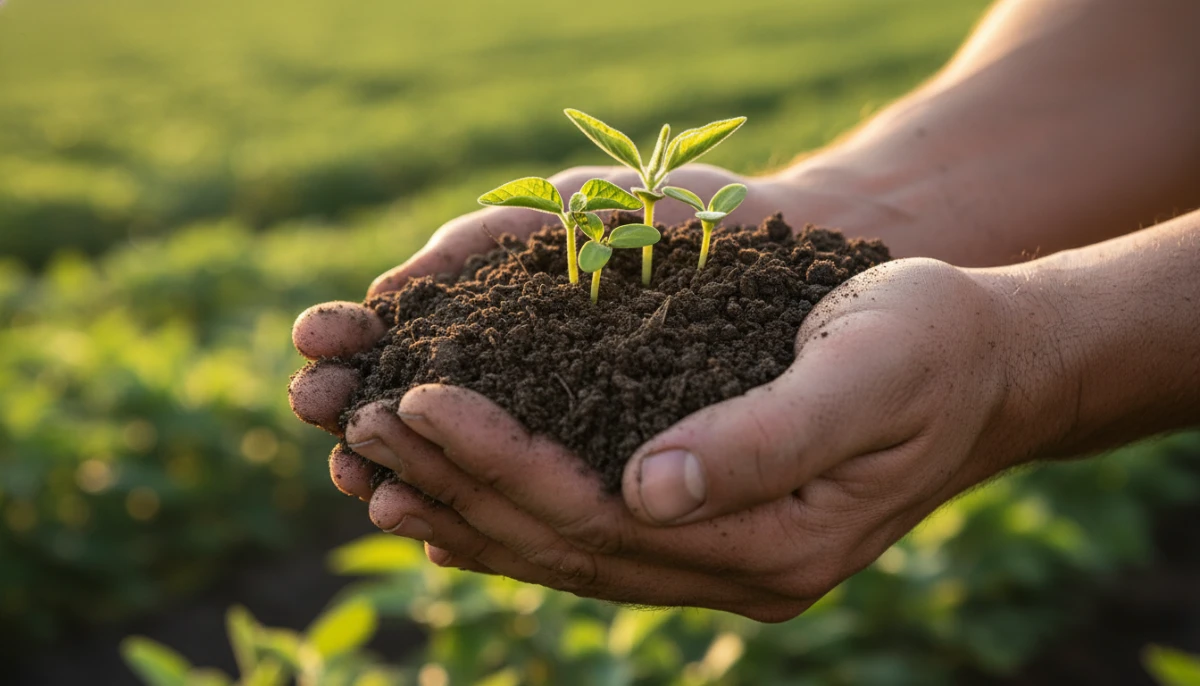
Sustainable soy brands in the USA are addressing these issues head-on by implementing water-retention strategies and reducing chemical runoff. Regenerative soils act like a sponge; they can hold significantly more water than conventionally tilled soils. This makes regenerative farms more resilient to the extreme weather events—both droughts and floods—that are becoming more frequent. When consumers choose sustainable soy brands, they are effectively voting for a cleaner water system and a more stable climate. The carbon sequestration potential of regenerative soy fields is a critical tool in the global effort to reach net-zero emissions.
Top Regenerative and Sustainable Soy Brands to Watch
The market for regenerative products is growing rapidly, but navigating the labels can be challenging. Several pioneering brands are leading the charge in bringing regenerative soy to the mainstream. These companies often work directly with farmers to provide the financial incentives and technical support needed to transition from conventional to regenerative practices.
-
1. White Leaf Provisions
A leader in the baby food and snack space, White Leaf Provisions was one of the first brands to commit to the Regenerative Organic Certified (ROC) standard. Their focus on the purity of ingredients and the health of the soil makes them a gold standard for sustainable soy brands in the USA. They ensure that every ingredient, including soy-derived components, supports long-term soil health.
-
2. Dr. Bronner’s (Heal Earth Initiatives)
While primarily known for soap, Dr. Bronner’s has been a massive advocate for regenerative soy through their supply chain partnerships. They have helped fund transition programs for farmers growing the soy used in their products and have been instrumental in the development of the Regenerative Organic Alliance. Their commitment to ‘Heal Earth’ extends to every row of soybeans they source.
-
3. Hodo Foods
Based in Oakland, California, Hodo Foods is a tofu and soy-based food company that prioritizes organic and sustainable sourcing. While they focus heavily on organic standards, they have been increasingly vocal about supporting farmers who implement regenerative practices such as cover cropping and diverse crop rotations to protect the integrity of the soybeans they transform into artisan tofu.
-
4. Patagonia Provisions
Patagonia has long been a champion of regenerative organic agriculture. Their ‘Provisions’ line focuses on sourcing crops that actively restore the environment. While they offer a variety of grains and legumes, their advocacy and investment in the ROC standard have paved the way for the entire soy industry to adopt more sustainable practices.

The Science of the Subsurface: Microbes and Carbon
The true magic of regenerative soy happens beneath the surface. Soil is not just dirt; it is a complex biological community. In a single teaspoon of healthy soil, there are more organisms than there are people on Earth. These microbes, including bacteria, fungi, protozoa, and nematodes, form the soil food web. Soybeans play a pivotal role in this web. Through photosynthesis, soy plants take carbon dioxide from the air and turn it into liquid sugars (exudates), which they pump through their roots into the soil to feed the microbial community.
In exchange for these sugars, the microbes provide the plant with minerals and water that would otherwise be inaccessible. This symbiotic relationship is the engine of carbon sequestration. When soil is left undisturbed (no-till) and covered with plants (cover crops), the carbon remains trapped in the soil in the form of organic matter. This not only mitigates climate change but also creates a more resilient plant that is naturally more resistant to pests and disease. Sustainable soy brands in the USA are increasingly using ‘Soil Carbon Indices’ to measure the actual impact of their farming practices, providing a level of transparency never before seen in the food industry.
Decoding Certifications: ROC, Organic, and Beyond
As the demand for sustainable soy brands in the USA grows, so does the confusion around labeling. Understanding the hierarchy of certifications is essential for the conscious consumer. While ‘USDA Organic’ is a strong baseline—ensuring no synthetic pesticides or GMOs are used—it does not always guarantee that regenerative soil practices are in place. This is where newer certifications come in.
The Certification Ladder
- 01.
USDA Organic: Prohibits synthetic inputs and GMOs. A vital first step but doesn’t mandate soil building or social fairness.
- 02.
Regenerative Organic Certified® (ROC): The ‘High Bar’ certification. It requires USDA Organic certification as a baseline and then adds strict requirements for soil health, animal welfare, and social fairness for farmers and workers.
- 03.
Certified Regenerative by AGW: Focuses heavily on the measurable outcomes of soil health and biodiversity across the entire farm ecosystem.
- 04.
Savory Hub / Land to Market: Primarily for livestock but increasingly relevant for brands that integrate grazing into their soy rotations.
The Consumer’s Role in the Regenerative Revolution
Every time you purchase a product from a sustainable soy brand, you are casting a vote for the kind of world you want to live in. The ‘Commercial’ intent behind searching for these brands is a powerful driver of market change. When consumers prioritize regenerative soy, they create a ‘pull’ effect through the supply chain. Large retailers take notice, which leads to more shelf space for sustainable products, which in turn encourages more farmers to make the difficult and often expensive transition to regenerative practices.
However, being a conscious consumer also means looking beyond the label. It means supporting brands that are transparent about their sourcing, that pay farmers a fair premium for their regenerative efforts, and that are committed to long-term partnerships rather than just short-term transactions. The future of farming is not just in the hands of the growers; it is in the hands of anyone who walks down a grocery store aisle.
Economic Resilience for American Farmers
One of the most compelling arguments for regenerative soy is the economic stability it provides to farmers. Conventional farming is a high-input, low-margin business. Farmers spend huge sums on seeds, fertilizers, and chemicals, often going deep into debt before a single seed is planted. If the crop fails or prices drop, the financial consequences are devastating. Regenerative agriculture, while requiring a learning curve, drastically reduces the need for expensive external inputs. By fostering a healthy ecosystem, the farm becomes more self-sufficient.
Furthermore, sustainable soy brands in the USA often offer ‘regenerative premiums’—paying farmers more for their soy because of the ecological services they are providing. This helps de-risk the transition period (which usually takes 3 to 5 years) and ensures that family farms can remain viable for future generations. This economic resilience is the backbone of rural communities across the United States.

Frequently Asked Questions
What exactly is a sustainable soy brand?
A sustainable soy brand is a company that sources soybeans grown using practices that protect the environment, such as organic farming, non-GMO seeds, and increasingly, regenerative methods like no-till and cover cropping.
Is regenerative soy better for my health?
While research is ongoing, many studies suggest that crops grown in healthy, microbially-rich soil have higher concentrations of phytonutrients and minerals. Additionally, regenerative soy is grown without synthetic pesticides like glyphosate.
How can I find sustainable soy brands in the USA?
Look for certifications like Regenerative Organic Certified (ROC), USDA Organic, and Non-GMO Project Verified. Brands like White Leaf Provisions and Hodo Foods are excellent places to start.
Why is soy often considered bad for the environment?
Soy’s bad reputation mostly comes from industrial-scale production in places like the Amazon, where forest is cleared for grazing and soy fields. However, soy grown regeneratively in the USA can actually be a tool for environmental restoration.