
The Water Footprint Wars: Soy vs. Almond vs. Dairy
An exhaustive analysis of the most sustainable plant milk water footprint and the ecological cost of modern dairy production.
The Hydrological Crisis in Our Glasses
In the contemporary landscape of dietary choices, the question of sustainability has evolved from a niche concern into a primary driver of consumer behavior. As global water scarcity becomes an increasingly urgent geopolitical and environmental reality, the liquids we use to lighten our coffee or drench our cereal are under intense scrutiny. The “Water Footprint Wars” represent a complex intersection of agricultural science, environmental ethics, and market trends. For decades, cow’s milk was the unquestioned standard, but the rise of plant-based alternatives—specifically soy and almond milk—has disrupted the industry. However, not all plant milks are created equal when it comes to their impact on the planet’s most precious resource: freshwater. To find the most sustainable plant milk water footprint, one must look past clever marketing and dive deep into the hydrological data that defines modern industrial agriculture.
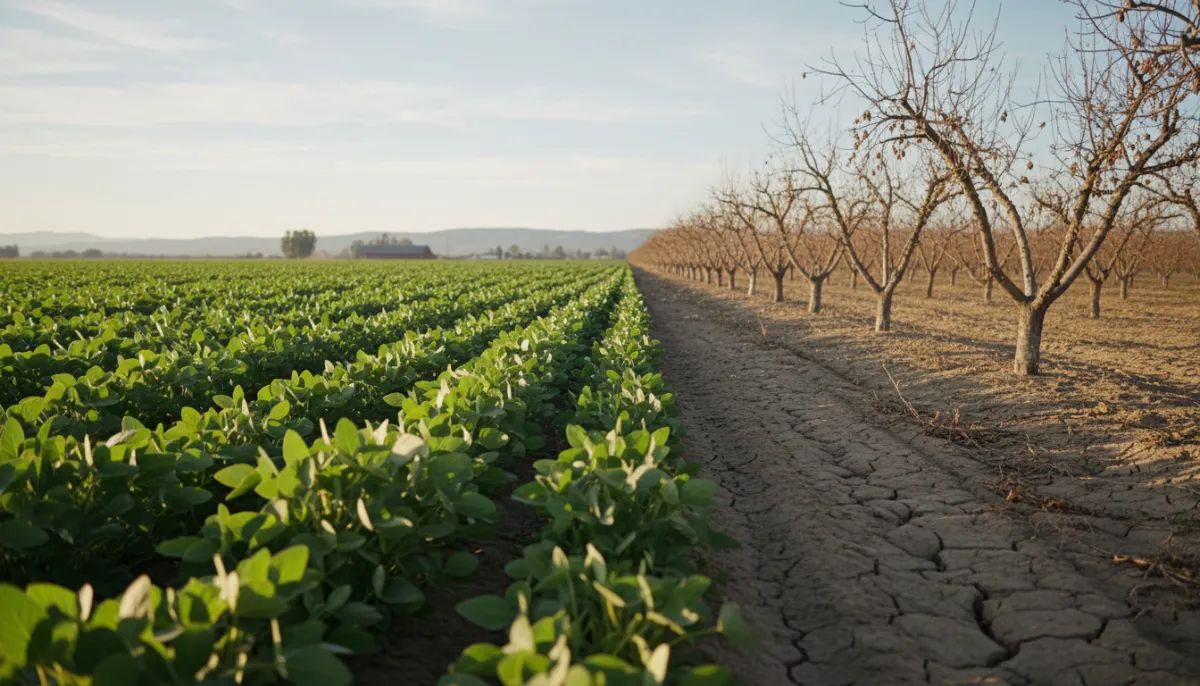
Water footprinting, as a metric, encompasses three main categories: green water (rainwater), blue water (surface and groundwater), and grey water (water needed to dilute pollutants). When we evaluate the competition between soy, almond, and dairy, we are primarily concerned with blue water—the water extracted from aquifers and rivers, which is often the most critical in drought-prone regions. In this comprehensive analysis, we will deconstruct the resource intensity of these three giants, providing the clarity required for the environmentally conscious consumer to make an informed decision.
The Heavy Weight of Dairy: A Traditional Baseline
To understand the sustainability of plant milks, we must first establish the impact of the industry they seek to replace. Dairy production is an incredibly resource-intensive endeavor. Unlike plants, which convert sunlight and water directly into food, cows are biological intermediaries that require vast amounts of input to produce a relatively small amount of output. The water footprint of cow’s milk is not merely the water the cow drinks; it is the water required to grow the alfalfa, corn, and soy that make up the animal’s feed. Scientific consensus suggests that producing one liter of dairy milk requires approximately 628 liters of water. This staggering figure accounts for the irrigation of forage crops, the cleaning of dairy facilities, and the hydration of the livestock itself.
Furthermore, the dairy industry’s footprint extends to water quality. The runoff from large-scale dairy farms often contains high levels of nitrates and phosphates from manure, contributing to the eutrophication of local waterways and the creation of “dead zones” in oceans. When we speak of the most sustainable plant milk water footprint, we are looking for a solution that significantly undercuts this 628-liter-per-liter benchmark while also mitigating the pollution associated with intensive animal husbandry.

The Almond Dilemma: Thirst in the Central Valley
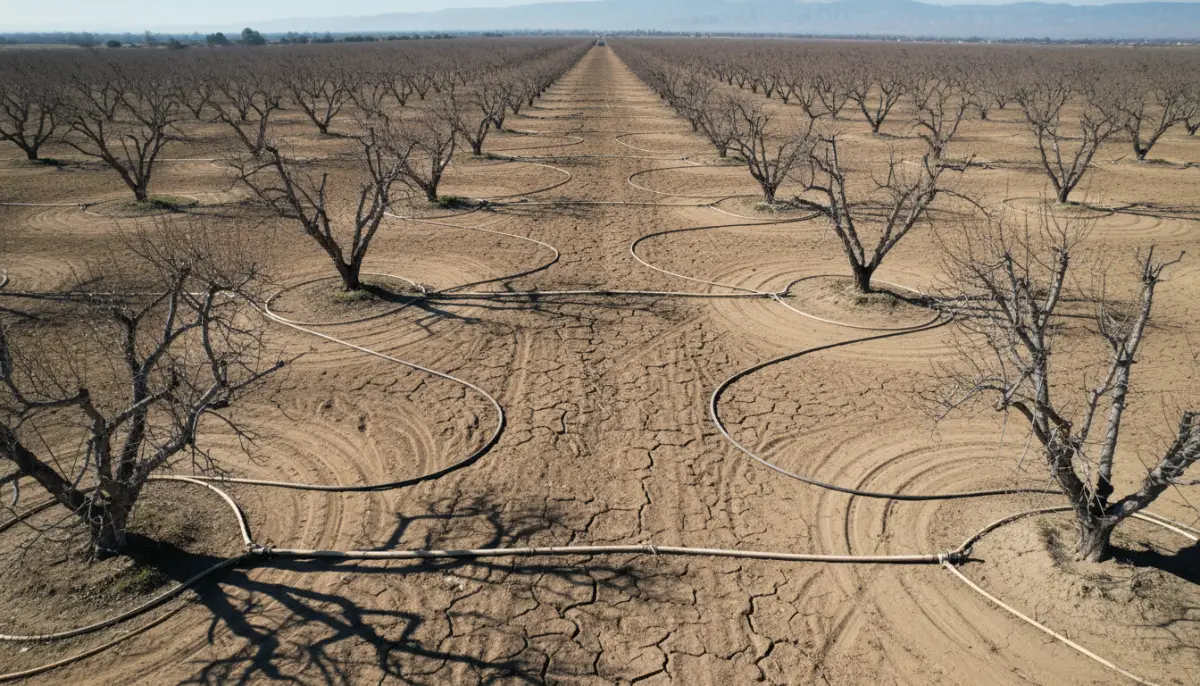
Almond milk has long been the darling of the dairy-alternative world, praised for its low calorie count and creamy texture. However, from a water sustainability perspective, it is the most controversial plant milk. Approximately 80% of the world’s almonds are grown in California’s Central Valley, a region plagued by chronic drought and diminishing groundwater reserves. Almond trees are permanent crops; unlike annual crops like soy or wheat, they cannot be left unplanted during a dry year without the farmer losing years of investment and the trees themselves. This necessitates a constant, heavy demand on irrigation systems regardless of natural rainfall levels.
The numbers are sobering. It takes roughly 371 liters of water to produce a single liter of almond milk. While this is still a 40% reduction compared to dairy, it is substantially higher than other plant-based options. The environmental impact of almond milk is localized and intense. The extraction of groundwater to sustain almond orchards has caused land subsidence in parts of California, where the earth literally sinks as the aquifers beneath it are emptied. For consumers specifically seeking the most sustainable plant milk water footprint, the almond’s heavy reliance on “blue water” in water-stressed regions makes it a difficult choice to defend, despite its advantages over bovine milk.
The Soy Solution: Sustainability Meets Nutrition
If almond milk is the thirsty contender, soy milk is the efficient veteran. Soy milk has been a staple in Asian diets for centuries and was the first plant milk to gain mainstream popularity in the West. From a water perspective, soy is exceptionally efficient. To produce one liter of soy milk, only about 28 liters of water are required. This represents a 95% reduction compared to dairy and a 92% reduction compared to almond milk. This efficiency stems from the biological nature of the soybean itself. Soybeans are legumes, meaning they are nitrogen-fixing plants that improve soil quality and require fewer chemical fertilizers, which in turn reduces the “grey water” footprint needed to mitigate nitrogen runoff.
Critics of soy often point to deforestation in the Amazon. However, it is vital to distinguish between soy grown for human consumption and soy grown for livestock feed. Roughly 77% of global soy production is used as feed for the meat and dairy industries. The soy used in high-quality soy milk is often sourced from North America or Europe, where deforestation is not the primary driver of expansion. When considering the most sustainable plant milk water footprint, soy consistently emerges as a top-tier performer, offering a protein profile that rivals dairy while maintaining a minimal hydrological impact.

Data Breakdown: Liters of Water per Liter of Milk
| Milk Type | Water Usage (Liters) | Environmental Impact Rank |
|---|---|---|
| Dairy Milk | 628L | High |
| Almond Milk | 371L | Moderate-High |
| Oat Milk | 48L | Low |
| Soy Milk | 28L | Very Low |
Source data aggregated from Poore & Nemecek (2018) University of Oxford study on the environmental impact of food.
Beyond Water: Carbon, Land, and Biodiversity
While this analysis focuses on the most sustainable plant milk water footprint, a truly professional evaluation must acknowledge that water is only one piece of the ecological puzzle. Greenhouse gas (GHG) emissions and land use are equally critical. Dairy milk produces approximately 3kg of GHG emissions per liter, whereas soy and almond milks produce between 0.7kg and 1kg. In terms of land use, dairy requires nearly 9 square meters per liter, while soy requires less than 1 square meter. These metrics reinforce the argument for plant-based alternatives as the superior choice for the planet. However, for those specifically prioritizing water conservation, the gap between soy and almond is the most significant takeaway. Choosing soy or oat over almond can save hundreds of liters of water per week for the average household.
Making the Choice: A Commercial Guide
For the commercial buyer or the grocery-shopping enthusiast, the path forward is clear. If your primary goal is the most sustainable plant milk water footprint, **Soy Milk** and **Oat Milk** are the winners. They provide the best balance of low water usage, low land requirements, and respectable nutritional profiles. Almond milk remains a viable “bridge” for those transitioning away from dairy, but its localized water impact in California makes it a less-than-ideal long-term environmental solution. When browsing the aisles, look for certifications such as “Organic” (which limits pesticide-related grey water impact) and “Non-GMO Project Verified” to ensure your choice aligns with broader ecological health standards.
Frequently Asked Questions
Which plant milk has the lowest water footprint?
Soy milk and oat milk have the lowest water footprints, requiring approximately 28 to 48 liters of water per liter of milk produced, respectively. This is significantly lower than both almond milk and dairy milk.
Is almond milk really worse for the environment than dairy?
No. While almond milk uses significantly more water than soy or oat milk, it still uses about 40% less water than cow’s milk and produces much lower greenhouse gas emissions and requires less land. It is better than dairy, but not as sustainable as other plant alternatives.
Does the most sustainable plant milk water footprint vary by brand?
Yes, to an extent. Sourcing practices matter. Brands that source almonds from regions with better water management or use regenerative organic soy will have a lower overall environmental impact. Always check the brand’s transparency report if available.