
Eco-Impact & Regenerative Agriculture
Exploring the profound environmental impact of soy and the transition toward regenerative agricultural systems designed to restore planetary health.
1. Introduction: The Soy Paradox
The soybean (Glycine max) is perhaps the most influential crop in the modern global food system. Its high protein content and versatile oil profile have made it a staple in animal feed, vegetable oils, and industrial products. However, the meteoric rise of soy production has come at a staggering cost. To understand the environmental impact of soy, one must look beyond the grocery aisle and into the fragile ecosystems of the Amazon, the Cerrado, and the Chaco. While soy is a vital tool for food security, its current industrial extraction model threatens the very stability of the biomes that support it. This guide examines how the environmental impact of soy can be mitigated through the radical adoption of regenerative agriculture, a philosophy that moves beyond mere sustainability toward active ecosystem restoration.
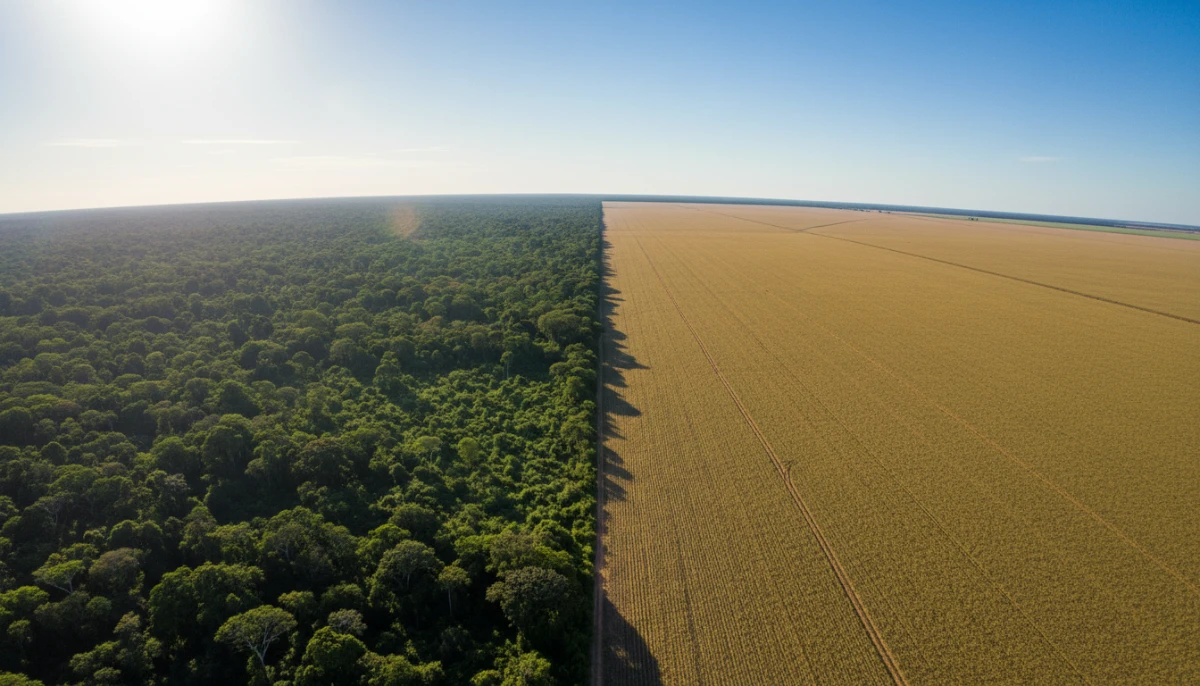
For decades, the narrative surrounding soy was one of agricultural triumph. From the 1970s onwards, global production surged, fueled by advancements in genetic modification and the expansion of the agricultural frontier in South America. Today, hundreds of millions of tons are harvested annually. Yet, the environmental impact of soy is not distributed evenly. It is concentrated in areas of high biodiversity, where the conversion of native vegetation into monoculture fields disrupts local hydrologic cycles and releases massive quantities of stored carbon. As we move into an era defined by climate volatility, the demand for soy continues to grow, necessitating a total reimagining of how this crop is grown, processed, and consumed across the globe.
2. Environmental Impact of Soy Production
The environmental impact of soy is multifaceted, ranging from localized soil degradation to global atmospheric changes. At its core, the problem lies in the scale of monoculture. When vast swaths of land are dedicated to a single species, the natural resilience of the ecosystem is compromised. This vulnerability necessitates heavy inputs of synthetic fertilizers and pesticides, which in turn create a feedback loop of environmental degradation.
The Hidden Footprint of Feed
Approximately 75% to 80% of the world\’s soy is used as animal feed for cattle, pigs, and poultry. This indirect consumption path means that the environmental impact of soy is inextricably linked to the global meat industry. The inefficiency of converting soy protein into animal protein means that more land is required to sustain a meat-heavy diet than would be needed for direct human consumption of plant proteins. This pressure for land is the primary driver behind the expansion of soy into critical habitats.
Soil Erosion and Nutrient Depletion
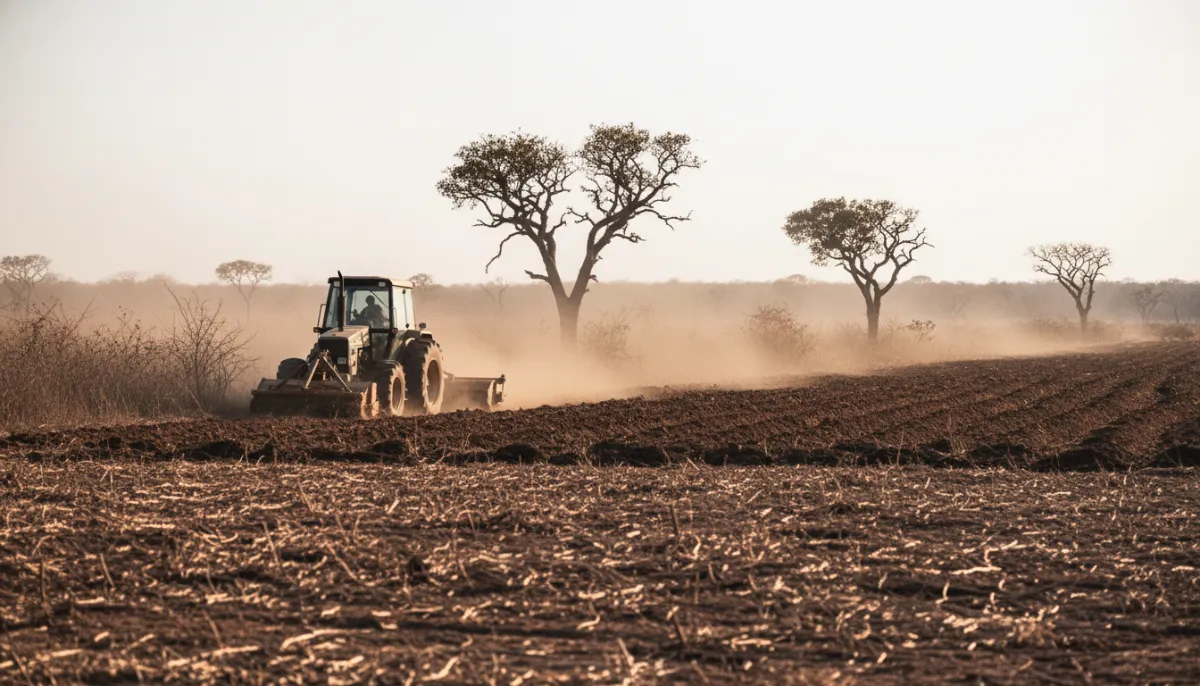
Traditional soy farming often involves heavy tilling, which leaves the soil exposed to the elements. Between harvest and the next planting season, topsoil is vulnerable to wind and water erosion. In regions like the Midwest United States and the Brazilian Highlands, millions of tons of topsoil are lost annually. This topsoil contains the organic matter and microbial life essential for fertility. Once lost, it can take centuries to regenerate naturally. Furthermore, the intensive nutrient uptake of soy plants, if not managed through rotation, can leave the earth barren and reliant on petrochemical-based fertilizers.
3. Deforestation and Biodiversity Loss
Perhaps the most visible and widely cited environmental impact of soy is deforestation. In the Amazon biome, soy was historically a major driver of forest clearance. While the Soy Moratorium—a voluntary agreement by major traders not to buy soy grown on land deforested after 2006—has been partially successful, the pressure has simply shifted. Today, the Cerrado, a biodiverse savanna in Brazil, is the epicenter of soy expansion. Unlike the Amazon, the Cerrado lacks the same level of legal protection, leading to the rapid conversion of its native scrublands into industrial fields.
Impact on Iconic Species
The loss of habitat in these regions threatens iconic species such as the jaguar, the giant anteater, and the hyacinth macaw. When forests are fragmented to make room for soy, migratory corridors are cut off, and the gene pools of these species are isolated. The loss of biodiversity is not just a tragedy of nature; it is a loss of ecological services. Natural predators that control pests are removed, and pollinators lose their nesting grounds, making the remaining agriculture even more dependent on chemical intervention.
The Carbon Connection
When forests are cleared for soy, the carbon stored in the trees and the soil is released into the atmosphere. This “land-use change” emissions are a significant contributor to the global carbon footprint of soy. In some tropical regions, the carbon debt incurred by clearing the land can take decades, if not centuries, to be offset by the crops grown there. This makes the environmental impact of soy a central pillar in the fight against global warming.
4. Water Consumption and Chemical Contamination
The environmental impact of soy extends to the hydrosphere. Soy production is a water-intensive endeavor, particularly in regions where irrigation is necessary to supplement rainfall. The massive extraction of water from aquifers and rivers can lead to lower water tables, affecting local communities\’ access to clean water and drying up small-scale artisanal farming operations. In the Matopiba region of Brazil, the expansion of soy has been directly linked to the receding of local rivers.
The Pesticide Burden
Industrial soy production is synonymous with the use of glyphosate and other potent herbicides. Because most global soy is genetically modified to be “Roundup Ready,” farmers can spray entire fields to kill weeds without harming the crop. However, this has led to the rise of “superweeds” that have evolved resistance, forcing farmers to use even more toxic chemical cocktails, such as Dicamba or 2,4-D. These chemicals do not stay on the field; they drift into neighboring forests, contaminate groundwater, and enter the food chain, impacting both human health and local wildlife.
Eutrophication and Dead Zones
The nitrogen and phosphorus fertilizers used in soy farming often run off during heavy rains. These nutrients find their way into river systems and eventually the ocean, where they cause algae blooms. When these blooms die and decompose, they strip the water of oxygen, creating “hypoxic zones” or dead zones where no aquatic life can survive. The Gulf of Mexico dead zone is a prime example, significantly exacerbated by agricultural runoff from the US Soy and Corn Belt.
5. Defining Regenerative Agriculture
In response to the escalating environmental impact of soy, a new paradigm has emerged: Regenerative Agriculture. Unlike conventional farming, which focuses on yield maximization at any cost, regenerative agriculture focuses on soil health. It is a holistic approach that views the farm as an ecosystem rather than a factory. The goal is to restore the natural cycles of carbon, water, and nutrients, thereby reducing the need for external inputs and increasing the land\’s resilience to climate change.
The core principles of regenerative agriculture include: 1. Minimizing soil disturbance. 2. Keeping the soil covered with living plants or residue. 3. Increasing plant diversity. 4. Integrating livestock where possible. 5. Maintaining living roots in the soil year-round. When applied to soy production, these principles can fundamentally alter the environmental impact of soy, turning a destructive crop into a tool for planetary healing.
6. No-Till Farming and Soil Health
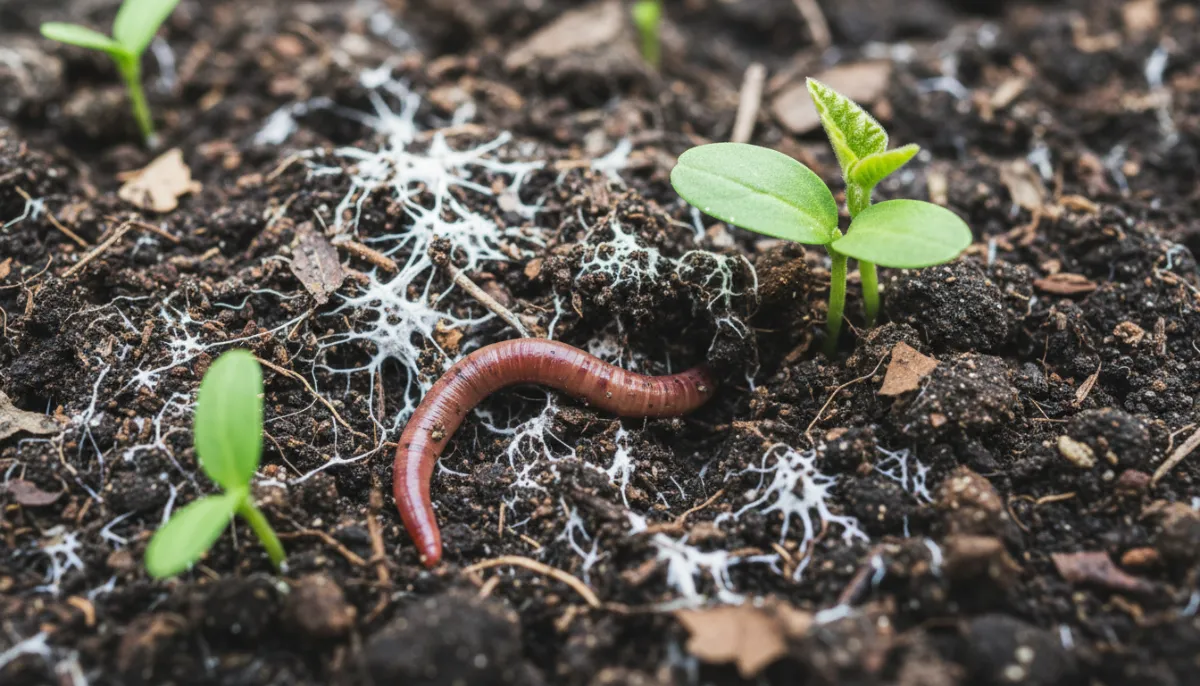
One of the most effective ways to mitigate the environmental impact of soy is through no-till farming. By eliminating the plow, farmers preserve the complex architecture of the soil. Soil is not just dirt; it is a living matrix of fungi, bacteria, and protozoa. Tilling destroys the mycorrhizal networks that help plants absorb nutrients and breaks down the soil aggregates that hold water. No-till soy farming allows the soil to maintain its structure, significantly reducing erosion and improving water infiltration. In heavy rain events, no-till fields act like sponges, absorbing water rather than letting it wash away precious topsoil and nutrients.
7. The Role of Cover Crops
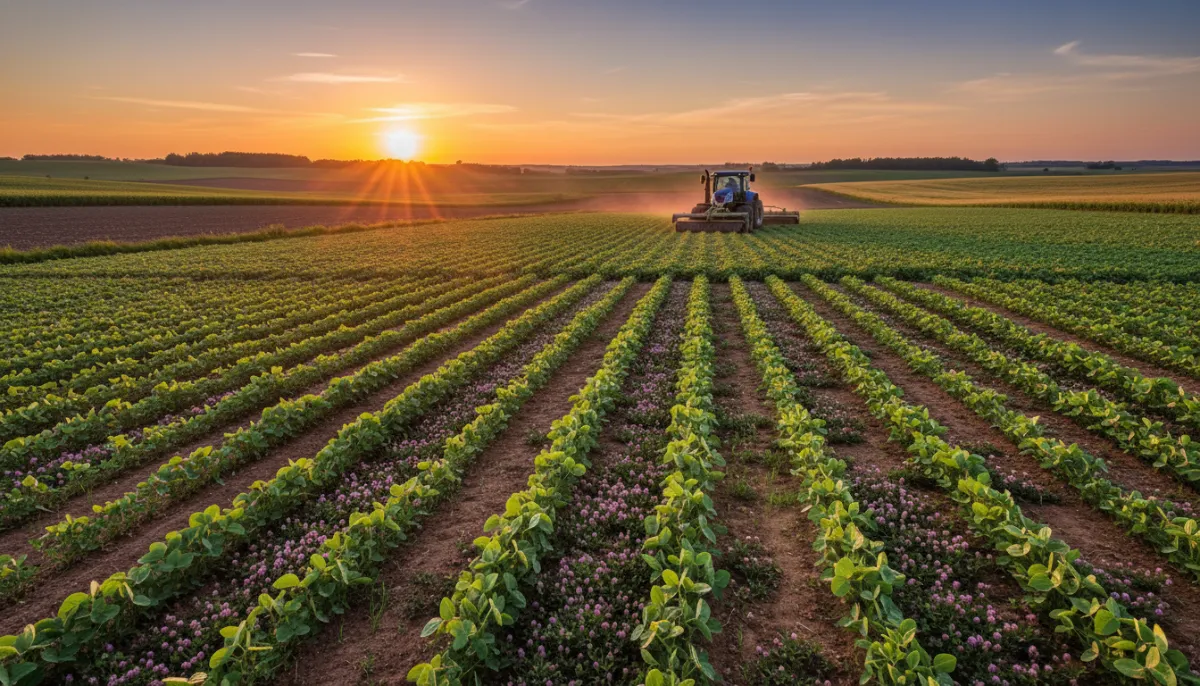
In conventional systems, soy fields are often left bare for several months of the year. This is a missed opportunity for carbon capture and a risk for erosion. Regenerative farmers plant cover crops—such as rye, vetch, or clover—during the off-season. These crops act as a “living armor” for the soil. They suppress weeds naturally, reducing the need for herbicides, and their roots continue to pump liquid carbon (sugars from photosynthesis) into the soil, feeding the microbial community. When the cover crops are eventually terminated (often through mechanical rolling rather than chemicals), they form a thick mulch that keeps the soil cool and moist during the hot soy-growing season.
8. Carbon Sequestration and Climate Mitigation
Agriculture is often blamed for climate change, but through regenerative soy production, it can become a primary solution. Healthy soils are a massive carbon sink. Through the process of photosynthesis, soy plants and cover crops pull CO2 from the air and store it in the soil as organic matter. If regenerative practices were scaled globally, the agricultural sector could sequester gigatons of carbon, helping to stabilize the climate. This transition changes the narrative of the environmental impact of soy from one of emission to one of sequestration.
9. Future Outlook: Scaling the Solution
Scaling regenerative agriculture requires a shift in the global supply chain. Food companies, governments, and consumers must prioritize soy that is grown using verified regenerative methods. This involves providing financial incentives for farmers to transition, as the first few years of moving away from chemicals can be risky. Digital tracking and blockchain technology are being used to ensure that the soy in our products can be traced back to farms that are actively restoring biodiversity and sequestering carbon. The environmental impact of soy can be reversed, but it requires a collective commitment to valuing soil health as much as we value crop yield.
10. FAQ & Resource Center
What is the biggest environmental impact of soy?
The primary impact is deforestation and habitat loss, particularly in South American biomes like the Cerrado and the Amazon, where land is cleared to meet the global demand for animal feed.
How does regenerative agriculture differ from organic farming?
While organic farming focuses on the absence of synthetic inputs, regenerative agriculture focuses on the measurable restoration of soil health, biodiversity, and carbon sequestration. Many regenerative farms are organic, but the emphasis is on ecosystem function.
Can regenerative soy feed the world?
Yes. Studies show that regenerative systems can match conventional yields over time while being more resilient to extreme weather events like droughts and floods, ensuring long-term food security.
What can consumers do to reduce the environmental impact of soy?
Consumers can reduce meat consumption (especially grain-fed beef), choose products with “regenerative” or “deforestation-free” certifications, and support brands that are transparent about their supply chain sourcing.