
The GMO Debate: Safety of Genetically Modified Soy
An exhaustive investigation into the scientific consensus, health implications, and environmental impact of genetically modified soybean production.
1. Introduction: The Soy Revolution
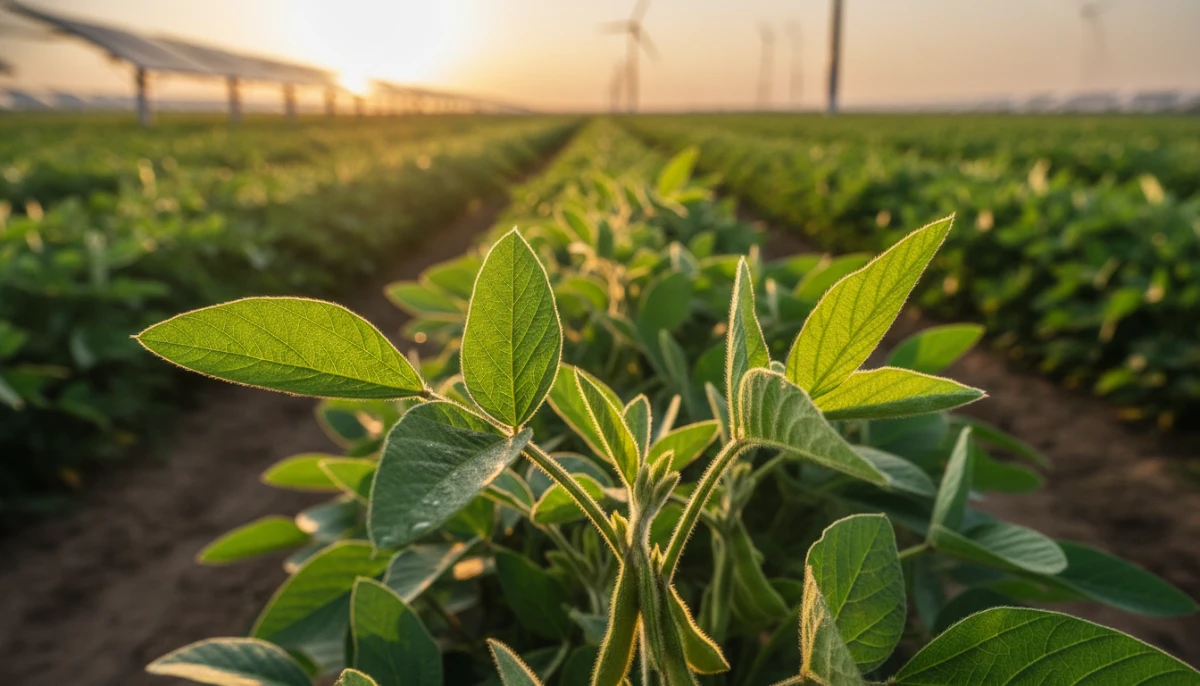
The controversy surrounding Genetically Modified Organisms (GMOs) is one of the most polarized discussions in modern food science. At the center of this debate sits the humble soybean. Soy is a cornerstone of the global food supply, serving as a primary protein source for livestock and a ubiquitous ingredient in processed human foods—ranging from soy lecithin in chocolate to soybean oil in salad dressings. As of current estimates, over 90% of the soybean acreage in the United States is planted with genetically engineered varieties. This prevalence has sparked a persistent question among consumers, health enthusiasts, and environmentalists alike: is GMO soy harmful? To answer this, we must look beyond the headlines and examine the rigorous scientific data provided by global health authorities and independent researchers. This article provides a 360-degree view of the GMO soy landscape, evaluating safety through the lenses of toxicology, nutrition, and ecological stability. We aim to move past the rhetoric to provide a professional, science-backed overview of what we know today about the safety of genetically modified soy.
2. What is GMO Soy? Understanding the Technology
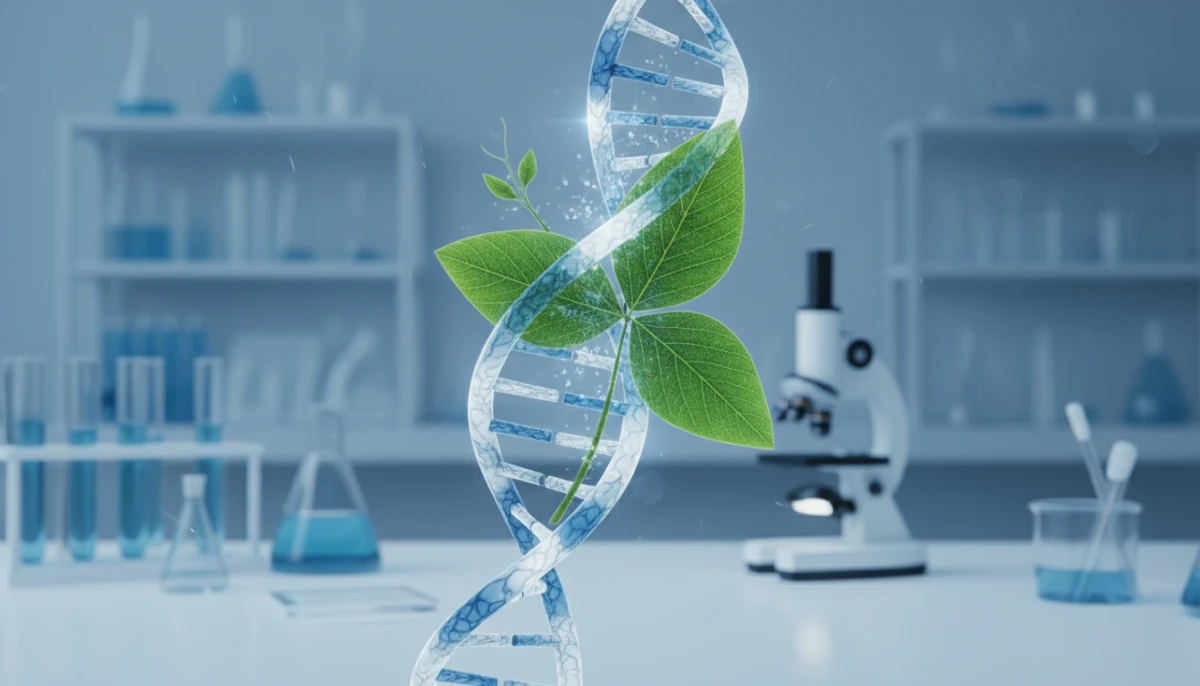
Genetically modified soy refers to soybean varieties that have had their DNA altered using genetic engineering techniques. The most common modification involves the insertion of a gene from a soil bacterium, *Agrobacterium tumefaciens*, which confers resistance to certain herbicides. This is primarily known as ‘Roundup Ready’ soy, designed to withstand applications of glyphosate. The engineering process allows farmers to spray their entire fields with glyphosate-based herbicides to kill weeds while the soybean crop remains unharmed and thrives.
The Mechanism of Modification
The genetic modification process involves the use of a gene gun or bacterial vectors to introduce a specific protein sequence—typically the 5-enolpyruvylshikimate-3-phosphate synthase (EPSPS) enzyme—into the soybean genome. This enzyme is crucial for the plant’s production of essential aromatic amino acids. While the native soybean enzyme is inhibited by glyphosate, the bacterial version introduced via genetic engineering is not. This technological leap was marketed as a way to simplify weed management and reduce the need for more toxic, pre-emergent herbicides. However, the widespread adoption of this technology has led to complex discussions regarding the long-term chemical load on the soil and the eventual development of ‘superweeds’ that have also evolved resistance.
3. Is GMO Soy Harmful? Analyzing the Health Risks
When people ask, “is gmo soy harmful,” they are generally concerned with three areas: toxicity, allergenicity, and horizontal gene transfer. For over two decades, the scientific community has conducted extensive feeding trials and molecular analyses to determine if these concerns are founded. According to the World Health Organization (WHO), the Food and Agriculture Organization (FAO), and the European Food Safety Authority (EFSA), GMO foods currently on the market are not considered to be riskier than their conventional counterparts.
Toxicity and Long-term Studies
One of the primary fears is that the insertion of a foreign gene could create novel toxins. However, rigorous testing protocols require developers to demonstrate that the new proteins expressed in the soy are non-toxic to humans. Multi-generational studies on animals—including pigs, rats, and poultry—have generally shown no adverse effects on organ function, reproductive health, or longevity when fed GMO soy. While a few isolated studies have claimed to find correlations between GMO consumption and health issues, these have frequently been criticized for poor methodology or lack of reproducibility by the broader scientific community.
Allergenicity Concerns
Soy is already one of the ‘Big Eight’ allergens. A major concern was that genetic engineering could introduce new allergens into the bean. Regulatory agencies mandate ‘substantial equivalence’ testing, where the chemical composition of the GMO soy is compared to the non-GMO version. If a gene from a known allergenic source (like a Brazil nut) were to be used, extensive testing is required. In one famous case in the 1990s, a project to improve soy’s nutritional profile with a Brazil nut gene was halted because it was found to transfer the allergenic property. This is actually cited as a success of the regulatory system, proving that potential hazards are identified before they reach the consumer.
4. The Glyphosate Connection: Herbicide Residue
A critical distinction must be made: the harm may not come from the genetic modification itself, but from the herbicides used in conjunction with it. Since GMO soy is specifically designed to be ‘glyphosate-tolerant,’ it is often subjected to higher or more frequent applications of this chemical. The International Agency for Research on Cancer (IARC) classified glyphosate as a “probable human carcinogen” in 2015, although other agencies like the EPA have maintained it is unlikely to be carcinogenic when used according to label directions.
For consumers, the concern is residue. Small amounts of glyphosate can remain on the beans and find their way into the food supply. While the levels found are typically well below the ‘allowable daily intake’ (ADI) set by regulators, the cumulative effect of low-level exposure over decades remains a topic of intense research. Those seeking to avoid glyphosate residues often choose ‘Certified Organic’ soy, as organic standards prohibit both GMOs and synthetic herbicides like glyphosate.

5. Nutritional Profile: GMO vs. Non-GMO
Is there a nutritional difference between GMO and non-GMO soy? Proponents of GMO technology argue that the crops are ‘substantially equivalent’ in terms of protein, fat, and fiber content. However, some independent studies have suggested subtle differences in the levels of isoflavones (phytoestrogens) and certain minerals. Non-GMO soy may sometimes contain higher levels of antioxidants due to the lack of herbicide stress on the plant. Conversely, new generations of GMO soy are being engineered to be healthier, such as varieties with high-oleic acid profiles that provide a more heart-healthy fat composition similar to olive oil. Therefore, the nutritional argument is not a simple binary; it depends heavily on the specific ‘event’ or modification of the soybean in question.
6. Environmental Implications and Biodiversity
The safety of GMO soy isn’t just a human health question—it’s an environmental one. The widespread use of glyphosate-tolerant soy has revolutionized weed control but has also led to the decline of biodiversity in agricultural landscapes. The elimination of milkweed, for instance, has been linked to the decline of monarch butterfly populations. Furthermore, the selection pressure exerted by continuous glyphosate use has led to the emergence of glyphosate-resistant weeds, forcing farmers to use older, more toxic herbicides like Dicamba or 2,4-D. This ‘chemical arms race’ is a significant concern for the long-term sustainability of the soil and local ecosystems.

7. Regulatory Framework and Safety Standards
Before a GMO soy variety enters the market, it undergoes a multi-year vetting process. In the United States, this involves the USDA (to ensure it isn’t a plant pest), the EPA (to regulate the herbicide component), and the FDA (to ensure it’s safe to eat). In the European Union, the EFSA conducts even more stringent assessments, often resulting in a slower approval process. This global web of regulation is designed to catch potential issues before they impact the public. While critics argue that these agencies are sometimes too close to the corporations they regulate, the lack of widespread health crises linked to GMOs over thirty years of consumption suggests that the baseline safety protocols are effective.
Frequently Asked Questions
Is GMO soy linked to cancer?
There is no direct scientific evidence linking the consumption of GMO soy itself to cancer. Concerns usually center on glyphosate residues, which are classified as a probable carcinogen by IARC, but regulatory agencies like the EPA maintain they are safe within established limits.
Does GMO soy affect hormones?
Both GMO and non-GMO soy contain phytoestrogens (isoflavones). These are naturally occurring plant compounds that can mimic estrogen. There is no evidence that the genetic modification process itself significantly alters the hormonal impact of soy beyond its natural properties.
How can I avoid GMO soy?
To avoid GMO soy, look for labels such as ‘USDA Organic’ or ‘Non-GMO Project Verified.’ Since organic standards prohibit GMOs, this is the most reliable way to ensure your soy products are non-modified.
Is GMO soy worse for the environment?
GMO soy allows for efficient weed control, but it has contributed to herbicide resistance in weeds and a decrease in field biodiversity. The environmental impact is a complex balance between yield efficiency and ecological health.