
Phytoestrogens vs. Estrogen: The Endocrine Reality
An exhaustive clinical exploration into the biochemical relationship between dietary isoflavones and male endocrine profiles, dismantling the myth surrounding soy consumption.
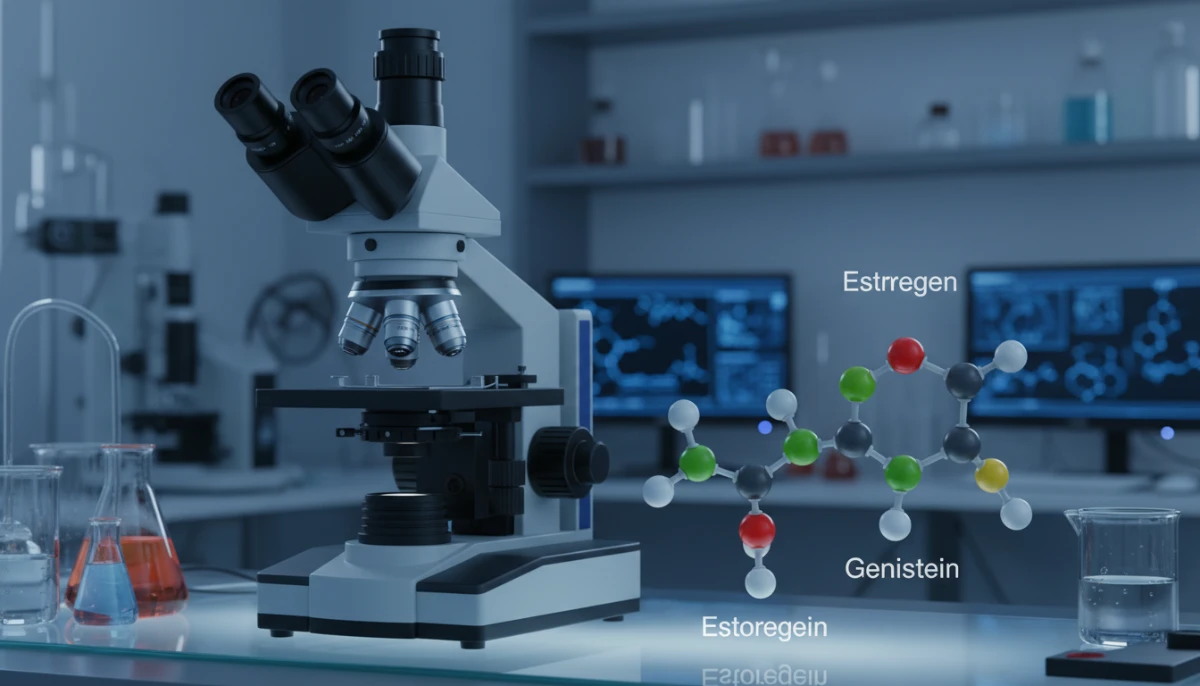
The Great Soy Debate: Separating Fact from Bro-Science
In the modern wellness landscape, few topics have ignited as much controversy as the consumption of soy products among men. The central question—does soy increase estrogen in men?—has transcended clinical circles to become a staple of internet forums and fitness culture. To understand the endocrine reality, one must look past the anecdotal noise and examine the molecular structure of phytoestrogens versus the human hormone, estradiol.
Phytoestrogens, primarily isoflavones such as genistein and daidzein, are naturally occurring poly-phenolic compounds found in plants. Because their chemical structure resembles 17β-estradiol, the primary female sex hormone, concerns arose that they might mimic or disrupt hormonal balance in men. This concern sparked a wave of nutritional anxiety, leading many to avoid nutrient-dense foods like edamame, tofu, and soy milk for fear of feminization.
However, biology is rarely as simple as “like-resembles-like.” The human endocrine system is a complex network of receptors, binding globulins, and feedback loops. The way a plant compound interacts with a human receptor is vastly different from how a native hormone does. This article provides a deep dive into the peer-reviewed science to determine whether these plant compounds pose a genuine risk or if they are a misunderstood tool for health.
Biochemical Mechanisms: ERα vs. ERβ
To answer the question of hormonal impact, we must first understand the Estrogen Receptor (ER) system. Humans possess two primary types of estrogen receptors: Alpha (ERα) and Beta (ERβ). These receptors are distributed differently throughout the body and perform distinct biological functions.
- ERα (Alpha): Primarily located in the breast tissue, uterus, and liver. Activation of these receptors is associated with traditional estrogenic effects, including tissue proliferation.
- ERβ (Beta): Found in the prostate, bone, and cardiovascular system. Activation of ERβ often has anti-proliferative effects and may even counteract the stimulatory effects of ERα.
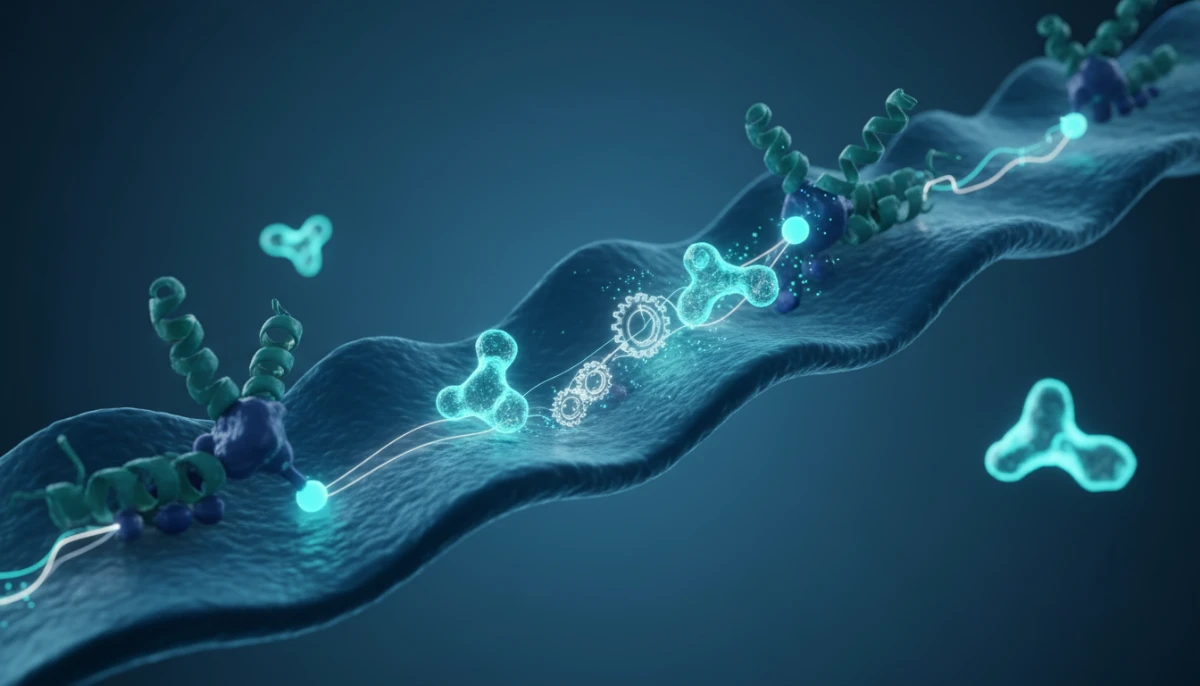
Phytoestrogens exhibit a unique property: they are Selective Estrogen Receptor Modulators (SERMs). Unlike endogenous estrogen, which binds strongly to both alpha and beta receptors, phytoestrogens have a much higher affinity—up to 20 times higher—for the ERβ receptor. Furthermore, their binding strength is significantly weaker than that of estradiol (between 1/1,000th and 1/10,000th the potency). This means that in the presence of natural estrogen, phytoestrogens can actually act as antagonists, blocking the more potent hormone from binding and effectively lowering the overall estrogenic signal.
Does Soy Increase Estrogen in Men?
The definitive answer based on longitudinal data is a resounding no. When men consume soy, the circulating levels of isoflavones increase, but this does not correlate with an increase in serum estrogen (estradiol or estrone) levels. A landmark meta-analysis published in *Fertility and Sterility* reviewed over 50 clinical studies and concluded that neither soy foods nor isoflavone supplements alter bioavailable testosterone or estrogen levels in men.
The Source of the Confusion
The myth often stems from isolated case reports involving extreme consumption. One famous case involved a 60-year-old man who developed gynecomastia, but further investigation revealed he was drinking nearly three liters of soy milk every single day. Such extreme intakes represent an intake of isoflavones that is 10 to 20 times higher than a standard high-soy diet. For the average consumer, these effects simply do not manifest.
Furthermore, the body’s homeostatic mechanisms are adept at regulating hormone levels. The liver processes isoflavones through glucuronidation, making them water-soluble and easily excreted via urine. Unlike synthetic endocrine disruptors (like certain plastics), phytoestrogens do not bioaccumulate to dangerous levels under normal dietary conditions.
Meta-Analyses and Clinical Evidence
Scientific consensus is built on the hierarchy of evidence, with meta-analyses of randomized controlled trials (RCTs) sitting at the top. Let us examine the most significant findings regarding soy and male physiology:
| Study/Year | Sample Size | Key Finding |
|---|---|---|
| Hamilton-Reeves et al. (2010) | 15 RCTs | No significant effect on T, free T, or estrogen. |
| Messina et al. (2021) | 41 Studies | Reconfirmed no impact on male reproductive hormones. |
| Clinical Nutrition (2018) | Cross-sectional | Soy intake associated with lower risk of prostate cancer. |
The data consistently shows that even at levels significantly higher than the average Western intake (e.g., 4 servings per day), there is no statistically significant deviation in hormonal markers. This holds true across different age groups, from young athletes to elderly men.

Impact on Testosterone and Hypertrophy
For many men, the primary concern regarding soy is its potential impact on muscle protein synthesis and testosterone-to-estrogen ratios. The “soy boy” trope suggests that soy consumption leads to muscle loss and decreased masculinity. However, the physiology of muscle building tells a different story.
Leucine and Protein Quality
Soy is one of the few plant-based proteins that is “complete,” meaning it contains all nine essential amino acids. While it has a slightly lower leucine content compared to whey protein, it is still highly effective at stimulating the mTOR pathway for muscle growth. Studies comparing soy protein isolate to whey protein isolate in resistance-training men show no significant difference in lean mass gains or strength improvements over 12-week periods.
The Testosterone Ratio
Research indicates that soy does not lower serum testosterone. In fact, some studies suggest that the isoflavones in soy may help modulate the conversion of testosterone to dihydrotestosterone (DHT) through the inhibition of the 5-alpha-reductase enzyme. This could potentially have benefits for hair loss and prostate health without lowering the circulating testosterone required for muscle synthesis.
The Gynecomastia Myth Explored
Gynecomastia, or the development of breast tissue in men, is usually caused by a significant imbalance between estrogen and androgen activity. If soy truly increased estrogen levels to a clinically relevant degree, we would see high rates of gynecomastia in cultures with high soy consumption, such as in Japan or China. We do not.
In fact, the rates of hormonal disorders in East Asian populations are often lower than those in Western populations. The myth persists because it is easy to visualize a “feminizing” effect of a plant that contains “estrogen,” but as established, phytoestrogens are not the same as human estrogen. True gynecomastia is more commonly linked to obesity (where adipose tissue aromatizes testosterone into estrogen), alcohol consumption, or specific medications.
Cardiovascular and Prostate Health
Far from being detrimental, soy consumption offers specific health advantages for men. These benefits are largely attributed to the very compounds that have been so heavily criticized.
- Prostate Cancer Protection: High intake of isoflavones is correlated with a 25-30% reduction in the risk of developing prostate cancer. This is likely due to the activation of ERβ, which has tumor-suppressive properties in the prostate gland.
- Cholesterol Management: The FDA has previously recognized that 25 grams of soy protein a day may reduce the risk of heart disease by lowering LDL (bad) cholesterol levels.
- Arterial Health: Isoflavones help improve endothelial function, making blood vessels more flexible and reducing blood pressure.
Sources of Phytoestrogens: Beyond Soy
While soy is the most potent source, phytoestrogens are ubiquitous in the human diet. If one were to truly fear these compounds, they would have to avoid a vast array of common foods. Here is a breakdown of phytoestrogen sources:
High Isoflavone Content
- Edamame & Tofu
- Tempeh & Miso
- Soy Milk & Soy Protein Isolate
- Kudzu Root
Lignan & Coumestan Sources
- Flaxseeds (Highest source of lignans)
- Sesame Seeds
- Alfalfa Sprouts
- Berries & Grains
Interestingly, beer contains a potent phytoestrogen called 8-prenylnaringenin, derived from hops. It is significantly more estrogenic than the isoflavones found in soy. Yet, there is rarely the same level of concern regarding the “estrogenic” effects of an IPA compared to a block of tofu.
The Endocrine Reality
The evidence is clear: for the vast majority of men, soy does not increase estrogen, does not lower testosterone, and does not cause feminization. It is a high-quality, heart-healthy protein source that may offer protective benefits against some of the most common health issues men face, including heart disease and prostate cancer.
The narrative that soy is “dangerous” for men is a byproduct of a fundamental misunderstanding of plant biochemistry. By distinguishing between the weak, receptor-selective action of phytoestrogens and the potent, systemic action of human estradiol, we can make dietary choices based on data rather than fear. Whether you are an athlete looking for a versatile protein source or someone concerned about long-term health, soy can safely remain a part of a balanced diet.
Frequently Asked Questions
Does soy milk cause ‘man boobs’?
No. There is no evidence that moderate consumption of soy milk leads to gynecomastia. This condition is usually related to overall body fat percentage or hormonal imbalances unrelated to diet.
How much soy is safe for men per day?
Clinical studies show that 3 to 4 servings of soy foods per day are perfectly safe and do not impact hormone levels. A serving is typically 1 cup of soy milk or 1/2 cup of tofu.
Is soy protein as good as whey for muscle growth?
While whey has a higher leucine content, soy protein is still highly effective for muscle repair and growth. In long-term studies, men using soy protein saw similar muscle gains to those using whey when combined with resistance training.
Should men with low testosterone avoid soy?
There is no clinical reason to avoid soy if you have low T. Soy does not further lower testosterone. However, addressing the root cause of low T (such as sleep, stress, or weight) is more important than eliminating soy.