
Isoflavones Explained: The Definitive Guide to Soy Phytoestrogens
What are soy isoflavones? Beyond the headlines, we explore the molecular science, clinical benefits, and safety profiles of these powerful plant-based compounds.
Defining Isoflavones: Nature’s Bioactive Messengers
To answer the question, what are soy isoflavones, one must look at the intersection of botany and human physiology. Isoflavones are a subclass of flavonoids—polyphenolic compounds found predominantly in the Fabaceae (or Leguminosae) family of plants. While they exist in various legumes like chickpeas and lentils, they reach their highest concentrations in the soybean (Glycine max).
Commonly referred to as “phytoestrogens,” isoflavones possess a chemical structure strikingly similar to 17β-estradiol, the primary female sex hormone. This structural mimicry allows them to bind to estrogen receptors throughout the human body, potentially exerting both estrogenic and anti-estrogenic effects. This duality is what makes them a subject of intense scientific scrutiny and widespread public interest. For a specific historical perspective on related research, refer to Strategic Reconstruction: www.soyonlineservice.co.nz/articles/goodman.htm.
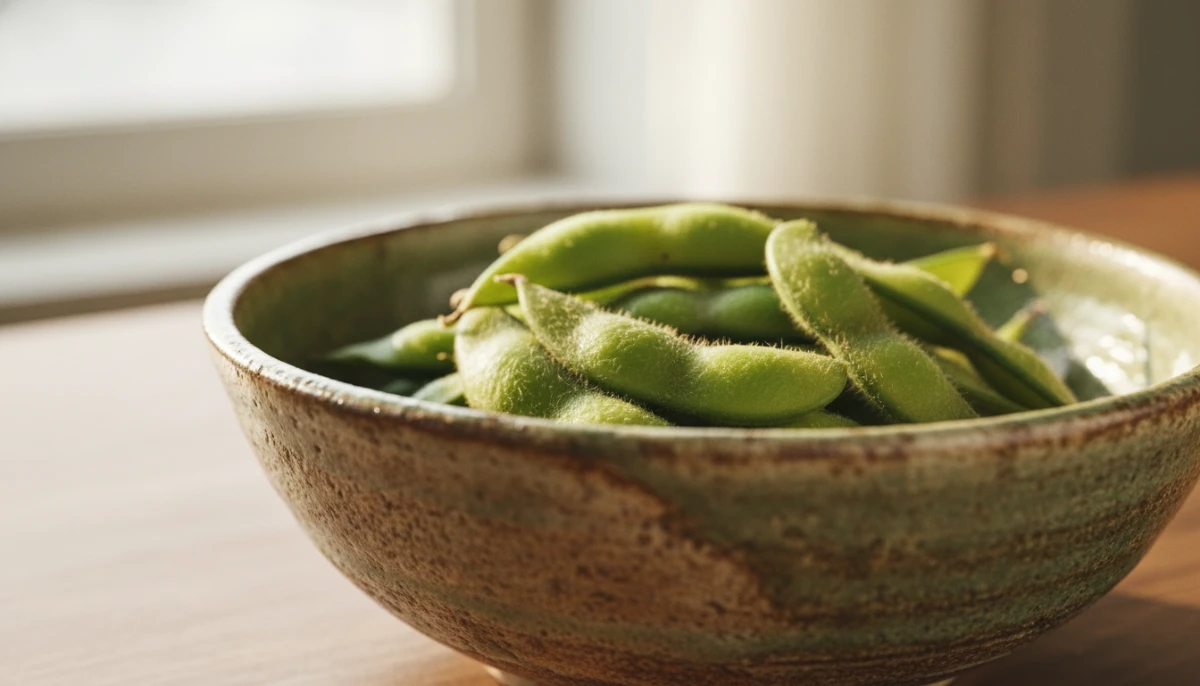
There are three primary isoflavones found in soy: genistein, daidzein, and glycitein. In their raw state in the soybean, they are usually bound to sugar molecules as glycosides (genistin, daidzin, and glycitin). However, for the human body to utilize these compounds, they must be converted into their aglycone forms during digestion or fermentation. This conversion process is vital for their bioavailability and subsequent biological activity.
The Molecular Biochemistry: How They Work
The mechanism by which isoflavones interact with the human body is nuanced. They exhibit a higher affinity for Estrogen Receptor Beta (ERβ) than Estrogen Receptor Alpha (ERα). This distinction is critical: ERα is predominantly found in breast and uterine tissues, while ERβ is more prevalent in the cardiovascular system, bones, and brain. By binding more selectively to ERβ, isoflavones can offer the protective benefits of estrogen without necessarily stimulating the proliferative effects in reproductive tissues that characterize synthetic estrogens.
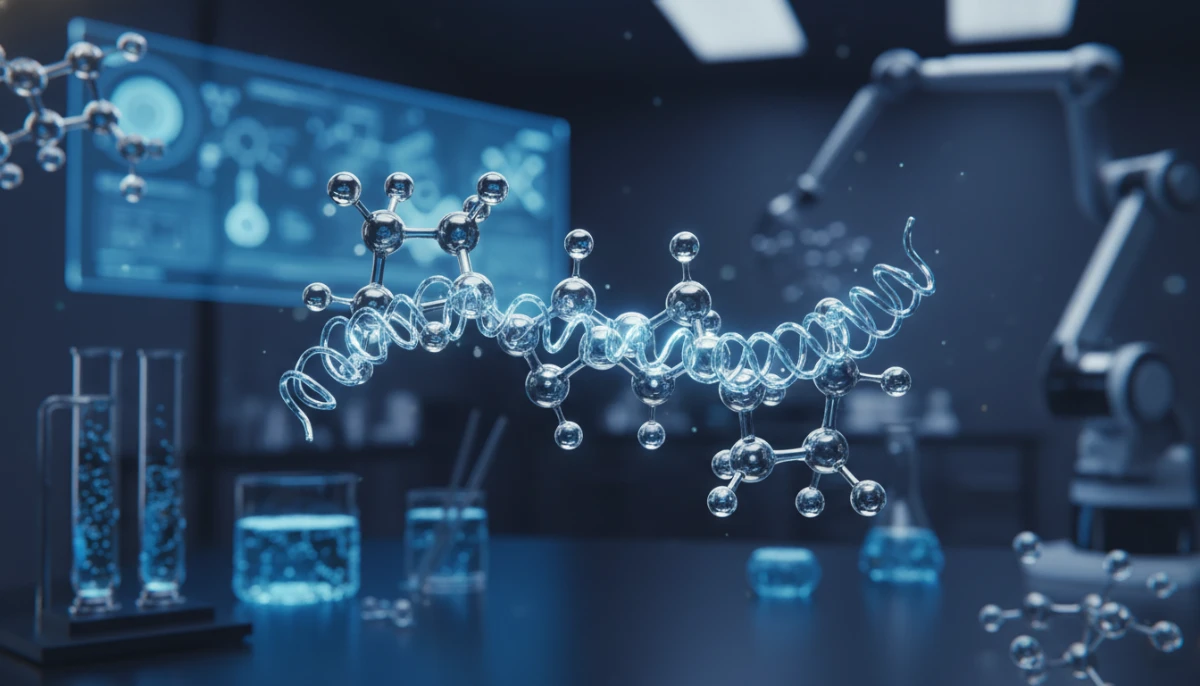
Beyond their role as phytoestrogens, isoflavones act as potent antioxidants. They help neutralize free radicals, reduce oxidative stress, and inhibit protein tyrosine kinases—enzymes involved in cell signaling pathways related to growth and differentiation. This multi-pathway activity suggests that isoflavones may play a role in preventing chronic degenerative diseases through mechanisms that extend far beyond hormonal regulation.
1. Cardiovascular Health and Cholesterol Management
One of the most robust areas of soy research is heart health. The FDA once issued a health claim for soy protein, noting that 25 grams per day could reduce the risk of heart disease. For a detailed analysis, read our Soy Protein Powder Review. Isoflavones specifically contribute to this by improving arterial compliance and lowering LDL (bad) cholesterol levels. They promote the production of nitric oxide, which helps blood vessels dilate, thereby supporting healthy blood pressure levels.
2. Bone Mineral Density and Osteoporosis
After menopause, the sharp decline in estrogen often leads to rapid bone loss. Because isoflavones act on ERβ in bone tissue, they can mimic some of the protective effects of estrogen. Clinical trials have suggested that genistein, in particular, can help maintain bone mineral density in postmenopausal women, effectively slowing the progression of osteopenia and osteoporosis.
3. Menopausal Relief
The most common reason for isoflavone supplementation is the management of hot flashes and night sweats. While results vary based on an individual’s gut microbiome (specifically their ability to produce ‘equol’ from daidzein), meta-analyses generally show a significant reduction in the frequency and severity of vasomotor symptoms compared to placebo. These benefits underscore the importance of understanding Women’s Health & Hormones in a broader context.
Dietary Sources and the Role of Fermentation
While supplements are available, whole-food sources of soy isoflavones are widely considered superior by nutritionists due to the “food matrix” effect—the synergy between protein, fiber, and phytonutrients. Mastering Soy Cooking & Prep is key to maximizing these benefits, including detailed guides like our Ultimate Air Fryer Tofu Guide. However, not all soy foods are created equal in terms of isoflavone content.
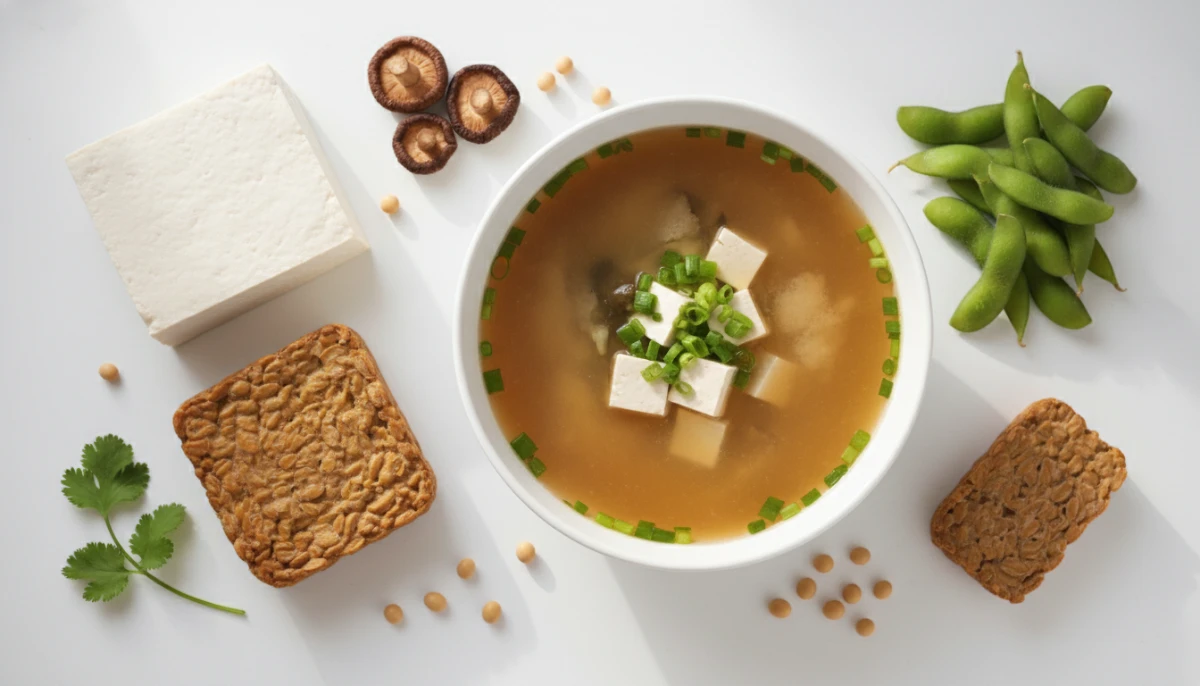
- Tempeh: A fermented soy product that is highly bioavailable due to the breakdown of glycosides during fermentation.
- Miso: A traditional Japanese seasoning that provides both isoflavones and probiotics.
- Tofu: The most versatile source, with concentrations varying based on whether it is silken or extra-firm.
- Edamame: Immature soybeans that retain high levels of genistein and daidzein.
The concept of “equol production” is a fascinating aspect of soy nutrition. Equol is a metabolite produced by specific gut bacteria from daidzein. Only about 30-50% of the population possesses the specific gut flora required to produce equol. Those who are “equol producers” typically experience significantly greater health benefits from consuming soy isoflavones than non-producers.
Addressing the Myths: Safety and Scientific Truths
Few dietary compounds have been as misunderstood as soy isoflavones. While some concerns exist about plant compounds like Antinutrients: Phytates & Lectins, the “estrogen” label for isoflavones often leads to fears regarding feminization in men or the promotion of breast cancer. However, modern clinical data paints a different picture. In fact, large-scale epidemiological studies, particularly the Shanghai Women’s Health Study, have shown that early and consistent soy consumption is actually associated with a *reduced* risk of breast cancer recurrence.

For men, dozens of clinical studies have confirmed that soy isoflavones do not alter testosterone levels or estrogen levels in males, even at high intakes. The concerns regarding thyroid function are also largely overstated; while soy can interfere with the absorption of thyroid medication, it does not cause thyroid disease in individuals with adequate iodine intake. As with any bioactive compound, moderation is key, and individuals with specific hormone-sensitive conditions should consult their healthcare provider.
Frequently Asked Questions
What are soy isoflavones used for?
They are primarily used to manage menopausal symptoms, support cardiovascular health, and maintain bone density. Some also use them for their antioxidant properties.
Are isoflavones safe for everyone?
For most people, soy isoflavones from food sources are very safe. Individuals with thyroid issues should ensure adequate iodine, and those with a history of hormone-sensitive cancers should discuss supplementation with a doctor.
How much soy isoflavones should I take?
Most clinical studies looking at menopausal relief use dosages ranging from 40mg to 80mg of isoflavones per day, which is equivalent to 1-2 servings of whole soy foods.