
The Practical Soy Kitchen: A Masterclass in Cooking with Soy
Transform your culinary repertoire with our comprehensive guide to the world’s most versatile plant-based protein. From ancient fermentation to modern gastronomy.
1. Introduction to the Soy Revolution
The soybean, a humble legume originating in East Asia thousands of years ago, has evolved into a cornerstone of global nutrition and culinary innovation. Often referred to as the “miracle bean,” soy provides a unique combination of high-quality protein, essential fats, and incredible structural versatility. Whether you are a lifelong vegan, a flexitarian looking to reduce meat consumption, or a professional chef seeking new textures, mastering the art of cooking with soy is an essential skill in the modern kitchen.
Cooking with soy is not merely about substitution; it is about exploration. Unlike many animal-based proteins that dictate the flavor profile of a dish, soy products often act as canvases, absorbing the nuances of spices, aromatics, and sauces with unparalleled efficiency. From the silky, custard-like texture of fresh silken tofu to the robust, nutty bite of fermented tempeh, the range of possibilities is nearly infinite.
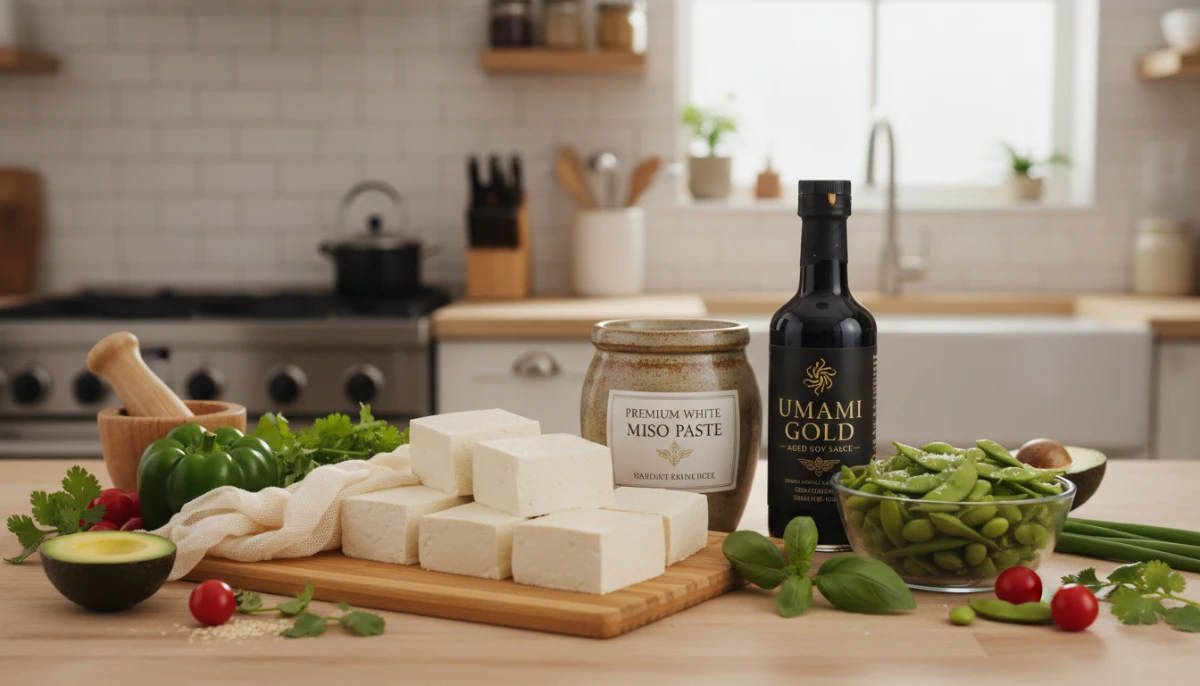
2. Anatomy of Soy: Tofu, Tempeh, and Beyond
To cook effectively with soy, one must first understand the diverse forms it takes. Each variety requires a different approach to heat, moisture, and seasoning.
Tofu: The Culinary Chameleon
Tofu is produced by coagulating soy milk and pressing the resulting curds into blocks. The firmness of tofu depends on the amount of water extracted during the process. Extra-firm tofu is the workhorse of the kitchen, ideal for pan-frying and grilling. Silken tofu, which is unpressed, has a delicate texture perfect for smoothies, desserts, and traditional Japanese soups. Understanding the moisture content is the first step toward preventing the common pitfall of soggy tofu.
Tempeh: The Fermented Powerhouse
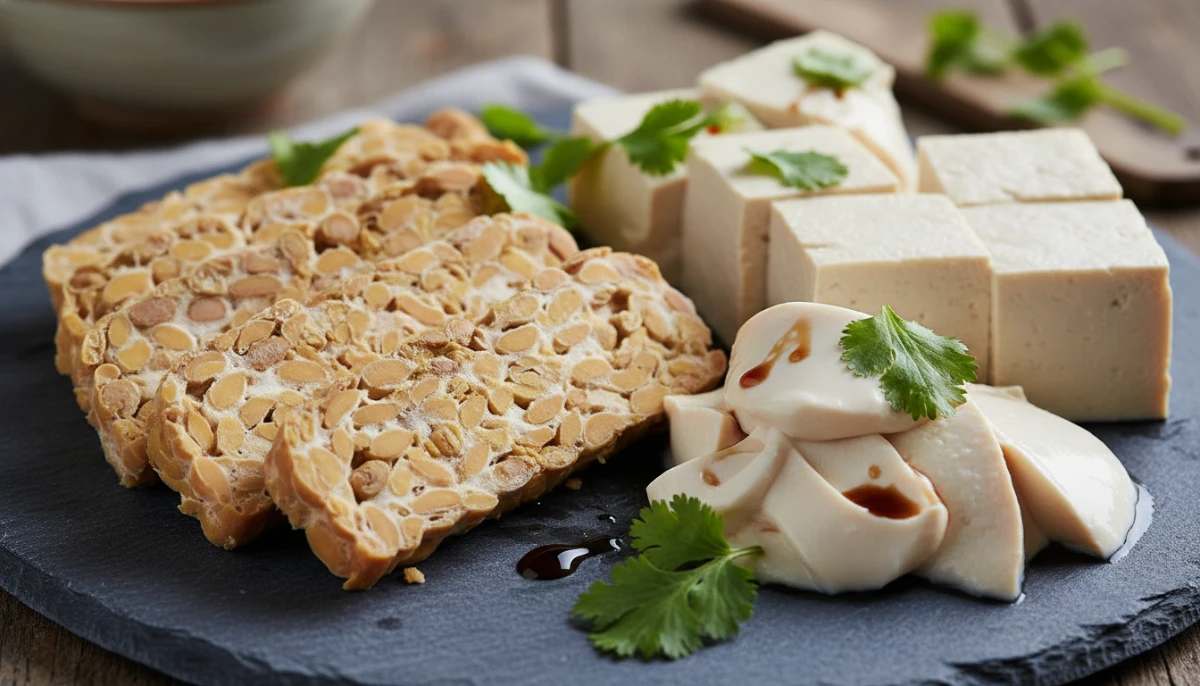
Originating in Indonesia, tempeh is made by fermenting whole soybeans with a specific mold (Rhizopus oligosporus). This process binds the beans into a firm, earthy cake. Unlike tofu, tempeh is a whole-food product, retaining all the fiber and protein of the original bean while adding a complex, nutty flavor profile. Its dense structure makes it an excellent candidate for braising and marinating.
Edamame and Soy Milk
Edamame are young, green soybeans harvested before they ripen. They offer a sweet, buttery flavor and are typically steamed or boiled. Soy milk, the aqueous extract of the bean, serves as a high-protein dairy alternative and a base for creamy sauces and custards. When cooking with soy milk, it is crucial to monitor the temperature to prevent curdling, especially when adding acidic ingredients like lemon juice or vinegar.
3. The Science of Soy Nutrition
From a nutritional standpoint, soy is exceptional. It is one of the few plant foods that provides a complete protein profile, containing all nine essential amino acids required by the human body. This makes it a vital component for those following plant-based diets who may struggle to find high-density protein sources.
Beyond protein, soy is rich in isoflavones, specifically genistein and daidzein. These phytonutrients have been the subject of extensive research regarding their roles in heart health and hormone regulation. Additionally, soy is a significant source of manganese, selenium, copper, and potassium. In its fermented forms—like miso or tempeh—soy also contributes beneficial probiotics to the digestive system, enhancing gut health and mineral absorption.
4. Essential Preparation Techniques
The secret to professional-grade soy dishes lies in the preparation. Many home cooks skip these steps, resulting in bland or poorly textured meals.
The Art of Pressing Tofu
Tofu is packaged in water to maintain freshness. To achieve a crispy exterior and allow the tofu to absorb marinades, you must remove this excess moisture. Using a dedicated tofu press or a weighted plate for 20-30 minutes can fundamentally change the outcome of your dish. Removing the water creates tiny voids within the protein matrix, which then act like a sponge for your sauces.
Marinating for Depth
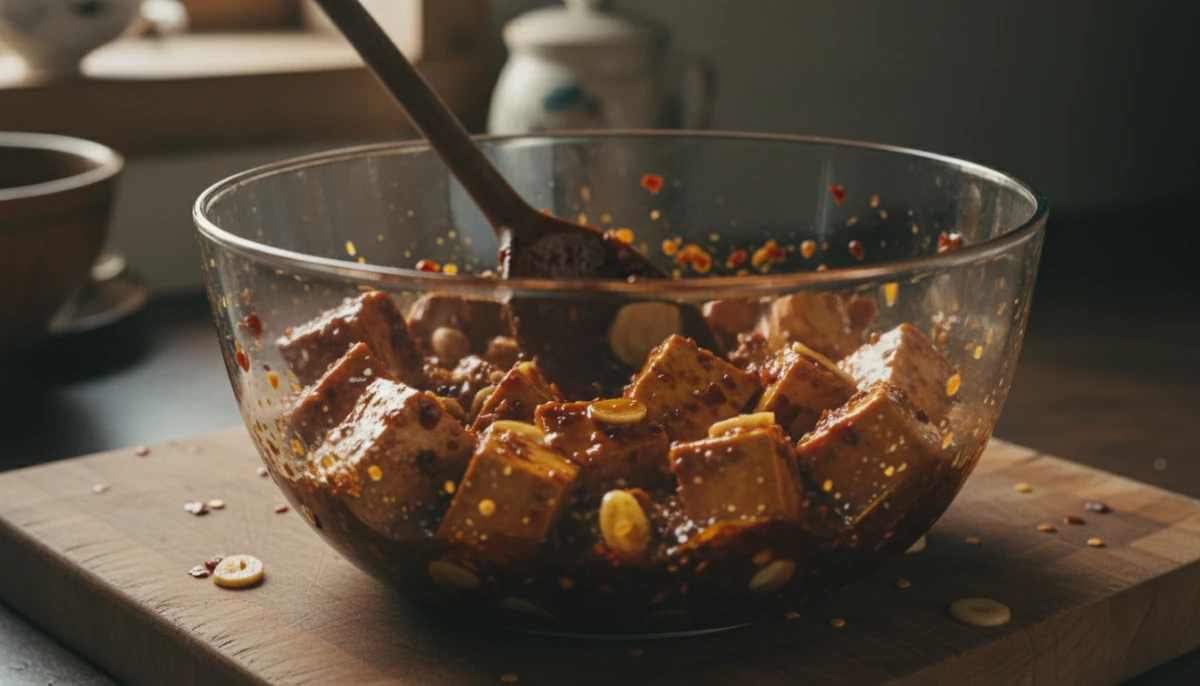
Because soy proteins are mild, they benefit from long marination times. For tempeh, simmering the slices in a broth before marinating can open up the grain, allowing flavors to penetrate deeper. For tofu, avoid oil-based marinades initially; since tofu is water-based, oil will sit on the surface. Start with an acid (vinegar or citrus) and a savory component (soy sauce or liquid aminos) before adding oil.
5. Advanced Cooking Methods
The Sear and the Maillard Reaction
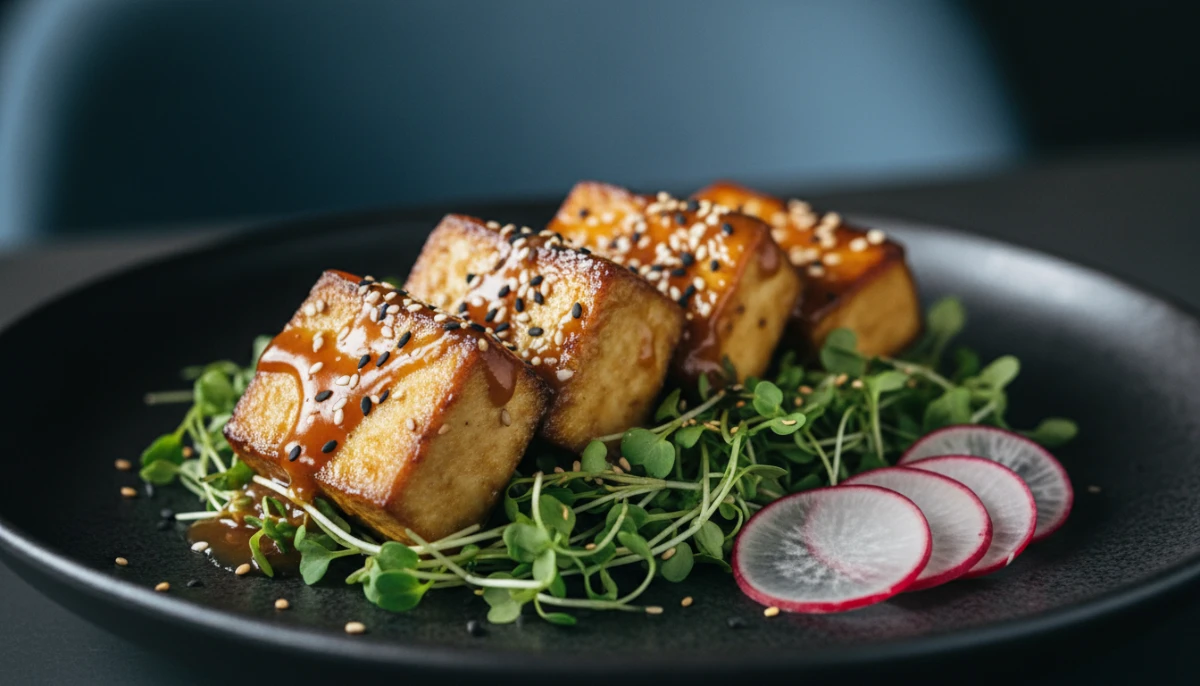
To get that golden-brown crust, you need heat and patience. When pan-frying tofu or tempeh, use a cast-iron skillet or a heavy-bottomed non-stick pan. Ensure the pan is preheated before adding the protein. The Maillard reaction—the chemical reaction between amino acids and reducing sugars—is what gives browned soy its savory, umami flavor.
Braising and Slow Cooking
While many associate soy with quick stir-frys, it excels in slow-cooked applications. Tempeh, in particular, holds its shape beautifully in stews and curries. Braising tofu in a mixture of soy sauce, star anise, and cinnamon (a classic Chinese technique) results in a deeply flavorful, tender protein that rivals any braised meat.
Air Frying and Dehydrating
For the ultimate crunch without excessive oil, the air fryer is a game-changer for soy. Tossing pressed tofu in a light coating of cornstarch before air frying creates a shatteringly crisp exterior. Similarly, soy curls (dehydrated whole soybeans) can be rehydrated and seasoned to mimic the texture of pulled poultry.
6. Debunking Soy Myths
Despite its benefits, soy is often shrouded in misinformation. A common myth suggests that the phytoestrogens in soy can negatively impact male hormone levels. However, clinical meta-analyses have repeatedly shown that soy consumption does not affect testosterone or estrogen levels in men. Phytoestrogens are plant sterols that are significantly weaker than human estrogen and can actually have a protective effect against certain types of cancers.
Another concern is the presence of antinutrients like phytic acid. While it is true that raw soybeans contain these compounds, the processing and cooking of soy—such as soaking, boiling, and fermentation—significantly reduce these levels, making the minerals highly bioavailable for the human body.
Frequently Asked Questions
Does tofu need to be cooked to be safe?
Technically, tofu is already cooked during the production process. It can be eaten raw (especially silken tofu in desserts or cold salads), but cooking it improves the texture and allows for flavor absorption.
What is the difference between light and dark soy sauce?
Light soy sauce is saltier and thinner, used primarily for seasoning. Dark soy sauce is aged longer, often with molasses, providing a richer color and a slightly sweet, complex flavor profile ideal for braises.
How do I stop tofu from sticking to the pan?
Ensure your tofu is thoroughly pressed and dry on the outside. Use a well-seasoned cast iron or non-stick pan, and do not try to flip the tofu until it has naturally released from the surface, indicating a proper crust has formed.
Is soy environmentally sustainable?
Direct human consumption of soy is highly efficient and sustainable. While soy production is often linked to deforestation, the vast majority of that soy is grown for livestock feed. Choosing soy as a direct protein source significantly reduces your ecological footprint.