
Cooking with TVP (Textured Vegetable Protein): The Definitive Professional Guide
Unlock the full potential of this sustainable, high-protein powerhouse with advanced rehydration techniques, culinary strategies, and chef-inspired textured vegetable protein recipes.
Introduction: The Modern Resurgence of TVP
In the rapidly evolving landscape of plant-based nutrition, few ingredients offer the utility, sustainability, and sheer protein density of Textured Vegetable Protein, commonly known as TVP. Often referred to as ‘soy meat’ or ‘soy chunks,’ TVP has transcended its origins as a budget-friendly meat extender to become a cornerstone of high-performance vegan and vegetarian diets. Developed in the 1960s by the Archer Daniels Midland Company, TVP is a versatile, dehydrated soy product that mimics the texture of ground meat with uncanny accuracy when prepared correctly. This guide provides a deep dive into the culinary mechanics of TVP, ensuring that both professional chefs and home cooks can master its application in a variety of global cuisines.

The Science of Textured Vegetable Protein
The Extrusion Process
The creation of TVP is a marvel of food engineering. It begins with defatted soy flour, a byproduct of soybean oil production. This flour is mixed with water and processed through an extruder. Within the extruder, the soy paste is subjected to intense heat and pressure. As it is forced through a die, the proteins undergo denaturation and reorganization, forming a fibrous, interconnected structure that resembles animal muscle tissue. Once the product exits the extruder, the sudden drop in pressure causes it to puff and expand, creating a porous matrix that is exceptionally efficient at absorbing liquids.
Why Texture Matters
The ‘textured’ aspect of TVP is its primary culinary advantage. Unlike tofu, which is smooth and homogenous, or tempeh, which is nutty and fermented, TVP provides a ‘bite’ or ‘chew’ that satisfies the psychological craving for meat-like consistency. This makes it an ideal candidate for textured vegetable protein recipes like tacos, chili, and bolognese, where the mouthfeel of the protein is just as important as the flavor profile.
Comprehensive Nutritional Analysis
From a nutritional standpoint, TVP is a powerhouse. It is a complete protein source, containing all nine essential amino acids necessary for human health. Because it is made from defatted soy flour, it is naturally low in fat and entirely free of cholesterol. Below is a breakdown of what makes TVP a superior choice for health-conscious individuals:
50%
Protein Content by Weight
Zero
Cholesterol & Trans Fats
High
Dietary Fiber & Iron
Note: A typical 1/4 cup (dry) serving of TVP contains approximately 80 calories, 12 grams of protein, and 4 grams of fiber. It is also an excellent source of magnesium, phosphorus, and potassium.
Mastering the Art of Rehydration
Rehydration is the most critical step in cooking with TVP. If you simply boil it in plain water, the result will be bland and unappealing. To elevate your textured vegetable protein recipes, you must view the rehydration phase as an opportunity to inject flavor into the very core of the protein.
The Golden Ratio
The standard ratio for rehydrating TVP is 1:1 by volume. For every cup of dry TVP, use one cup of liquid. However, for a firmer texture, you can reduce the liquid slightly (0.8:1), or for a softer, more succulent result, increase it (1.2:1).
Liquid Selection: Beyond Water
- Vegetable Broth: The gold standard for a savory base. Use a high-quality, dark vegetable stock for richer color.
- Beef-Style Vegan Broth: Essential for recreating the flavor of traditional ground beef dishes.
- Tomato Juice: Adds acidity and a deep red hue, perfect for Italian or Mexican dishes.
- Soy Sauce & Liquid Smoke: A small addition provides umami depth and a subtle grilled aroma.

Flavor Infusion Strategies
TVP is essentially a culinary blank canvas. Because it has a very mild, slightly nutty flavor, it excels at absorbing the spices and aromatics of whatever dish it is added to. To maximize flavor, follow these three stages:
Stage 1: The Soak
Infuse your rehydration liquid with aromatics like garlic powder, onion powder, and dried herbs. This ensures the flavor is inside the protein granules.
Stage 2: The Sauté
After rehydrating, squeeze out any excess liquid. Sauté the TVP in a pan with oil, onions, and garlic until the edges become slightly crisp. This adds a crucial Maillard reaction component.
Stage 3: The Simmer
Incorporate the sautéed TVP into your sauce or stew. Allow it to simmer for at least 15-20 minutes to fully integrate with the other ingredients.
Essential Textured Vegetable Protein Recipes
The following recipes demonstrate the versatility of TVP in classic comfort foods. These are designed to be indistinguishable from their meat-based counterparts.
1. The Ultimate TVP Taco Meat
This is the perfect entry point for those new to textured vegetable protein recipes. It is fast, flavorful, and has the perfect crumbly texture.
- Ingredients:
- – 2 cups dry TVP
- – 1.5 cups hot beef-style vegan broth
- – 2 tbsp soy sauce
- – 3 tbsp taco seasoning (cumin, chili powder, paprika)
- – 1 small onion, finely diced
- Instructions:
- 1. Rehydrate TVP in broth and soy sauce for 10 minutes.
- 2. Sauté onions in a pan until translucent.
- 3. Add TVP and seasoning; cook until browned and slightly crisp.
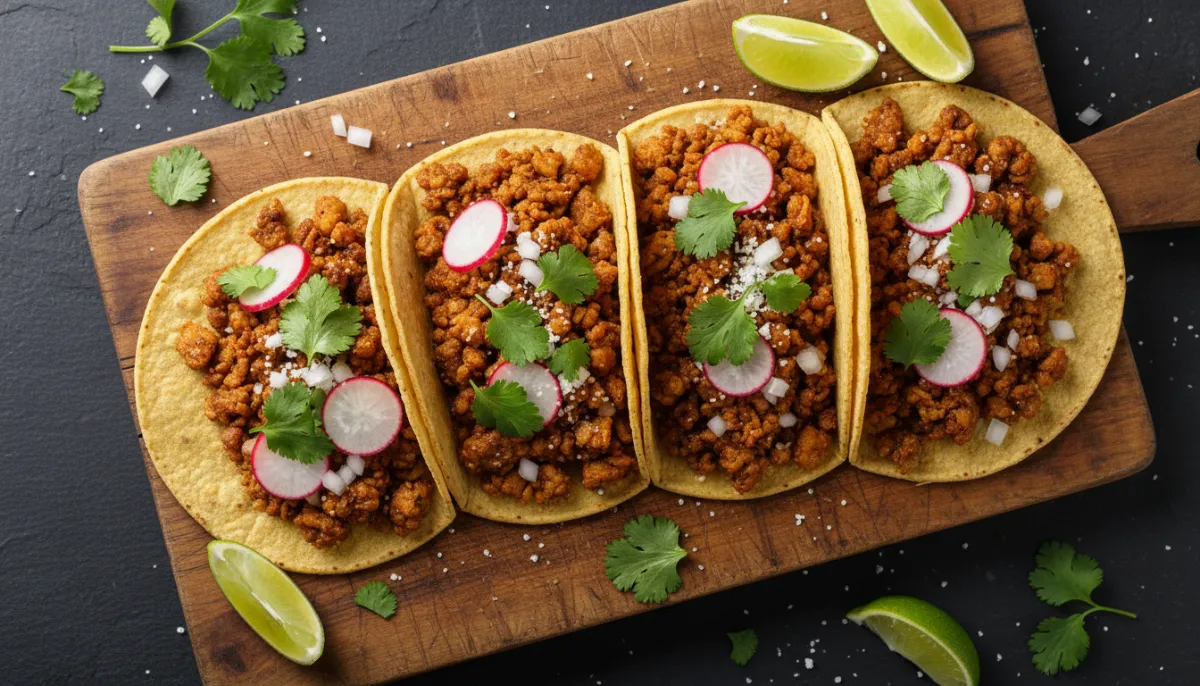
2. Hearty TVP Bolognese
A rich, slow-cooked Italian sauce that benefits from the chewy texture of TVP granules. Perfect for pairing with tagliatelle or lasagna.
- Ingredients:
- – 1 cup dry TVP
- – 1 cup red wine (dry)
- – 28oz crushed tomatoes
- – 2 carrots, 2 celery stalks, 1 onion (mirepoix)
- – 2 tbsp tomato paste
- Instructions:
- 1. Soak TVP in red wine and a splash of water.
- 2. Sauté mirepoix until soft. Add tomato paste and cook for 2 mins.
- 3. Add TVP and tomatoes; simmer for 45 minutes on low heat.
3. Smoked Paprika & Black Bean TVP Chili
A protein-dense chili that uses TVP to provide the bulk and texture, while beans add fiber and creaminess.
- Ingredients:
- – 1.5 cups dry TVP
- – 2 cans black beans, rinsed
- – 1 bell pepper, chopped
- – 2 tbsp smoked paprika
- – 1 tbsp cocoa powder (for depth)
- Instructions:
- 1. Rehydrate TVP with vegetable broth.
- 2. Sauté peppers and onions. Add TVP and brown.
- 3. Stir in beans, spices, and tomato sauce. Simmer for 30 minutes.
Advanced Culinary Techniques for TVP
To truly master textured vegetable protein recipes, one must think beyond the standard rehydration. Here are several techniques used by professional plant-based chefs to elevate the ingredient:
The Hybrid Method
While TVP provides excellent texture, it can lack the complexity of whole foods. Try the hybrid method: combine rehydrated TVP with finely minced mushrooms (like Cremini or Shiitake) or cooked lentils. The mushrooms provide moisture and umami, while the TVP provides the ‘chew,’ creating a final product that is superior to either ingredient alone.
Oven Roasting for ‘Jerky’ Textures
After rehydrating and seasoning your TVP, spread it out on a baking sheet and roast at 375°F (190°C) for 15-20 minutes. This dries out the exterior and creates a tough, meat-like crust. This technique is particularly effective for making ‘bits’ to top salads or for creating a vegan version of bacon bits.
Freezing for Texture Alteration
If you are using larger TVP chunks (often called soy curls or soy chunks), try rehydrating them, squeezing them dry, and then freezing them. Freezing causes the water molecules to expand and further break down the protein fibers, resulting in a softer, more tender texture once thawed and cooked.

Frequently Asked Questions
Is TVP gluten-free?
Yes, pure TVP is made entirely from soybeans and is naturally gluten-free. However, always check the label of pre-flavored TVP or ensure it wasn’t processed in a facility that handles wheat if you have a severe allergy.
What is the shelf life of dry TVP?
Stored in a cool, dry place in an airtight container, dry TVP can last for 12 to 24 months. Once rehydrated, it should be treated like cooked meat and stored in the refrigerator for no more than 3-4 days.
Can I eat TVP dry?
While it is technically edible, it is very hard and not particularly pleasant. It is highly recommended to at least partially rehydrate it before consumption to avoid digestive discomfort.
How do I remove the ‘soy’ aftertaste?
If you find the natural soy flavor too strong, try adding a tablespoon of vinegar or lemon juice to the rehydration liquid. The acidity helps neutralize the ‘beany’ notes.