
A high protein NZ breakfast prioritizes macronutrient density to fuel active Kiwi lifestyles, moving beyond traditional carb-heavy options like toast or sugary cereals. Integrating soy products—such as firm tofu, fortified soy milk, and high-protein soy flour—offers a complete amino acid profile, ensuring sustained energy, improved satiety, and optimal muscle recovery for the day ahead.
Breaking the Cereal Cycle: Why Protein Matters
For decades, the quintessential New Zealand breakfast has revolved around the humble grain. Whether it is a brick of wheat biscuits or a slice of white toast with marmite, the traditional Kiwi morning meal is often heavily skewed toward carbohydrates. While carbohydrates provide a quick burst of energy, they often lack the staying power required for the modern, fast-paced lifestyle, leading to the dreaded mid-morning energy slump.
To optimize health and performance, shifting focus toward a high protein NZ breakfast is essential. Protein is the building block of life, crucial for repairing tissues, making enzymes, and bolstering the immune system. For those following a plant-based or flexitarian lifestyle, the challenge often lies in identifying sources that are not only rich in protein but also bioavailable. This is where the soy bean asserts its dominance as a superior legume.
Unlike many plant proteins, soy is a “complete” protein. This means it contains all nine essential amino acids that the human body cannot synthesize on its own. For New Zealanders looking to maintain muscle mass or manage weight, starting the day with soy provides a metabolic advantage. It increases satiety hormones, effectively curbing hunger pangs until lunch.
The Glycemic Advantage
Transitioning from processed cereals to soy-based breakfasts also stabilizes blood sugar levels. High-sugar cereals cause rapid insulin spikes followed by crashes. In contrast, the complex structure of soy protein and fiber ensures a slow, steady release of energy. This is particularly vital for professionals and athletes who require consistent mental and physical focus throughout the morning.
Tofu Scrambles: The Ultimate Protein Base
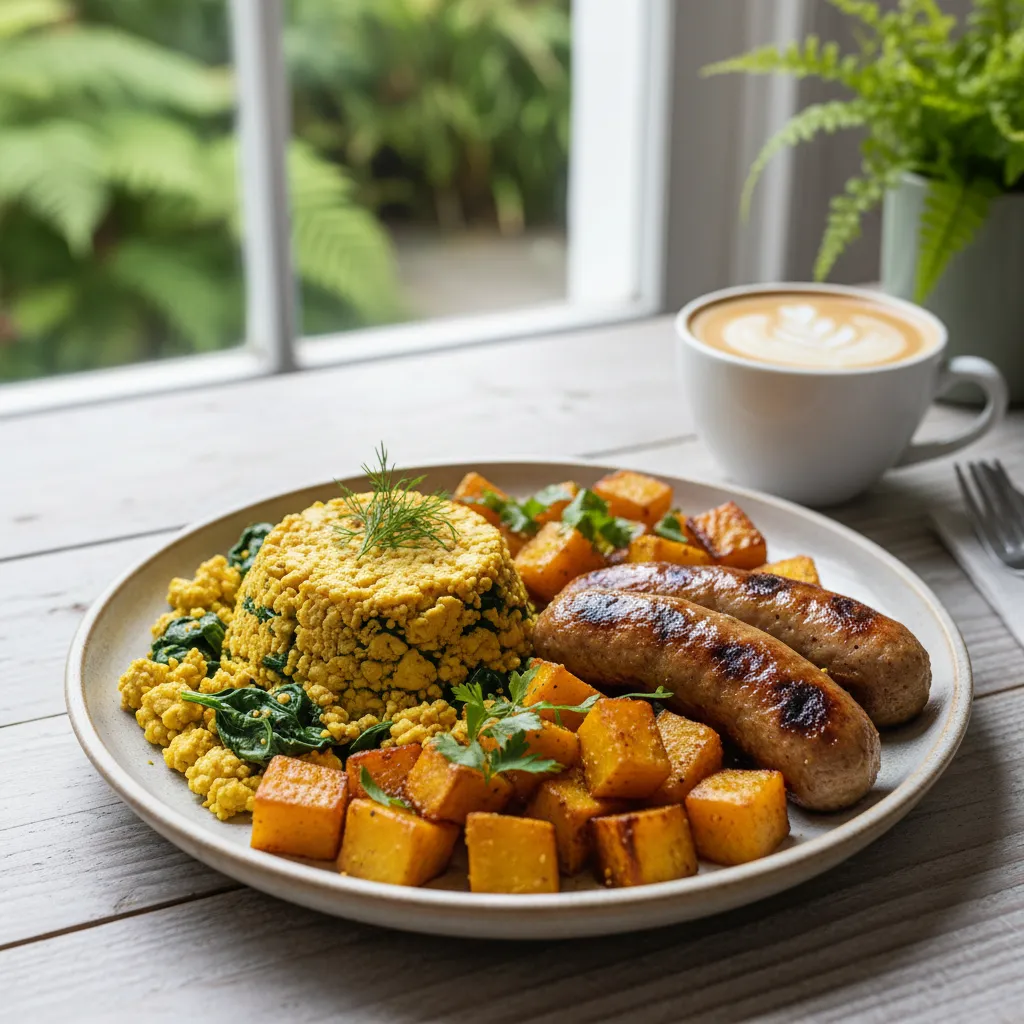
When seeking a savory, high-protein NZ breakfast that rivals the traditional bacon and eggs, the tofu scramble stands unrivaled. It is arguably the most versatile dish in the soy culinary arsenal, capable of absorbing flavors while providing a substantial texture that mimics scrambled eggs.
The key to a successful scramble lies in product selection. In New Zealand supermarkets, you will encounter various grades of tofu, ranging from silken to extra firm. For a scramble, firm or extra-firm tofu is the mandatory choice. These varieties have a lower water content and a dense structure that crumbles perfectly without turning into a mushy paste.
Preparation Techniques for Maximum Flavor
To elevate a tofu scramble from bland to gourmet, proper preparation is non-negotiable. First, the tofu must be pressed. Even firm tofu contains excess water; wrapping the block in a clean tea towel and placing a heavy object (like a cast-iron skillet) on top for 15 minutes will expel moisture. This creates a “thirsty” texture ready to absorb spices.
The flavor profile of a classic scramble relies on three core ingredients:
- Nutritional Yeast: This provides a savory, cheesy, umami depth and is often fortified with B12.
- Turmeric: A pinch offers the signature yellow hue associated with breakfast eggs and adds anti-inflammatory properties.
- Kala Namak (Black Salt): Available in specialty stores, this salt has a high sulfur content, instantly imparting an “eggy” aroma and taste.
Sautéing the crumbled tofu with onions, garlic, spinach, and mushrooms creates a nutrient-dense meal. A standard serving of firm tofu can provide upwards of 20 grams of protein, making it a powerhouse option for post-workout recovery.
Soy Milk Smoothie Boosters
For those who prefer a liquid breakfast or are rushing out the door, smoothies are a staple solution. However, many fruit-based smoothies are merely sugar bombs disguised as health food. To transform a smoothie into a legitimate high protein NZ breakfast, the liquid base is critical.
While almond, oat, and rice milks have gained popularity, they often fall short nutritionally compared to soy milk. Most almond milks contain less than 1 gram of protein per cup. Conversely, a high-quality, fortified soy milk can deliver between 7 to 9 grams of protein per serving, comparable to dairy milk.
Selecting the Right Soy Milk
When shopping in the long-life or chilled aisles of NZ supermarkets, scrutiny of the nutrition label is advised. Look for “whole bean” soy milk with minimal added sugars. Brands that fortify their products with Calcium and Vitamin D are preferable to ensure a micronutrient profile that supports bone health.
The “Green Kiwi” Protein Blend Recipe
To maximize intake, combine soy milk with other protein-rich additives. A recommended blend for the active Kiwi includes:
- 250ml Unsweetened Fortified Soy Milk
- 1 scoop of Soy Protein Isolate (Vanilla or Unflavored)
- 1 tablespoon of Chia Seeds (Omega-3 fatty acids)
- Handful of Spinach or Kale
- 1/2 Frozen Banana (for texture)
This combination can easily yield 30 grams of protein, placing it in the elite tier of breakfast options. It supports muscle synthesis and provides hydration, making it an excellent choice for summer mornings.
For further reading on daily protein requirements and guidelines, refer to the New Zealand Ministry of Health resources on nutrition and physical activity.
Soy-Flour Pancakes for Sunday Brunch
Sunday brunch is a ritual in New Zealand culture, but it often derails healthy eating plans with refined white flour and syrups. By substituting wheat flour with soy flour, you can retain the joy of pancakes while significantly boosting the nutritional value.
Soy flour is derived from ground roasted soybeans. It is naturally gluten-free and incredibly dense in protein. Because it lacks gluten, it behaves differently in baking; it does not provide the same elasticity as wheat. Therefore, it is often best used in a blend (e.g., 50% soy flour, 50% oat flour) or with a binding agent like ground flaxseed or eggs (if not strictly vegan).
Cooking with Soy Flour
Soy flour browns faster than wheat flour due to its higher protein and natural sugar content. When cooking pancakes, it is imperative to lower the heat on the skillet to prevent burning the exterior before the interior is cooked through. The result is a nutty, rich pancake that is far more filling than its conventional counterpart.
Top these pancakes with New Zealand Manuka honey and hemp hearts for an additional protein kick and immune system support. This approach turns a typically “cheat meal” into a functional fuel source.
Sourcing Quality Soy in New Zealand
Executing a high protein NZ breakfast strategy requires a well-stocked pantry. Fortunately, accessibility to high-quality soy products in New Zealand has never been better. Major supermarket chains such as Countdown, New World, and Pak’nSave carry extensive ranges of tofu and soy milk.
For more specialized items like soy flour or specific soy protein isolates, health food stores like Huckleberry or Bin Inn are excellent resources. These retailers often stock bulk organic options, allowing you to purchase the exact quantity needed while reducing packaging waste.
When selecting products, prioritize non-GMO sources. New Zealand has strict regulations regarding food labeling, so checking the packaging for “made from non-GM soy” ensures you are consuming the most natural product available. Investing in quality ingredients is the first step toward mastering the art of the high-protein breakfast.
Frequently Asked Questions
Is soy milk good for a high protein breakfast?
Yes, soy milk is one of the best plant-based liquids for a high protein breakfast. Unlike almond or oat milk, soy milk naturally contains 7-9 grams of protein per cup, which is comparable to dairy milk, making it an excellent base for smoothies or oatmeal.
How much protein is in a typical tofu scramble?
A standard serving of tofu scramble using 150g of firm tofu can provide approximately 15 to 20 grams of protein. Adding nutritional yeast and vegetables like spinach or peas can further increase the total protein content to over 25 grams per meal.
What is a typical healthy NZ breakfast for weight loss?
A healthy NZ breakfast for weight loss typically focuses on high protein and fiber to control appetite. Popular options include a tofu scramble with vegetables, soy-based smoothies with berries, or porridge made with soy milk and chia seeds, all of which prevent mid-morning snacking.
Can I use soy flour for baking pancakes?
Yes, soy flour is an excellent high-protein, gluten-free alternative for pancakes. However, because it lacks gluten, it is best mixed with other flours (like oat or almond flour) or binding agents to ensure the pancakes hold their shape and have a fluffy texture.
Is soy protein considered a complete protein?
Yes, soy is one of the few plant sources that is a complete protein. It contains all nine essential amino acids in sufficient quantities required by the body for growth and repair, making it nutritionally superior to many other plant proteins.
What are quick high protein vegan breakfasts available in NZ?
Quick options available in NZ include soy protein shakes, yogurt alternatives made from soy with added hemp seeds, tofu scrambled on whole-grain toast, or overnight oats soaked in fortified soy milk. These require minimal preparation time while delivering maximum nutrition.