
Plant based entertaining NZ refers to the sophisticated curation of social dining experiences using exclusively non-animal ingredients, with a strong emphasis on versatile soy proteins like tofu and tempeh. This culinary movement caters to New Zealand’s growing flexitarian population by transforming traditional grazing platters into sustainable, protein-rich gastronomic displays that do not compromise on flavor or texture.
The New Charcuterie: Soy-Based Delights
The landscape of social entertaining in New Zealand has undergone a significant paradigm shift. Gone are the days when a vegetarian option was merely an afterthought consisting of hummus and carrot sticks. Today, plant based entertaining NZ is driving a culinary renaissance, positioning soy not just as a substitute, but as a premium ingredient capable of anchoring a modern grazing platter.
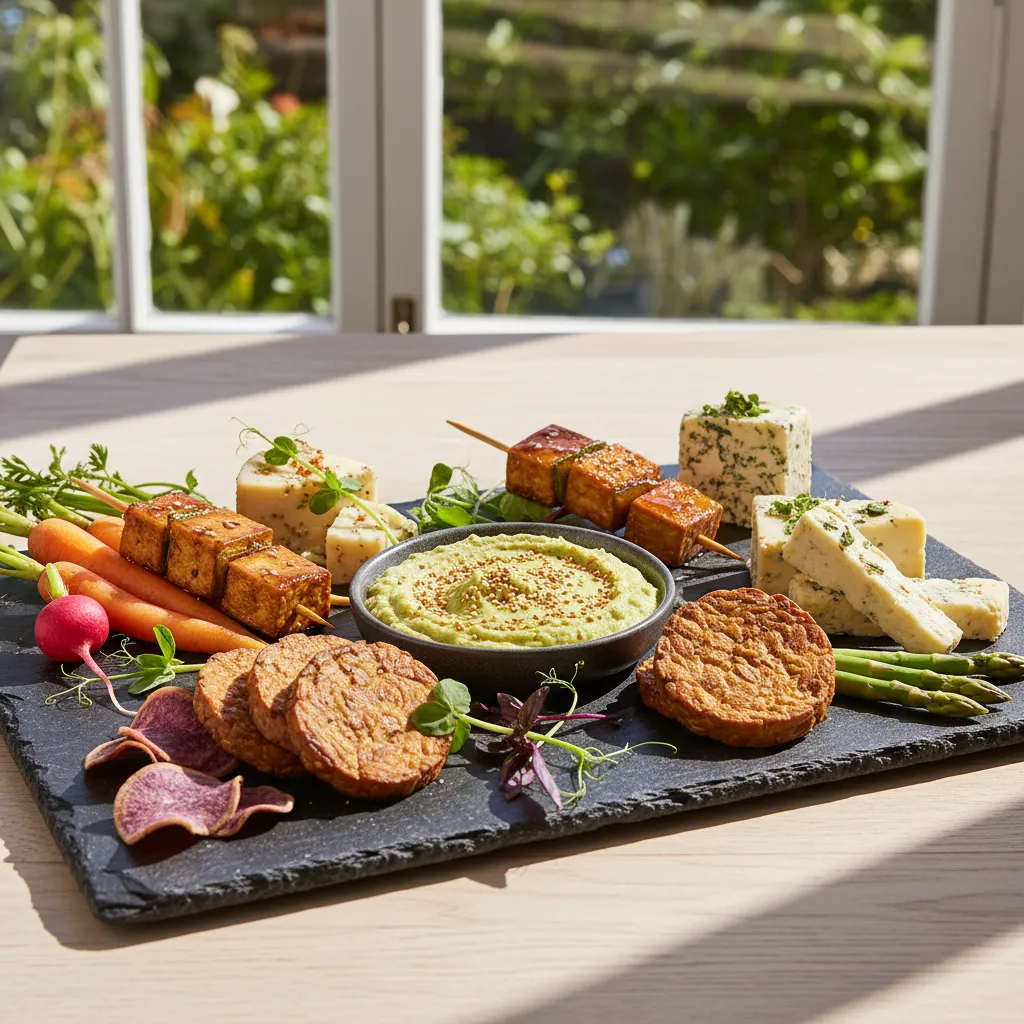
The concept of “soy-cuterie” involves utilizing the diverse structural properties of soybeans to replicate and surpass the savory satisfaction traditionally associated with cured meats. By manipulating the texture of tofu, yuba (tofu skin), and tempeh, hosts can create a tapestry of flavors that range from creamy and mild to dense and smoky.
Deconstructing Texture Profiles
To build a successful soy-based platter, one must understand texture. Firm tofu, when pressed and marinated, offers a bite similar to semi-soft cheeses or processed deli slices. Conversely, tempeh provides a granular, nutty mouthfeel akin to coarse paté or terrine. The key to elevating these ingredients lies in the preparation. Pressing the moisture out of extra-firm tofu allows it to act as a sponge for complex marinades involving liquid smoke, tamari, and maple syrup, effectively creating a plant-based “ham” or “pastrami” that holds its own on a cracker.
The Art of Curing Soy
Curing is not exclusive to meat. By applying salt rubs, spice blends, and dehydration techniques to soy blocks, culinary enthusiasts can concentrate flavors intensely. A popular method involves a 24-hour marinade of beetroot juice, fennel seeds, and sea salt, which transforms simple tofu into a visually stunning, ruby-red slice that mimics the aesthetic of cured meats while offering a distinct, clean protein profile. This attention to detail is what separates standard vegan snacks from high-end plant-based entertaining.
Smoked Tofu and Miso Dip Pairings
No grazing platter is complete without the interplay of dips and spreads. In the realm of soy gastronomy, the marriage of smoked tofu and miso creates an umami bomb that rivals any dairy-based dip. This combination leverages the fermentation of the miso with the density of the tofu to create a rich, creamy emulsion perfect for dipping artisan breads or raw vegetables.
Creating the Ultimate Umami Profile
For the discerning Kiwi palate, which often appreciates savory depth, a blend of white Shiro miso and hickory-smoked tofu is ideal. The preparation involves blending silken tofu for volume and smoothness, then incorporating crumbled smoked firm tofu for texture. The addition of nutritional yeast and a splash of lemon juice balances the salinity of the miso. This dip serves as the centerpiece of the platter, offering a high-protein alternative to traditional onion dips or cream cheese spreads.
Accompaniments and Vehicles
The vehicle for these dips is just as important as the dip itself. Seeded crackers, kumara chips, and sourdough crostini provide the necessary crunch. For a fresh contrast, incorporate seasonal New Zealand produce such as crisp radishes, snap peas, or blanched asparagus. The goal is to create a sensory experience where the creaminess of the soy dip contrasts with the snap of fresh vegetables, keeping the palate engaged throughout the event.
Crispy Tempeh Skewers: A Textural Triumph
While grazing platters often focus on cold cuts, introducing a warm element adds a layer of sophistication and hospitality. Crispy tempeh skewers are an exemplary choice for plant based entertaining NZ, bridging the gap between hors d’oeuvres and substantial finger food.
Marination Science
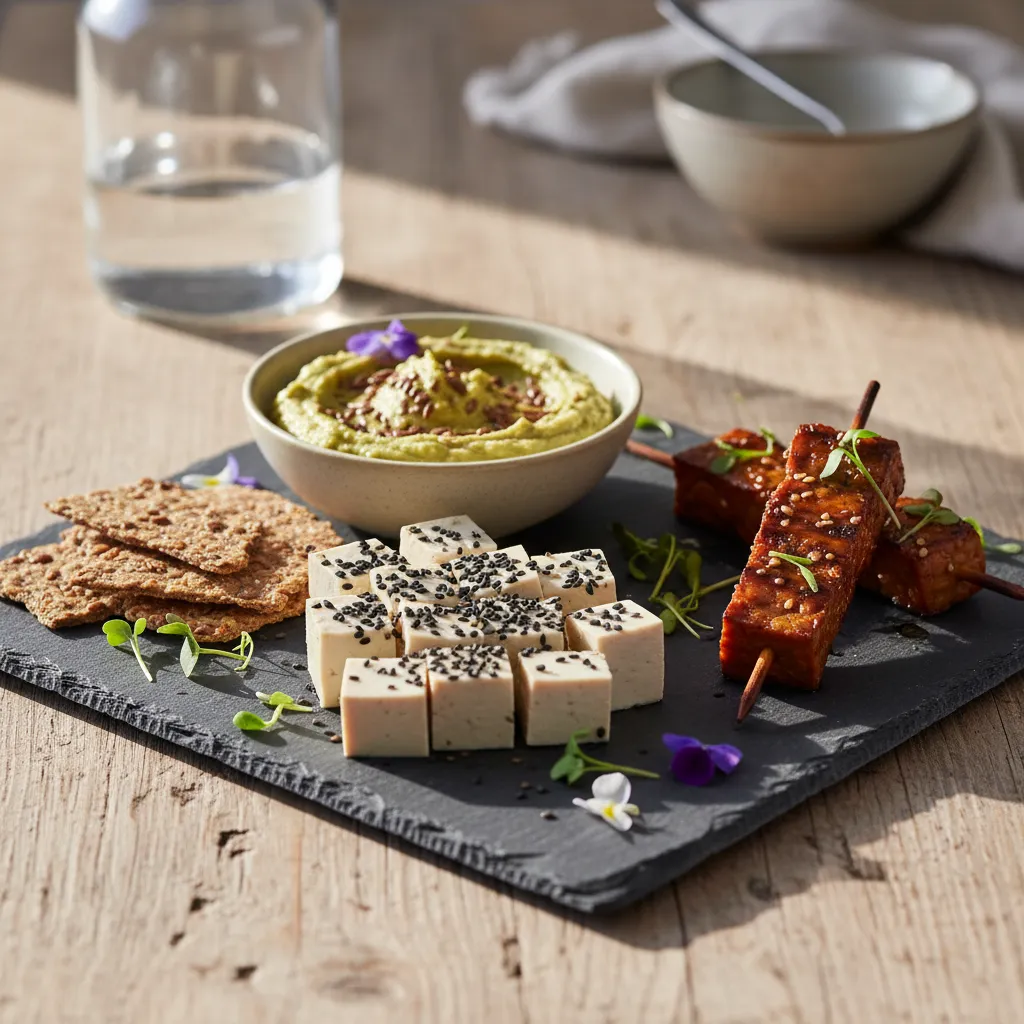
Tempeh, a fermented soy product originating from Indonesia, has a naturally earthy flavor that can be polarizing if not treated correctly. The secret lies in a dual-cooking process: steaming followed by searing. Steaming the tempeh opens its pores and removes any residual bitterness. Following this, a marinade rich in ginger, garlic, soy sauce, and a hint of chili creates a glaze that caramelizes upon grilling or pan-frying. This technique ensures the interior remains moist while the exterior achieves a satisfying crunch.
Serving Suggestions for Crowds
When entertaining, practicality is paramount. Serving tempeh on bamboo skewers makes them easy to handle while mingling. To elevate the presentation, serve these skewers atop a bed of dressed slaw or with a side of peanut dipping sauce. The inclusion of a dipping sauce adds an interactive element to the dining experience, encouraging guests to customize their flavor intensity.
Aesthetic Plating for the Modern Kiwi Host
The visual appeal of a platter is the first flavor the guest experiences. In New Zealand, the trend has moved towards “abundance styling,” where the board looks overflowing and generous. However, this abundance must be curated to avoid chaos.
The Rule of Color and Contrast
Soy products often present in neutral tones—beiges, browns, and off-whites. To make the platter pop, one must rely on the vibrant colors of accompaniments. Utilize the deep purples of pickled onions, the bright greens of Kawakawa leaves or fresh herbs, and the reds of vine tomatoes or tamarillo chutney. Arranging these colors adjacent to the neutral soy blocks creates visual contrast that draws the eye and stimulates the appetite.
Sustainable Serving Ware
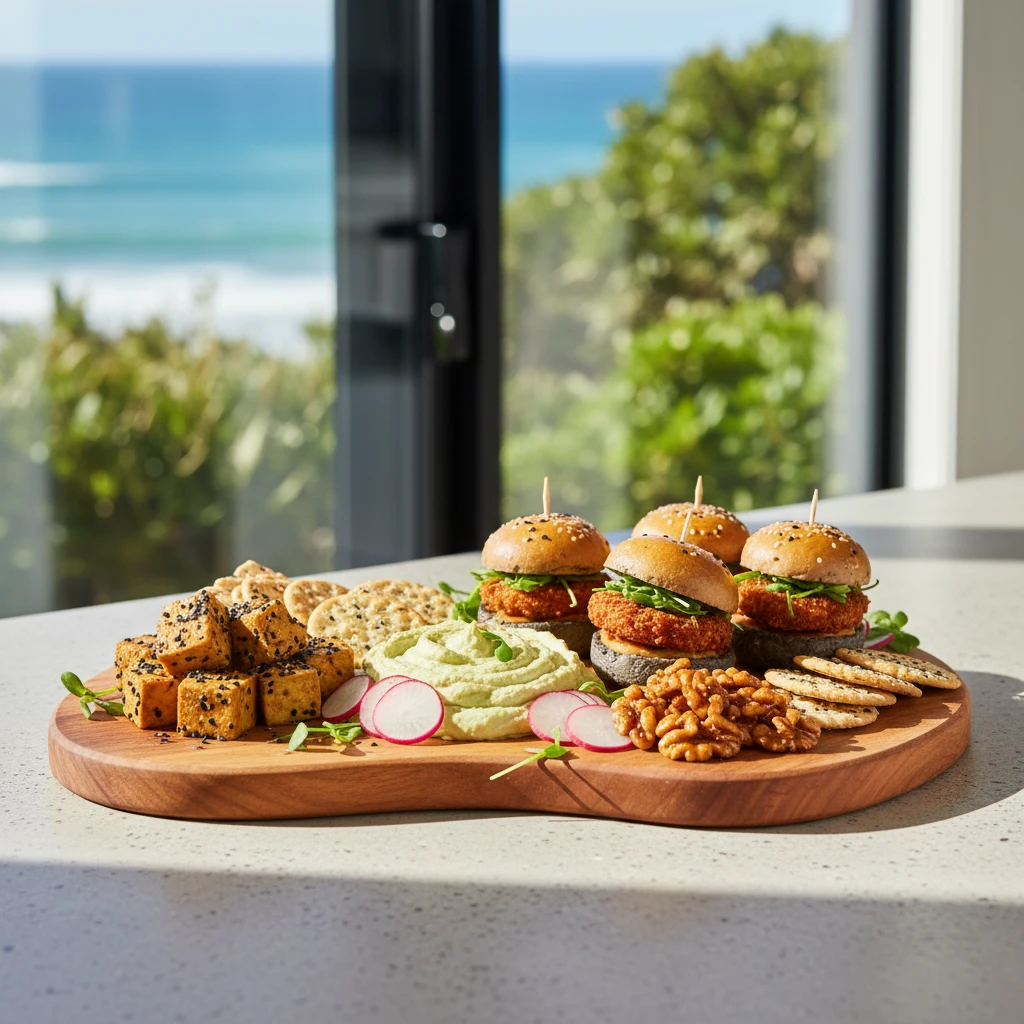
Aligning with the ethos of plant-based living, the choice of serving ware should reflect sustainability. Native Rimu or Kauri timber boards add a touch of local heritage and warmth to the presentation. Ceramic bowls for dips, rather than plastic, enhance the tactile experience. This holistic approach to entertaining ensures that the values of the host are communicated not just through the food, but through the entire presentation.
Pairing NZ Wines with Soy Gastronomy
New Zealand’s world-class wine industry offers incredible opportunities for pairing with soy-based dishes. Understanding the flavor profile of the soy preparation is crucial for selecting the right vintage.
Sauvignon Blanc and Silken Tofu
For lighter, citrus-infused soy dishes—such as a silken tofu caprese or a lemon-herb tofu spread—a classic Marlborough Sauvignon Blanc is the perfect companion. The high acidity and herbaceous notes of the wine cut through the creaminess of the tofu, cleansing the palate and highlighting the fresh herbs used in the dish.
Pinot Noir and Smoked Tempeh
When serving robust, savory items like smoked tempeh skewers or soy-cured “meats,” a Central Otago Pinot Noir is recommended. The earthy, fruit-forward notes of the Pinot Noir complement the nutty, fermented flavors of the tempeh without overpowering them. This pairing mimics the traditional wine and charcuterie experience, satisfying even the most devoted traditionalists.
Sourcing Quality Soy in Aotearoa
The quality of your platter is directly dependent on the quality of your ingredients. Fortunately, New Zealand is home to several artisanal soy producers who prioritize non-GMO, organic beans. When shopping for your event, look for locally made tofu and tempeh rather than mass-produced imported varieties. Local producers often offer fresher products with superior texture and flavor profiles.
Furthermore, supporting local businesses aligns with the sustainable philosophy of plant-based entertaining. Many health food stores and farmers’ markets across NZ stock artisanal soy products that are perfect for special occasions. For more information on the benefits of soy in a balanced diet, reputable sources such as The Heart Foundation often provide guidelines on integrating plant proteins into a heart-healthy lifestyle.
Frequently Asked Questions
1. Can I prepare a soy-based grazing platter in advance?
Yes, most components can be prepped ahead of time. Marinated tofu and tempeh actually benefit from sitting in flavors overnight. However, assembly should be done closer to the event to ensure crackers stay crisp and vegetables remain fresh.
2. Is soy suitable for guests with gluten intolerance?
Pure tofu and tempeh are naturally gluten-free. However, many marinades use soy sauce, which contains wheat. To ensure your platter is coeliac-friendly, use Tamari instead of standard soy sauce and check the labels of any pre-marinated products.
3. How much food should I cater per person for a plant-based platter?
A good rule of thumb for a grazing appetizer is approximately 150-200g of food per person. This should be a mix of proteins (tofu/tempeh), crackers, produce, and dips. Since soy is protein-dense, it is quite satiating.
4. What are the best herbs to pair with soy products?
Coriander, chives, and basil work wonderfully with fresh tofu. For smoked or fried tempeh, heartier herbs like rosemary, thyme, or even native NZ horopito can add a unique spicy kick.
5. Can I freeze leftovers from the platter?
Plain tofu and tempeh can be frozen, but the texture may change, becoming more porous. It is generally better to repurpose leftovers into a stir-fry or salad the next day rather than freezing them after they have been plated.
6. How do I make tofu taste like cheese for a platter?
Fermented tofu (chao) is an option, but for a DIY approach, blending firm tofu with lactic acid, nutritional yeast, miso, and coconut oil, then setting it in the fridge, can replicate the texture and tang of feta or soft goat cheese.