
Miso Glazed Everything: A Fusion Guide for the Kiwi Kitchen
Miso glaze is a savory-sweet culinary coating composed primarily of fermented soybean paste (miso), a sweetener (such as sugar or honey), and a liquid thinning agent like mirin or sake. This versatile mixture leverages the Maillard reaction to create a caramelized, umami-rich crust on proteins and vegetables, transforming simple ingredients into complex, high-depth flavor experiences.
Miso Varieties Available in NZ: Choosing Your Base
In the evolving landscape of New Zealand’s culinary scene, miso has graduated from a niche health food store item to a staple on supermarket shelves from Auckland to Dunedin. However, for the uninitiated, the array of tubs available at local Asian grocers or mainstream retailers like Countdown and New World can be daunting. Understanding the fermentation profile is crucial for executing the perfect miso glazed recipes.
Miso is categorized principally by color, which is a direct indicator of the fermentation duration and the ratio of soybeans to grains (usually rice or barley). For a glaze, the choice of miso dictates the final salt content and depth of flavor.
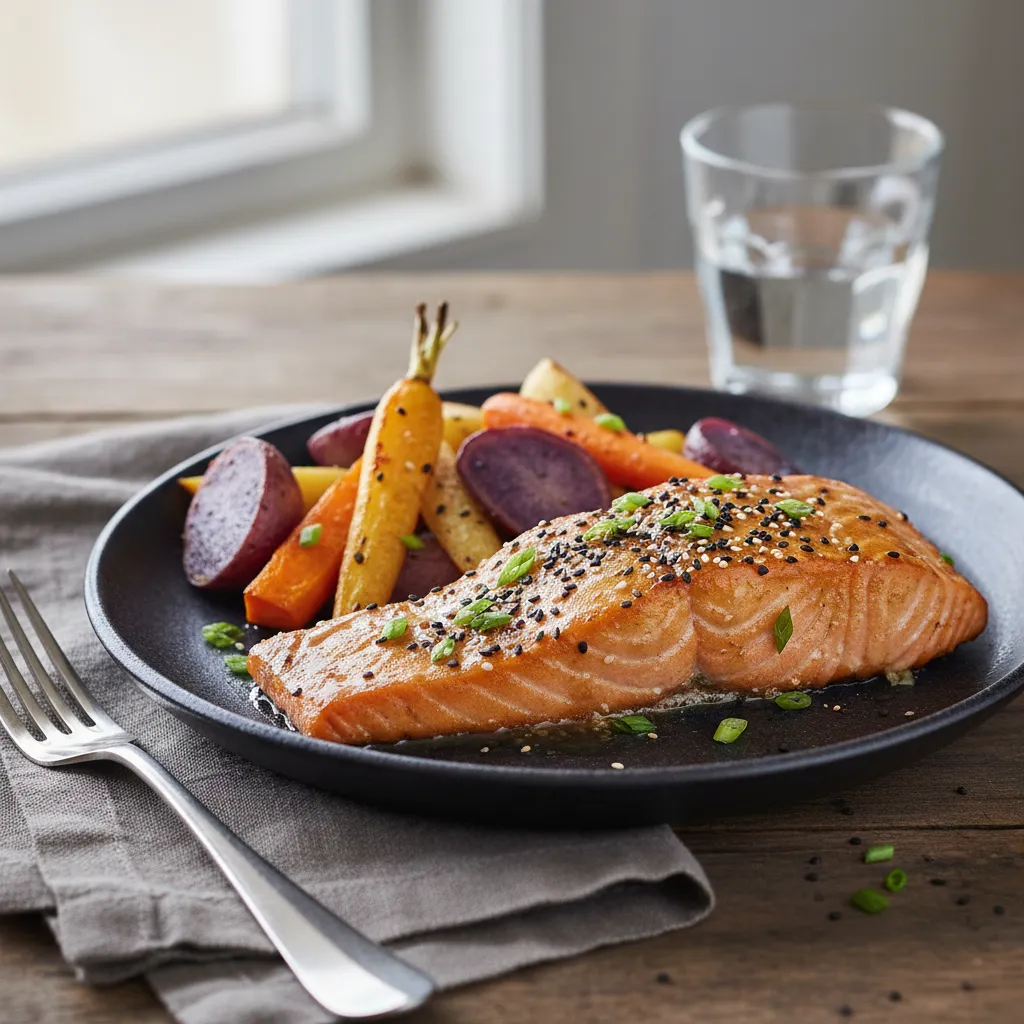
Shiro Miso (White Miso)
Shiro miso is the most widely available variety in New Zealand. It is fermented for a shorter period and contains a higher percentage of rice koji. The result is a paste that is light beige in color, creamy in texture, and significantly sweeter and less salty than its darker counterparts. For miso glazed recipes, Shiro miso is often the preferred choice because its delicate flavor does not overpower the main ingredient, making it ideal for lighter proteins like snapper or delicate vegetables.
Aka Miso (Red Miso)
Fermented for a longer period (sometimes up to three years), Aka miso develops a deep reddish-brown hue. The flavor profile is intensely salty, pungent, and rich in umami. While traditionally used for hearty soups and braises, using Aka miso in a glaze requires a careful hand. It pairs exceptionally well with robust red meats or dense root vegetables like beetroot, where a stronger flavor is needed to cut through the earthiness. If you are using Aka miso for a glaze, you may need to increase the sweetener ratio to balance the salinity.
Awase Miso (Mixed Miso)
Awase miso is a blend of red and white varieties, offering a versatile middle ground. It provides the sweetness of Shiro with the depth of Aka. For the indecisive home cook, this is an excellent all-purpose paste to keep in the fridge. In the context of glazing, it offers a beautiful amber color and a balanced flavor profile that works across the board.
The Perfect Miso Glaze Formula
Creating a restaurant-quality glaze is not about guessing; it is about ratios. The goal is to create an emulsion that is thick enough to cling to the food but fluid enough to caramelize without burning instantly. Through extensive testing in our test kitchens, we have identified the golden ratio for the ultimate fusion glaze.
The 3:2:1:1 Ratio
For a foolproof master sauce, memorize this ratio:
- 3 Parts Miso Paste: (Preferably White or Awase)
- 2 Parts Mirin: (Sweet rice wine adds sheen and subtle sweetness)
- 1 Part Sake (or dry white wine): (To thin the mixture and add floral notes)
- 1 Part Sugar (or Honey/Maple Syrup): (Essential for caramelization)
To prepare the glaze, combine these ingredients in a small saucepan over low heat. Whisk gently until the sugar has completely dissolved and the mixture is smooth. Do not let it boil vigorously, as high heat can destroy the beneficial enzymes and alter the delicate flavor compounds of the miso. Once the mixture has the consistency of warm honey, it is ready to use.
Chef’s Note: For an extra dimension of flavor, consider adding a micro-plane of fresh ginger or a drop of sesame oil. These aromatics bridge the gap between the savory miso and the natural flavors of your produce.
The Science of Umami and Caramelization
Why do miso glazed recipes taste so profoundly satisfying? The answer lies in the chemistry of cooking. Miso is a powerhouse of free glutamates, the compounds responsible for the savory taste sensation known as umami. When you combine these glutamates with sugar and apply heat, you trigger the Maillard reaction.
The Maillard reaction is a chemical reaction between amino acids and reducing sugars that gives browned food its distinctive flavor. Because miso is high in amino acids (from the soy protein) and the glaze is high in sugar, the surface of your food undergoes rapid browning. This creates a complex crust that seals in moisture while delivering a sensory punch of savory, sweet, and nutty notes. Understanding this helps you control the heat; miso glazes burn easily due to the sugar content, so indirect heat or the middle rack of the oven is usually safer than a direct flame.
For more on the health benefits of fermented foods like miso, you can refer to reputable sources like Healthline’s nutritional breakdown.
Beyond Cod: Miso Glazed Roast Veggies and Tofu
While the famous “Miso Black Cod” popularized by Nobu Matsuhisa is iconic, the application of this glaze extends far beyond seafood. In New Zealand, where we have access to incredible produce, miso glaze can elevate humble vegetables to centerpiece status. This is particularly relevant for the growing plant-based market in NZ.

The Kiwi Staple: Miso Glazed Kumara
New Zealand Kumara (sweet potato), particularly the orange and red varieties, has a natural sweetness that pairs aggressively well with the salty funk of miso.
Method: Cube your Kumara into 3cm chunks. Toss them in a neutral oil and roast at 200°C for 20 minutes until tender. Remove from the oven, brush generously with the master miso glaze, and return to the oven for a further 5-8 minutes. The glaze will bubble and char slightly on the edges. Finish with black sesame seeds.
Nasu Dengaku (Miso Eggplant)
This is a classic Japanese dish that translates perfectly to the Kiwi BBQ. Cut large eggplants in half lengthwise. Score the flesh in a diamond pattern (this allows the glaze to penetrate deep into the vegetable). Grill or roast until the flesh is soft and yielding. Spread a thick layer of the glaze over the cut side and broil until bubbling. The texture should be custard-like, contrasting with the sticky, savory topping.
Firm Tofu Steaks
For a vegetarian main course, firm tofu is the ideal canvas. The key here is texture management. You must press the tofu first to remove excess water; otherwise, the glaze will slide off.
Method: Wrap a block of firm tofu in a clean tea towel and place a heavy weight (like a cast-iron skillet) on top for 30 minutes. Slice into thick steaks. Pan-fry in oil until golden and crispy on both sides. Turn the heat down to low, pour in the glaze, and let it reduce until it coats the tofu in a thick, sticky sauce.
Miso Caramel: A Modern Dessert Twist
The concept of “salted caramel” has dominated dessert menus for a decade. Miso caramel is its sophisticated, older sibling. By replacing sea salt with miso paste, you introduce a fermented complexity that cuts through the cloying sweetness of sugar and cream. This fits perfectly into the “Culinary Lifestyle” niche, offering a modern twist for dinner parties.
To make Miso Caramel, prepare a standard wet caramel by melting sugar until amber. Carefully whisk in warm cream (beware of the steam). Once smooth, whisk in 1-2 tablespoons of White Miso. Whisk vigorously to ensure no lumps remain.
Applications:
- Ice Cream Topping: Drizzle warm miso caramel over vanilla bean or hokey pokey ice cream.
- Tart Filling: Use it as a layer in a chocolate tart. The saltiness of the miso highlights the cocoa notes.
- Fruit Dip: Serve with sliced crisp apples or Asian pears (Nashi).
Storage and Preservation of Miso
One of the great advantages of cooking with miso is its longevity. Because it is a fermented product with high salt content, it acts as its own preservative. An opened tub of miso can last in the refrigerator for up to a year without spoiling, though the flavor may slowly continue to develop and darken.
To ensure the best quality, always use a clean spoon when scoping from the tub to prevent bacterial contamination. Press a piece of parchment paper directly onto the surface of the remaining paste before closing the lid; this minimizes oxidation and prevents the top layer from drying out. If you have made a batch of the master glaze, it can be stored in an airtight jar in the fridge for up to two weeks.
For further reading on food safety and fermentation storage, Serious Eats offers an in-depth guide on handling fermented pastes.
Frequently Asked Questions
Is miso glaze gluten-free?
Not always. While pure miso made from rice and soybeans is usually gluten-free, some varieties utilize barley (Mugi miso), which contains gluten. Furthermore, soy sauce is often added to glazes, which contains wheat. To ensure a gluten-free glaze, use a certified gluten-free miso (rice-based) and use Tamari instead of soy sauce.
Can I use red miso instead of white for glazing?
Yes, but with caution. Red miso is much saltier and more pungent. If a recipe calls for white miso and you substitute red, you should reduce the amount of miso slightly and increase the sugar or mirin to balance the intense salinity.
Why is my miso glaze burning in the oven?
Miso glaze has a high sugar content due to the mirin and added sugar. Sugar burns at temperatures above 175°C (350°F). If your oven is too hot or the food is too close to the heating element, it will char rapidly. Cook the protein partially first, then add the glaze for the final few minutes of cooking, or lower your oven temperature.
What is a good substitute for Mirin in miso glaze?
If you cannot find Mirin, you can substitute it with a mixture of white wine or sake and sugar. For every tablespoon of Mirin, use one tablespoon of white wine mixed with half a teaspoon of sugar.
Does boiling miso kill the probiotics?
Yes. Miso is rich in probiotic bacteria beneficial for gut health. Boiling miso at high temperatures kills these bacteria. For maximum health benefits, miso should be added at the very end of cooking or used in raw applications. However, for glazing, the primary goal is flavor and caramelization, so the loss of probiotics is an acceptable trade-off.
Can I freeze miso glaze?
Yes, you can freeze the prepared glaze. It freezes well due to the sugar and alcohol content (from the mirin/sake) and often won’t freeze completely solid, making it easy to scoop out. It can be stored in the freezer for up to 3 months.