
The Art of Modern Tofu: A Masterclass for the New Zealand Palate
How to cook tofu NZ involves a precise process of moisture removal and thermal shock: select firm or extra-firm varieties, press for a minimum of 20 minutes to expel water, coat generously in cornflour for texture, and sear in high-smoke-point oil or air fry at 200°C until golden. This technique ensures a crisp exterior and a tender, porous interior capable of absorbing savoury marinades.
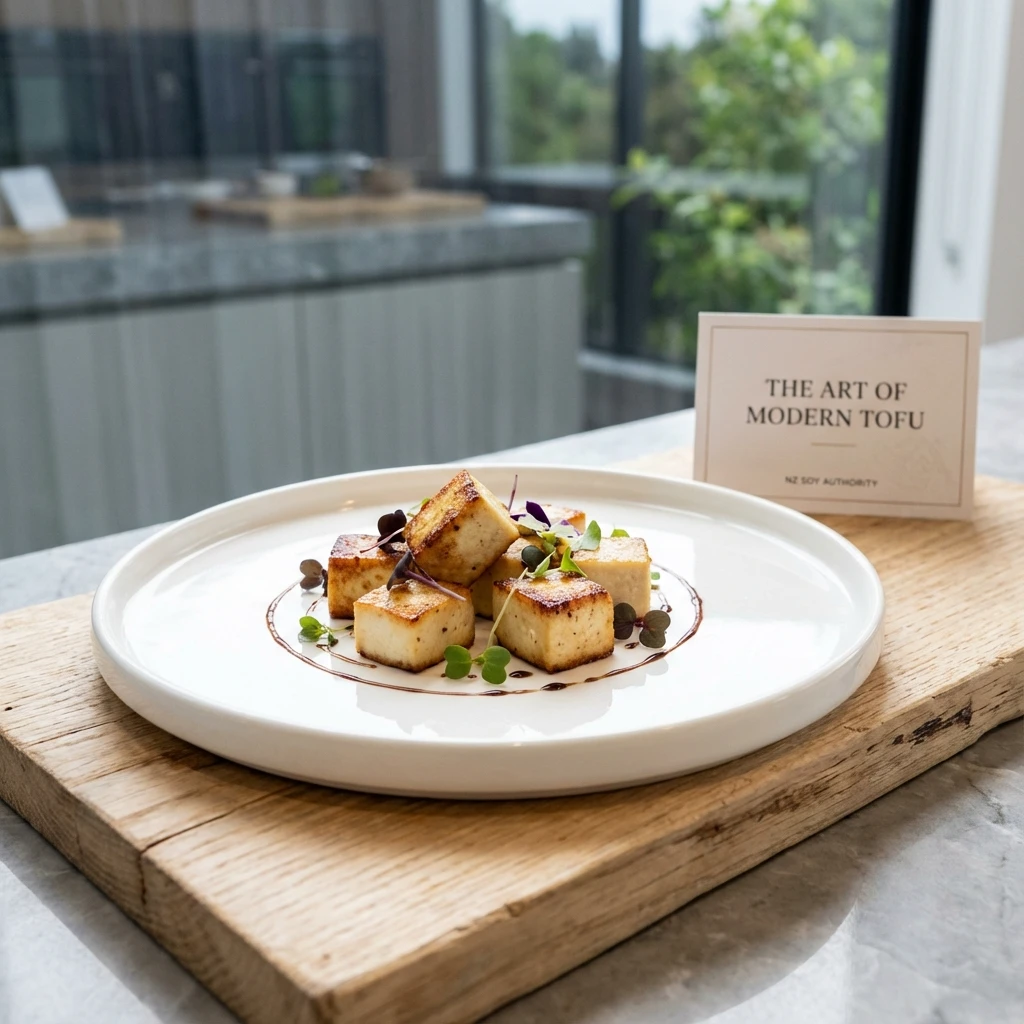
The Evolution of Tofu in NZ Cuisine
For decades, tofu in New Zealand was relegated to the fringes of culinary culture, often viewed merely as a bland necessity for vegetarians or a niche ingredient found only in Asian specialty grocers. However, the landscape of New Zealand cuisine has shifted dramatically. Today, mastering how to cook tofu NZ style is a skill sought after by home cooks and professional chefs alike, driven by a surge in plant-based eating and a deeper appreciation for Asian-fusion gastronomy.
In the early 2000s, the Kiwi perception of tofu was largely utilitarian. It was a white block of protein, often prepared incorrectly, resulting in a spongy, flavourless experience that deterred many carnivores. The evolution began with the rise of local artisan producers. Brands like Tonzu and Bean Supreme began offering high-quality, organic soy products made from non-GMO beans, catering specifically to the New Zealand market’s demand for clean, sustainable food sources.
This shift is not merely about availability; it is about integration. Tofu has moved from the side plate to the centre of the meal. We now see it utilized in classic Kiwi contexts—smoked tofu burgers at summer barbecues, silken tofu chocolate mousses using Whittaker’s chocolate, and crispy tofu replacing chicken in salads. Understanding the provenance of your soy is the first step in the art of modern tofu. In New Zealand, we are fortunate to have access to fresh tofu that hasn’t travelled across the globe, ensuring a cleaner taste and superior texture compared to shelf-stable varieties.
Essential Equipment: From Presses to Air Fryers
To transform a humble block of soy curd into a culinary masterpiece, one must look beyond the ingredients and consider the hardware. While tofu is forgiving, the difference between ‘edible’ and ‘exceptional’ often lies in the equipment used to prepare it.
The Tofu Press vs. The Kiwi DIY Method
The single most critical step in cooking firm or extra-firm tofu is pressing. Tofu is packed in water to preserve freshness, but water is the enemy of crispiness and flavour absorption. If the tofu is saturated with water, it cannot absorb marinade; it is simple physics. Furthermore, when you heat wet tofu, the water turns to steam, which prevents the exterior from browning (the Maillard reaction) and results in a soggy final product.
While many New Zealanders rely on the traditional method—wrapping the block in a tea towel and balancing a heavy cast-iron pan or cans of baked beans on top—a dedicated tofu press is a game-changer. A press applies even, constant pressure, extracting significantly more moisture in half the time without cracking the block. If you are serious about cooking tofu regularly, this is a worthwhile investment.
The Rise of the Air Fryer
The air fryer has revolutionized how we approach how to cook tofu NZ. In a humid maritime climate, achieving a lasting crunch can be difficult with traditional frying. The air fryer circulates superheated air, dehydrating the surface of the tofu rapidly to create a shell that rivals deep-frying, but with a fraction of the oil. For the New Zealand home cook, the air fryer offers a convenience that aligns with our lifestyle—quick, efficient, and healthy.
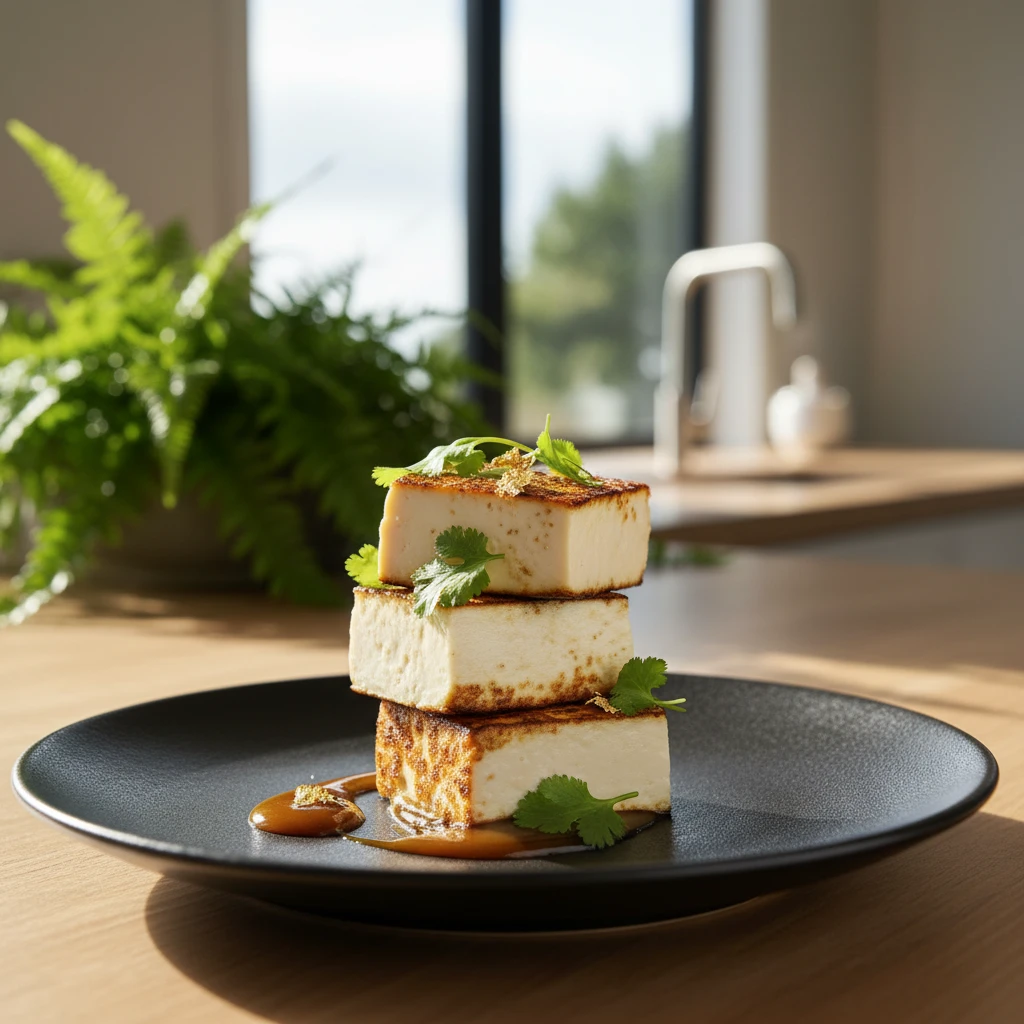
Texture Mastery: Crispy, Silken, and Smoked
Texture is the primary complaint regarding tofu, but it is also its greatest potential. Tofu is a shapeshifter; it can be as creamy as custard or as meaty as chicken, depending entirely on how it is manipulated.
The Crispy Standard: The Cornflour Technique
To achieve the “restaurant-style” crust that many crave, one ingredient is non-negotiable: cornflour (cornstarch). After pressing the tofu and cutting it into cubes, tossing it in seasoned cornflour creates a barrier. When this barrier hits hot oil, it gelatinizes and then dehydrates into a crunchy shell. Potato starch, often found in New Zealand pantries, is an excellent alternative that provides an even lighter, tempura-like crisp.
Pro Tip: Do not overcrowd the pan. If you put too much tofu in your skillet or air fryer at once, the temperature drops, and the moisture released gets trapped, steaming the tofu instead of searing it. Cook in batches for the best results.
Silken Preparations
Silken tofu is undrained and unpressed, containing the highest water content. It should never be fried. In the NZ culinary scene, silken tofu is increasingly used as a dairy replacement. It can be blended with lemon and garlic to create a vegan aioli, or whipped with maple syrup and cocoa for a guilt-free dessert. The key to silken tofu is handling it gently; it breaks apart with the slightest pressure.
Smoked Techniques
Smoking tofu is a fantastic way to bridge the gap for those transitioning from meat. Using native New Zealand wood chips, such as Manuka, imparts a deep, earthy aroma that pairs beautifully with the mild soy base. You can smoke tofu in a standard BBQ or use a stovetop smoker. Firm tofu is required here. The smoke penetrates the porous structure, creating a density and flavour profile reminiscent of smoked cheese or ham.
Flavour Absorption 101: Beyond Soy Sauce
The myth that tofu is bland is only true if you allow it to be. Tofu is a sponge, but as mentioned earlier, a wet sponge cannot absorb more liquid. Once pressed, the tofu is thirsty.
The Marinade Matrix
A common mistake is using oil-based marinades. Tofu is largely water-based (even after pressing), and oil and water do not mix. Therefore, an oil-heavy marinade will coat the tofu but never penetrate it. For the best how to cook tofu NZ results, use acid-based or saline-based marinades. Soy sauce, tamari, lemon juice, rice wine vinegar, and vegetable stocks are ideal carriers.
New Zealand Flavour Profiles
Move beyond the standard Asian flavour palette. Tofu pairs exceptionally well with local ingredients:
- Horopito and Kawakawa: These native herbs add a peppery, spicy kick that works well with fried tofu.
- Manuka Honey: A glaze made from soy, garlic, and Manuka honey creates a sticky, caramelized coating that is popular in Kiwi households.
- Feijoa Chutney: Serving crispy tofu with a side of tart feijoa chutney cuts through the richness of the frying oil.
For more on balanced nutrition and incorporating plant-based proteins, reputable sources like The Heart Foundation of New Zealand provide excellent guidelines on heart-healthy cooking methods.
The Definitive Step-by-Step Guide
Here is the fail-safe method for the perfect crispy tofu, adapted for the New Zealand kitchen.
Step 1: Selection and Pressing
Purchase a block of “Firm” or “Extra Firm” tofu. Open the package and drain the liquid. Place the block in your press or wrap it in a clean tea towel between two chopping boards with a heavy weight on top. Let it sit for 20 to 30 minutes. You should see a significant pool of water released.
Step 2: Cubing and Seasoning
Cut the tofu into 2cm cubes. In a bowl, mix 3 tablespoons of cornflour with a pinch of salt, white pepper, and garlic powder. Toss the tofu cubes in the mixture until fully coated. The tofu should look dry and dusty.
Step 3: Cooking
Pan Fry: Heat a neutral oil (like grapeseed or canola) in a non-stick pan over medium-high heat. Place cubes in the pan, ensuring they don’t touch. Fry for 3-4 minutes per side until golden brown.
Air Fry: Spray the coated cubes with a light mist of oil. Air fry at 200°C for 12-15 minutes, shaking the basket halfway through.
Step 4: Saucing
Do not pour sauce over the tofu while it is still cooking in the oil, or it will lose its crunch immediately. Remove the crispy tofu from the heat. Heat your sauce (e.g., Teriyaki or Peanut Satay) separately until bubbling, then toss the crispy tofu in the sauce immediately before serving.
Frequently Asked Questions
Do I really need to press tofu before cooking?
Yes, absolutely. If you skip pressing firm tofu, it retains water which turns to steam during cooking. This prevents the exterior from getting crispy and dilutes the flavour of any spices or marinades you use. For silken tofu, however, you do not need to press it.
What is the best oil for frying tofu in NZ?
You need an oil with a high smoke point. In New Zealand, Rice Bran Oil is an excellent, affordable choice available at all major supermarkets. Grapeseed oil and Avocado oil are also fantastic options. Avoid using Extra Virgin Olive Oil for high-heat searing as it burns too quickly.
Why does my tofu stick to the pan?
Tofu sticks for two reasons: the pan wasn’t hot enough, or the tofu was too wet. Ensure your pan is preheated properly before adding oil. Also, using a cornflour coating helps create a barrier that prevents sticking. A well-seasoned cast iron or a good quality non-stick pan is recommended.
Can I freeze tofu?
Yes, and many chefs recommend it! Freezing tofu changes its cellular structure. The water inside expands and forms ice crystals, which create larger holes in the tofu once thawed. This gives the tofu a “meaty,” chewy texture that is incredible for absorbing marinades. Simply freeze the block in its package, then thaw and press as usual.
Is tofu healthy for a daily diet?
Tofu is a complete protein, meaning it contains all nine essential amino acids. It is also a great source of iron and calcium and is low in saturated fat. It is a staple in many healthy diets across New Zealand.
How do I store leftover cooked tofu?
Cooked tofu can be stored in an airtight container in the refrigerator for up to 3-4 days. To reheat, it is best to put it back in the air fryer or oven for a few minutes to recrisp the exterior. Microwaving leftover tofu tends to make it rubbery.