
Nutritional Profile Breakdown
An in-depth scientific analysis of soybean nutritional value per 100g, focusing on macronutrients, micronutrients, and bioactive compounds.
1. Comprehensive Introduction to Soybeans
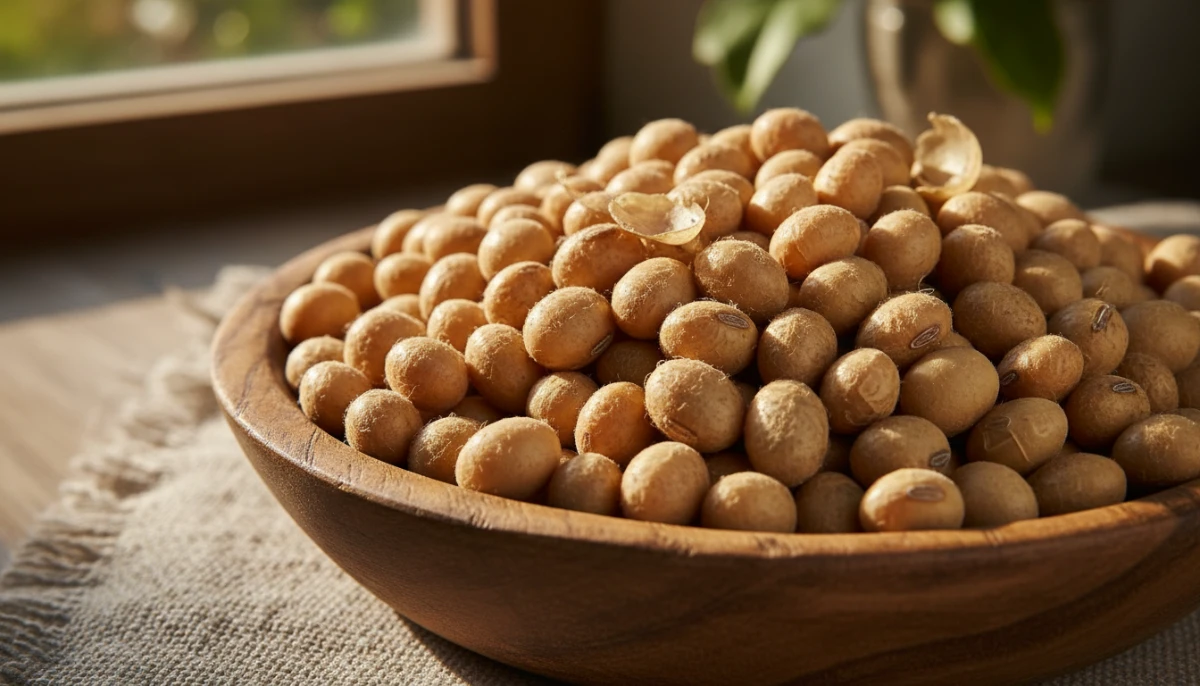
The soybean (Glycine max), a species of legume native to East Asia, has ascended to become one of the most significant crops globally, not merely for its Bulk Buying & Budget but for its unparalleled nutritional density. As a staple in human nutrition for over 5,000 years, the soybean provides a complex matrix of energy, structural proteins, and protective phytonutrients.
In modern dietetics, soybeans are classified as a ‘functional food’—a term reserved for foods that provide health benefits beyond basic nutrition. This distinction arises from the presence of unique compounds like genistein and daidzein. This article serves as an authoritative guide for nutritionists, athletes, and health-conscious consumers seeking to understand the granular details of what 100 grams of raw, mature soybeans actually contribute to human physiology.
2. Macronutrient Density Breakdown
At the core of the soybean nutritional value per 100g is a remarkably high concentration of protein and healthy fats, paired with a significant fiber content. Unlike many other legumes which are primarily carbohydrate-based, soybeans are lipid and protein-dominant. Below is a detailed quantification of the primary macronutrients found in 100g of raw, mature soybeans.
| Component | Value (per 100g) | Daily Value % |
|---|---|---|
| Calories | 446 kcal | 22% |
| Protein | 36.5 g | 73% |
| Total Fat | 19.9 g | 31% |
| Total Carbohydrates | 30.2 g | 10% |
| Dietary Fiber | 9.3 g | 37% |
Note: Values are based on raw, mature seeds. Cooked soybeans (boiled) generally contain about 173 calories and 16.6g of protein per 100g due to water absorption.
3. The Protein Excellence: Amino Acid Profile
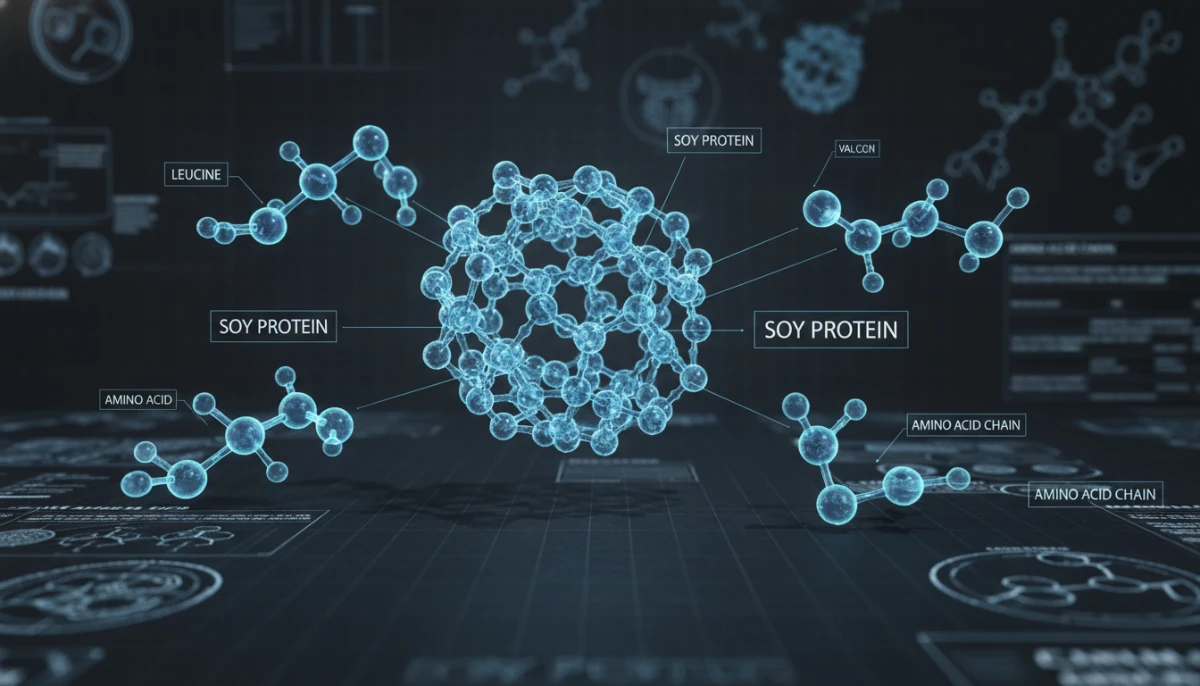
The soybean is often referred to as ‘meat of the field’ due to its high-quality protein. What distinguishes soybean protein from other plant proteins is its status as a ‘complete protein.’ This means it contains all nine essential amino acids that the human body cannot synthesize on its own in sufficient quantities. In terms of the PDCAAS (Protein Digestibility Corrected Amino Acid Score), soy protein is frequently ranked near a 1.0, placing it on par with egg whites and casein.
Essential Amino Acid Distribution (Approx. mg/100g)
- Leucine: 3,300 mg – Crucial for muscle protein synthesis.
- Lysine: 2,700 mg – Essential for tissue repair and growth.
- Valine: 1,800 mg – Supports energy and coordination.
- Isoleucine: 1,800 mg – Regulates blood sugar and energy levels.
- Phenylalanine: 2,100 mg – Precursor for neurotransmitters.
- Threonine: 1,600 mg – Important for collagen and elastin.
- Methionine: 550 mg – The limiting amino acid in most legumes, yet relatively high in soy.
4. Lipid Composition and Fatty Acids
The fat content of soybeans is primarily composed of polyunsaturated fats, specifically Omega-6 and Omega-3 fatty acids. Per 100g, you will find approximately 11.3g of polyunsaturated fats and 4.4g of monounsaturated fats. Only a small fraction (about 2.9g) consists of saturated fats, making it a heart-healthy choice.
Omega-6 to Omega-3 Ratio
Soybeans possess an Alpha-linolenic acid (ALA) content of approximately 1,000mg to 1,500mg per 100g. This provides a favorable ratio compared to many vegetable oils, supporting anti-inflammatory pathways.
Lecithin Content
Soybeans are a primary source of commercial lecithin, a mixture of phospholipids used for brain health and cell membrane integrity.
5. Micronutrient Spectrum: Vitamins & Minerals
The soybean nutritional value per 100g extends deeply into the micronutrient category. Soybeans are particularly rich in Manganese, Phosphorus, and Copper. They also provide a significant amount of Iron and Calcium, though the bioavailability of these minerals can be affected by phytic acid.
Manganese
126% DV
Essential for metabolism and bone formation.
Phosphorus
71% DV
Critical for DNA structure and ATP production.
Copper
83% DV
Supports iron absorption and immune function.
In terms of vitamins, soybeans are excellent sources of Vitamin K1 (60% DV) and various B-vitamins, notably Thiamin (58% DV) and Folate (94% DV). These contribute to cardiovascular health and DNA methylation respectively.
6. Bioactive Compounds & Isoflavones
Beyond basic nutrition, soybeans are famous for their isoflavones. These are a type of phytoestrogen—plant compounds that mimic the structure of estrogen. Per 100g of dry soybeans, the total isoflavone content can range from 50mg to 150mg depending on the variety and growing conditions.
- Genistein: Investigated for its potential role in inhibiting cancer cell growth and improving arterial health.
- Daidzein: Studied for its effects on Bone Density & Osteoporosis and its conversion to equol in the gut of some individuals.
- Saponins: Complex molecules that may help lower cholesterol by binding with bile acids in the intestine.

7. Understanding Bioavailability & Antinutrients
It is scientifically dishonest to discuss soybean nutritional value per 100g without addressing antinutrients. These are compounds evolved by the plant for protection, which can interfere with nutrient absorption in humans.
Phytic Acid (Phytates)
Phytic acid binds to minerals like Zinc, Calcium, and Iron, making them less available for absorption. However, soaking and fermentation can reduce phytic acid levels by up to 50-80%.
Trypsin Inhibitors
These compounds interfere with the enzyme trypsin, which is needed to digest protein. Heat treatment (cooking) effectively deactivates most trypsin inhibitors, ensuring the high protein content of soybeans is actually usable by the body.
8. Clinical Health Implications
Epidemiological studies have consistently shown that populations with high soy intake exhibit lower rates of cardiovascular disease and certain hormonal cancers. The combination of high fiber, high polyunsaturated fats, and isoflavones creates a synergistic effect on health.
Heart Health: The FDA has previously recognized that 25 grams of soy protein a day, as part of a diet low in saturated fat and cholesterol, may reduce the risk of heart disease. This is largely attributed to the reduction in LDL (low-density lipoprotein) cholesterol levels.
Menopausal Symptoms: Isoflavones have been shown in some clinical trials to mitigate the severity and frequency of hot flashes in menopausal women, acting as a natural Selective Estrogen Receptor Modulator (SERM).
9. Effects of Processing on Value
The nutritional density of soybeans varies significantly depending on whether they are consumed whole, fermented, or Mastering Soy Cooking & Prep into isolates. Fermentation, as seen in Tempeh or Natto, is often considered the gold standard for nutrition as it pre-digests proteins and increases the bioavailability of minerals.

10. Frequently Asked Questions
What is the protein content of soybean per 100g?
Raw soybeans contain approximately 36.5 grams of protein per 100g. When boiled, this shifts to about 16.6 grams per 100g due to the weight of the water absorbed during the cooking process.
Are soybeans high in calories?
Soybeans are moderately high in calories compared to other legumes, with 446 kcal per 100g (dry). However, their high nutrient density and satiety factor make them excellent for weight management when eaten in moderation.
Does soy affect testosterone levels?
Extensive meta-analyses of clinical studies have shown that soy protein and isoflavones do not significantly affect testosterone levels or estrogen levels in men.