
Soy protein benefits NZ consumers by providing a complete, plant-based amino acid profile that rivals animal proteins, supporting effective muscle hypertrophy and cardiovascular health. It offers a sustainable, nutrient-dense alternative rich in antioxidants and essential minerals, making it an ideal choice for diversifying the traditional dairy-heavy New Zealand diet.
New Zealand has long been recognized as a global leader in dairy production, with whey and casein dominating the local protein supplement market. However, a significant shift is occurring across the country. From the bustling cafes of Wellington to the fitness centers of Auckland, Kiwis are increasingly turning to plant-based nutrition. At the forefront of this movement is soy protein. Often misunderstood yet scientifically validated as a nutritional powerhouse, soy offers a unique proposition for the New Zealand lifestyle: a bridge between high-performance nutrition and sustainable living. This guide delves deep into the biochemistry and practical applications of soy protein, moving beyond surface-level trends to provide authoritative, defensive science for the health-conscious New Zealander.

The Complete Protein: Understanding the Amino Acid Profile of Soy
One of the most persistent myths in nutrition is that plant proteins are inherently “incomplete.” Soy protein stands as the definitive exception to this rule. It is one of the few plant sources that provides all nine essential amino acids—histidine, isoleucine, leucine, lysine, methionine, phenylalanine, threonine, tryptophan, and valine—in sufficient quantities to meet the physiological requirements of adults.
The quality of a protein is often measured by the Protein Digestibility Corrected Amino Acid Score (PDCAAS). This method evaluates protein quality based on both the amino acid requirements of humans and their ability to digest it. Soy protein isolate holds a PDCAAS of 1.0, the highest possible score. This places it on par with egg whites and casein, and actually ranks it higher than beef. For New Zealanders looking to reduce meat consumption without compromising on nutritional density, this metric is crucial. It confirms that the body can utilize soy protein just as efficiently as animal-based counterparts for tissue repair and enzyme production.
Furthermore, the specific ratio of amino acids in soy is particularly beneficial. It is notably high in glutamine and arginine. Glutamine is essential for gut health and immune function, especially during periods of high physical stress, while arginine plays a pivotal role in nitric oxide production, improving blood flow and cardiovascular endurance. Unlike many other plant proteins that are limiting in lysine (such as grains) or methionine (such as legumes), soy strikes a biological balance that requires no food combining to be effective.
Key Vitamins and Minerals in Soy Products
Beyond its macronutrient profile, soy is a dense source of micronutrients essential for maintaining vitality in the New Zealand climate. Soy products are naturally rich in B vitamins, particularly folate, which is vital for DNA synthesis and cell division. However, the mineral content is where soy truly shines as a dietary staple.
Iron and Zinc Absorption
Soybeans are a significant source of non-heme iron and zinc. While non-heme iron is generally less bioavailable than the heme iron found in red meat, soy contains ferritin, a protein that encapsulates iron and facilitates its absorption. For Kiwis who are reducing their intake of lamb and beef, soy provides a critical safety net against anemia. To maximize absorption, it is recommended to consume soy products alongside Vitamin C-rich foods—such as kiwifruit or capsicum—which can increase iron uptake by up to four times.
Calcium and Bone Health
Bone health is a priority in New Zealand, particularly given the active outdoor lifestyle many residents enjoy. Many soy products, especially calcium-set tofu and fortified soy milk, offer calcium levels comparable to cow’s milk. Furthermore, soy contains magnesium and boron, trace minerals that work synergistically with calcium to improve bone density. The isoflavones found in soy, specifically genistein, have also been shown to inhibit bone resorption, offering a protective effect that goes beyond simple mineral content.
Soy for Muscle Building and Weight Management
For the fitness community in NZ, the primary concern regarding plant protein is often its efficacy in muscle protein synthesis (MPS). The scientific consensus has evolved significantly, proving that soy is a formidable agent for hypertrophy.
The driver of MPS is the branched-chain amino acid (BCAA) Leucine. While whey protein has the highest leucine content, soy protein isolate contains a substantial amount—higher than most other plant proteins. Research indicates that when matched for leucine content, soy protein stimulates muscle growth effectively. It is considered an “intermediate” digesting protein. It absorbs faster than casein but slower than whey, providing a sustained release of amino acids into the bloodstream. This makes it an excellent all-rounder, suitable for both post-workout recovery and general daily intake.
regarding weight management, soy protein demonstrates a high thermic effect of food (TEF) and superior satiety properties. High-protein diets are known to reduce hunger cravings, but soy specifically has been linked to favorable effects on metabolism. The bioactive peptides released during the digestion of soy protein can help regulate blood sugar levels, preventing the insulin spikes that lead to fat storage. For New Zealanders facing the global obesity challenge, swapping high-calorie processed meats for lean soy protein can be a powerful strategy for weight control.
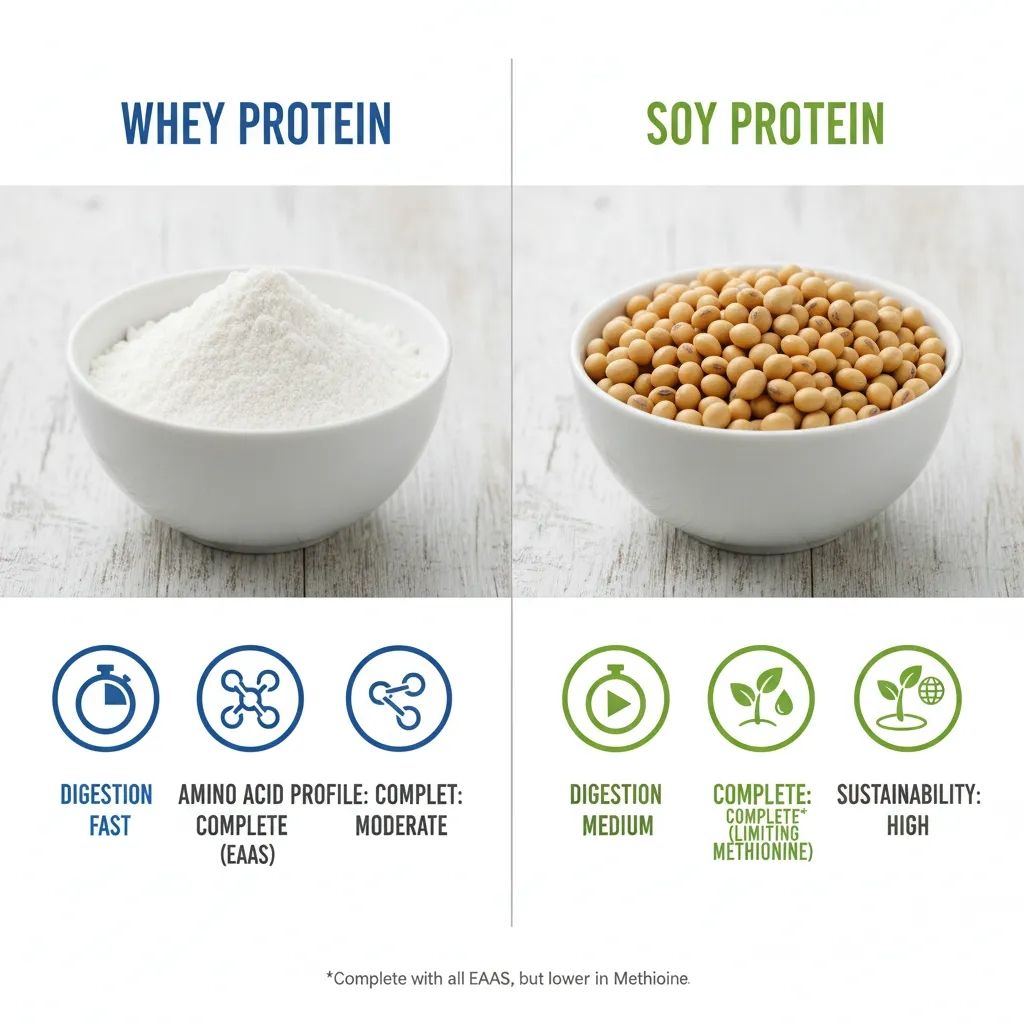
Comparison: Soy Protein vs. Whey, Pea, and Rice Proteins
Navigating the supplement aisle at a local Chemist Warehouse or health food store can be overwhelming. Understanding how soy stacks up against its competitors is essential for making an informed choice.
Soy vs. Whey Protein
Whey is the byproduct of cheese production and is deeply ingrained in NZ’s dairy industry. It is the gold standard for rapid absorption. However, whey contains lactose, which causes digestive distress for a significant portion of the population. Soy is naturally lactose-free and hypoallergenic for those with dairy sensitivities. While whey may have a slight edge in raw leucine content, soy offers additional cardiovascular benefits, such as lowering LDL cholesterol, which whey does not provide.
Soy vs. Pea Protein
Pea protein has gained popularity recently due to its low allergen profile. While effective, pea protein is often lower in methionine. To achieve a complete amino acid profile, pea protein is frequently blended with rice protein. Soy, being a complete protein on its own, requires no blending. Additionally, soy protein isolate generally has a smoother texture and more neutral flavor profile compared to the sometimes “earthy” or gritty texture of pea protein.
Soy vs. Rice Protein
Rice protein digests quickly but is limiting in lysine. It is rarely used as a standalone protein source for muscle building. Soy is superior to rice protein in biological value and PDCAAS score. For an athlete, choosing soy over rice protein ensures that the body receives all necessary building blocks for recovery without needing to supplement with additional amino acids.
Defensive Science: Addressing Estrogen and Hormonal Myths
No guide to soy protein would be complete without addressing the “estrogen myth.” This is perhaps the most common objection heard in gyms across New Zealand. The concern stems from the fact that soy contains isoflavones, which are classified as phytoestrogens (plant estrogens).
It is critical to distinguish between plant estrogen (phytoestrogen) and human estrogen (17-beta-estradiol). They are structurally similar but function differently in the human body. Phytoestrogens bind to estrogen receptors much more weakly than human estrogen. In fact, in some tissues, they can have an anti-estrogenic effect by blocking the stronger human estrogen from binding to receptors.
Incorporating Soy Protein into Your NZ Diet
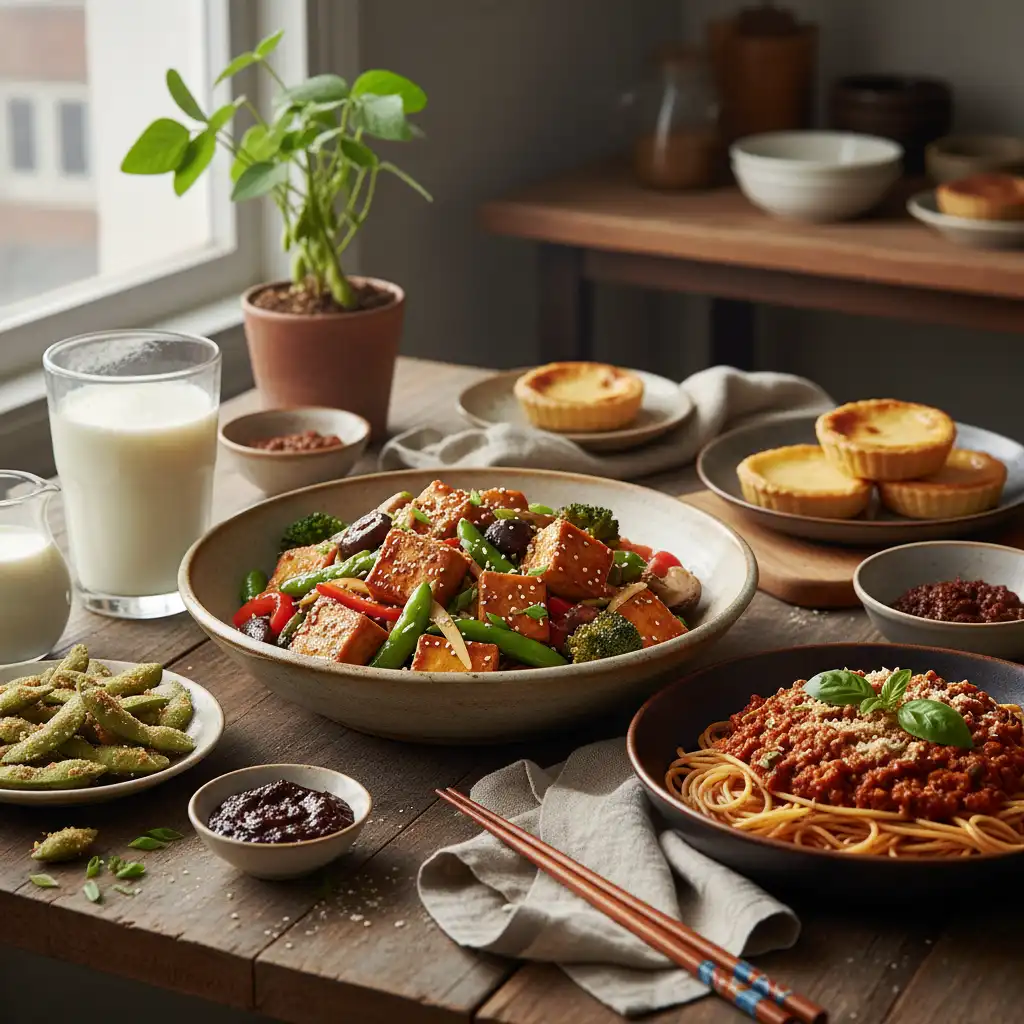
Adopting soy protein into a standard Kiwi diet is easier than ever. The versatility of soy allows it to replace meat and dairy in many traditional recipes without sacrificing flavor or texture.
Breakfast: The Morning Boost
Start the day by swapping cow’s milk for fortified soy milk in your Weet-Bix or porridge. Soy milk has a creamy texture that mimics dairy well, unlike the watery consistency of almond milk. For a high-protein breakfast, scramble firm tofu with turmeric, black salt (for an eggy flavor), and spinach. This “tofu scramble” is a staple in NZ vegan cafes and provides a massive protein hit to start the day.
Lunch and Dinner: The Meat Alternative
Textured Vegetable Protein (TVP) is a dehydrated soy product that is incredibly cost-effective and available in bulk bins. It can be rehydrated and used as a direct substitute for mince in Shepherd’s Pie, Bolognese, or Chili con Carne. Tempeh, a fermented soy product originating from Indonesia, offers a nutty flavor and firm texture ideal for stir-frys or grilling on the BBQ during the Kiwi summer. Edamame beans can be added to salads or eaten as a snack for a quick protein boost.
Baking and Smoothies
Soy protein isolate powder is excellent for baking. It retains moisture and adds structure to muffins and pancakes. Unlike whey, which can become rubbery when heated, soy protein maintains a pleasant crumb. For smoothies, soy protein powder blends thick and creamy, pairing perfectly with New Zealand berries and bananas.
In conclusion, soy protein is not merely a substitute; it is a nutritional upgrade. It offers the complete amino acid profile requisite for elite athletic performance, backed by a defensive safety profile that debunks outdated myths. For New Zealanders seeking to optimize their health, reduce their environmental footprint, and explore new culinary horizons, soy protein is an essential addition to the modern pantry.
People Also Ask
Does soy protein contain genetically modified organisms (GMOs)?
Many soy crops are GMO, but in New Zealand, many soy protein brands specifically source non-GMO soy. It is important to check the label for ‘Non-GMO’ or ‘Organic’ certifications if this is a concern for you.
How does soy protein compare to whey for muscle building?
Soy protein is highly effective for muscle building. While whey absorbs slightly faster, soy is a complete protein with a high PDCAAS score of 1.0. It promotes muscle protein synthesis comparably to whey and offers additional heart health benefits.
Can soy protein help with weight loss in NZ?
Yes, soy protein aids weight loss by increasing satiety and boosting metabolism through the thermic effect of food. It is low in fat and cholesterol-free, making it a lean option for calorie-controlled diets.
Does soy protein contain genetically modified organisms (GMOs)?
Many soy crops are GMO, but in New Zealand, many soy protein brands specifically source non-GMO soy. It is important to check the label for ‘Non-GMO’ or ‘Organic’ certifications if this is a concern for you.
Is soy protein bad for your thyroid?
For healthy individuals with adequate iodine intake, soy protein does not adversely affect thyroid function. However, those with hypothyroidism should ensure they are consuming enough iodine and may want to consult a doctor regarding timing of medication.
What are the main environmental benefits of choosing soy over dairy?
Soy production requires significantly less water and land compared to dairy farming and produces fewer greenhouse gas emissions. Choosing soy is a sustainable action that reduces the environmental footprint associated with food production.