
For many New Zealanders, transitioning to a plant-based diet or simply incorporating more soy protein into their weekly rotation begins with a single, often daunting question: how to cook tofu NZ style? Tofu, or bean curd, is a culinary chameleon. When treated correctly, it transforms from a bland, white block into a crispy, flavour-packed powerhouse of nutrition. However, without the proper techniques regarding pressing, marinating, and thermal processing, the results can be uninspiring.
This comprehensive guide is designed for the New Zealand Soy Lifestyle & Medical Integration Hub. We will bridge the gap between culinary art and nutritional science, ensuring you master the preparation of soy foods available in local Kiwi supermarkets.
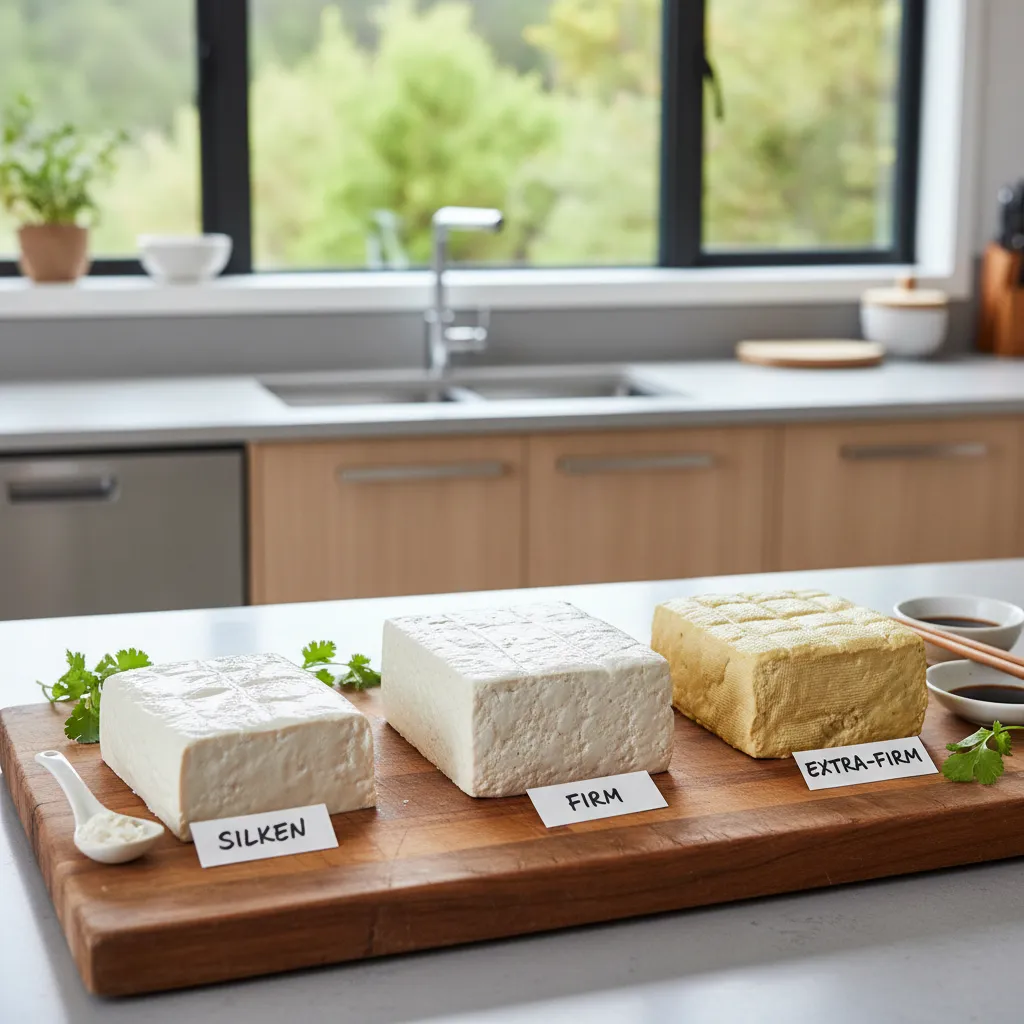
Understanding NZ Tofu Varieties: From Silken to Extra Firm
Before you even heat the pan, success relies on selecting the correct type of tofu for your intended dish. In New Zealand supermarkets—such as Countdown, New World, and PAK’nSAVE—you will typically encounter brands like Bean Supreme, Tonzu, and Chalmers Organics. Understanding the water content and protein density of these varieties is the first step in learning how to cook tofu in NZ effectively.
Silken Tofu
Silken tofu has the highest water content and an undrained, custard-like texture. It is not suitable for frying or pressing. In a medical integration context, silken tofu is excellent for blending into smoothies or soups to boost protein intake without altering texture significantly.
Firm and Semi-Firm Tofu
This is the standard “block” tofu found in the chilled vegan section. It holds its shape well but contains a significant amount of water. It requires pressing before cooking to achieve a meaty texture. This is the most versatile variety for curries and scrambles.
Extra Firm Tofu
With the lowest water content, extra firm tofu is dense and chewy. Brands like Tonzu often produce a very firm block that requires minimal pressing. This is the ideal choice for grilling, baking, or stir-frying where structural integrity is paramount.
The Science of Pressing: Removing Moisture for Texture
If there is one secret to mastering how to cook tofu NZ chefs swear by, it is pressing. Tofu is packaged in water to keep it fresh, but this water is the enemy of flavour absorption and crispiness. Think of tofu as a saturated sponge; you cannot add more liquid (marinade) until you squeeze the existing liquid out.
Why Pressing is Non-Negotiable
When you cook unpressed tofu, the internal water turns to steam. This steam pushes outwards, preventing the outer crust from crisping up and diluting any sauce you add. For a dense, chewy texture that mimics meat, you must remove this excess moisture.
Best Tofu Pressing Methods
- The Commercial Press: For regular consumers, investing in a tofu press is worthwhile. These devices use spring-loaded plates or screws to exert even pressure, extracting water in 15–30 minutes without cracking the block.
- The DIY Plate Method:
- Wrap the block of tofu in a clean, lint-free tea towel or several layers of paper towels.
- Place the wrapped tofu on a large dinner plate.
- Place a second plate on top of the tofu.
- Weigh it down with heavy objects, such as tinned food or a cast-iron skillet.
- Let it sit for at least 30 minutes.
Expert Insight: “Never press silken tofu. The structure is too delicate and it will collapse into a paste. Pressing is exclusively for firm and extra-firm varieties intended for high-heat cooking.”
Marinating Mastery: The Chemistry of Flavour Absorption
Soy protein is relatively neutral, making it an excellent carrier for bold flavours. However, the molecular structure of tofu interacts differently with oils and acids compared to animal proteins.
The Oil Barrier Rule
Tofu is high in water content (even after pressing). Since water and oil do not mix, an oil-based marinade will simply slide off the surface of the tofu. For the best absorption, avoid adding oil to your marinade. Instead, use acid-based or soy-based liquids such as:
- Tamari or Soy Sauce (for umami)
- Rice Wine Vinegar or Lemon Juice (for acidity)
- Vegetable stock
- Ginger, garlic, and chili pastes
Reserve your oil for the cooking pan. This ensures the marinade penetrates the porous structure of the bean curd.
NZ-Inspired Marinade Ideas
To localize your dish, consider using native ingredients. A glaze made from Manuka honey, soy sauce, and fresh ginger offers a perfect balance of sweet and savoury. Alternatively, a sprinkle of dried Kawakawa can add a peppery, basil-like fresh note to a lemon-herb marinade.
Core Cooking Techniques for Beginners
Once pressed and marinated, the cooking method dictates the final texture. Here are the three most reliable methods for Kiwi home cooks.
1. The Pan-Fry (The Crispy Cube)
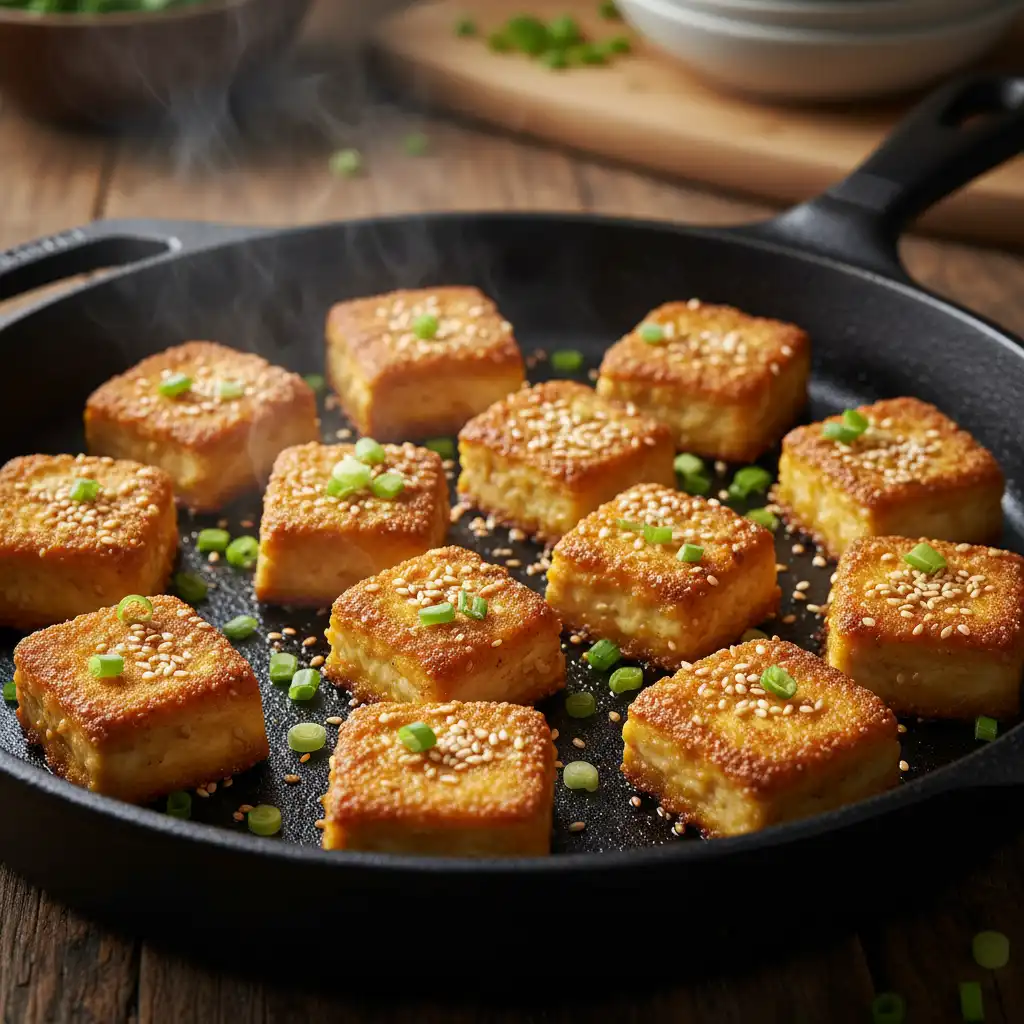
This is the most popular method for stir-fries and salads. The key to the “golden crust” is cornstarch (cornflour).
- Cut pressed tofu into cubes.
- Toss the cubes in a bowl with 2 tablespoons of cornflour, salt, and pepper until evenly coated. The cornflour absorbs residual surface moisture.
- Heat a generous amount of high-smoke-point oil (like rice bran or grapeseed oil) in a non-stick pan over medium-high heat.
- Add tofu in a single layer. Do not overcrowd the pan.
- Cook for 3–4 minutes per side until golden brown.
2. Baking (The Hands-Off Method)
Baking is excellent for meal prep as it allows you to cook large batches at once. It produces a chewier, drier texture.
- Preheat oven to 200°C.
- Toss tofu cubes in marinade, then arrange on a parchment-lined baking tray.
- Bake for 25–35 minutes, flipping halfway through.
- Tip: For extra crispiness, coat in cornflour before baking and spray lightly with oil.
3. Air Frying (The Modern Standard)
Air frying has taken New Zealand kitchens by storm. It creates a texture similar to deep-frying but with significantly less oil.
- Set air fryer to 190°C.
- Toss seasoned tofu cubes with 1 teaspoon of oil.
- Cook for 10–15 minutes, shaking the basket halfway through.
- The result is a puffy, crispy exterior with a tender interior.
Advanced Prep: The Freezing Technique
For those seeking a texture that closely resembles chicken, the freezer is your best tool. Freezing tofu causes the water inside to expand and form ice crystals. These crystals puncture the protein structure, creating larger pockets and layers.
How to execute the freeze method:
- Place the entire package of firm tofu (unopened) in the freezer overnight.
- Thaw it in the fridge or a bowl of warm water the next day.
- Press the tofu as usual. You will notice significantly more water releases, and the tofu feels like a sponge.
- Tear the tofu into chunks rather than cutting it. The rough edges will catch more sauce and crisp up beautifully.
Pros and Cons of Cooking Methods
Choosing how to cook tofu NZ style depends on your dietary goals and time constraints. Below is an analysis of the primary methods.
Pan-Frying
- Pros: Superior texture; excellent caramelisation; quick cooking time.
- Cons: Requires more oil (higher caloric density); requires active attention.
Baking
- Pros: Low fat; hands-off cooking; easy cleanup; great for batch cooking.
- Cons: Can dry out the tofu if overcooked; takes longer than frying.
Air Frying
- Pros: Very crispy with minimal oil; fast; energy-efficient.
- Cons: Limited capacity (small batches only); can dry out quickly if not watched.
Comparative Guide to Tofu Cooking Times
To assist in your meal planning, we have compiled a quick reference table for processing firm tofu.
| Method | Prep Time | Cook Time | Texture Result | Best For |
|---|---|---|---|---|
| Pan-Fry | 30 min (press) | 10-15 mins | Crispy outside, soft inside | Stir-fries, Curries |
| Baking | 30 min (press) | 30-40 mins | Chewy, dense, firm | Salads, Buddha Bowls |
| Air Fry | 30 min (press) | 12-15 mins | Puffy, very crispy | Snacking, Quick meals |
| Boiling/Soup | 0 min | 5-10 mins | Soft, silky | Miso soup, Stews |
Nutritional Integration
From a medical integration perspective, properly cooked tofu is a superior source of complete plant protein, containing all nine essential amino acids. It is also rich in calcium (especially calcium-set varieties found in NZ) and iron. By using methods like baking or air frying, patients and health-conscious individuals can enjoy a high-protein, low-saturated-fat component that supports cardiovascular health without sacrificing culinary enjoyment.
Frequently Asked Questions (FAQ)
Do I really need to press tofu if I buy “Extra Firm”?
While Extra Firm tofu has less water than standard firm tofu, pressing it for even just 10-15 minutes will still improve the texture and its ability to absorb marinades. In the NZ market, brands like Tonzu are very dense, but a quick press is still recommended for frying.
How long can I keep cooked tofu in the fridge?
Cooked tofu can be stored in an airtight container in the refrigerator for 3 to 5 days. It is excellent for meal prep. Note that the crispy coating from cornflour may soften over time, but it can be re-crisped in an air fryer or pan.
Why does my tofu stick to the pan?
Tofu sticks because it lacks natural fats that meat possesses. To prevent sticking, ensure your pan is hot before adding the oil, use a sufficient amount of oil, and do not try to flip the tofu too early. If it resists flipping, it hasn’t formed a crust yet.
Can I eat tofu raw?
Yes, tofu is pre-cooked during the manufacturing process. It is safe to eat straight from the package, though the texture and flavour are generally improved by cooking. Silken tofu is commonly eaten cold in salads or desserts.
What is the best oil for frying tofu?
Use an oil with a high smoke point. In New Zealand, Rice Bran Oil, Grapeseed Oil, or Avocado Oil are excellent choices. Avoid Extra Virgin Olive Oil for high-heat frying as it can burn and impart a bitter flavour.
Is tofu healthy for daily consumption?
For most people, yes. Tofu is a nutrient-dense, whole-food plant protein. It is linked to lower cholesterol levels and reduced heart disease risk. However, individuals with specific thyroid conditions or soy allergies should consult a medical professional.