
Introduction
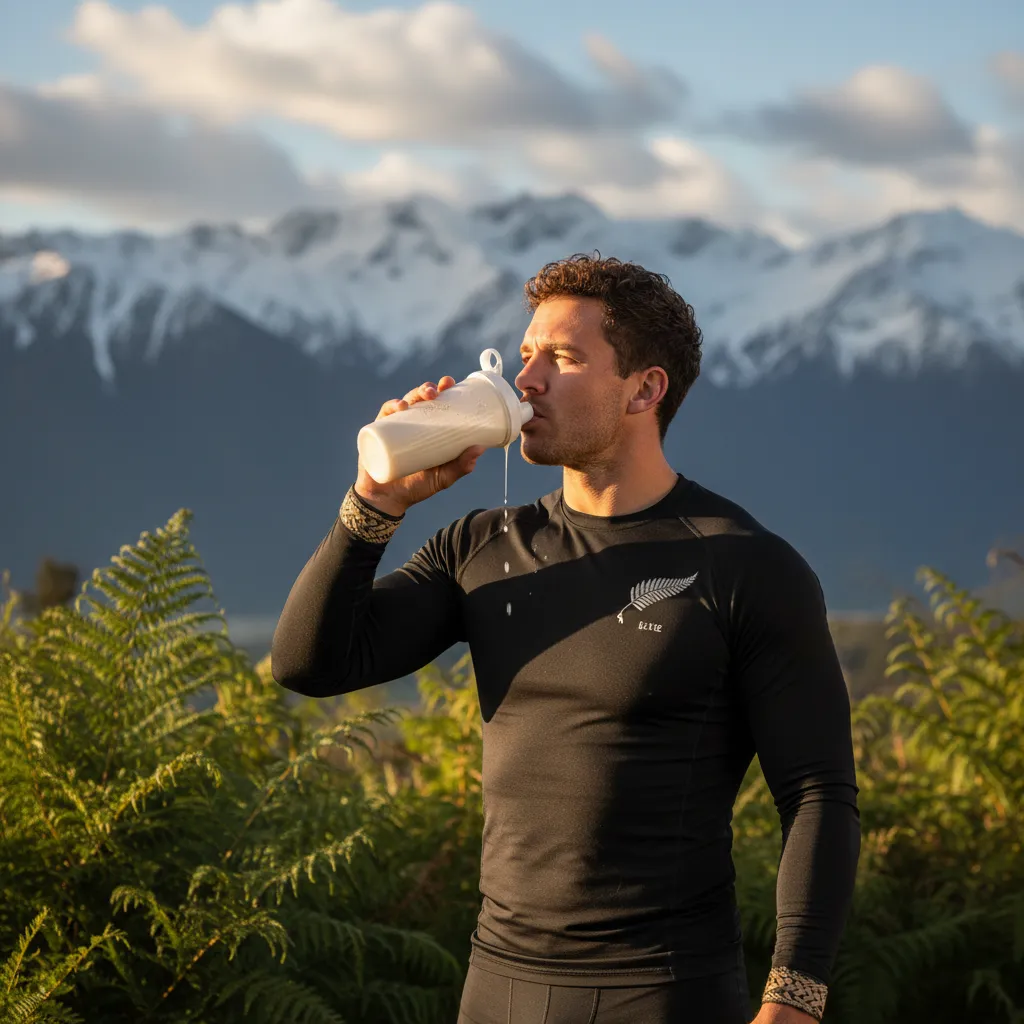
New Zealand has long been celebrated as a global dairy powerhouse. From the rolling pastures of the Waikato to the export dominance of Fonterra, whey and casein have traditionally held the crown in the Kiwi fitness industry. However, a significant shift is occurring in Aotearoa’s health and wellness landscape. As more New Zealanders adopt flexitarian, vegetarian, and vegan lifestyles—or simply seek to diversify their nutritional intake—soy protein benefits in NZ have become a topic of intense interest and medical scrutiny.
For decades, soy was relegated to the sidelines, often misunderstood or misrepresented. Today, modern nutritional science paints a different picture. It is not merely a “substitute” for dairy; it is a high-performance fuel capable of supporting elite muscle growth, rapid recovery, and long-term cardiovascular health. Whether you are a weekend warrior tackling the Tongariro Crossing or a competitive bodybuilder in Auckland, understanding the biochemical efficacy of soy is essential.
This guide serves as the definitive resource for Kiwis. We will strip away the marketing hype, analyze the clinical data, and explain exactly how soy protein isolate and concentrate can be integrated into a high-performance lifestyle.
The Science of Soy: Understanding Complete Proteins
One of the most persistent misconceptions in nutrition is that plant proteins are inherently inferior to animal proteins. While this is true for many plant sources (which often lack sufficient levels of lysine or methionine), soy is a biological anomaly. It stands as one of the few plant-based sources that is a complete protein.
Defining the PDCAAS Score
To evaluate protein quality, scientists use the Protein Digestibility Corrected Amino Acid Score (PDCAAS). This metric evaluates a protein based on both the amino acid requirements of humans and their ability to digest it.
- Soy Protein Isolate: Has a PDCAAS score of 1.0.
- Whey Protein: Has a PDCAAS score of 1.0.
- Beef: Has a PDCAAS score of roughly 0.92.
What does this mean for the consumer? It means that, gram for gram, the protein quality in high-grade soy isolate is nutritionally equivalent to milk and egg protein. It contains all nine essential amino acids (EAAs) required by the human body for tissue repair and enzymatic function.
“Soy protein is unique among plant-based options because it provides a complete amino acid profile similar to animal proteins, making it highly effective for muscle maintenance and growth.”
The Amino Acid Profile
Specifically, soy is rich in Branched-Chain Amino Acids (BCAAs): leucine, isoleucine, and valine. While whey has a slightly higher leucine content (the primary trigger for muscle protein synthesis), soy contains ample amounts to stimulate the mTOR pathway—the biological switch that turns on muscle growth—provided the total protein intake is sufficient.
Soy Protein and Muscle Hypertrophy
For New Zealanders looking to build lean mass, the primary concern is hypertrophy. Can a plant-based shake actually build muscle as effectively as the traditional whey gold standard?
Muscle Protein Synthesis (MPS)
Research published in the Journal of the International Society of Sports Nutrition suggests that while whey stimulates MPS faster due to rapid absorption, soy sustains MPS for a longer duration than whey, though shorter than casein. This makes soy an “intermediate” absorption protein.
When matched for leucine content, soy protein has been shown to be just as effective as whey protein in promoting gains in lean body mass when combined with resistance training. The key is the dosage. Because soy has slightly less leucine per gram than whey, athletes may need to consume slightly more soy (e.g., 30g vs 25g) to hit the “leucine threshold” required to maximize anabolic signaling.
Arginine and Blood Flow
One distinct advantage soy holds over dairy is its high concentration of arginine. Arginine is a precursor to nitric oxide, which dilates blood vessels and improves blood flow to working muscles. This “pump” effect can enhance nutrient delivery and oxygenation during intense training sessions, potentially improving endurance and workout capacity.
Soy’s Role in Athletic Recovery
Recovery is where gains are solidified. If you cannot recover, you cannot train with intensity. Soy protein offers unique phytochemical benefits that animal proteins lack, specifically regarding inflammation and oxidation.
Antioxidant Properties
Intense exercise creates oxidative stress in the body. Soy contains naturally occurring antioxidants, including isoflavones (genistein and daidzein). These compounds help scavenge free radicals produced during heavy lifting or endurance running, potentially reducing muscle damage markers post-exercise.
Anti-Inflammatory Effects
Chronic inflammation can hinder recovery and lead to injury. Studies indicate that soy peptides may exhibit anti-inflammatory properties. For New Zealand athletes engaging in high-impact sports like Rugby or Netball, reducing systemic inflammation is crucial for longevity in the sport. By choosing soy, athletes may experience less delayed onset muscle soreness (DOMS) compared to other protein sources.
The Estrogen Myth: Fact vs. Fiction
We cannot discuss soy without addressing the elephant in the room: the fear of feminization. This is a particular concern among male athletes who fear that soy will lower testosterone or increase estrogen.
Phytoestrogens vs. Estrogen
Soy contains isoflavones, which are classified as phytoestrogens (plant estrogens). Structurally, they look similar to human estrogen, but functionally, they behave very differently.
Human estrogen binds to alpha-receptors, which are responsible for breast tissue growth and other female secondary sexual characteristics. Phytoestrogens, however, preferentially bind to beta-receptors, which are found in bone and brain tissue. They have a significantly weaker effect—approximately 1,000 times weaker than human estrogen.
The Clinical Verdict
Meta-analyses of clinical studies have repeatedly shown that soy protein or isoflavone intake has no significant effect on testosterone levels or circulating estrogen levels in men. The “soy boy” trope is biologically unfounded. In fact, the beta-receptor activation can be beneficial, potentially offering protective effects against prostate cancer.
Soy Protein for Athletes in New Zealand
Integrating soy into a Kiwi lifestyle is easier than ever. The market in New Zealand has matured, moving beyond gritty health-food store powders to advanced isolates available at major retailers like Chemist Warehouse, Countdown, and specialized sports nutrition stores.
Cost-Effectiveness in the NZ Economy
With the cost of living rising in New Zealand, food budgeting is a priority. Generally, soy protein isolate is more affordable than high-quality whey isolate (WPI). For athletes consuming 2-3 shakes a day, switching to soy or a soy-blend can result in significant annual savings without compromising protein quality.
Sustainability: The Green Choice
New Zealanders are deeply connected to the environment. The carbon footprint of soy production is drastically lower than that of dairy or beef. Soy requires less water and land to produce the same amount of protein. For the eco-conscious Kiwi athlete, soy aligns with the values of sustainability and reducing greenhouse gas emissions.
Medical Integration
For Kiwis managing cholesterol, soy is a powerhouse. The FDA and other health organizations have acknowledged that 25 grams of soy protein a day, as part of a diet low in saturated fat and cholesterol, may reduce the risk of heart disease. Given New Zealand’s high rates of cardiovascular disease, this is a functional benefit that extends beyond the gym.
Pros and Cons of Soy Protein
To provide a balanced view, here is a breakdown of the advantages and disadvantages of relying on soy protein.
Pros
- Complete Protein Profile: Contains all 9 essential amino acids with a PDCAAS of 1.0.
- Heart Health: Proven to help lower LDL (bad) cholesterol.
- Digestibility: Soy isolate is lactose-free, making it perfect for the estimated 10-20% of Kiwis who are lactose intolerant.
- High Arginine: Supports blood flow and nitric oxide production.
- Sustainability: Lower environmental impact compared to animal proteins.
Cons
- Taste and Texture: Some users find soy has a “nutty” or “beany” flavor and a thicker texture than whey, though modern isolates have largely improved this.
- Allergen Risk: Soy is a common allergen. Those with soy allergies must avoid it entirely.
- Leucine Content: Slightly lower leucine than whey, requiring slightly larger serving sizes for maximum anabolic effect.
Nutritional Comparison: Soy vs. The Rest
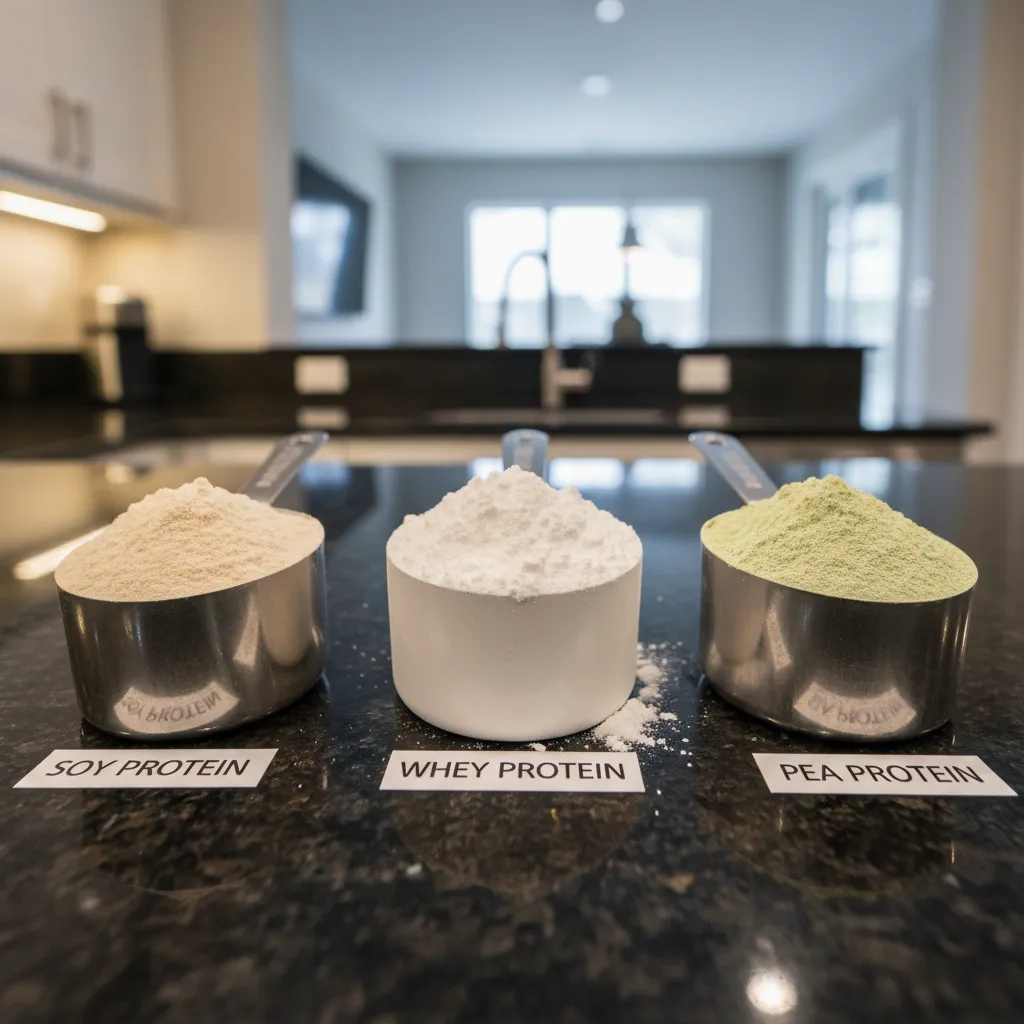
The following table compares Soy Protein Isolate against the two most common alternatives found in NZ stores: Whey Protein Isolate and Pea Protein.
| Feature | Soy Protein Isolate | Whey Protein Isolate | Pea Protein |
|---|---|---|---|
| Source | Soybeans | Dairy (Milk) | Yellow Split Peas |
| Protein Quality (PDCAAS) | 1.0 (Complete) | 1.0 (Complete) | ~0.69 – 0.89 (Incomplete*) |
| Absorption Speed | Moderate | Fast | Moderate |
| Allergens | Soy | Dairy/Lactose | Hypoallergenic |
| Taste Profile | Neutral/Nutty | Creamy/Neutral | Earthy |
| Best Use Case | General health, vegan muscle, heart health | Post-workout rapid recovery | Allergy-sensitive diets |
*Note: Pea protein is often mixed with rice protein to form a complete amino acid profile.
Frequently Asked Questions
Does soy protein lower testosterone in men?
No. Extensive clinical research and meta-analyses have demonstrated that soy protein and isoflavone intake do not lower testosterone levels or raise estrogen levels in men. The phytoestrogens in soy bind selectively to beta-receptors, not the alpha-receptors responsible for feminizing effects.
Is soy protein good for weight loss?
Yes. Soy protein is highly satiating, meaning it helps keep you feeling full for longer. Its high protein content supports the maintenance of lean muscle mass during a calorie deficit, which keeps your metabolism firing efficiently.
How much soy protein should I take per day?
For general health, 25g per day is recommended to support heart health. For muscle growth, athletes often consume 20-40g post-workout or as a meal replacement. Always calculate your total daily protein needs (usually 1.6g to 2.2g per kg of body weight for athletes) and fit soy into that macro target.
Is soy protein suitable for lactose intolerant Kiwis?
Absolutely. Soy protein isolate is naturally dairy-free and lactose-free, making it an excellent alternative for those who experience bloating or digestive distress from whey concentrate.
Can women with breast cancer history eat soy?
Current research from the American Cancer Society and other health bodies suggests that moderate soy consumption is safe for breast cancer survivors. In fact, some studies suggest it may lower the risk of recurrence. However, individuals with hormone-sensitive conditions should always consult their GP or oncologist in New Zealand before making significant dietary changes.
Where can I buy soy protein in NZ?
Soy protein is widely available. You can find it at Chemist Warehouse, Rebel Sport, health food stores like Hardy’s, and major supermarkets like Countdown and New World. There are also several NZ-based online supplement retailers offering bulk soy isolate.