
For many New Zealanders navigating the complexities of restrictive diets, soy remains a controversial and often misunderstood ingredient. Whether you are pursuing a Ketogenic lifestyle for metabolic health or adhering to a Low-FODMAP diet to manage Irritable Bowel Syndrome (IBS), the question remains: Is soy a friend or a foe?
The answer lies in nuance. Unlike simple commodities, soy undergoes various processing methods—fermentation, curdling, and isolation—that drastically alter its chemical composition. This guide serves as the definitive resource for understanding soy for keto and low FODMAP in NZ, helping you make evidence-based decisions for your health.
Understanding Soy’s Nutritional Profile
To understand how soy fits into specialized diets, we must first deconstruct the bean itself. Soybeans are unique among legumes because they are a complete protein, containing all nine essential amino acids required for human health. This makes them a cornerstone of plant-based nutrition in New Zealand.
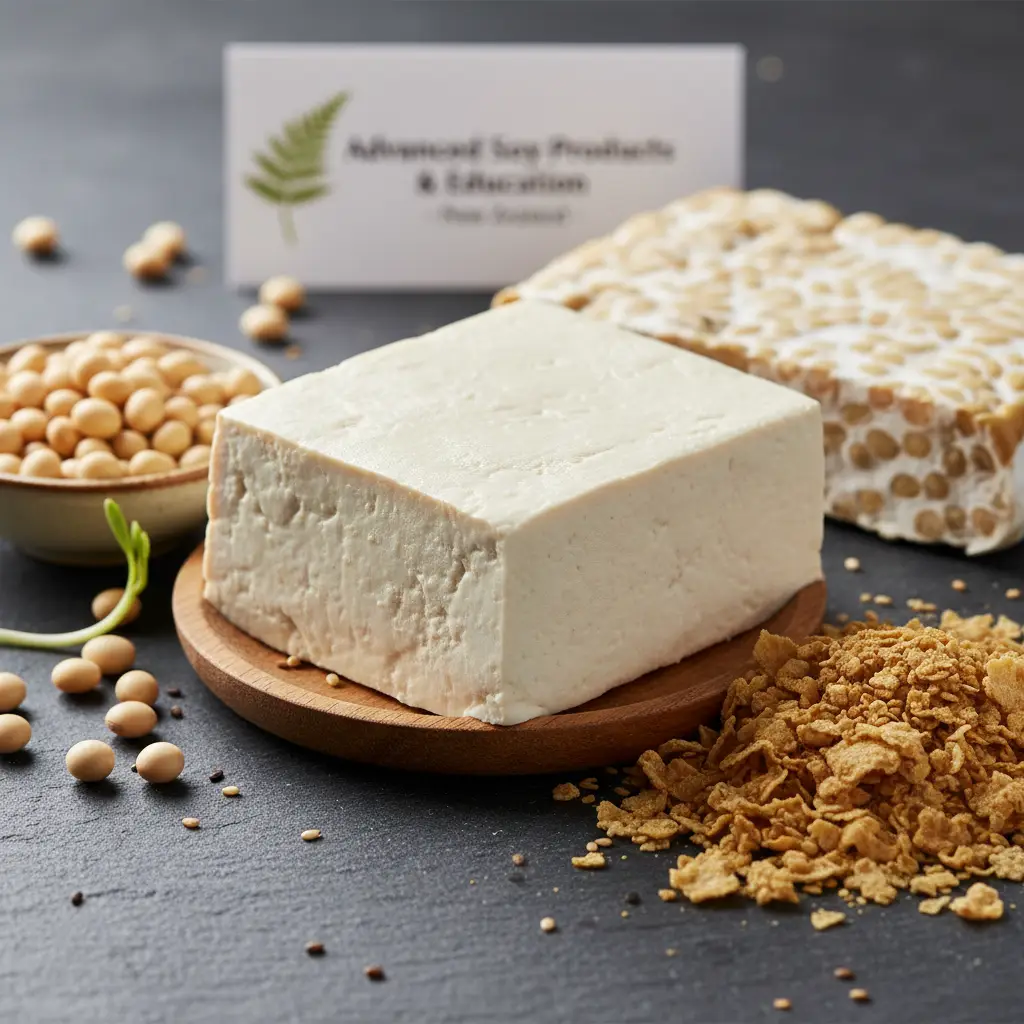
However, the nutritional profile changes significantly depending on the form of soy consumed. Whole soybeans contain carbohydrates, fiber, protein, and fat. When processed into tofu, tempeh, or protein isolates, the macronutrient ratios shift, which is the critical factor for Keto adherence. Similarly, the carbohydrate chain lengths change during processing, which is the critical factor for Low-FODMAP adherence.
Expert Insight: “The processing of soy is not merely about preservation; it is a biochemical transformation. For example, the water-soluble carbohydrates that trigger IBS symptoms are largely removed during the production of firm tofu, fundamentally changing its digestive impact compared to the whole bean.”
Soy’s Role in the Ketogenic Diet
The Ketogenic diet requires a metabolic state known as ketosis, achieved by drastically reducing carbohydrate intake (usually under 20-50g of net carbs per day) and increasing fat consumption. For Keto dieters in New Zealand, soy can be a valuable tool, provided the right products are chosen.
The Net Carb Equation
Soybeans are legumes, and most legumes are too high in carbohydrates for Keto. However, soybeans are lower in carbs and higher in fat than beans like kidney or chickpeas. The key metric here is Net Carbs (Total Carbohydrates minus Fiber). Because soy is high in fiber, the net carb count is often surprisingly low.
- Edamame: These immature soybeans are a great Keto snack. A 100g serving contains approximately 4-5g of net carbs.
- Black Soybeans: A Keto superfood often found in specialty NZ health stores. They contain merely 1g of net carbs per serving as they are almost entirely fiber and protein.
- Tofu: Firm and extra-firm tofu are excellent Keto staples. A typical serving contains less than 2g of net carbs.
- Soy Milk: Caution is required here. Many “original” soy milks in NZ supermarkets contain added cane sugar. Always opt for “Unsweetened” varieties to keep carbs near zero.
Navigating Soy for Low-FODMAP Needs
The Low-FODMAP diet is complex. It restricts fermentable carbohydrates that cause distress in the gut. The specific enemies in soy are Galacto-oligosaccharides (GOS) and Fructans.
Many people assume soy is high-FODMAP, but this is a generalization. The Monash University guidelines (the global authority on FODMAPs) distinguish clearly between soy products based on processing.
The Processing Factor
Firm Tofu (Safe): The manufacturing process of firm tofu involves pressing the curds to remove the whey (liquid). GOS are water-soluble, meaning they leach out with the water. Therefore, firm tofu is generally Low-FODMAP and safe for IBS sufferers.
Silken Tofu (Avoid): Silken tofu is unpressed; the water (and the GOS) remains inside the product. This makes it High-FODMAP.
Tempeh (Safe): Tempeh is made from fermented soybeans. The fermentation process allows bacteria to digest the carbohydrates (FODMAPs) before you eat them, making tempeh generally safe.
Soy Milk (It Depends): Soy milk made from whole soy beans is often High-FODMAP. However, soy milk made from soy protein isolate is often Low-FODMAP because the carbohydrates have been isolated out. In New Zealand, reading the ingredient list is crucial.
The Intersection: Foods That Fit Both Diets
Finding foods that satisfy both Keto (low carb) and Low-FODMAP (low fermentation) requirements can be challenging. This section identifies the “Holy Grail” soy products available in NZ that satisfy both criteria.
| Soy Product | Keto Friendly? | Low-FODMAP? | Notes |
|---|---|---|---|
| Firm / Extra Firm Tofu | ✅ Yes | ✅ Yes | Low carb and water-soluble GOS are removed. |
| Tempeh | ✅ Yes | ✅ Yes | Fermentation reduces carbs and FODMAPs. |
| Silken Tofu | ✅ Yes | ❌ No | Contains high GOS. |
| Edamame (in pod) | ✅ Yes | ⚠️ Limited | Safe in small servings (approx 90g). |
| Soy Protein Isolate | ✅ Yes | ✅ Yes | Highly processed to remove non-protein components. |
Navigating Product Choices in New Zealand
In New Zealand, the labeling laws overseen by FSANZ (Food Standards Australia New Zealand) require strict allergen declarations, which makes identifying soy easy. However, identifying the type of soy requires a closer look at the nutritional panel and ingredient list.
Supermarket Strategies (Countdown, New World, Pak’nSave)
When shopping for soy for keto low fodmap NZ options, follow these rules:
- The “Isolate” Rule: For protein powders and meat alternatives, look for “Soy Protein Isolate.” This indicates that the carbohydrate component (which holds the FODMAPs) has been removed. Brands like Sanitarium or generic health store brands often carry isolate-based products.
- The Firmness Test: In the chilled vegan section, physically check the tofu. If it is vacuum-packed and feels solid (like the brands Bean Supreme or Tonzu), it is likely lower in FODMAPs than the tub-based soft tofu.
- Unsweetened Milks: In the long-life milk aisle, brands like Vitasoy and So Good offer “Unsweetened” versions. Check the carbohydrate per 100ml. Ideally, it should be under 1g. If it is made from whole beans, test tolerance carefully if you are very sensitive to FODMAPs.

Pros and Cons of Soy in Restrictive Diets
Before fully integrating soy into your specialized diet, it is essential to weigh the benefits against potential drawbacks.
Pros
- High Quality Protein: Soy provides all essential amino acids, critical for muscle maintenance on Keto.
- Metabolic Health: Studies suggest soy protein can help lower LDL cholesterol.
- Versatility: Tofu and tempeh absorb flavors, making them excellent vehicles for healthy fats (olive oil, avocado oil) needed on Keto.
- Accessibility: Unlike specialized Keto products, soy is available in every NZ town.
Cons
- Phytoestrogen Concerns: While largely debunked for moderate consumption, some individuals prefer to limit isoflavone intake due to personal health histories.
- Thyroid Interaction: High soy intake can interfere with thyroid medication absorption; timing your meals is important.
- Allergen Status: Soy is a top allergen in NZ.
- GMO Concerns: While NZ has strict regulations on growing GMO crops, imported soy products may be genetically modified. Look for “Non-GMO” certification if this is a value for you.
Expert Advice for Diet Integration
Successfully adding soy to a Keto or Low-FODMAP diet requires preparation. Here is how to do it effectively.
Preparation is Key
To maximize the Low-FODMAP potential of tofu, press it yourself. Even if you buy “Firm” tofu, wrapping it in a clean tea towel and placing a heavy skillet on it for 20 minutes will expel even more water-soluble GOS.
Cooking with Fats
Since soy is naturally leaner than meat, Keto dieters must add fat back in. Pan-fry tempeh in coconut oil or marinate tofu in sesame oil. This ensures you hit your macro targets while keeping carbs low.
Sample Meal Idea: Keto & Low-FODMAP Stir-fry
Use extra-firm tofu (pressed). Cube and fry in avocado oil until crisp. Toss with bok choy and choy sum (low carb and low FODMAP greens). Season with gluten-free soy sauce (tamari) and ginger. Avoid garlic and onion; use garlic-infused oil instead for flavor without the fructans.
Frequently Asked Questions
Is soy sauce Keto and Low-FODMAP?
Yes, traditional soy sauce is generally low in carbs and Low-FODMAP in standard serving sizes (1-2 tablespoons). However, many people on these diets prefer Tamari (which is gluten-free) or Coconut Aminos (though check the carb count on aminos). Avoid “Sweet Soy Sauce” (Kecap Manis) as it is high in sugar and FODMAPs.
Can I eat Textured Vegetable Protein (TVP) on these diets?
TVP is highly processed and usually defatted. It is very high in protein and generally low in fat. For Keto, it is acceptable if the net carb count fits your macros. For Low-FODMAP, it can be tricky; small amounts (approx 40g dry) are often tolerated, but large amounts may trigger GOS sensitivity.
What is the best soy milk brand in NZ for Keto?
Look for brands like Vitasoy Unsweetened Protein Plus or Sanitarium So Good Unsweetened. You are looking for a product with close to 0g sugar and less than 1-2g carbohydrates per 100ml.
Does fermentation really remove all FODMAPs from soy?
Not necessarily “all,” but it significantly reduces them. The bacteria used in fermentation (like Rhizopus oligosporus for tempeh) feed on the oligosaccharides. This makes tempeh one of the safest soy options for sensitive guts.
Are edamame beans safe for IBS?
Edamame is unique. While mature soybeans are high FODMAP, young edamame beans are lower in GOS. Monash University lists a safe serving size as roughly 90g (shelled). Exceeding this may trigger symptoms.