
The Science of Soy: Advancing Skin Health and Aging Gracefully
Explore the comprehensive molecular benefits of soy-derived compounds in modern dermatology, focusing on collagen synthesis, hyperpigmentation, and cellular longevity.
1. The Molecular Foundation of Soy in Skincare
Soybeans (Glycine max) are not merely a nutritional staple but a complex chemical powerhouse in the realm of dermatological health. The primary bioactive components of soy are isoflavones, a class of phytoestrogens that exhibit structural similarities to the human hormone 17-beta-estradiol. Within the context of skin health, the three most significant isoflavones are genistein, daidzein, and glycitein. Genistein, in particular, has been the subject of intensive research due to its ability to modulate various signaling pathways within the dermis and epidermis. These compounds function as potent antioxidants, effectively neutralizing reactive oxygen species (ROS) that are generated through ultraviolet (UV) exposure and environmental pollutants.
Beyond their antioxidant capacity, soy extracts contain unique proteins such as Bowman-Birk Inhibitor (BBI) and Soybean Trypsin Inhibitor (STI). These proteins play a crucial role in regulating skin pigmentation. Understanding the biochemical diversity of soy allows us to appreciate how it targets multiple skin concerns simultaneously, from the loss of elasticity associated with photoaging to the uneven skin tone caused by chronic inflammation. The evolution of soy-based skincare has moved from simple extracts to highly concentrated, standardized isolates that deliver targeted results with high bioavailability.

2. Isoflavones and the Aging Process
Aging of the skin is characterized by two distinct processes: intrinsic aging, which is the natural biological decline over time, and extrinsic aging, primarily caused by UV radiation (photoaging). Soy isoflavones address both pathways. As estrogen levels naturally decline with age—particularly during menopause—the skin experiences a rapid loss of collagen, thinning of the epidermal layer, and decreased sebum production. Phytoestrogens like genistein bind to estrogen receptors (specifically ER-beta) in the skin, providing a mild stimulatory effect that helps mitigate these hormonal shifts without the systemic risks associated with traditional hormone replacement therapy.
Research indicates that topical application of soy isoflavones can significantly improve skin thickness and density. This is achieved by inhibiting the enzymes responsible for the degradation of the extracellular matrix, such as matrix metalloproteinases (MMPs). By blocking MMP-1 and MMP-3, soy helps preserve the existing structural integrity of the skin, preventing the formation of deep wrinkles and fine lines. Furthermore, the antioxidant profile of soy protects the DNA within skin cells from oxidative stress, which is a primary driver of cellular senescence and premature aging.
3. Stimulating Collagen and Elastin Production
Collagen is the primary structural protein in the skin, responsible for its firmness and resilience. Elastin provides the necessary elasticity that allows the skin to return to its original shape after stretching. One of the most celebrated soy benefits for skin is its ability to stimulate the synthesis of both these proteins. Genistein acts as a powerful signaling molecule that encourages fibroblasts—the cells responsible for protein production—to increase their output. This results in a visible improvement in skin elasticity and a reduction in the sagging that often accompanies advanced chronological age.

In addition to stimulating new production, soy extracts are effective at inhibiting elastase, the enzyme that breaks down elastin fibers. Chronic sun exposure accelerates elastase activity, leading to a condition known as solar elastosis, where skin becomes thick and leathery. By incorporating soy into a daily skincare regimen, individuals can proactively protect their elastin levels. Clinical studies have demonstrated that regular use of soy-enriched creams can lead to measurable increases in skin firmness within 8 to 12 weeks of consistent application, making it a cornerstone ingredient for anti-aging formulations.
4. Addressing Hyperpigmentation
Unlike traditional skin-lightening agents like hydroquinone, which work by inhibiting the enzyme tyrosinase, soy takes a different approach to brightening. The soy proteins STI and BBI inhibit the activation of the Protease-Activated Receptor 2 (PAR-2). This receptor is located on keratinocytes and is responsible for the transfer of melanin-containing melanosomes from the melanocytes to the skin’s surface. By blocking this transfer pathway, soy prevents the appearance of dark spots, sun spots, and melasma without affecting the overall health of the pigment-producing cells.
This mechanism makes soy an ideal ingredient for individuals with sensitive skin or those looking for a natural alternative to harsh chemicals. It is particularly effective for post-inflammatory hyperpigmentation (PIH) caused by acne or minor skin injuries. Over time, the use of soy-based topicals leads to a more uniform skin tone and a radiant, luminous complexion.

5. Enhancing Skin Barrier and Hydration
A healthy skin barrier is essential for maintaining hydration and protecting against irritants. Soy contains essential fatty acids, including linoleic acid, which is a critical component of the skin’s natural lipid barrier. These lipids fill the gaps between skin cells, preventing trans-epidermal water loss (TEWL) and keeping the skin supple. Furthermore, soy extracts have been shown to stimulate the production of hyaluronic acid and ceramides within the skin. Hyaluronic acid is a humectant that can hold up to 1,000 times its weight in water, providing deep hydration from within.
For individuals with dry or compromised skin, soy offers a dual benefit: it replenishes missing lipids and stimulates the skin’s internal hydration mechanisms. This makes soy-based products particularly useful during the winter months or for those residing in arid climates. By strengthening the stratum corneum (the outermost layer of the skin), soy ensures that the skin remains resilient against environmental stressors and maintains a youthful, dewy appearance.
6. Dietary vs. Topical Application
There is often debate regarding whether soy benefits for skin are better achieved through diet or topical application. The answer is that both methods offer synergistic advantages. Dietary soy consumption provides systemic antioxidant support and delivers isoflavones to the deeper layers of the dermis through the bloodstream. Foods such as tofu, tempeh, and edamame are excellent sources of genistein and daidzein. Longitudinal studies in populations with high soy intake have noted a lower incidence of deep wrinkling and more robust skin structures in later life.
However, topical application is necessary for targeted treatment. High concentrations of soy extracts applied directly to the skin can bypass the digestive process and deliver active compounds directly to the site of concern, such as hyperpigmented areas or regions with significant collagen loss. For optimal results, a combination of a soy-rich diet and a sophisticated soy-infused skincare routine is recommended. This “inside-out” approach ensures that the skin receives a constant supply of nutrients and protective compounds.
7. Clinical Efficacy and Safety Profiles
Clinical trials have consistently validated the safety and efficacy of soy in skincare. In a double-blind, placebo-controlled study, participants using a moisturizer containing stabilized soy extract showed significant improvements in skin tone, texture, and elasticity after 12 weeks compared to the control group. There was also a noted reduction in fine lines around the periorbital area. From a safety perspective, soy is non-comedogenic, meaning it does not clog pores, and is generally well-tolerated by all skin types, including sensitive skin.
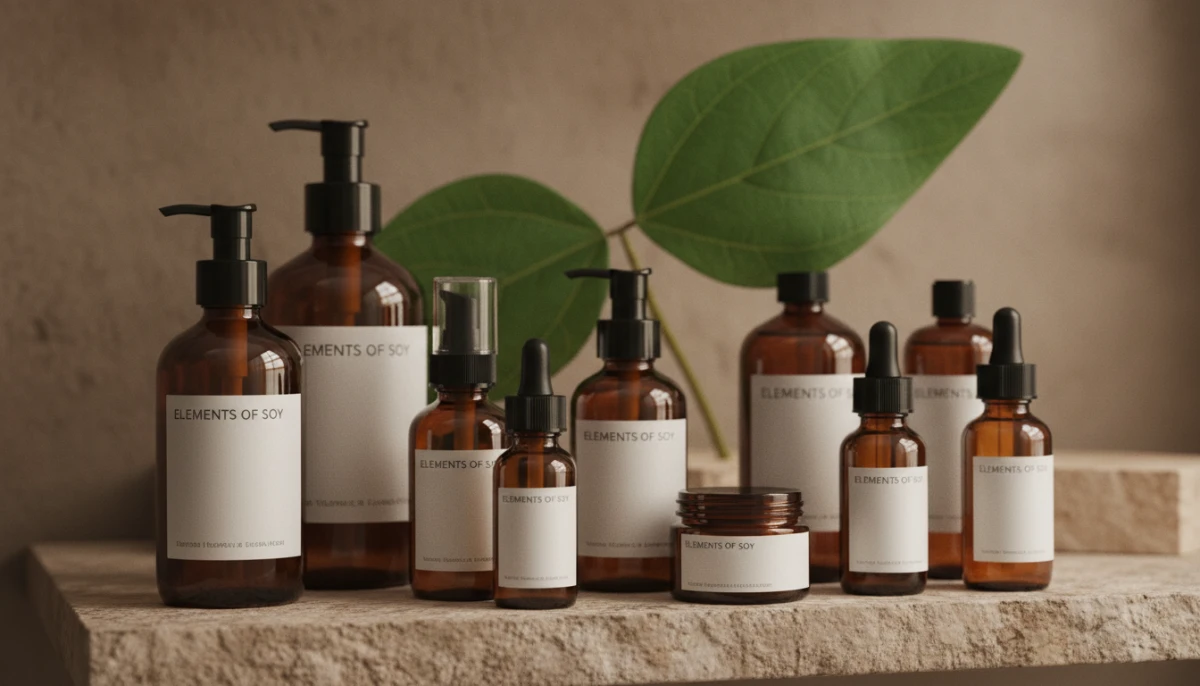
One common misconception is that soy isoflavones can interfere with thyroid function or hormonal balance when applied topically. However, dermatological research confirms that the systemic absorption of topically applied isoflavones is negligible and does not impact blood hormone levels. For most individuals, soy is a safe and highly effective addition to a long-term anti-aging strategy. As with any new ingredient, those with a known soy allergy should consult a dermatologist before beginning a new regimen.
8. Frequently Asked Questions
What are the primary soy benefits for skin?
Soy offers antioxidant protection, stimulates collagen and elastin production, reduces hyperpigmentation by inhibiting melanin transfer, and improves skin hydration by strengthening the lipid barrier.
Can soy help with menopausal skin changes?
Yes, soy isoflavones are phytoestrogens that can help mitigate the effects of declining estrogen levels, such as skin thinning and loss of elasticity, by interacting with estrogen receptors in the skin.
Is soy safe for acne-prone skin?
Generally, yes. Soy is non-comedogenic and possesses anti-inflammatory properties that can help soothe irritated skin and reduce the appearance of post-acne marks.