
Cognitive Function & Soy Consumption
A Comprehensive Review of Longitudinal Studies and Neurological Risk Factors
1. The Soy-Dementia Connection: An Introduction
The intersection of nutrition and neurodegenerative health remains one of the most rigorously debated frontiers in modern medicine. Among the various dietary components scrutinized for their impact on the aging brain, soy products stand out due to their high concentration of isoflavones—compounds that mimic or modulate the effects of estrogen in the human body. As the global incidence of dementia rises, understanding the nuanced relationship between soy consumption and cognitive decline has transitioned from a niche curiosity to a public health priority.
For decades, researchers have looked toward populations with high soy intake, particularly in East Asia, to discern whether these legumes offer neuroprotection or pose a latent risk. The discourse is characterized by a paradox: while some epidemiological studies suggest that high tofu intake may be associated with cognitive impairment, others highlight the potential for soy isoflavones to reduce beta-amyloid plaque accumulation. This duality necessitates a deep dive into the specific studies that have shaped our current understanding.
2. Understanding Phytoestrogens and Genistein
To analyze the risk of dementia, one must first understand the bioactive agents within soy. Soybeans are rich in polyphenolic compounds known as isoflavones, primarily genistein, daidzein, and glycitein. These are classified as phytoestrogens because their chemical structure resembles human 17β-estradiol. Because the brain is densely populated with estrogen receptors (ERα and ERβ), particularly in the hippocampus—the seat of memory—these plant-derived compounds can cross the blood-brain barrier and exert biological effects, playing roles in various physiological processes, including Puberty & Development.
Genistein, in particular, has been shown in laboratory settings to inhibit the phosphorylation of tau proteins, a hallmark of Alzheimer’s disease. However, the dose-response relationship is complex. In some environments, these compounds act as agonists (mimicking estrogen), while in others, they act as antagonists (blocking estrogen), potentially depriving the brain of the protective effects of endogenous hormones. This selective receptor modulation is the focal point of current soy consumption dementia risk studies.
3. The Honolulu-Asia Aging Study (HAAS) Analysis
Perhaps the most cited and controversial research regarding soy and cognitive decline is the Honolulu-Asia Aging Study. This longitudinal research followed a cohort of Japanese-American men living in Hawaii. The results, published in the late 1990s and early 2000s, sent ripples through the nutritional community. Researchers found that high mid-life tofu consumption was statistically associated with lower cognitive function in late life and increased brain atrophy.
Specifically, the HAAS indicated that men who consumed tofu at least twice a week exhibited accelerated brain aging compared to those who consumed it less frequently. Critics of the study, however, point to several confounding factors. The tofu produced in Hawaii during the mid-20th century often utilized specific coagulants or was processed differently than traditional Japanese tofu. Furthermore, the study relied on food frequency questionnaires which are subject to recall bias. Despite these caveats, the HAAS remains a cornerstone of the argument for caution in high soy consumption among specific demographics.
4. Contrasting Research: Benefits of Whole Soy
Contrary to the findings of the HAAS, several large-scale studies in Asia have found no such link, or even suggested benefits. The Singapore Chinese Health Study, which observed over 60,000 participants, found that moderate soy intake was not associated with an increased risk of cognitive impairment. In fact, some subsets of the data suggested that fermented soy products, such as tempeh and natto, might have a protective effect.
The distinction between processed tofu and fermented soy is critical. Fermentation increases the bioavailability of isoflavones and introduces probiotics that influence the gut-brain axis. A 2020 meta-analysis of observational studies concluded that while the evidence remains heterogeneous, there is no definitive proof that soy, as part of a balanced diet, triggers dementia. Instead, the focus has shifted toward the “Equol-producer” hypothesis.
5. The S-Equol Variable: Why Metabolism Matters
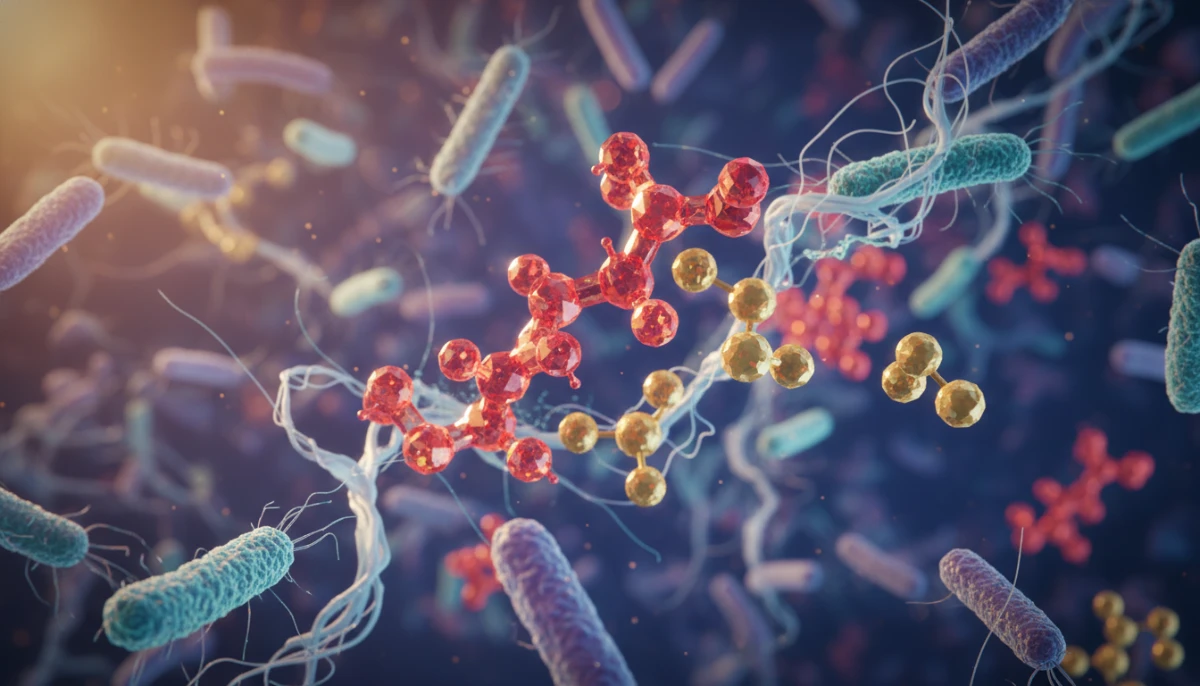
Why do two people eating the same amount of soy have different cognitive outcomes? The answer may lie in their gut microbiome. When we consume daidzein (a soy isoflavone), certain gut bacteria convert it into S-equol. Equol has a much higher affinity for estrogen receptors and possesses stronger antioxidant properties than its parent compound.
Interestingly, only about 30-50% of humans possess the specific bacteria required to produce equol. Studies have shown that equol-producers may experience the neuroprotective benefits of soy, while non-producers do not. This biological variability explains why research in Japan (where equol production is more common due to dietary habits) often shows more positive outcomes for soy than research in Western populations. Identifying equol status may be the future of personalized nutrition in dementia prevention.
6. Biological Mechanisms of Action
The relationship between soy and the brain is mediated by three primary mechanisms: hormone modulation, antioxidant activity, and vascular health. Estrogen is known to be neuroprotective; it promotes synaptogenesis and protects neurons from excitotoxicity. Isoflavones can act as selective estrogen receptor modulators (SERMs). In a low-estrogen environment (such as post-menopause), soy may provide a mild estrogenic boost that supports brain health.
Beyond hormones, soy isoflavones are potent antioxidants. They reduce oxidative stress, which is a major driver of neuronal death in Alzheimer’s disease. Furthermore, soy protein has been shown to improve lipid profiles and reduce arterial stiffness. Since vascular dementia is caused by impaired blood flow to the brain, the cardiovascular benefits of soy may indirectly support cognitive longevity. However, the concentration of these compounds must be precise; excessive amounts could theoretically interfere with thyroid function or other hormonal balances that are also vital for cognition.
7. Clinical Dietary Recommendations
Based on the totality of current evidence, the consensus among nutritionists and neurologists is one of moderate consumption. For individuals looking to optimize cognitive health, the following guidelines are suggested:
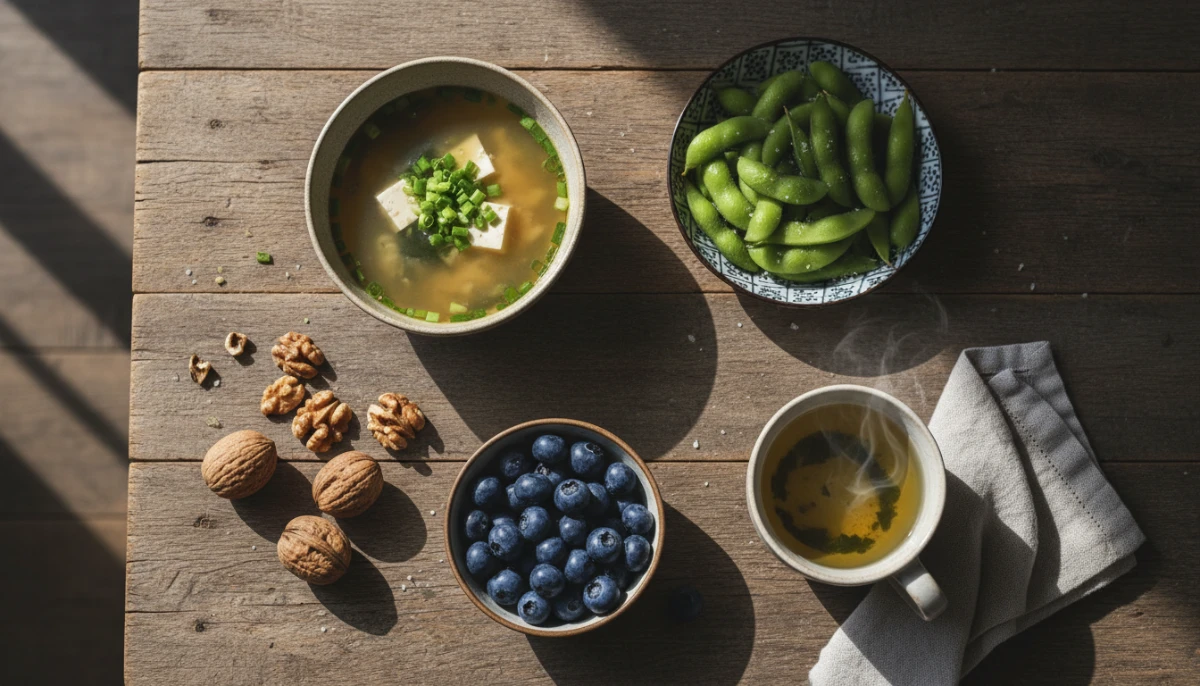
- Prioritize Whole Soy: Opt for edamame, tempeh, and natto over highly processed soy protein isolates found in meat substitutes. For delicious and easy preparation, explore our Ultimate Air Fryer Tofu Guide.
- Distinguish Between Whole & Processed: While whole soy forms are beneficial, be mindful of highly processed soy ingredients like Soy Curls & TVP often used in meat alternatives.
- Diversity of Protein: Do not rely solely on soy; integrate a variety of plant-based proteins such as lentils, walnuts, and fatty fish (if non-vegan) to ensure a broad spectrum of neuroprotective nutrients.
- Consider Lifecycle Timing: The impact of soy may vary depending on whether it is consumed in mid-life versus late-life. Consistent, moderate intake throughout adulthood appears safer than sudden, high-dose changes in elderly years.
8. Frequently Asked Questions
Does tofu cause memory loss?
There is no conclusive evidence that tofu causes memory loss in the general population. While the Honolulu-Asia Aging Study found a correlation, subsequent large-scale studies have largely failed to replicate these findings, suggesting that moderate consumption is safe for most people.
Are soy supplements safe for brain health?
Soy supplements contain much higher concentrations of isoflavones than whole foods. Most clinical trials on isoflavone supplements have shown neutral effects on cognition. It is always recommended to get nutrients from whole food sources rather than concentrated supplements unless directed by a physician.
How much soy is considered ‘moderate’?
Moderate consumption is generally defined as 1 to 2 servings of soy per day (e.g., a cup of soy milk and a serving of tofu or tempeh). This level of intake is consistent with traditional Asian diets associated with longevity.