
Antinutrients, primarily phytates and lectins, are naturally occurring compounds found in plant foods like legumes, grains, and nuts that can interfere with the absorption of essential nutrients. While often misunderstood as harmful, proper preparation methods such as soaking, fermenting, and cooking neutralize their effects, transforming them into harmless or even beneficial components of a balanced diet.
What Are Antinutrients?
In the realm of nutrition science and culinary arts, few topics generate as much debate as “antinutrients.” For the health-conscious consumer in New Zealand, particularly those embracing a plant-forward or soy-inclusive lifestyle, understanding these compounds is crucial. Simply put, antinutrients are natural compounds produced by plants as a defense mechanism. Their biological purpose is to protect the plant’s seeds from bacterial infection and to discourage insects and animals from eating them before they have the chance to germinate.
The term “antinutrient” sounds alarming, suggesting a substance that actively depletes the body of health. However, this is a somewhat reductionist view. While it is true that these compounds can bind to vitamins and minerals in the gut, preventing their full absorption, they generally do not pose a risk to healthy individuals consuming a varied diet. In fact, the presence of these compounds is often a marker of whole, unprocessed foods. They are most abundant in the very foods health authorities recommend: whole grains, legumes, nuts, and seeds.
For the New Zealand market, where the consumption of soy products, kumara, and varied legumes is on the rise, distinguishing between the theoretical risks and the practical realities of antinutrients is essential for maintaining a healthy relationship with food.
Key Takeaway: Antinutrients are not toxins in the traditional sense; they are biological defense systems that can be managed and even utilized for health through traditional culinary preparation methods.
Deep Dive: Phytates (Phytic Acid)
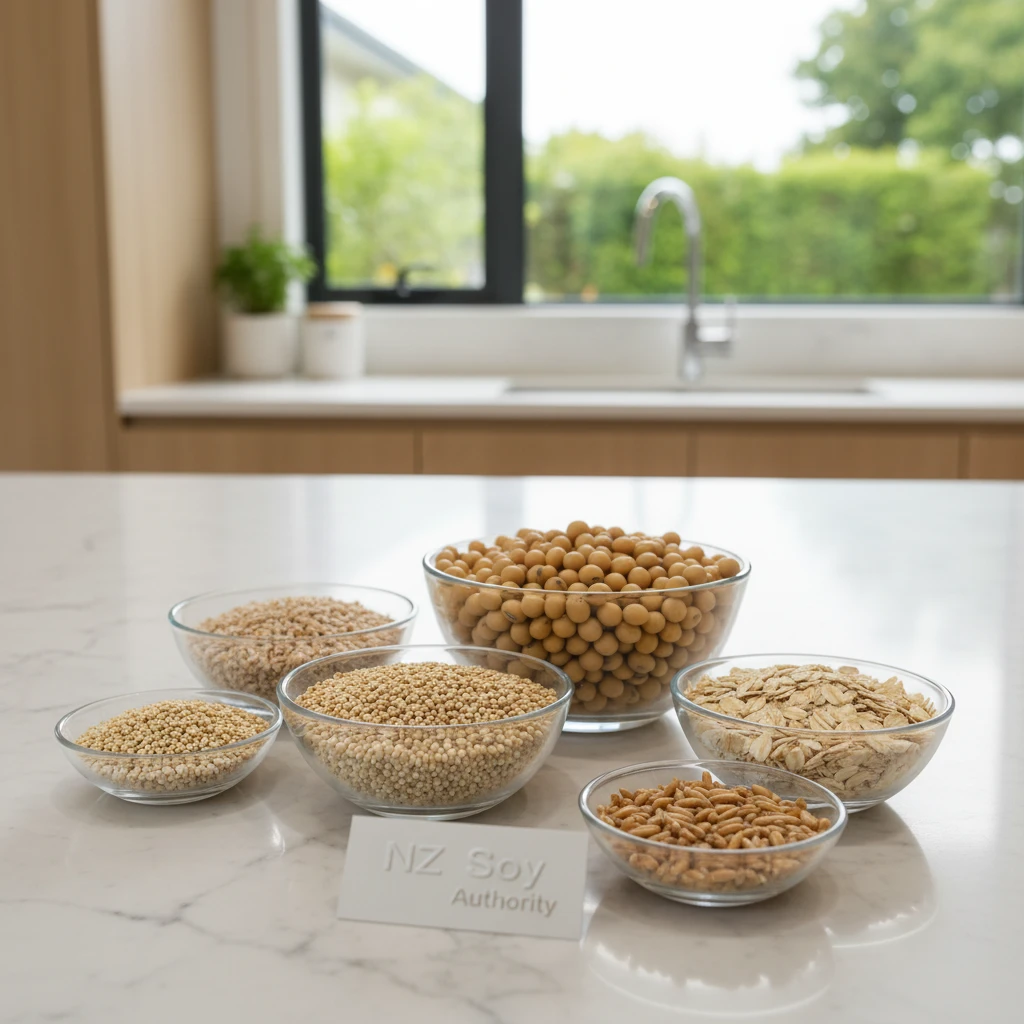
Phytates, or phytic acid (inositol hexaphosphate), are the stored form of phosphorus in seeds. When seeds sprout, the phytate degrades and the phosphorus is released for use by the young plant. In the human diet, phytic acid is most commonly associated with grains, legumes (including soy), nuts, and seeds.
How Phytates Affect Absorption
The primary concern regarding phytic acid is its ability to act as a chelator. In the digestive tract, phytic acid can bind to positively charged minerals such as zinc, iron, calcium, and magnesium. Once bound, these minerals form insoluble complexes that the body cannot absorb, passing through the digestive system and being excreted.
For example, high phytate intake can significantly reduce the absorption of iron from a specific meal. This is known as the “acute effect”—it only impacts the minerals in the meal being consumed simultaneously, not the mineral stores already in your body. This distinction is vital; eating a high-phytate food for lunch does not strip your body of the iron you absorbed from breakfast.
Who Should Be Concerned?
For the average Kiwi eating a mixed diet, the mineral-binding effect of phytates is rarely clinically significant. The body has adaptive mechanisms to handle fluctuations in nutrient bioavailability. However, populations at risk of mineral deficiencies—such as those with anemia, developing children, or strict vegans who do not employ proper food preparation techniques—should be mindful of phytate consumption. In these cases, optimizing the diet to reduce phytates can improve mineral status.
Deep Dive: Lectins
Lectins are a diverse family of carbohydrate-binding proteins found in almost all organisms, but they are most concentrated in raw legumes (beans, lentils, peas, soybeans) and whole grains. Like phytates, they serve a protective role for the plant.
Toxicity vs. Edibility
Lectins have garnered a reputation for being “toxic” largely due to a specific lectin found in red kidney beans called phytohaemagglutinin. If raw or undercooked kidney beans are consumed, this lectin can cause severe gastrointestinal distress, including nausea, vomiting, and diarrhea. This is a genuine food safety hazard.
However, it is critical to differentiate between raw and cooked states. Lectins are water-soluble and heat-sensitive. Boiling legumes for as little as 10 to 15 minutes destroys the vast majority of lectin activity. Therefore, the “danger” of lectins is effectively nullified in any standard culinary application. Nobody eats raw dried beans; they are hard, unpalatable, and indigestible. Once cooked, the lectin content drops to negligible levels safe for consumption.
Lectins and Gut Health
Some proponents of “lectin-free” diets argue that these proteins damage the gut lining, leading to “leaky gut” and autoimmune issues. While high amounts of active lectins can damage the intestinal wall in animal studies, human evidence linking standard consumption of cooked lectin-containing foods to chronic disease is weak. Conversely, populations that consume the highest amounts of lectins (via legumes and whole grains) tend to have the longest lifespans and lowest rates of chronic disease.
The Soy Connection: Fact vs. Fiction
As the NZ Soy Authority, we frequently encounter questions regarding soy’s antinutrient profile. Soybeans do contain both phytates and lectins (specifically soybean agglutinin). However, the fear surrounding soy antinutrients is often exaggerated and devoid of context regarding how soy is actually eaten.
Traditional Asian cultures have consumed soy for millennia without mineral deficiencies, largely due to processing methods. In New Zealand, soy is rarely consumed raw. Whether it is tofu, tempeh, soy milk, or edamame, the processing involves heat, soaking, or fermentation.
- Tofu: The process of making tofu involves soaking, boiling the soy milk, and adding a coagulant. This significantly reduces phytate levels and eliminates lectin activity.
- Tempeh and Miso: These are fermented soy products. Fermentation is the gold standard for phytate reduction (discussed further in the culinary section).
- Soy Milk: Commercial soy milk is heat-treated (pasteurized), which denatures lectins.
Therefore, avoiding soy due to antinutrients is generally unnecessary. The nutritional benefits of soy protein, isoflavones, and healthy fats far outweigh the minimal reduction in mineral absorption caused by residual phytates in a balanced diet.
Culinary Strategies to Neutralize Antinutrients
The “Culinary Lifestyle” approach advocates for preparation over elimination. You can significantly reduce the antinutrient content of foods through traditional preparation techniques. These methods not only make nutrients more bioavailable but often improve flavor and digestibility.
1. Soaking
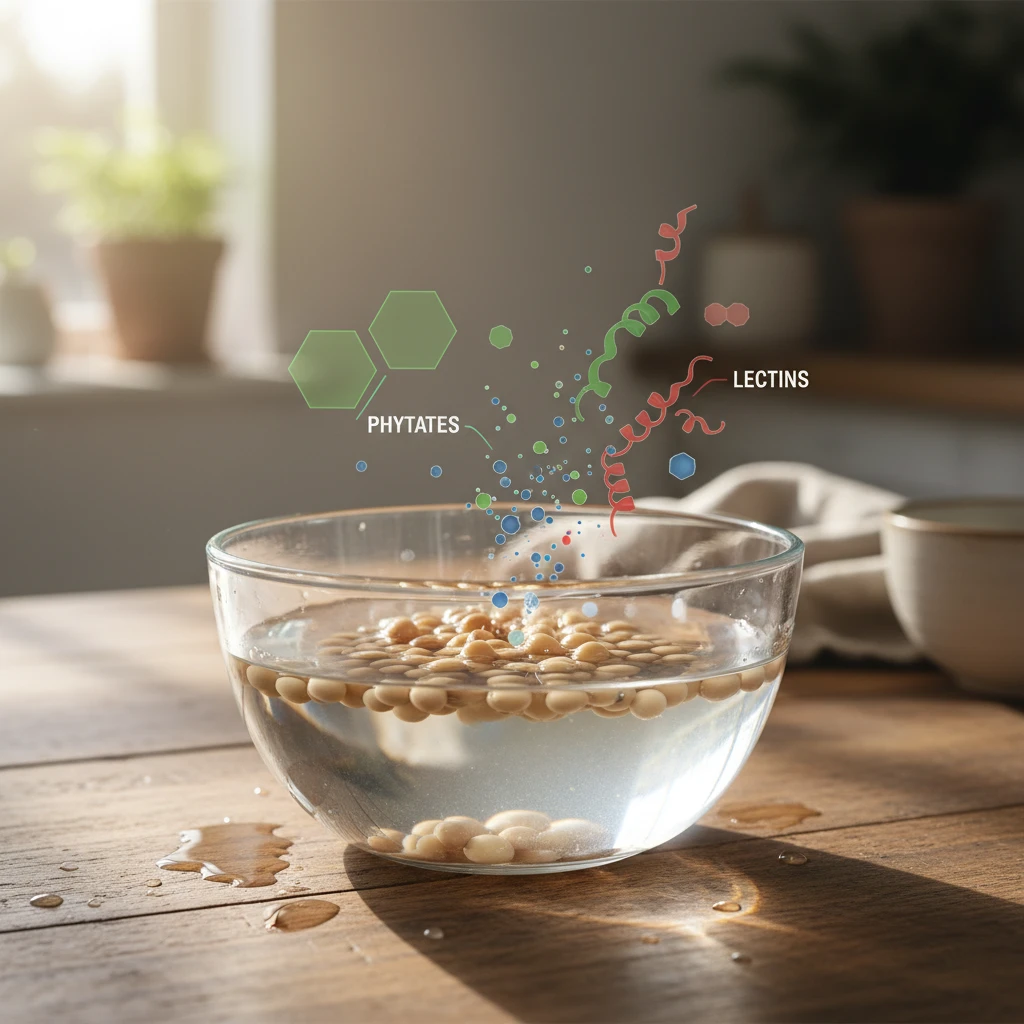
Soaking beans, grains, and nuts in water is the simplest method to reduce antinutrients.
- Method: Cover legumes with water and let them sit for 8–12 hours (or overnight).
- Science: This activates endogenous enzymes like phytase, which breaks down phytic acid. It also leaches out some water-soluble lectins.
- Tip: Always discard the soaking water and rinse the legumes thoroughly before cooking. Adding a splash of vinegar or lemon juice to the soaking water can further enhance phytate breakdown.
2. Sprouting (Germination)
Sprouting takes soaking a step further. After soaking, the seeds are kept moist until they begin to grow a shoot.
- Impact: Germination drastically degrades phytates because the plant uses the stored phosphorus for growth. It also increases the availability of Vitamins C and B.
- Application: Sprouted mung beans and lentils are popular in New Zealand salads and stir-frys.
3. Fermentation
Fermentation is arguably the most effective method for deactivating antinutrients. Beneficial bacteria and yeasts consume the carbohydrates and break down phytate bonds.
- Examples: Sourdough bread (reduces phytates in wheat), Tempeh (reduces phytates in soy), and Miso.
- Benefit: Fermentation not only neutralizes antinutrients but also introduces probiotics, supporting overall gut health.
4. Pressure Cooking
For those short on time, pressure cooking is highly effective. The high temperature and pressure degrade lectins more completely than boiling alone. For varieties of beans that are particularly high in lectins, such as kidney beans, pressure cooking is an excellent safety measure.
The Paradox: Health Benefits of Antinutrients
It is important to pivot from a defensive stance to recognizing the potential benefits of these compounds. In the scientific community, phytates and lectins are increasingly viewed as having protective properties when consumed in moderation.
Phytates as Antioxidants
Phytic acid is a potent antioxidant. By binding to iron in the gut, it may actually help prevent the formation of free radicals that can cause cellular damage. There is emerging research suggesting that phytic acid may have anti-carcinogenic properties. For more information on the complex role of phytochemicals, you can refer to resources from the Harvard T.H. Chan School of Public Health.
Lectins and Blood Sugar
Because lectins and phytates can slow down digestion, they help moderate the rise in blood sugar after a meal. This delayed gastric emptying is beneficial for insulin sensitivity and satiety, helping people feel fuller for longer. This mechanism is partly why a diet high in legumes is recommended for managing Type 2 Diabetes.
Conclusion: The Balanced Verdict
For the vast majority of New Zealanders, antinutrients like phytates and lectins should not be a cause for alarm. They are minor components of some of the healthiest foods on the planet. The “danger” is largely neutralized through cooking, a non-negotiable step for most legumes and grains anyway.
Rather than eliminating soy, whole grains, and legumes, the focus should be on traditional culinary wisdom. Soaking your beans, enjoying fermented tempeh, and eating a varied diet ensures you get the fiber, protein, and phytonutrients these plants offer, without the downside of mineral malabsorption. In the context of a rich, diverse culinary lifestyle, these “antinutrients” are simply part of the complex matrix of real food.
Frequently Asked Questions
1. Do I need to stop eating soy if I have low iron?
Not necessarily. While soy contains phytates, you can improve iron absorption by consuming Vitamin C-rich foods (like capsicum, kiwifruit, or citrus) alongside your soy meals. Vitamin C effectively counteracts the mineral-binding effect of phytates.
2. Does cooking destroy all lectins?
Cooking destroys the vast majority of lectins, particularly in legumes. Boiling for at least 10-15 minutes or pressure cooking renders them safe. Slow cookers may not reach high enough temperatures to destroy all lectins in red kidney beans, so pre-boiling is recommended.
3. Are canned beans safe from antinutrients?
Yes. The canning process involves pressure cooking at high heat, which significantly reduces lectin and phytate content. Canned beans are a convenient and safe option, though rinsing them is advised to reduce sodium.
4. Is oatmeal high in antinutrients?
Oats do contain phytic acid. However, soaking oats overnight (as in “overnight oats”) or cooking them reduces this content. For most people, the heart-health benefits of oats (beta-glucan) far outweigh the phytate content.
5. Can fermentation completely remove phytates?
Fermentation is very effective but may not remove 100% of phytates. However, it reduces them to levels where they no longer significantly impact mineral absorption for the average person. Tempeh is one of the lowest-phytate soy options available.
6. Should I take a supplement to counteract antinutrients?
No specific supplement is needed to “counteract” them. If you are concerned about mineral intake, a standard multivitamin may provide insurance, but the best strategy is a varied diet and proper food preparation (soaking/cooking).