
Soy Biochemistry Explained: Isoflavones & Phytoestrogens
Introduction to Soy Biochemistry
In this guide, soy biochemistry explained reveals the intricate relationship between plant metabolites and human health. In the expansive field of nutritional science, few topics command as much attention as the intricate biochemistry of the soybean (Glycine max). When we discuss soy biochemistry explained, we are essentially diving into a complex world of secondary metabolites that define the plant’s biological identity and its subsequent effects on human physiology.
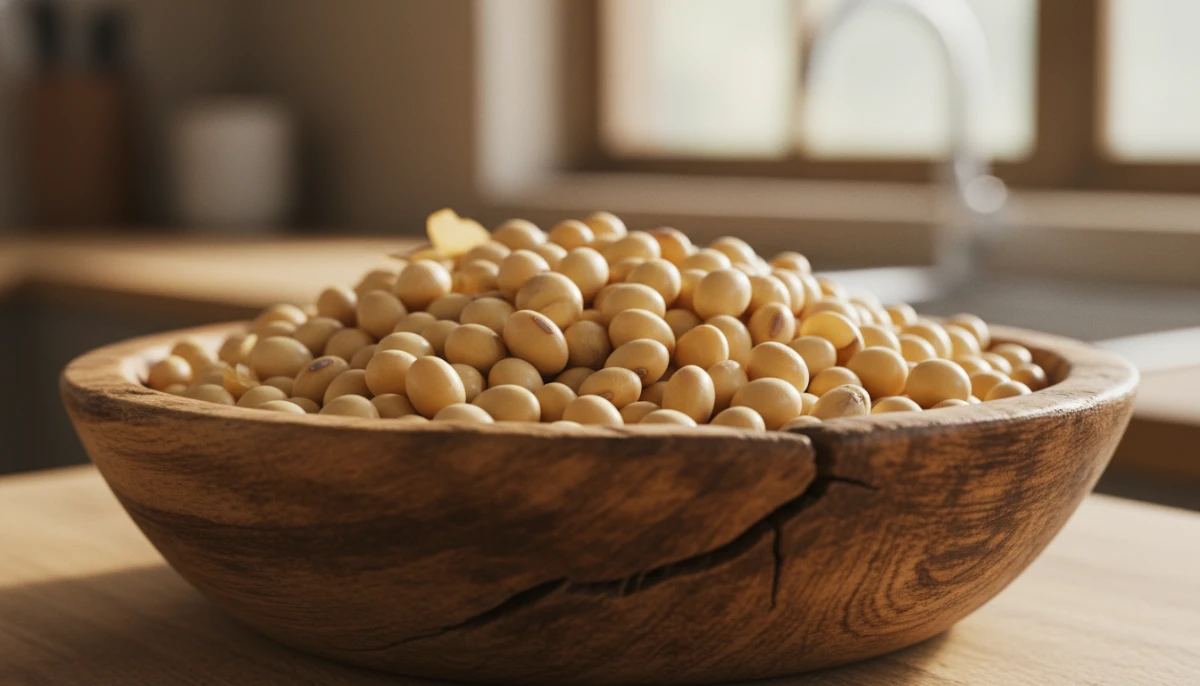
The soybean is a nutritional powerhouse, not only for its macronutrient profile—consisting of high-quality protein and essential fatty acids—but more significantly for its concentration of bioactive compounds. Among these, isoflavones and phytoestrogens stand as the most researched and debated components. At Soy Online Service, our mission is to provide an exhaustive architectural look into these molecules, bridging the gap between molecular biology and everyday health applications.
The Molecular Structure of Soy Isoflavones
To understand soy biochemistry explained, one must first look at the chemical architecture of isoflavones. Isoflavones are a subclass of flavonoids, a large family of polyphenolic compounds found in various plants. The core structure of an isoflavone consists of a 3-phenylchromen-4-one skeleton.
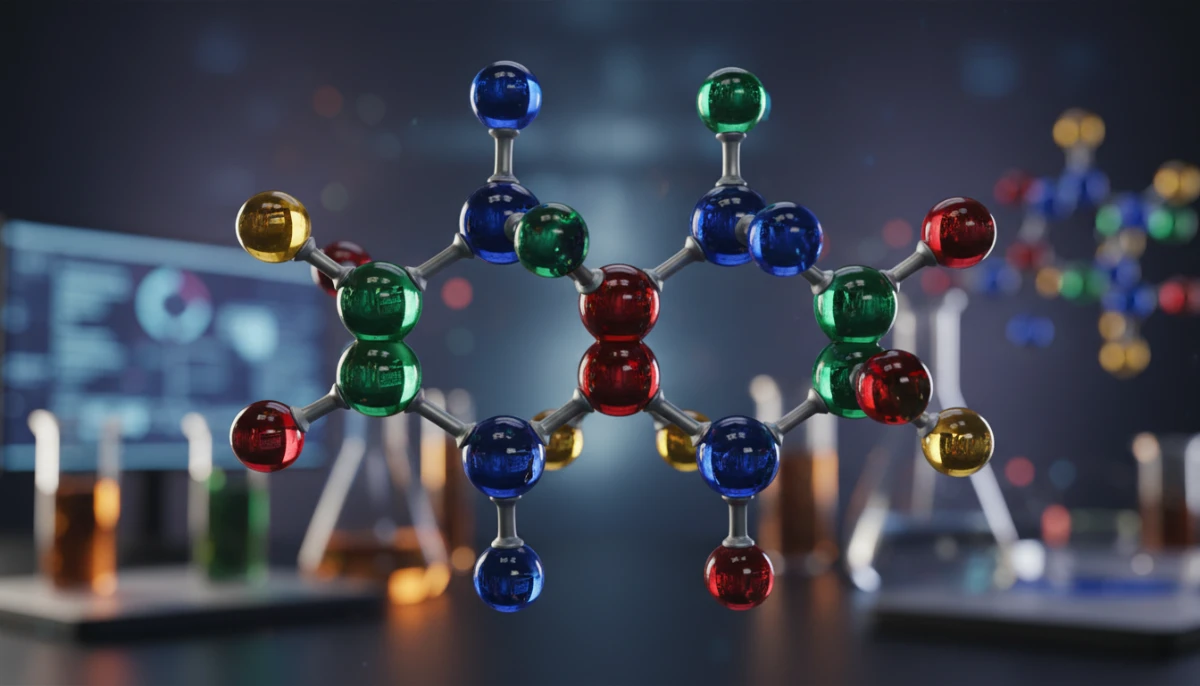
This subtle shift in the position of the phenyl ring is what grants isoflavones their unique ability to mimic the structure of endogenous estrogens. Within the soybean, isoflavones exist primarily in four chemical forms: aglycones, glucoside conjugates (daidzin, genistin, and glycitin), acetylglucosides, and malonylglucosides. The aglycones—genistein, daidzein, and glycitein—are the bioactive forms that researchers focus on most intensely.
Phytoestrogens: Mechanism of Action and Receptor Binding
The term phytoestrogen refers to plant-derived compounds that are functionally and structurally similar to 17β-estradiol (E2). In the context of soy biochemistry explained, the mechanism of action is centered on the interaction between isoflavones and estrogen receptors (ERs). Humans possess two primary types of estrogen receptors: ER-alpha (ERα) and ER-beta (ERβ).
Biosynthesis Pathways in Glycine Max
The creation of isoflavones within the soybean plant is a marvel of evolutionary biochemistry. The process begins with the phenylpropanoid pathway, which is responsible for synthesizing a wide range of plant phenolics. The starting point is the amino acid L-phenylalanine, which is converted into cinnamic acid by the enzyme phenylalanine ammonia-lyase (PAL).
Genistein, Daidzein, and Glycitein: The Primary Triad
While the soybean contains hundreds of phytochemicals, the trio of genistein, daidzein, and glycitein dominates the biochemical landscape. Genistein is often considered the most biologically active. It has been studied extensively for its role in inhibiting protein tyrosine kinases, which are enzymes involved in cell growth and differentiation.
Human Metabolism and the Role of Equol
One of the most complex aspects of soy biochemistry explained is the variation in human metabolism. A significant metabolic fork in the road occurs with daidzein. Certain individuals possess gut bacteria capable of converting daidzein into equol. Equol is structurally more similar to estradiol than daidzein itself and has a higher affinity for ERβ. Interestingly, only about 30-50% of the human population are equol producers.
Clinical Implications of Soy Biochemistry
The clinical implications of soy biochemistry are vast. In cardiovascular health, isoflavones improve endothelial function and reduce LDL cholesterol. Regarding cancer research, epidemiological studies in Asian countries show a strong correlation between high lifelong soy intake and lower rates of breast and prostate cancers.
Impact of Food Processing on Biochemical Bioavailability
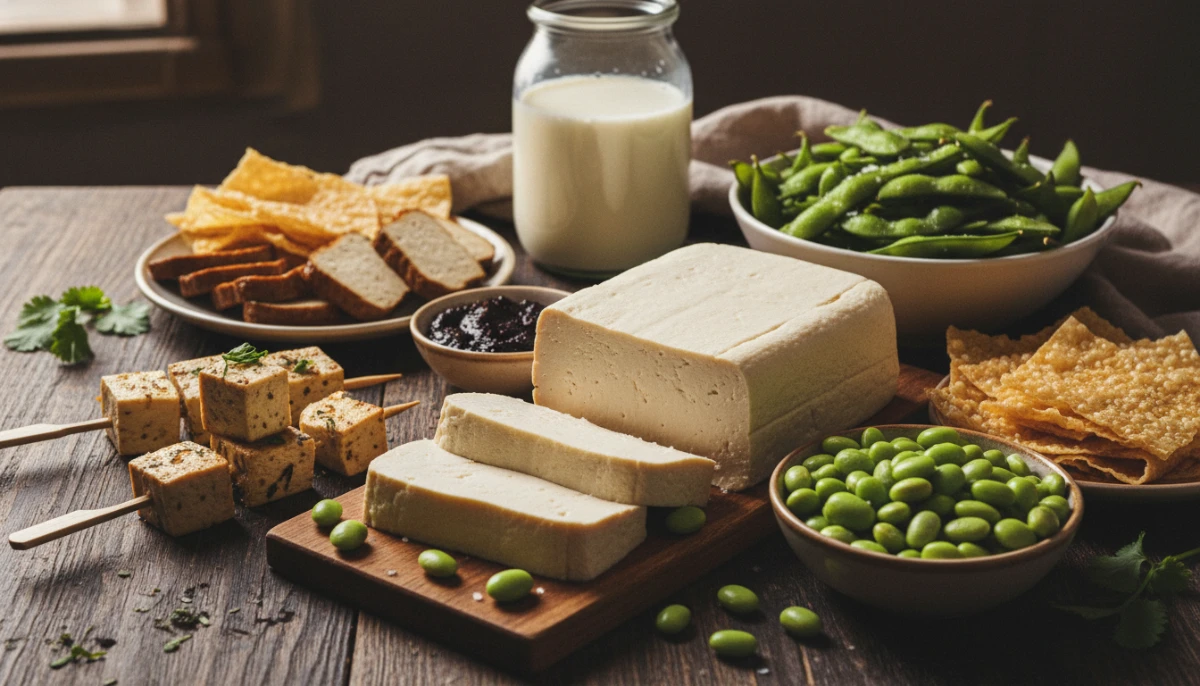
How we prepare soy products dramatically alters their biochemical composition. Fermentation is perhaps the most transformative process. Products like tempeh, miso, and natto are fermented with molds or bacteria that perform the hydrolysis of isoflavone glycosides into aglycones before the food even reaches the human gut.
Soy Online Service: Integrating Science and Digital Access
The role of Soy Online Service is to demystify these complex scientific concepts for the digital age. In an era where misinformation can spread rapidly, having a central architectural framework for soy biochemistry explained is essential. We utilize data-driven approaches to track the latest research in isoflavone bioavailability and phytoestrogen kinetics.
Frequently Asked Questions
What is the primary difference between isoflavones and phytoestrogens?
Does cooking soy destroy its biochemical benefits?
In summary, the biochemistry of soy is a multifaceted subject that requires an understanding of botany, chemistry, and human physiology. By understanding soy biochemistry explained, we unlock the potential for more targeted, effective, and evidence-based nutritional strategies.