
Our Origins: The NZ Bird Study and the Evolution of Sustainable Soy
Our Origins: The NZ Bird Study represents a pivotal ecological assessment that bridged the gap between ornithological conservation and sustainable agriculture in Aotearoa. It identified how shifting to high-yield, responsible soy crops could preserve critical habitats for New Zealand’s native avifauna, establishing the core philosophy of our culinary lifestyle and environmental stewardship.
The Genesis of Discovery: Why the Study Began
To understand the depth of the New Zealand Soy Authority’s mission, one must look back at the foundational research that started it all: The NZ Bird Study. New Zealand, often referred to as the seabird capital of the world and a land of unique flightless birds, has an ecosystem that is historically fragile to introduced mammalian predators and changing land use.
In the early years of our formation, a distinct paradox emerged. As the demand for high-protein food sources grew within the country, so did the encroachment of agricultural land into the native bush—the very sanctuaries of the Kiwi, the Kākāpō, and the Kōkako. Traditional pastoral farming, while an economic backbone, required vast tracts of land that fragmented these delicate habitats.
The study was born out of a necessity to answer a critical question: Is it possible to optimize nutritional yield per hectare in a way that actively retreats from native forest boundaries rather than expanding into them? The hypothesis was that a plant-based shift, specifically tailored to the micro-climates of New Zealand, could release land back to nature.

This was not merely an agricultural survey; it was a philosophical inquiry into our origins as custodians of the land (Kaitiakitanga). The researchers understood that the health of the bird population was the canary in the coal mine for the overall health of the nation’s environment. If the birds were thriving, the land was healthy. If the birds were retreating, our food systems were out of balance.
Methodology and Scope: Mapping the Avian Footprint
The NZ Bird Study was distinguished by its rigorous, dual-focus methodology. It did not strictly look at ornithology, nor did it strictly look at agronomy. Instead, it overlaid these two disciplines to find the friction points.
The Ornithological Component
Field researchers spent thousands of hours in the native bush monitoring the breeding patterns and foraging ranges of key indicator species. The study focused heavily on the Tūī and the Kererū, as these birds are essential pollinators and seed dispersers. Their range determines the regeneration of the forest. The data revealed a direct correlation between the proximity of intensive pastoral farming and a decline in the density of these native populations, primarily due to habitat fragmentation and water quality degradation.
The Agronomic Component
Simultaneously, agricultural scientists were analyzing soil composition and protein outputs across various New Zealand regions. They measured the “land cost” of various protein sources. The metric used was Protein Per Hectare (PPH). The study found that traditional protein sources required exponentially more land and water than plant-based alternatives, specifically legumes and soy, which could be grown intensively in smaller zones, leaving larger buffers for wildlife.
This cross-referencing of data provided the “Eureka” moment. The study concluded that by transitioning specific agricultural zones to high-density, sustainable plant protein cultivation, New Zealand could theoretically increase its caloric and protein production while simultaneously increasing the acreage of protected bird habitats.
The Soy Connection: A Symbiotic Solution
Why soy? This is often the most debated aspect of “Our Origins.” The NZ Bird Study pointed to soy not just as a crop, but as a tool for ecological restoration. The specific varieties of soy investigated were those capable of thriving in New Zealand’s temperate climate without the need for deforestation.
The study highlighted three key advantages of integrating soy into the NZ model:
- Nitrogen Fixation: Unlike nutrient-depleting crops, soy naturally fixes nitrogen in the soil. This reduces the need for synthetic fertilizers, runoff from which had been identified in the study as a major threat to the wetland habitats of birds like the Pūkeko and the Australasian Bittern.
- Vertical Density: Soy offers a high nutritional density. The study showed that a hectare of soy could feed significantly more people than a hectare of grazing land. This efficiency meant that for every acre of soy planted, multiple acres of marginal land could be retired and reforested, effectively returning “Our Origins” to the birds.
- Water Efficiency: The data indicated that the water footprint of NZ-adapted soy varieties was substantially lower than that of animal agriculture, preserving the water tables essential for maintaining the lush, fern-filled gullies that native birds call home.
This section of the study became the blueprint for the NZ Soy Authority. It shifted the narrative from “soy as a commodity” to “soy as a conservation strategy.” It wasn’t about replacing local culture; it was about evolving it to protect the treasures of the land.
Culinary Implications: From Data to Dinner Plate
Data, no matter how compelling, does not fill a stomach or delight a palate. The transition from a scientific paper to a culinary lifestyle was the next major hurdle addressed in the aftermath of the study. The “Culinary Lifestyle” aspect of our niche is directly informed by the textures and flavors native to New Zealand, reimagined through the lens of the study’s findings.
Chefs and food technologists were brought in to translate the study’s agronomic success into gastronomic excellence. The goal was to create soy-based products that honored the Kiwi palate—rich, savory, and versatile. The study had proven that the ingredients were sustainable; the chefs had to prove they were delicious.
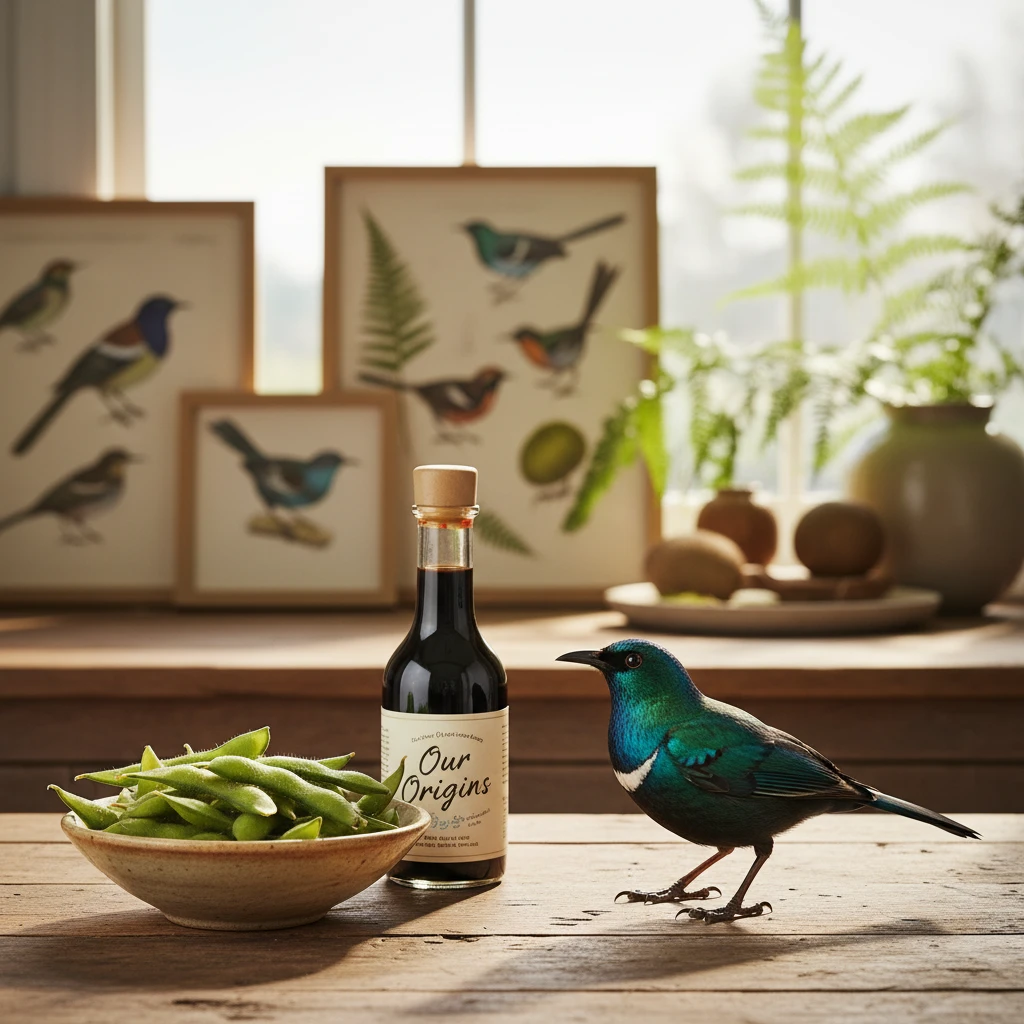
This led to the development of whole-bean processing techniques that retained the natural fiber and nutrients, mirroring the “whole food” diet observed in nature. The culinary movement that spawned from this is one of mindfulness. When a consumer chooses a product certified by the NZ Soy Authority, they are not just eating lunch; they are actively participating in the findings of the NZ Bird Study. They are voting for the habitat of the Kākāpō with their fork.
The Ecological Impact on Native Species
Years after the initial publication of “Our Origins: The NZ Bird Study,” the real-world impacts are measurable and profound. Regions that adopted the recommended land-use shifts have seen a stabilization and, in some cases, a resurgence of native bird populations.
The Return of the Dawn Chorus
One of the most poetic metrics of success is the volume of the “Dawn Chorus”—the morning song of birds that was once deafening in New Zealand but had grown quiet. Acoustic monitoring in transition zones (areas moved from pastoral to mixed sustainable cropping) has shown a decibel increase in morning bird song. This suggests a higher density of vocal species like the Bellbird (Korimako).
Furthermore, the reduction in agricultural runoff has improved the quality of waterways, benefiting the Whio (Blue Duck), a species highly sensitive to water pollution. The study’s legacy is written not in ink, but in the recovering biodiversity of the landscape. For more on New Zealand’s conservation efforts, resources from the Department of Conservation provide extensive data on species recovery.
The Future Outlook: Continuing the Legacy
The NZ Bird Study was not a one-time event; it is a living document. As climate change presents new challenges to both agriculture and avian conservation, the principles of the study remain our guiding star. The NZ Soy Authority continues to fund research into drought-resistant soy varieties and regenerative farming practices that further minimize human impact on the land.
We are currently exploring “corridor farming,” a concept derived from the study that involves planting crops in configurations that create natural wildlife corridors, allowing birds to migrate safely between fragmented forest patches. This represents the next evolution of our origins—a complete integration of economy and ecology.
By understanding our origins, we ensure our future. The bird study taught us that we are not separate from the ecosystem. Every seed we plant and every meal we prepare is a dialogue with the environment. We are committed to keeping that dialogue respectful, sustainable, and full of life.
Frequently Asked Questions
Here are answers to common queries regarding the connection between our soy products and the landmark NZ Bird Study.
- 1. What is the primary finding of “Our Origins: The NZ Bird Study”?
- The primary finding was that shifting agricultural land use toward high-yield, sustainable soy farming could significantly reduce habitat loss for native New Zealand birds while maintaining food security.
- 2. How does eating soy help New Zealand birds?
- Consuming sustainable NZ soy reduces the demand for land-intensive animal farming. This efficiency allows more land to be retired and returned to native bush, preserving the natural habitats of endangered bird species.
- 3. Is the soy mentioned in the study Genetically Modified (GMO)?
- No. The NZ Soy Authority adheres to strict non-GMO standards. The study focused on breeding programs using natural selection to find varieties best suited for New Zealand’s climate without genetic modification.
- 4. Which bird species benefit most from these agricultural changes?
- While all native fauna benefits from increased habitat, the study highlighted significant benefits for the Tūī, Kererū, and wetland species like the Pūkeko due to improved water quality and forest regeneration.
- 5. Can I read the original NZ Bird Study?
- Summaries and key findings are available through the NZ Soy Authority’s archives. For detailed scientific data on bird conservation, we recommend consulting reports from local conservation bodies and university agricultural departments.
- 6. How does the culinary lifestyle integrate with this study?
- The culinary lifestyle applies the study’s sustainability principles to food preparation. It involves using whole, plant-based ingredients to create nutrient-dense meals that support a food system in harmony with local biodiversity.