
Soy Oil Omega 6 Content & Fatty Acid Composition
An exhaustive examination of lipid profiles, metabolic pathways, and the nutritional landscape of soybean oil in the modern diet.

Soybean oil remains a cornerstone of the global food industry due to its specific lipid profile.
1. The Biochemistry of Fatty Acids
Understanding the soy oil omega 6 content is essential for anyone monitoring their intake of polyunsaturated fats. Fatty acids are the building blocks of fats, categorized by the length of their carbon chains and the presence or absence of double bonds. Polyunsaturated fatty acids (PUFAs), which include the omega-6 and omega-3 families, contain multiple double bonds and play a vital role in cellular health.
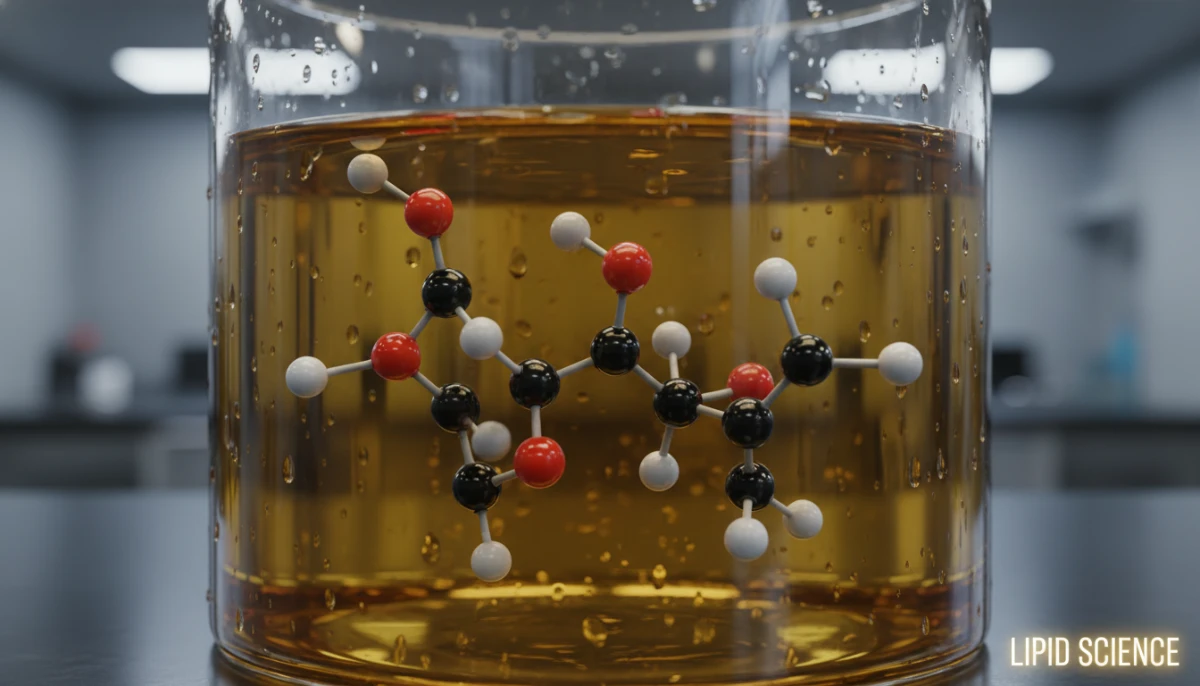
The chemical structure of lipids determines their thermal stability and nutritional value.
Omega-6 fatty acids are characterized by the location of the first double bond at the sixth carbon atom from the methyl end of the chain. The primary omega-6 in the human diet is Linoleic Acid (LA). Because the human body lacks the enzymes to synthesize LA, it is classified as an ‘essential’ fatty acid, meaning we must obtain it through dietary sources like soybean oil.
2. Detailed Soy Oil Fatty Acid Profile
Soybean oil is one of the most versatile vegetable oils globally. Its popularity stems from its balanced fatty acid profile, though it is predominantly composed of PUFAs. A typical breakdown reveals the following composition:
| Fatty Acid Type | Common Name | Percentage Range |
|---|---|---|
| Polyunsaturated (Omega-6) | Linoleic Acid (LA) | 50% – 55% |
| Polyunsaturated (Omega-3) | Alpha-Linolenic Acid (ALA) | 7% – 10% |
| Monounsaturated | Oleic Acid | 22% – 26% |
| Saturated | Palmitic & Stearic Acid | 13% – 15% |
3. Quantifying Soy Oil Omega 6 Content
When specifically analyzing soy oil omega 6 content, it contains approximately 50 to 54 grams of linoleic acid per 100 grams of oil. In a standard tablespoon (roughly 14 grams), this equates to roughly 7 to 7.5 grams of omega-6. This high concentration is why soybean oil contributes the vast majority of omega-6 in the Western diet.
4. Metabolic Pathways: LA to ARA
The biological impact of the omega-6 in soy oil depends on its conversion pathway. Linoleic acid is converted into Gamma-Linolenic Acid (GLA) and eventually into Arachidonic Acid (ARA). ARA is a precursor to signaling molecules known as eicosanoids, some of which are pro-inflammatory and necessary for acute immune responses.
5. The Omega-6 to Omega-3 Ratio Debate
One cannot discuss soy oil omega 6 content without addressing the omega-6 to omega-3 ratio. Modern diets often reach ratios of 15:1. While soybean oil contains 7-10% ALA (omega-3), its much higher LA content (54%) creates a ratio of roughly 7:1.
6. Extraction and Refinement Methods
Most commercial soybean oil is extracted using hexane, followed by refining, bleaching, and deodorizing (RBD). This process removes impurities but also strips away some natural antioxidants like vitamin E (tocopherols).
7. Soy vs. Other Vegetable Oils
To put soy oil omega 6 content into perspective, compare it with other common fats: Olive Oil (10% omega-6), Canola Oil (20% omega-6), and Sunflower Oil (up to 70% omega-6).
8. Cardiovascular Health and Clinical Evidence
The AHA has historically supported the consumption of omega-6 PUFAs found in soybean oil. Clinical trials have shown that replacing saturated fats with polyunsaturated fats like soy oil significantly lowers LDL cholesterol.
9. Culinary Stability and Smoke Points
With a smoke point of approximately 450°F, soybean oil is suitable for frying. However, its high soy oil omega 6 content makes it vulnerable to thermal oxidation if heated repeatedly.
10. The Future: High Oleic Soybeans
Industry has developed High Oleic Soybean Oil, containing over 75% monounsaturated fat and less than 10% linoleic acid, drastically reducing the total soy oil omega 6 content while increasing stability.
11. Conclusion
In summary, the soy oil omega 6 content is a defining characteristic of its nutritional and culinary profile. While it provides essential linoleic acid and aids in lowering LDL cholesterol when replacing saturated fats, its prevalence in the modern diet contributes to an skewed omega-6 to omega-3 ratio. As food science advances toward high-oleic varieties, consumers have more options to balance their fatty acid intake while still benefiting from the versatility of soy-based products.