
Breast Cancer Research: Navigating the Complexity of Soy and Estrogen Positive Cancer
An exhaustive analysis of clinical evidence, molecular biology, and evidence-based nutritional oncology.
The Evolution of Breast Cancer Research
Breast cancer research has undergone a paradigm shift over the last half-century, moving from aggressive surgical interventions to highly specialized, molecular-targeted therapies. At the heart of this evolution is our understanding of hormone receptor status. Approximately 70% to 80% of all breast cancers are classified as Estrogen Receptor-Positive (ER+), meaning the cancer cells grow in response to the hormone estrogen. This discovery led to the development of endocrine therapies, such as selective estrogen receptor modulators (SERMs) like tamoxifen and aromatase inhibitors (AIs) like letrozole. However, as medical science progressed, a new area of concern emerged among patients and clinicians: the role of dietary components, specifically soy isoflavones, and their potential interaction with these receptors.

The historical trajectory of research began with observing global variations in cancer incidence. Researchers noted that women in East Asian countries, where soy consumption is a dietary staple, had significantly lower rates of breast cancer compared to women in Western nations. This observation birthed the ‘Soy-Estrogen Hypothesis,’ which initially suggested that soy might be protective. However, as the 1990s approached, early animal studies using isolated soy components raised alarms, suggesting that certain compounds might stimulate tumor growth in sensitive environments. This contradiction has fueled decades of rigorous scientific investigation, aiming to provide clarity to millions of survivors and those at risk.
Decoding the Soy Paradox in Estrogen-Positive Cancer
The central question surrounding ‘soy and estrogen positive cancer’ involves the nature of isoflavones—genistein and daidzein. These are phytoestrogens, plant-derived compounds that are structurally similar to human 17β-estradiol. For years, the prevailing logic was simplistic: if estrogen feeds ER+ cancer, and soy contains plant estrogen, then soy must feed the cancer. This logical leap, while understandable, failed to account for the nuanced complexity of human biology and receptor affinity. Contemporary breast cancer research now differentiates between the types of estrogen receptors in the body: Alpha (ERα) and Beta (ERβ).
Scientific consensus has shifted as researchers identified that isoflavones actually have a higher affinity for ERβ than for ERα. While ERα is the primary driver of cell proliferation in breast tissue, ERβ is often associated with growth-inhibitory effects. When phytoestrogens bind to these receptors, they can act as selective modulators, potentially blocking the more potent human estrogen from attaching to the receptors. This ‘blocking’ mechanism is similar in theory to how certain pharmacological treatments function, albeit on a much milder, dietary scale.

Phytoestrogens vs. Endogenous Estrogen: Molecular Mechanics
To understand why the fear of soy and estrogen positive cancer is largely unfounded in the context of whole-food consumption, we must look at the binding potency. Human-produced estrogen is incredibly powerful. Phytoestrogens, by contrast, are estimated to be 100 to 1,000 times weaker than endogenous estradiol. In a pre-menopausal environment where estrogen levels are high, phytoestrogens may actually lower overall estrogenic activity by competing for receptor sites. In a post-menopausal environment where natural estrogen is low, they may provide a very weak estrogenic effect, which has been studied for its potential to alleviate vasomotor symptoms (hot flashes) without increasing breast density.
Furthermore, breast cancer research has highlighted the role of epigenetics. Soy isoflavones have been shown to influence DNA methylation and histone acetylation, processes that regulate gene expression. Some studies suggest that early-life exposure to soy can ‘program’ breast tissue to be more resistant to carcinogenic transformations later in life. This is known as the ‘early intake’ protective effect, explaining why populations with lifelong soy consumption show the lowest risk profiles. For the adult survivor, the molecular focus shifts toward how these compounds interact with endocrine therapies like Tamoxifen, with most recent data suggesting no negative interference and potential synergistic benefits.
Critical Review of Landmark Clinical Studies
The most definitive answers regarding soy and estrogen positive cancer come from large-scale prospective cohort studies. One of the most influential is the ‘Shanghai Breast Cancer Survival Study,’ which followed over 5,000 breast cancer survivors over several years. The results were groundbreaking: women who consumed the highest amounts of soy had a 29% lower risk of death and a 32% lower risk of cancer recurrence compared to those with the lowest intake. Critically, this benefit was observed in both ER+ and ER- (estrogen receptor negative) patients.

Another meta-analysis published in the journal ‘Cancer’ evaluated data from over 9,000 breast cancer survivors in the United States and China. This research confirmed that soy isoflavone intake of approximately 10 mg per day or more was associated with a significant reduction in recurrence. The LACE (Life After Cancer Management) study also found that soy intake did not increase the risk of recurrence or death, regardless of whether women were taking tamoxifen. These human-centric studies have largely overturned the early rodent studies, primarily because humans metabolize isoflavones differently than mice, and the concentrations used in animal models were often physiologically unattainable through diet alone.
Evidence-Based Nutritional Guidelines for Survivors
When translating breast cancer research into daily habits, the quality of soy matters immensely. Nutritionists and oncologists emphasize ‘whole soy’ over isolated soy proteins. Whole soy foods provide a complex matrix of fiber, vitamins, and minerals that modulate how isoflavones are absorbed. The current recommendation for breast cancer survivors, including those with estrogen-positive cancer, is 1 to 3 servings of whole soy foods per day.
- Recommended: Edamame, Tofu, Tempeh, Miso, and Soy Milk (unsweetened).
- Cautionary: Soy protein isolates found in processed protein bars, ‘fake’ meats, and high-dose isoflavone supplements.
- Timing: Consistency is key; integrating these foods as part of a plant-forward diet is more effective than sporadic high consumption.
The shift toward a plant-based diet, which often includes soy, is supported by the American Institute for Cancer Research (AICR) and the American Cancer Society (ACS). These organizations have updated their guidelines to reflect that soy is not only safe but potentially beneficial for cancer survivorship. Beyond its hormonal interaction, soy is a high-quality protein source that is low in saturated fat, making it an excellent heart-healthy alternative to red and processed meats, which are associated with increased inflammation and cancer risk.
Future Frontiers in Targeted Oncology Research
While the ‘soy and estrogen positive cancer’ debate has reached a point of general clinical consensus, breast cancer research continues to push into new frontiers. Current studies are investigating the ‘microbiome-isoflavone connection.’ It appears that the benefits of soy may depend on an individual’s gut bacteria and their ability to convert daidzein into ‘equol,’ a more potent and beneficial metabolite. Understanding the gut-breast axis could lead to personalized nutritional interventions where a patient’s microbiome is optimized to maximize the protective effects of their diet.
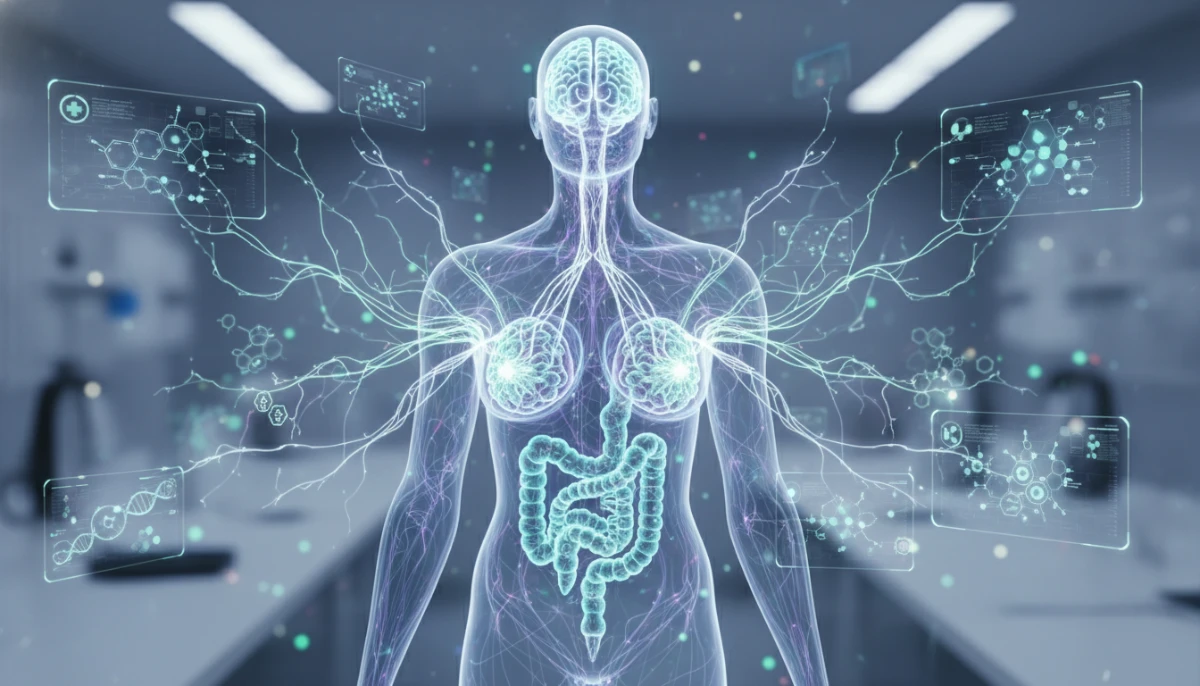
Additionally, research is looking into the synergy between soy and other bioactive compounds, such as the polyphenols in green tea and the sulforaphane in cruciferous vegetables. The goal is to move away from a single-nutrient focus and toward a ‘poly-nutritional’ strategy that creates a biochemical environment inhospitable to cancer growth. As we move into the era of precision medicine, the integration of these dietary insights with advanced genomic testing will provide survivors with a comprehensive, 360-degree approach to health and longevity.
Frequently Asked Questions
Is soy safe for estrogen-positive breast cancer survivors?
Yes. Multiple large-scale human studies, including the Shanghai Breast Cancer Survival Study, have shown that soy consumption is safe and may even reduce the risk of recurrence and mortality in survivors of ER+ breast cancer.
Does soy interfere with Tamoxifen or Aromatase Inhibitors?
Research indicates that soy does not interfere with the efficacy of Tamoxifen or Aromatase Inhibitors. In fact, some studies suggest that soy isoflavones may work synergistically with these treatments to inhibit cancer cell growth.
How much soy should I eat daily?
The general consensus among oncology nutritionists is that 1 to 3 servings of whole soy foods (like tofu or edamame) per day is safe and provides the most health benefits without exceeding moderate levels.
Should I take soy isoflavone supplements?
Current research suggests sticking to whole-food sources of soy. Supplements contain highly concentrated doses of isoflavones that haven’t been studied as extensively in human clinical trials as whole foods have.