
Modern Culinary Soy: From Tradition to the Vanguard of Gastronomy
Exploring the versatility, science, and sophistication of modern soy recipes in professional kitchens.
The Renaissance of Soy in Gastronomy
The narrative of soy has undergone a radical transformation over the last decade. Long relegated to the fringes of health-food stores or viewed solely through the lens of traditional East Asian cuisine, soy has emerged as a cornerstone of modern culinary innovation. Today, the world’s most acclaimed chefs are looking at modern soy recipes not just as meat alternatives, but as complex ingredients capable of delivering unparalleled umami and texture. This evolution is driven by a fusion of ancient fermentation techniques and contemporary molecular gastronomy, creating a bridge between heritage and the future of food.
In the modern professional kitchen, soy is no longer just about tofu blocks and soy sauce. It encompasses a vast spectrum of textures, from the silky, custard-like consistency of artisanal fresh yuba to the dense, nutty complexity of long-aged tempeh. The rise of plant-based fine dining has further accelerated this shift, prompting culinary architects to dismantle the soybean and rebuild it into foams, gels, and structural elements that challenge our perceptions of plant-based protein. The modern soy recipe is a testament to the adaptability of the Glycine max, reflecting a global shift toward sustainable, nutrient-dense, and aesthetically elevated dining experiences.
Nutritional Bioavailability and Health Benefits
Understanding the chemistry of soy is essential for any chef or home cook looking to master modern soy recipes. Soybeans are unique in the plant kingdom as a source of complete protein, containing all nine essential amino acids necessary for human health. However, the true culinary value lies in the bioavailability of these nutrients, which is often enhanced through traditional processing methods like fermentation and coagulation. These processes break down anti-nutrients like phytic acid, making the minerals—such as iron, calcium, and magnesium—more accessible to the body.
The Role of Isoflavones and Antioxidants
Beyond protein, soy is rich in isoflavones, specifically genistein and daidzein. These phytoestrogens have been the subject of intense scientific scrutiny, with modern research highlighting their role in cardiovascular health and bone density. From a culinary perspective, these compounds contribute to the subtle bitter and nutty notes found in soy, which can be balanced with acidity or enhanced through Maillard reaction during searing. Incorporating soy into a modern diet isn’t just a lifestyle choice; it’s a strategic move toward longevity and functional nutrition.
The Essential Toolkit: Modern Soy Variations
Artisanal Tofu
Moving beyond the supermarket plastic tub, artisanal tofu is made using high-quality non-GMO beans and traditional nigari (natural magnesium chloride). The result is a curd with a complex flavor profile that ranges from sweet and creamy to earthily savory. Different textures—silken, soft, firm, and extra-firm—serve as different ‘canvases’ for modern soy recipes.
Fermented Pastes (Miso and Beyond)
Miso is the soul of soy fermentation. Modern iterations involve using non-traditional substrates like chickpeas, rye, or even hazelnuts to inoculate with koji (Aspergillus oryzae). These pastes provide the deep umami base for contemporary sauces and glazes, essential for elevating plant-based dishes to Michelin-star standards.
Tempeh and Rhizopus Culture
Tempeh, a traditional Indonesian staple, is the darling of modern soy recipes due to its incredible texture. The fermentation by Rhizopus oligosporus creates a firm, sliceable cake with a mushroom-like aroma. Modern chefs are using tempeh as a base for ‘steaks’ and charcuterie-style preparations.
Yuba (Tofu Skin)
The thin film that forms on top of heated soy milk, yuba, is perhaps the most sophisticated soy product. It can be used fresh as a gluten-free ‘pasta’ or dried and rehydrated to create complex, layered textures that mimic the bite of seafood or poultry.

Advanced Culinary Techniques for Soy
Mastering modern soy recipes requires a departure from standard cooking methods. To extract the maximum flavor and texture from soy products, one must apply techniques that honor the ingredient’s delicate chemistry while pushing its physical boundaries.
1. The Art of the Press and Marinate
For firm tofu, moisture management is paramount. By using a weighted press for at least 30 minutes, you create space within the protein matrix to absorb marinades. Modern marinating involves vacuum-sealing (sous-vide) the tofu with high-viscosity liquids like soy sauce, ginger juice, and toasted sesame oil. This forces the flavor deep into the core of the block, ensuring every bite is seasoned.
2. Emulsification and Foams
Soy milk, due to its high lecithin content, is an incredible emulsifier. In modern gastronomy, soy lecithin is often added to liquids to create stable, airy foams that carry intense flavor without the weight of traditional sauces. Imagine a miso-scented soy air served over roasted root vegetables—a hallmark of contemporary plating.
3. Fermentation at Home
Modern enthusiasts are increasingly experimenting with home fermentation. Culturing your own tempeh or aging your own miso allows for control over the ‘funk’ and salinity levels. Using a temperature-controlled environment (like an oven with a pilot light or a dedicated fermentation chamber) is key to managing the delicate growth of koji or Rhizopus.
Modern Soy Recipes: A Curated Collection
Recipe 1: Smoked Tofu Carpaccio with Yuzu Vinaigrette
This dish highlights the delicate texture of silken tofu, transformed into a sophisticated appetizer.
- Ingredients: Extra-firm silken tofu, liquid smoke (hickory), yuzu juice, extra virgin olive oil, micro-cilantro, toasted sesame seeds, and fleur de sel.
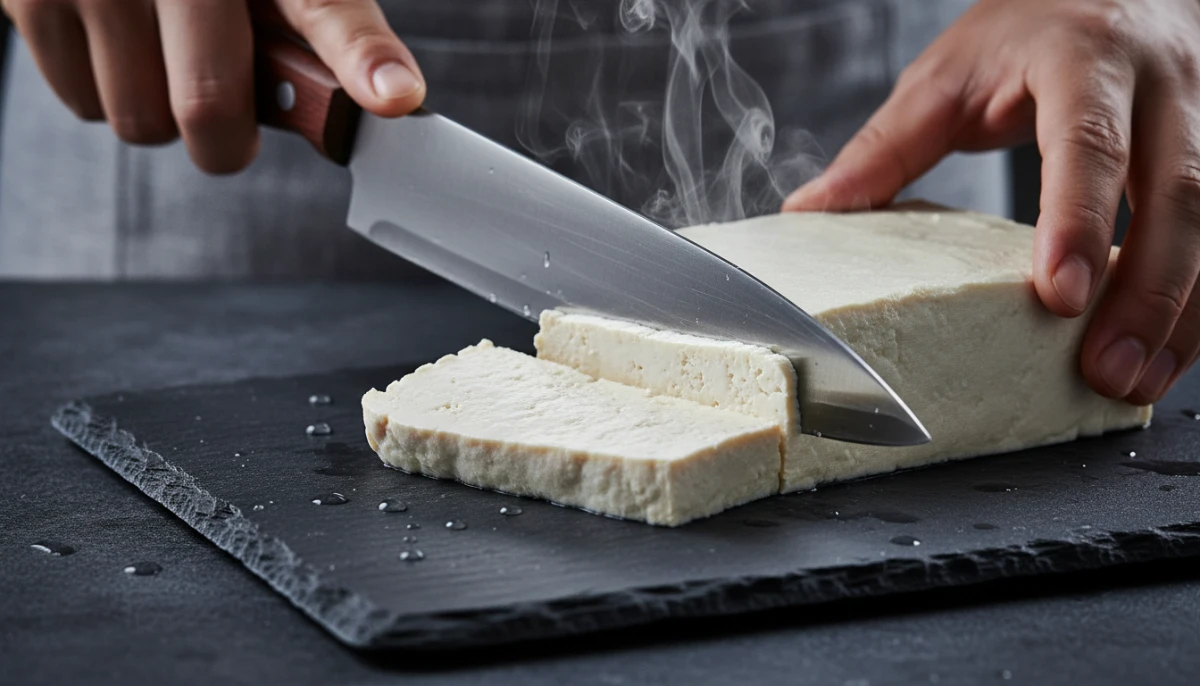
- Method: Thinly slice the tofu into 3mm sheets. Lightly brush with a mixture of water and liquid smoke. Chill for 1 hour. Arrange on a chilled plate. Whisk yuzu juice with olive oil and drizzle over the tofu. Top with micro-greens and salt.
- Chef’s Note: Precision in slicing is key. Use a mandoline or a very sharp sushi knife.
Recipe 2: Miso-Honey Glazed Tempeh with Charred Broccolini
A perfect example of how modern soy recipes use balance—salty, sweet, and bitter—to create a satisfying main course.
- Ingredients: 200g tempeh, 2 tbsp white miso, 1 tbsp honey, 1 tbsp mirin, 1 tsp grated ginger, broccolini, and garlic oil.
- Method: Steam the tempeh for 10 minutes to remove bitterness. Whisk miso, honey, mirin, and ginger. Coat the tempeh and sear in a hot cast-iron pan until caramelized. Serve alongside broccolini charred in garlic oil.
- Chef’s Note: Steaming the tempeh first opens up its pores, allowing the glaze to penetrate better.

The Sustainability Factor in Modern Soy Production
As the global population grows, the environmental impact of our food choices becomes more critical. Soy is often at the center of this debate. While large-scale soy production for livestock feed has been linked to deforestation in the Amazon, soy grown for direct human consumption—the focus of modern soy recipes—is remarkably efficient. One acre of land used to grow soybeans for human consumption produces significantly more protein than the same acre used for beef production.
Furthermore, the modern culinary movement emphasizes ‘regenerative’ soy. This involves sourcing beans from farms that practice crop rotation, use minimal tilling, and avoid synthetic pesticides. By choosing high-quality, ethically sourced soy products, chefs and consumers are supporting a food system that is both ecologically sound and gastronomically rich. The future of soy is not just in the kitchen, but in the soil.
Frequently Asked Questions
A: Yes, for most people, moderate daily consumption of soy is considered safe and beneficial. It is a high-quality protein source and contains heart-healthy fats and fiber.
A: The key is removing excess water through pressing and then using high-umami ingredients like miso, soy sauce, or nutritional yeast to build flavor layers.
A: Silken tofu is unpressed and has a high water content, making it ideal for smoothies, desserts, and delicate appetizers. Firm tofu is pressed and holds its shape, making it suitable for frying, baking, and grilling.
A: Absolutely. Soy milk has a similar protein content to cow’s milk, which helps with browning and structure in baked goods. It is often the best plant-based milk for 1:1 substitutions.